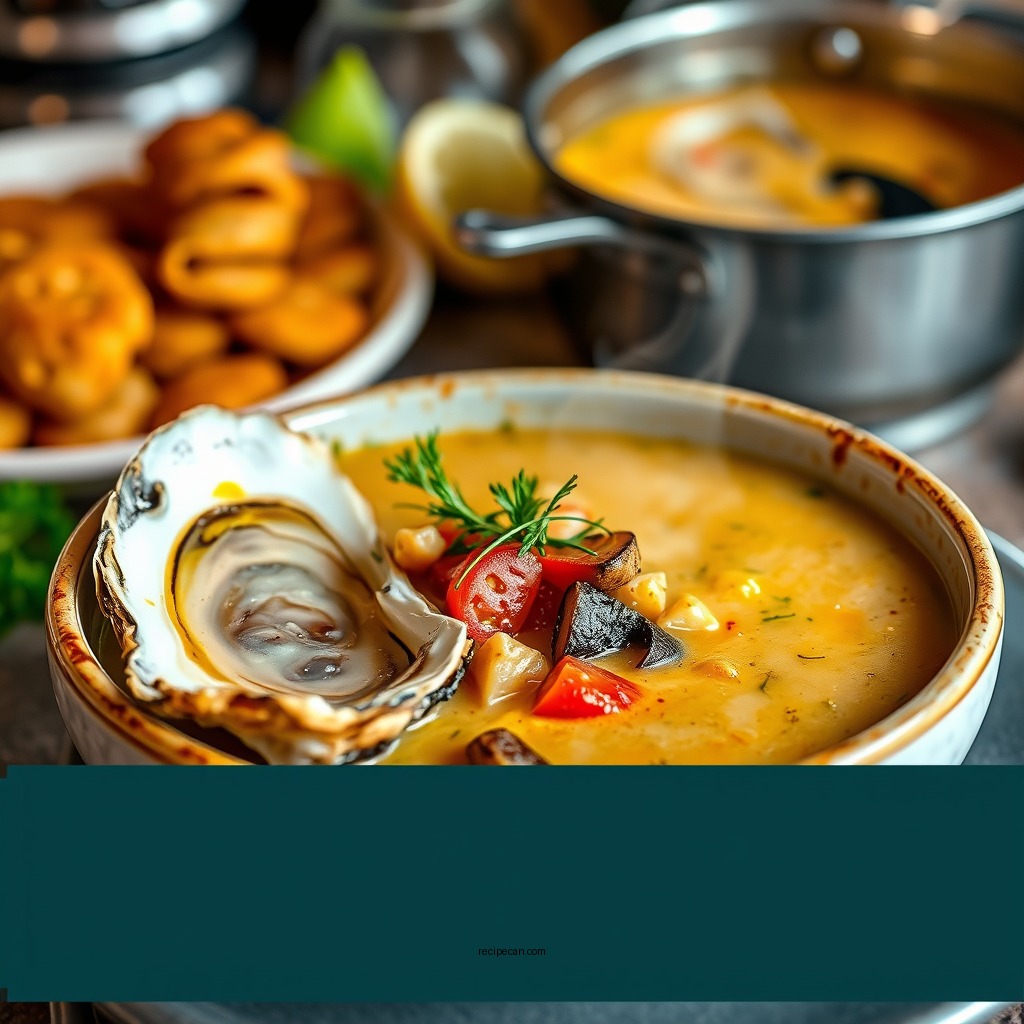
New Orleans oyster soup is a true culinary gem, offering a delightful blend of rich flavors and creamy textures that highlight the region’s love for seafood. This dish is not only a favorite among locals but also a must-try for anyone looking to experience the authentic taste of New Orleans cuisine. In this article, we will guide you through the process of creating this exquisite oyster soup from scratch, detailing the essential ingredients and cooking techniques that elevate this dish to a local favorite.
Ingredients for New Orleans Oyster Soup
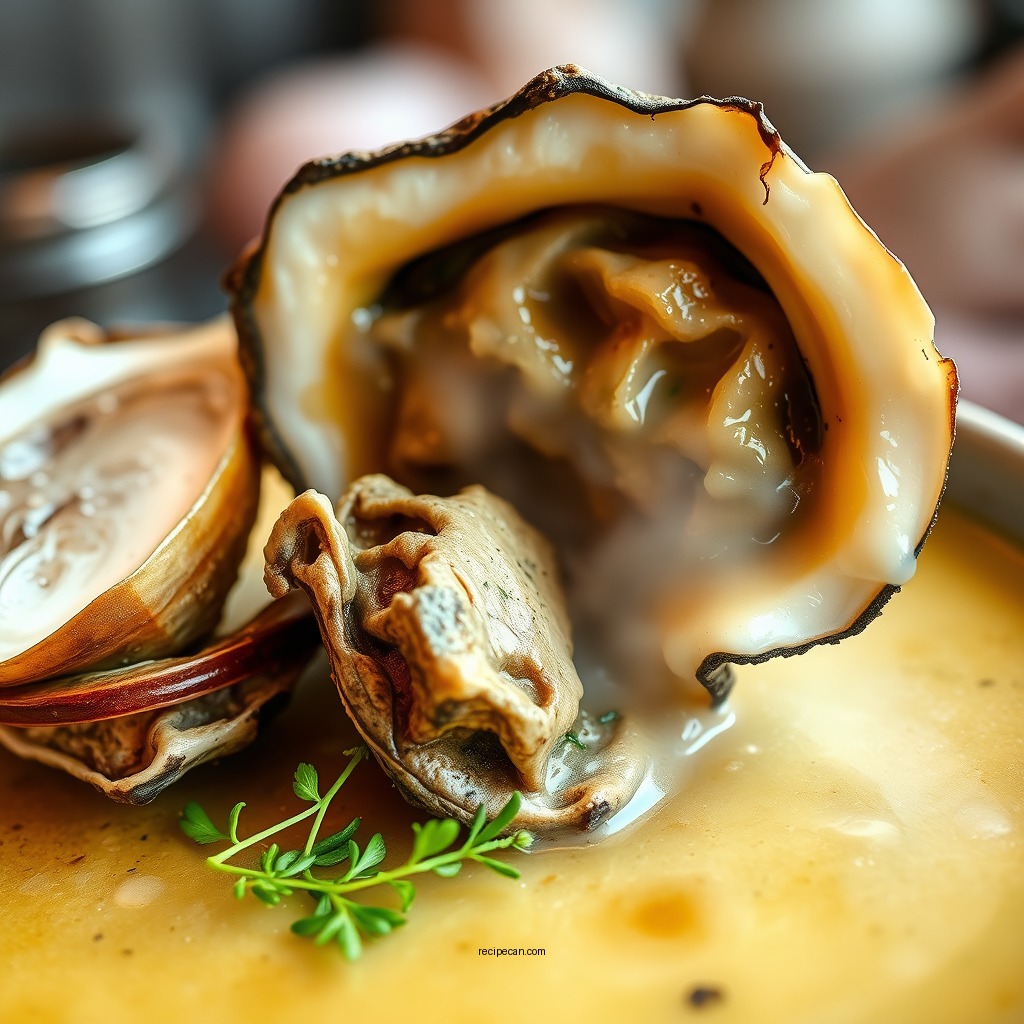
To craft an exceptional New Orleans oyster soup, you will need the following key ingredients:
– Fresh oysters: Opt for high-quality, shucked oysters, as they are the star of the dish. Look for oysters from local Gulf waters if possible, as they provide the best flavor and freshness.
– Aromatics: A combination of onions, celery, and bell peppers, commonly referred to as the “holy trinity” in Cajun cooking, creates a robust flavor base. These vegetables not only add depth but also sweetness to the soup.
– Cream and broth: For that signature richness, combine heavy cream with either seafood or chicken broth. The broth should be well-seasoned to balance the creaminess of the soup.
– Seasonings: Incorporate traditional Cajun spices such as cayenne pepper, thyme, and bay leaves to give the soup an authentic New Orleans flair.
Preparing the Base

The foundation of any great soup lies in its base. Here’s how to prepare it:
– Sauté the aromatics: Begin by heating a few tablespoons of butter in a large pot over medium heat. Add diced onions, chopped celery, and bell peppers. Sauté these vegetables until they become soft and fragrant, typically around 5-7 minutes. This step is crucial as it allows the flavors to meld beautifully.
– Add spices: Once the aromatics are tender, sprinkle in Cajun seasonings such as cayenne pepper for heat and dried thyme for earthiness. A bay leaf can also be added for an aromatic touch. Stir the mixture to ensure the spices coat the vegetables evenly.
Cooking the Oysters
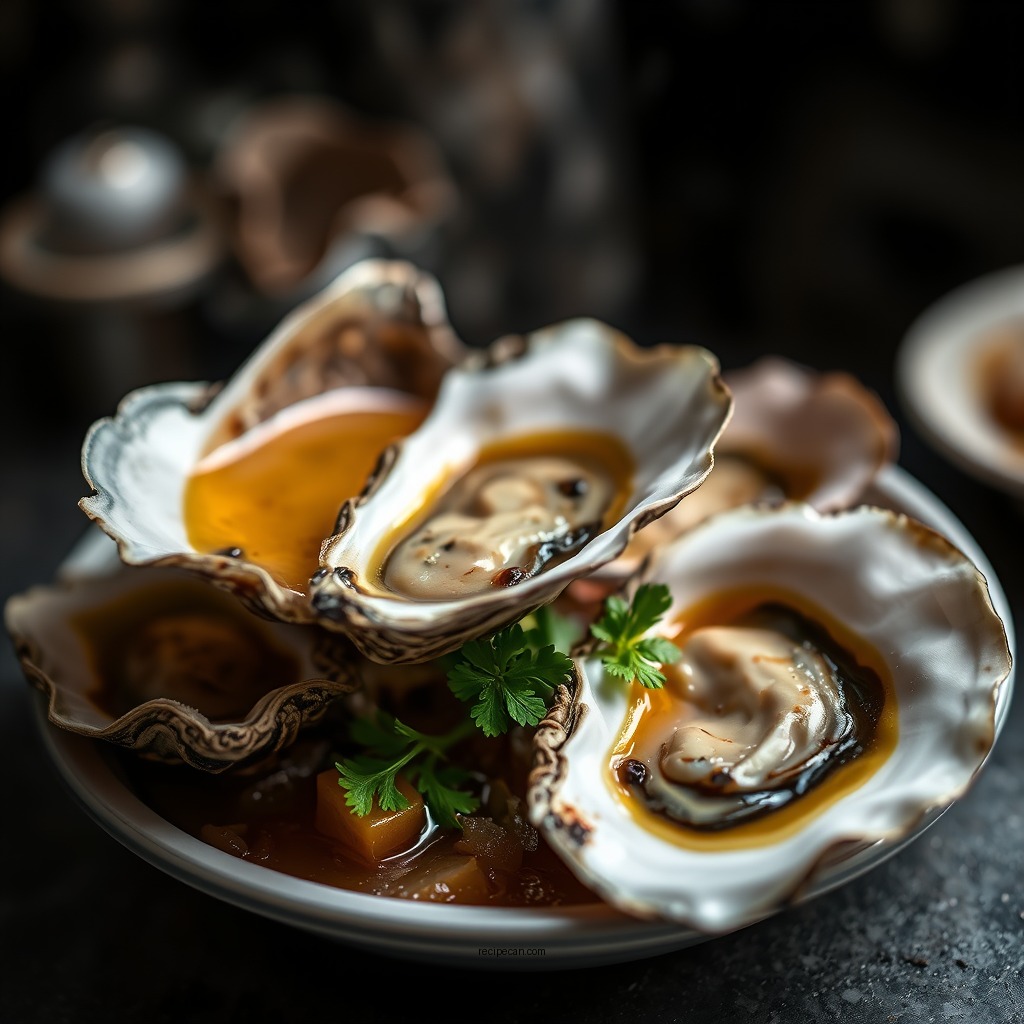
The oysters are the highlight of this dish, and proper cooking is essential:
– Add oysters to the pot: Pour in the broth and bring the mixture to a gentle simmer. Carefully add the fresh oysters to the pot. Cook them just until they curl at the edges, which usually takes about 3-5 minutes. Overcooking can lead to a rubbery texture, so keep a close eye on them.
– Adjust seasoning: After the oysters have cooked, taste the soup and adjust the seasoning as needed. This is the time to add salt and pepper to balance flavors, ensuring the soup is flavorful without overpowering the delicate taste of the oysters.
Thickening the Soup
Achieving the perfect consistency is key to a satisfying oyster soup:
– Use a roux: To thicken the soup, create a roux by melting butter in a separate pan and whisking in an equal amount of flour. Cook this mixture until it turns a light golden brown, which will add depth and richness to your soup. Gradually whisk the roux into the simmering soup until it reaches your desired thickness.
– Blend for smoothness: For a creamier consistency, consider blending a portion of the soup using an immersion blender. This step is optional but can enhance the texture by incorporating some of the solids back into the liquid.
Serving Suggestions
Presentation and pairing can elevate your dining experience:
– Garnish: Serve the soup hot, garnished with freshly chopped parsley or sliced green onions for a pop of color. A drizzle of good quality olive oil or a splash of hot sauce can also enhance the flavor profile.
– Pairing: This soup pairs beautifully with crusty French bread for dipping. For a more complete meal, consider serving it alongside a light salad featuring citrus or vinaigrette flavors. A chilled glass of white wine, such as a Sauvignon Blanc, can complement the dish nicely.
Top Types of Oyster Varieties for Soup (2024)
| # | Oyster Type | Flavor Profile | Texture | Best For |
|---|---|---|---|---|
| 1 | Gulf Oysters | Briny, Sweet | Plump | Raw, Soups |
| 2 | Kumamoto | Nutty, Creamy | Buttery | Soups, Grilled |
| 3 | Pacific Oysters | Mineral, Sweet | Firm | Raw, Soups |
| 4 | Blue Point | Salty, Sweet | Juicy | Raw, Soups |
| 5 | Malpeque | Light, Sweet | Delicate | Raw, Soups |
| 6 | Wellfleet | Briny, Clean | Crisp | Raw, Soups |
| 7 | Pemaquid | Sweet, Creamy | Silky | Soups, Grilled |
Storage and Reheating Tips
Proper storage and reheating can help maintain the quality of your oyster soup:
– Refrigeration: Store any leftover soup in an airtight container and refrigerate it for up to three days. Ensure it cools to room temperature before sealing to prevent condensation, which can dilute the soup.
– Reheat gently: When reheating, do so gently over low heat on the stovetop. Avoid boiling, as this can overcook the oysters and alter the creamy texture of the soup. Stir frequently until warmed through.
In conclusion, enjoying a bowl of New Orleans oyster soup is not merely about savoring its flavors; it’s about connecting with the rich culinary heritage of the region. By following this recipe, you can bring a taste of New Orleans into your kitchen, impressing your guests with both the depth of flavor and the cultural experience it represents. Whether for a cozy family dinner or a festive gathering, this dish promises to satisfy and delight all who partake.
Frequently Asked Questions
What ingredients do I need for a traditional New Orleans oyster soup recipe?
To make a traditional New Orleans oyster soup, you will need fresh oysters, chicken or seafood broth, heavy cream, butter, onions, garlic, celery, green onions, and seasonings like Worcestershire sauce, hot sauce, salt, and pepper. Optional ingredients include thyme, bay leaves, and parsley for added flavor. Fresh herbs and spices are key to capturing the authentic taste of New Orleans cuisine.
How do I prepare oysters for New Orleans oyster soup?
To prepare oysters for your New Orleans oyster soup, start by shucking the fresh oysters, ensuring to reserve their liquor for added flavor in the soup. Rinse the oysters gently under cold water to remove any grit. Dice the oysters into smaller pieces if desired, and set them aside until you’re ready to add them to the simmering soup.
Why is heavy cream important in New Orleans oyster soup?
Heavy cream is crucial in New Orleans oyster soup as it adds richness and a velvety texture to the dish. It balances the brininess of the oysters and enhances the overall flavor profile, making the soup creamy and indulgent. Without heavy cream, the soup may lack the characteristic depth and smoothness that defines this classic New Orleans dish.
What is the best way to serve New Orleans oyster soup?
The best way to serve New Orleans oyster soup is hot, garnished with chopped green onions and fresh parsley for a pop of color and flavor. You can also accompany it with crusty French bread or crackers to soak up the delicious broth. For an extra kick, consider providing hot sauce on the side, allowing guests to customize their heat level.
Which cooking method is recommended for making the perfect oyster soup?
The recommended cooking method for making the perfect New Orleans oyster soup is to sauté your aromatics—such as onions, garlic, and celery—in butter until softened, then add your broth and seasonings. Simmer the mixture gently before stirring in the oysters and cream, allowing everything to cook together just until the oysters are plump and heated through. This method ensures that the flavors meld beautifully without overcooking the delicate oysters.
References
- https://en.wikipedia.org/wiki/Oyster_soup
https://en.wikipedia.org/wiki/Oyster_soup - https://www.nytimes.com/recipes/101982/oyster-soup.html
https://www.nytimes.com/recipes/101982/oyster-soup.html - https://www.verywellfit.com/oyster-soup-recipe-4688532
https://www.verywellfit.com/oyster-soup-recipe-4688532 - https://pubmed.ncbi.nlm.nih.gov/27725378/
https://pubmed.ncbi.nlm.nih.gov/27725378/ - Google Scholar Google Scholar
https://scholar.google.com/scholar?q=new+orleans+oyster+soup+recipe - Google Scholar Google Scholar
https://scholar.google.com/scholar?q=oyster+soup+history - https://www.britannica.com/topic/oyster-soup
https://www.britannica.com/topic/oyster-soup - https://www.sciencedirect.com/topics/agricultural-and-biological-sciences/oyster-soup
https://www.sciencedirect.com/topics/agricultural-and-biological-sciences/oyster-soup - new orleans oyster soup recipe – Search results
https://en.wikipedia.org/wiki/Special:Search?search=new+orleans+oyster+soup+recipe - https://www.ncbi.nlm.nih.gov/search/research-articles/?term=new+orleans+oyster+soup+recipe
https://www.ncbi.nlm.nih.gov/search/research-articles/?term=new+orleans+oyster+soup+recipe
