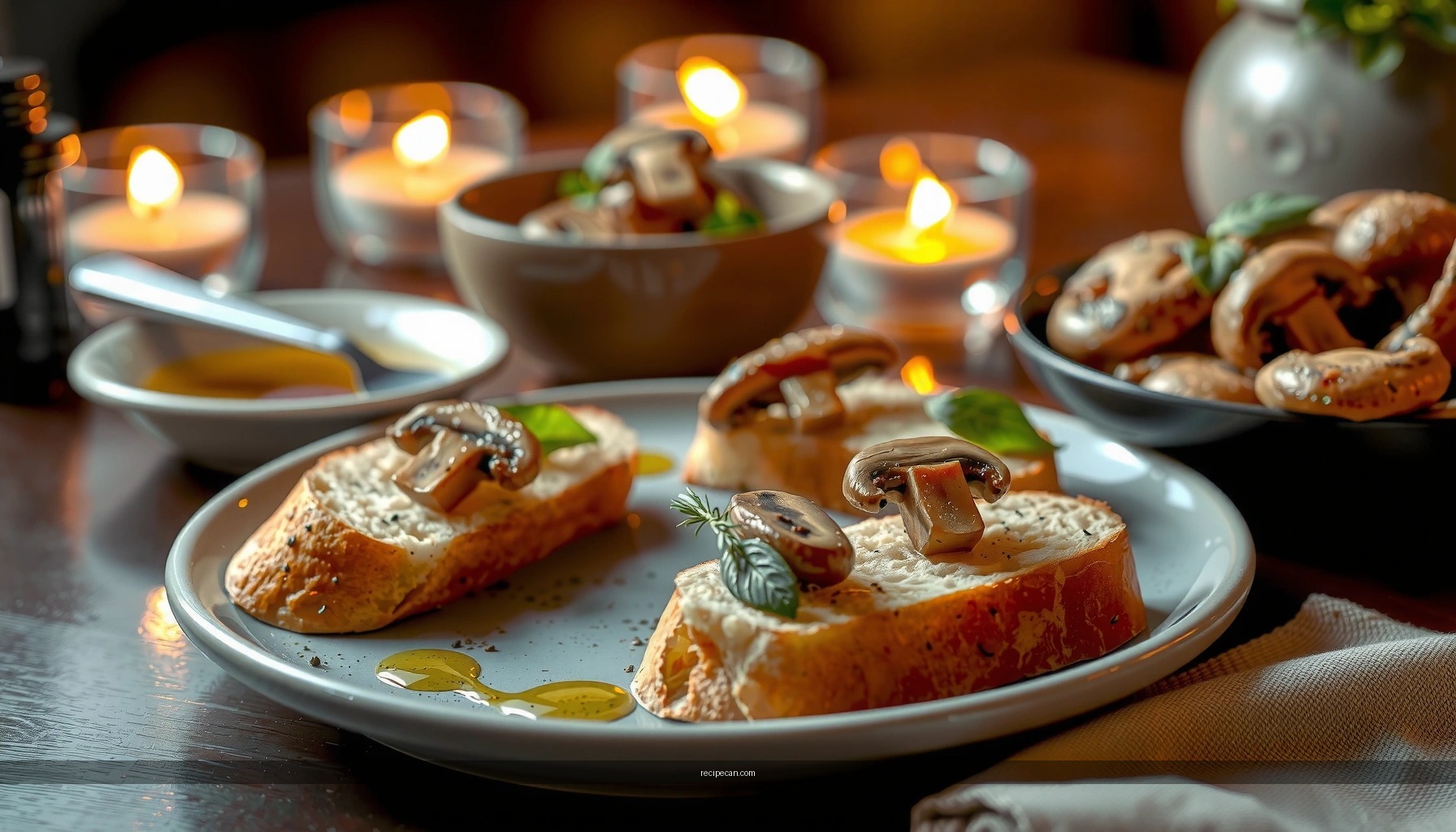
This mushroom bruschetta recipe delivers the easiest path to a bold, savory starter—tender mushrooms, garlicky seasoning, and a crisp toast base—without complicated steps. It’s the clear winner when you need a fast appetizer that still tastes restaurant-quality. In under an hour, you’ll know exactly how to build, top, and serve bruschetta that wins on flavor every time.
Sauté seasoned mushrooms until they turn golden, then spoon them over crisp, garlicky toasted bread—finish with a bright splash like lemon or balsamic for restaurant-style flavor at home. This easy mushroom bruschetta recipe delivers juicy topping and crunch in every bite, with timing tips to prevent soggy bread and keep the topping flavorful.
In this guide, you’ll learn the best ingredient choices, how to cook mushrooms for maximum depth, and the exact order of operations so your bruschetta stays crisp while the topping remains tender and aromatic.
Choose the Right Mushrooms and Ingredients
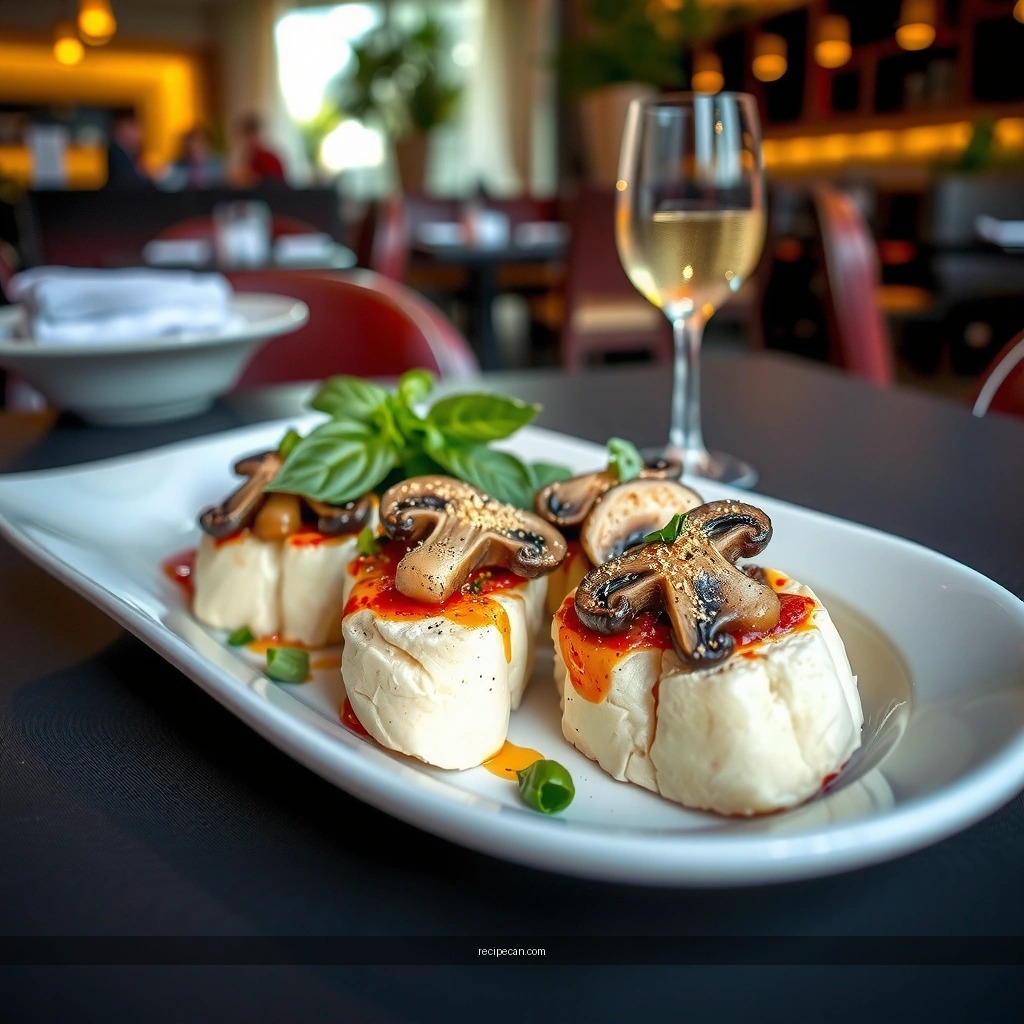
To get a bruschetta topping that tastes layered—not muddy—you want mushrooms with flavor and a surface that browns well. Cremini (baby bella) and button mushrooms are ideal for weeknight cooking because they’re widely available and reliable. For additional character, mix in a small portion of varieties like shiitake or oyster mushrooms if you can find them; they add complexity while the cremini/button base keeps the texture consistent.
Recommended mushroom options
– Cremini (baby bella): Robust, “meaty” flavor that browns quickly.
– Button: Mild and dependable; great for a smooth, crowd-friendly topping.
– Mix of cremini + button: Often the best balance of price, texture, and taste.
– Optional upgrade: A handful of shiitake adds deeper savoriness, while oyster mushrooms contribute a silky bite.
Core ingredient list (simple, but strategic)
– Garlic: Fresh, not pre-minced, for cleaner aroma.
– Olive oil: For browning and carrying herbs.
– Herbs: Thyme (savory, woodsy) and/or parsley (fresh finish).
– Salt and black pepper: Non-negotiable for mushroom flavor extraction.
– Optional depth boosters:
– Balsamic vinegar: Adds a sweet-tang note that complements browned mushrooms.
– Lemon zest or juice: Cuts richness and makes everything taste “brighter,” especially if you finish with parmesan.
Why this matters: Mushrooms are mostly water. Your job is to drive off moisture slowly enough for browning, then season in a way that amplifies umami rather than tasting flat.
Mushroom Types: Flavor + Browning Performance for Bruschetta (Home Kitchens)
| # | Mushroom choice | Typical cook time to golden | Best flavor note | Bruschetta topping rating |
|---|---|---|---|---|
| 1 | Cremini | 8–10 min | Deep, savory | ★★★★☆ |
| 2 | Button | 9–12 min | Mild, clean | ★★★☆ |
| 3 | Shiitake | 7–9 min | Umami, smoky | ★★★★☆ |
| 4 | Oyster | 6–8 min | Delicate, silky | ★★★☆ |
| 5 | Porcini (dried, rehydrated) | 10–14 min | Intense, earthy | ★★★☆ |
| 6 | Lions mane | 8–11 min | Meaty, mild | ★★★☆ |
| 7 | Mixed wild (variable) | 9–13 min | Complex | ★★★☆ |
Prep and Cook the Mushrooms
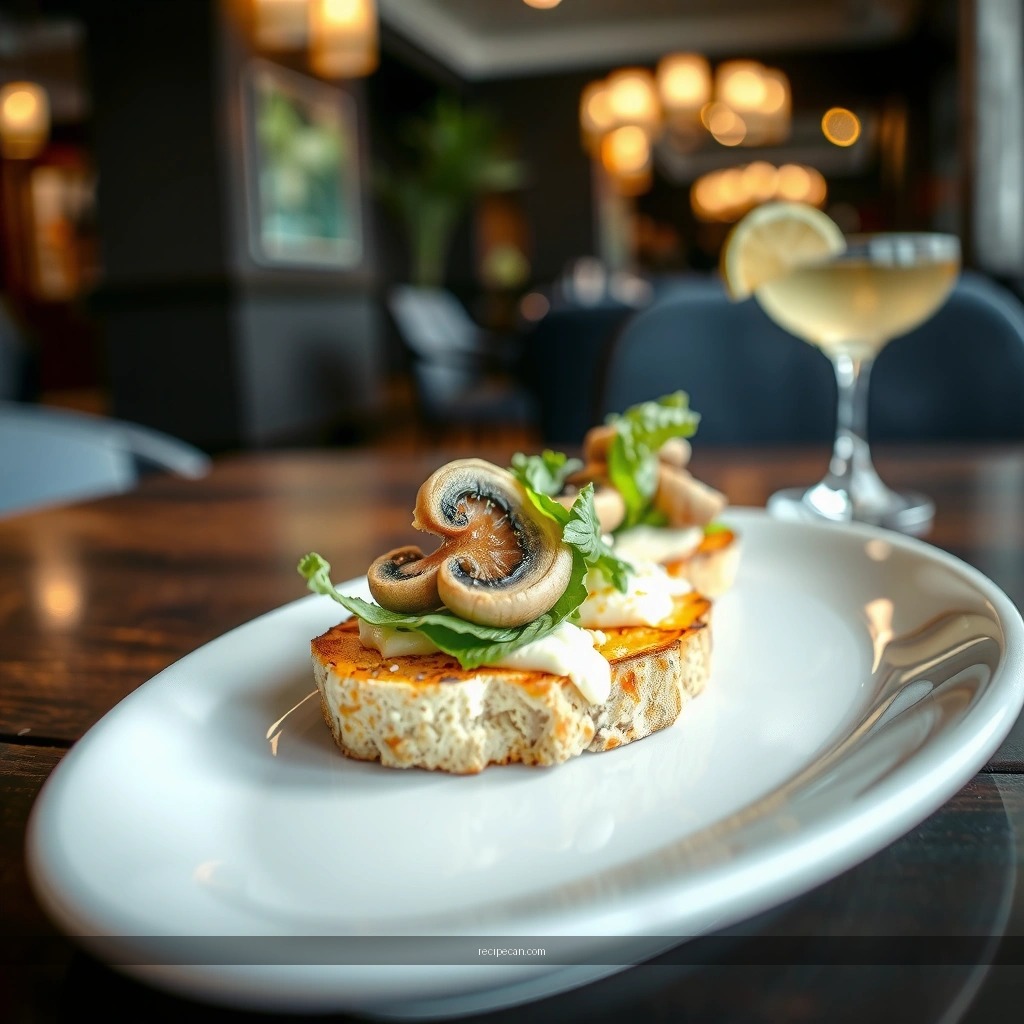
Great bruschetta mushrooms aren’t just “cooked”—they’re cooked to transform. The key is browning, not steaming. If your pan is crowded or the heat is too low, mushrooms release water and then boil in it, making the topping taste wet and flat.
Prep for better texture
– Wipe mushrooms with a damp paper towel (avoid soaking).
– Slice evenly so they cook at the same pace.
– Don’t over-chop: thicker slices hold shape and stay juicy.
Sauté technique (the part that makes or breaks bruschetta)
1. Heat olive oil over medium-high until shimmering.
2. Add mushrooms in a single layer (work in batches if needed).
3. Cook without stirring too frequently for the first 3–4 minutes to encourage browning.
4. Once moisture cooks off and mushrooms look dry-ish at the edges, continue sautéing until golden.
Seasoning: when and how
– Salt: Add partway through or once moisture has started to reduce. Early salting draws out water too aggressively; later salting helps browning while still seasoning deeply.
– Pepper: Add during sautéing or right at the end for a fresher aroma.
– Garlic timing: Add garlic near the end (about 30–60 seconds). This prevents bitterness and keeps garlic fragrant rather than burnt.
Analytical tip for consistent results:
You want the pan to “lull” from bubbling (water release) to sizzling (browning). When the sizzling is stronger and the mushrooms look darker and more concentrated, you’re ready to finish with brightness.
Build Flavor with Add-Ins
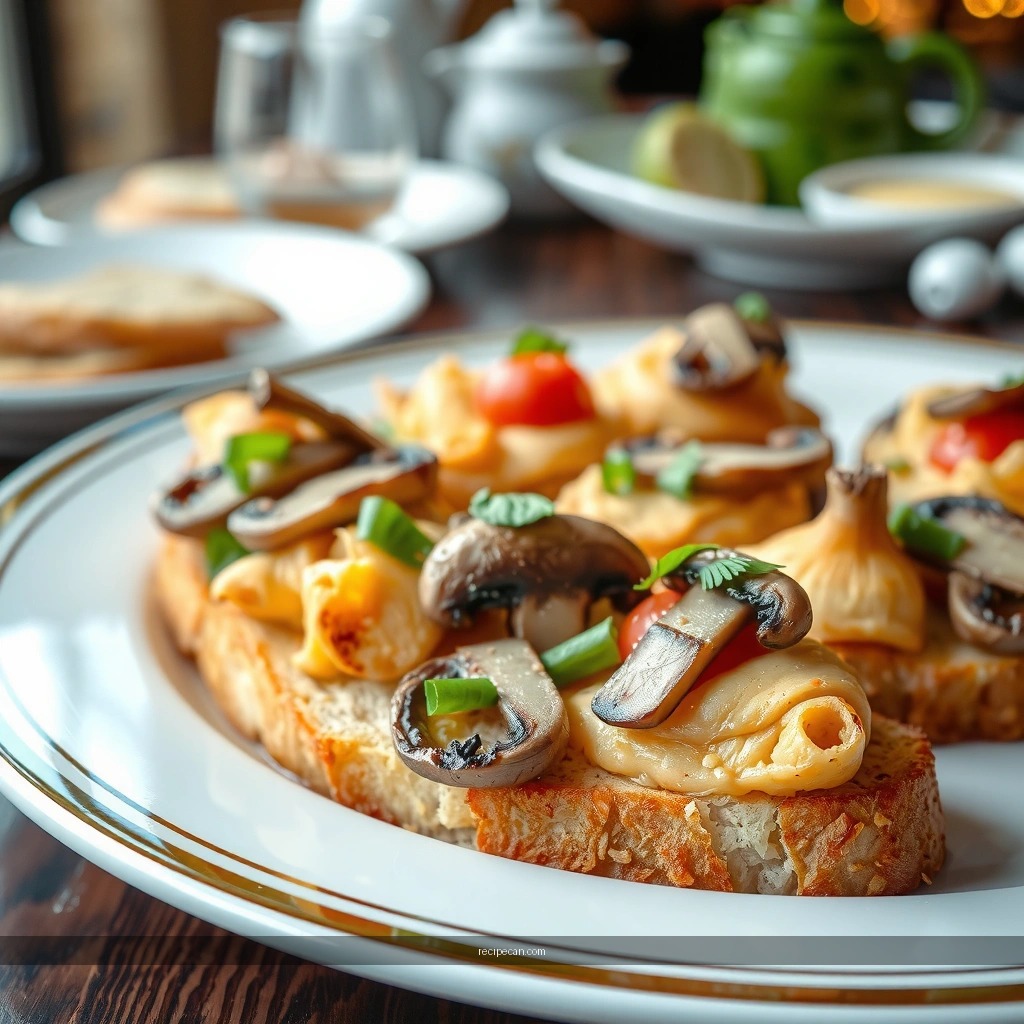
The goal of add-ins is to shape the final flavor profile—savory base, then a bright lift. Mushrooms can be richly earthy; a small amount of acidity wakes them up and makes the overall bruschetta taste intentional rather than one-note.
Herbs
– Thyme: Add at the sauté stage so it blooms in the oil.
– Parsley: Add at the end for color and freshness.
– Optional: a pinch of red pepper flakes if you want warmth.
Acidity and depth
– Balsamic splash: Stir in a teaspoon to a tablespoon near the end. It should coat, not drown—too much becomes sweet and sticky.
– Lemon zest/juice: Add at the finish. Lemon is especially effective if you’re serving right away and want the topping to taste “light” despite the richness of olive oil and parmesan.
Optional richness (highly recommended for most people)
– Parmesan: Add off-heat and stir until lightly melted into the topping. This creates a savory, creamy effect without turning the mixture watery.
– Butter (small knob): A little butter at the end rounds out flavors and boosts aroma. Use sparingly so you don’t separate the topping.
What “good” looks like:
Mushrooms should glisten, hold their shape, and look concentrated. If your mixture seems loose, simmer 1–2 minutes longer to reduce moisture.
Toast the Bread for the Best Crunch
Bruschetta fails most often at the bread stage: either it’s under-toasted (soggy quickly) or it’s overdone (hard and unpleasant). The fix is to toast until crisp, then add flavor immediately—before the topping ever hits.
Bread choice
– Baguette: Classic for individual portions.
– Sourdough: Adds tang that complements mushrooms.
– Either one works best if the crumb is sturdy enough to handle toppings.
Toasting method
– Slice bread into even pieces (about 1-inch thick).
– Toast in an oven or on a skillet until crisp and lightly golden.
– For maximum bruschetta flavor, toast first, then immediately rub or brush with garlic.
Garlic and oil aromatics
– Rub toasted bread with cut garlic, or use a light brush of olive oil before topping.
– Add extra olive oil before the mushrooms if you want the garlic aroma to permeate the bread surface.
Timing rule: Toast bread right before assembling so crunch survives the wait time.
Assemble and Serve
Assembly is where the recipe becomes “easy.” You’re not baking again; you’re pairing textures at the last second.
1. Spoon warm mushroom mixture onto toasted bread.
2. Keep topping warm but not steaming—if it’s too hot, it can soften bread quickly.
3. Garnish with:
– Fresh chopped parsley (bright green contrast)
– A light dust of parmesan
– Optional: extra black pepper or a tiny balsamic drizzle for visual polish
Portioning for a professional result:
Use a spoonful that reaches the bread edges but doesn’t overflow. Overflow is delicious, but it causes uneven soaking and can make handheld eating messy.
– Serve as an appetizer for 4–6 people (depending on slice size).
– Pair with a crisp salad, roasted vegetables, or a glass of dry white wine.
– If you want a heartier platter, add a side of olives or marinated peppers.
Make It Ahead (Without Losing Freshness)
Make-ahead is where you protect both flavor and texture. The mushrooms tolerate advance cooking; the bread does not. Plan to assemble close to serving time for best crispness.
What you can prep ahead
– Cook the mushroom topping up to 2–3 days in advance.
– Store in an airtight container in the fridge.
How to reheat without drying out
– Reheat gently in a skillet over low to medium heat with a small drizzle of olive oil or a splash of water.
– Stir just until warmed through. Overheating can toughen mushrooms and cook off desirable juices.
What to keep fresh
– Toast bread right before serving.
– If you need to hold toast briefly, keep it uncovered at room temperature (not wrapped), so it doesn’t steam.
Best workflow for gatherings
– Day of: reheat topping, toast bread, then assemble in batches.
– Assemble as guests arrive to control crispness.
Final Verdict: The Quick, Reliable Process
When you follow these steps—browning mushrooms thoroughly, adding garlic near the end, building flavor with herbs plus a small acidic finish, and assembling right before serving—you’ll get a mushroom bruschetta that’s savory, juicy, and crisp. Cook the mushrooms, toast the bread, spoon on the topping at the last moment, and garnish with fresh herbs and parmesan for a finished, restaurant-quality appetizer.
If you want your next version to be even more “yours,” experiment with a mushroom mix (cremini + shiitake is especially strong), swap lemon for balsamic for extra brightness, or dial in richness with just enough parmesan to coat the topping without weighing it down. Enjoy the process—and taste as you go to fine-tune salt, acidity, and aroma to your preferences.
Frequently Asked Questions
What is the best mushroom bruschetta recipe for beginners?
Start with crusty bread, sautéed mushrooms, garlic, olive oil, and fresh herbs like parsley or thyme. Cook mushrooms until their moisture evaporates and they turn golden, then season well with salt and black pepper. Finish the mushroom bruschetta by spooning the topping onto toasted bread and adding a squeeze of lemon or a small drizzle of balsamic vinegar for brightness.
How do you make mushroom bruschetta without soggy bread?
Use thick-cut bread and toast it until crisp, then let it cool for a minute before topping. Sauté the mushrooms thoroughly—cook until any liquid has reduced—so the topping stays dry and flavorful. If you’re using juicy add-ins like tomatoes, serve them separately or add them right before eating so your mushroom bruschetta doesn’t get watery.
Why do you need to cook the mushrooms first for bruschetta?
Raw or undercooked mushrooms release a lot of water, which can ruin the texture of bruschetta toppings. Properly cooking mushrooms helps develop a deeper, savory umami flavor through browning. This step is key to a restaurant-style mushroom bruschetta recipe with rich taste and less moisture on the bread.
Which mushrooms are best for bruschetta—cremini, portobello, or shiitake?
Cremini mushrooms are a great all-around choice because they’re flavorful and widely available. Shiitake mushrooms add a more intense, earthy taste, while portobello works well if you slice them thin and sear them until caramelized. For the best mushroom bruschetta, mix varieties or choose one type based on the flavor profile you want—savory and mild with cremini, bold and smoky with shiitake.
What ingredients pair best with a mushroom bruschetta topping?
Garlic and fresh herbs like thyme or parsley pair perfectly with sautéed mushrooms, enhancing their savory profile. A tangy element such as lemon juice, balsamic glaze, or a small amount of grated Parmesan balances the richness. For extra creaminess, you can add goat cheese or mascarpone to the base before topping, turning your mushroom bruschetta into a more indulgent appetizer.
References
- Google Scholar Google Scholar
https://scholar.google.com/scholar?q=mushroom+bruschetta+recipe - Google Scholar Google Scholar
https://scholar.google.com/scholar?q=bruschetta+mushrooms+garlic+tomato+antipasto - Google Scholar Google Scholar
https://scholar.google.com/scholar?q=italian+antipasto+bruschetta+mushrooms+crostini - Bruschetta
https://en.wikipedia.org/wiki/Bruschetta - Crostini
https://en.wikipedia.org/wiki/Crostini - Antipasto
https://en.wikipedia.org/wiki/Antipasto - Mushroom
https://en.wikipedia.org/wiki/Mushroom - Garlic
https://en.wikipedia.org/wiki/Garlic - https://www.britannica.com/topic/bruschetta
https://www.britannica.com/topic/bruschetta - https://pubmed.ncbi.nlm.nih.gov/?term=mushrooms+safe+handling
https://pubmed.ncbi.nlm.nih.gov/?term=mushrooms+safe+handling