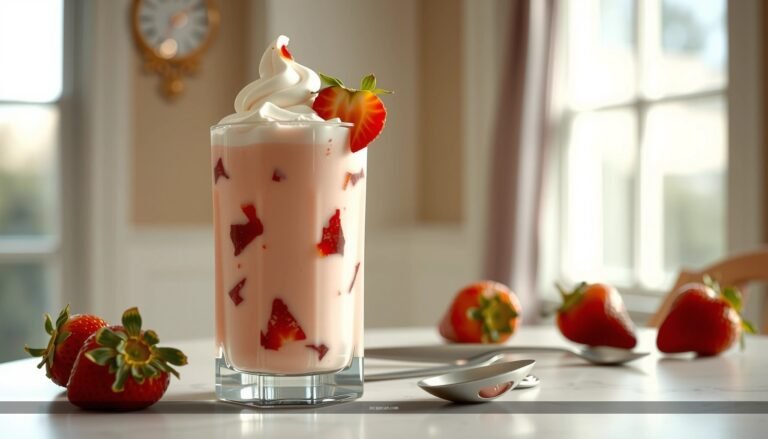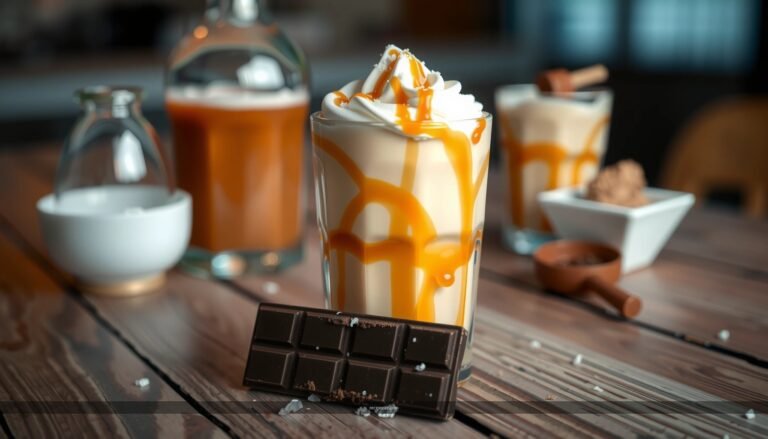
Want a milkshake from ice cream recipe that delivers a thick, spoonable shake with real scoop-to-glass flavor? This method tells you exactly how to turn store-bought ice cream into a classic, dairy-rich milkshake—using the right amount of milk and the best blending time for smooth results. Follow it and you’ll get the winner: a consistently creamy milkshake that tastes like you made it at your favorite counter.
A milkshake from an ice cream recipe is simple: blend your favorite ice cream with cold milk until smooth, then adjust thickness with small ratio changes. In this guide, you’ll get the exact starting measurements, a repeatable blending method for a thick, creamy texture, and practical mix-in and topping ideas to make each batch taste intentionally crafted.
Choose the Right Ice Cream

– Pick a flavor you love (vanilla is classic for mixing)
– Aim for ice cream that’s creamy, not overly icy
– Let it soften slightly for easier blending
Choosing the right base is where “average” becomes “restaurant-quality.” A good milkshake starts with ice cream that has enough fat and stabilizers to emulsify smoothly. Ice cream that’s very icy (often lower-fat or less creamy) tends to produce a thin, grainy shake that won’t hold thickness.
What to look for
1. Creaminess over “hardness.” If the ice cream feels rock-solid straight from the freezer, it will take longer to blend and may leave tiny ice crystals.
2. Higher-fat texture blends better. Even without getting overly technical, generally creamier ice creams melt more evenly in a blender.
3. Flavor flexibility. Vanilla is ideal because it acts like a “mixing base” for chocolate syrup, cookie pieces, and fruit. But you can absolutely go bold—just plan your add-ins accordingly.
Soften—but don’t melt
– Let ice cream soften 5–10 minutes at room temperature (or until the surface yields to a spoon).
– If it melts completely, you’ll lose some structure and your milkshake may taste lighter and less thick even if the ratio is correct.
Operational tip (for consistency): If you’re making milkshakes for a group, portion the ice cream into scoops first. That way, each serving is roughly the same volume and softens at the same pace.
Get the Milkshake Ratio Right
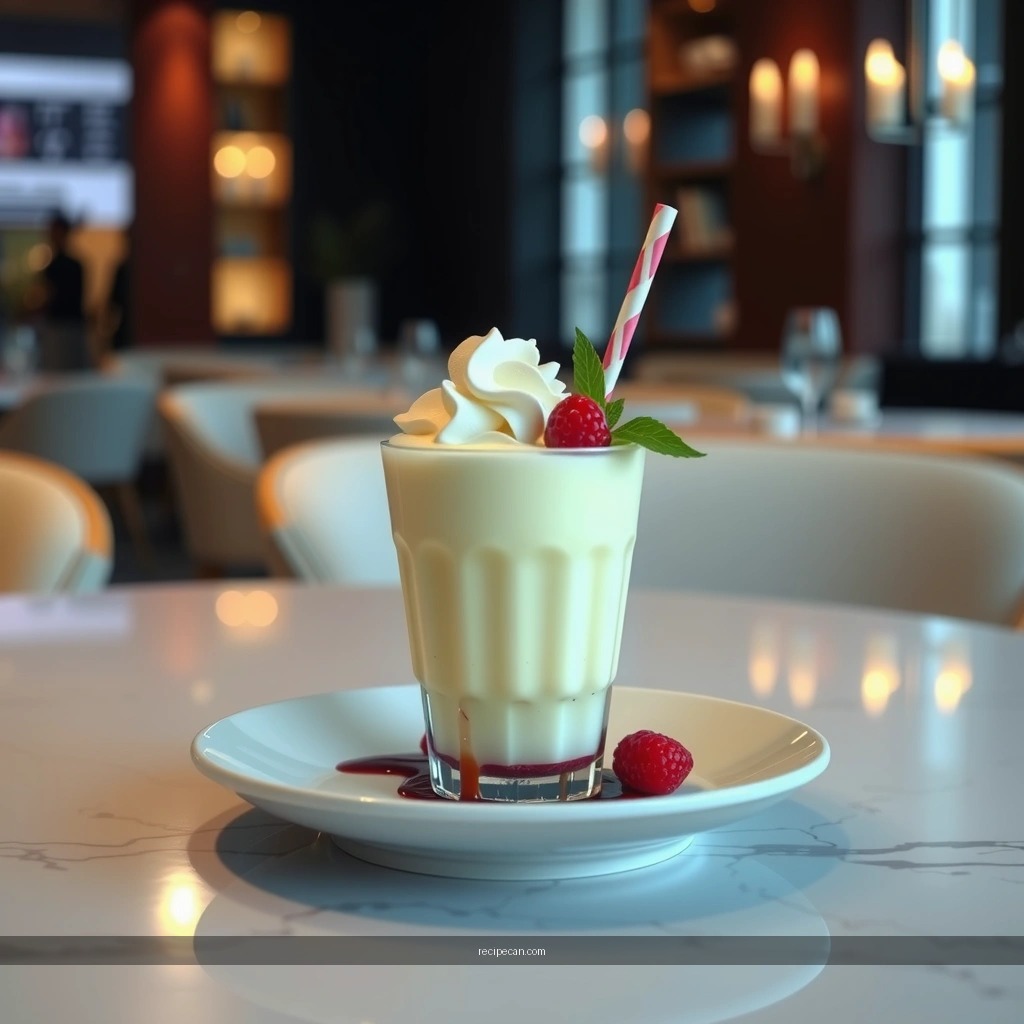
– Start with 2 cups ice cream to 1/3–1/2 cup milk
– Add milk gradually until you reach your preferred thickness
– Use cold milk for a thicker shake
The ratio is the main lever for thickness. The goal isn’t to “add milk until it looks right”—that approach can lead to inconsistent results. Instead, start with a strong base, then dial in texture with incremental adjustments.
Recommended starting ratio (for 2 standard servings):
– 2 cups ice cream
– 1/3 cup milk for a thick milkshake
– 1/2 cup milk for a slightly looser (still creamy) texture
Why gradual addition matters
Milk doesn’t just thin the shake—it also changes how quickly the ice cream melts and how evenly it emulsifies. If you add too much milk at once, you’ll end up with a shake that looks smooth but feels watery as it sits.
Milk temperature
– Cold milk helps keep the mixture thick and slows melting.
– If your milk is warm, the shake can become thin quickly even if you measure correctly.
Milkshake Thickness Targets (Using the Same Base)
Use the table below as a repeatable “spec sheet” for thickness. Since people differ on what “thick” means, this gives you an analytical way to pick your target texture before you blend.
Milk-to-Ice Cream Ratios for Consistent Thickness (1 Batch)
| # | Target Texture | Ice Cream (cups) | Milk (cups) | Expected Consistency | Blend Ease |
|---|---|---|---|---|---|
| 1 | Ultra-Thick “Spoon-Stand” | 2.0 | 0.33 | Holds peaks | ★★★☆ |
| 2 | Thick & Creamy | 2.0 | 0.40 | Smooth, slow pour | ★★★★☆ |
| 3 | Classic Milkshake | 2.0 | 0.45 | Thick, spoonable | ★★★★☆ |
| 4 | Creamy & Drinkable | 2.0 | 0.50 | Pourable, smooth | ★★★★★ |
| 5 | Loose (Not Recommended) | 2.0 | 0.60 | Thin, melts faster | ★★☆☆☆ |
| 6 | Extra-Thick for Shakes to Go | 2.0 | 0.36 | Stays thick longer | ★★★☆☆ |
| 7 | Very Thick (High Control) | 2.0 | 0.35 | Dense, spoon-resistant | ★★★☆☆ |
Blend for a Thick, Creamy Texture
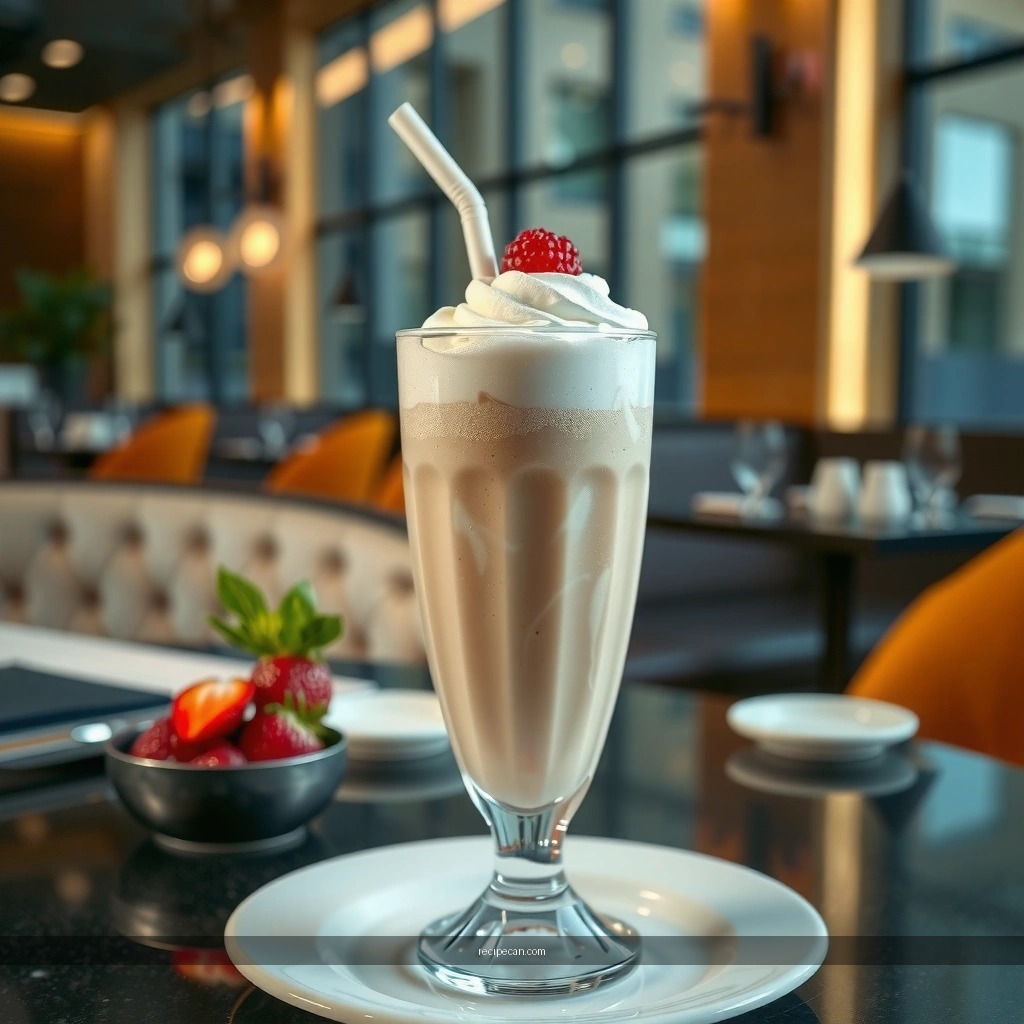
– Blend until smooth and fully combined
– Stop and scrape the sides once for even consistency
– For extra thickness, add more ice cream; for smoother texture, add a splash more milk
Even with the right ratio, the blending process determines whether your milkshake is silk-smooth or uneven. Think of blending as two tasks: incorporation (getting milk and ice cream to emulsify) and crystal reduction (breaking down ice and aerating).
Step-by-step blending method
1. Start on low or “pulse.” This prevents ice cream from sticking to the blades before it’s hydrated by milk.
2. Blend 20–40 seconds, then stop.
3. Scrape the sides once with a spatula.
4. Blend another 15–30 seconds until the shake looks uniform and glossy.
Adjust like a pro
– If it’s too thick: add 1 tablespoon milk at a time, blend 5–10 seconds, then reassess.
– If it’s too thin: add 1–2 tablespoons ice cream, blend briefly.
Watch the time
Milkshakes don’t stay perfect forever. Once blended, they slowly melt and lose thickness. For best results, serve immediately—especially if you’ve built the shake to the ultra-thick end of the spectrum.
Add Flavor and Mix-Ins

– Stir in chocolate syrup, cookie pieces, or fruit
– For spice or richness, add a pinch of salt or vanilla extract
– Keep add-ins small so they blend evenly
Mix-ins are where your milkshake becomes a tailored “flavor system,” not just ice cream plus milk. The main technical challenge is texture control: add-ins should enhance flavor without creating chunks that remain unmixed.
Reliable mix-in strategy
– Choose one main flavor (e.g., chocolate syrup or fruit puree).
– Add one texture element (e.g., cookie crumbs, brownie bits, chopped strawberries).
– Keep pieces small: aim for crumb-sized or thin slices so they blend evenly.
High-impact flavor boosters
– Pinch of salt: Intensifies sweetness and chocolate notes without making it taste salty.
– Vanilla extract: Strengthens vanilla ice cream flavors and makes other flavors taste more rounded.
– Cocoa powder (for chocolate shakes): Works well when mixed into syrup first, then added—this helps prevent dry clumps.
Practical examples
– Chocolate: chocolate syrup + cocoa powder (tiny amount) + chocolate wafer crumbs
– Cookie: crushed chocolate cookies + vanilla extract + minimal milk adjustment if needed
– Fruit: strawberry syrup or a small spoon of fruit preserves + chopped frozen berries
Operational note: If using thick syrups, you may need slightly less milk than planned because syrup adds both flavor and viscosity.
Serve with Delicious Toppings
– Top with whipped cream, sprinkles, or chocolate shavings
– Add a drizzle (caramel, fudge, or strawberry sauce) for extra flavor
– Serve immediately for the best texture
Toppings are the finishing layer that affects both perceived taste and texture. A strong approach is to match topping textures with the internal texture of your milkshake: thick shakes pair well with crunchy or decorative toppings, while thinner shakes benefit from lighter, more delicate finishes.
Classic topping combinations
– Whipped cream + sprinkles: Bright, fun, and texturally balanced.
– Chocolate shavings + fudge drizzle: Deep flavor and visual richness.
– Fresh fruit + caramel swirl: Works especially well with vanilla or strawberry bases.
– Drizzle sauce along the inside of the glass before pouring (if your shake is thick enough). This creates flavor “layers” from the first sip.
– If you’re serving immediately, keep toppings ready to apply right after blending—otherwise sprinkles can soften.
Timing
For the best thickness and mouthfeel, serve right away. As the milkshake melts, toppings may sink or dissolve, reducing both texture contrast and visual appeal.
Easy Variations to Try
– Chocolate milkshake: use chocolate ice cream and cocoa or syrup
– Strawberry: blend with strawberry ice cream or fresh/frozen berries
– Classic malt-style: add a malt powder splash (optional)
Once you’ve mastered the base ratio, variations become straightforward. Use the same blending method and adjust only the flavor ingredients and (sometimes) the final milk amount based on how “wet” or “thick” your add-ins are.
1) Chocolate milkshake
– Use: chocolate ice cream
– Add: 1–2 tablespoons chocolate syrup (plus optional cocoa powder)
– If needed: reduce milk slightly if syrup is thick
2) Strawberry milkshake
– Use: strawberry ice cream OR blend in fresh/frozen berries
– If using berries: consider blending berries first with a small splash of milk to smooth them, then add the remaining ice cream
– Keep fruit pieces small for an even texture
3) Classic malt-style
– Use: vanilla ice cream as the base
– Add: malt powder (start with a small splash and taste)
– This variation benefits from a slightly thicker ratio so the malt flavor doesn’t get diluted
Consistency principle: In every variation, start with the recommended ratio, then adjust in small increments. That’s how you keep results reliable—important if you’re cooking for multiple people or repeating the recipe over time.
A milkshake from an ice cream recipe comes down to the right blend: ice cream, milk, and a few smart tweaks for thickness and flavor. Use the ratio as your starting point, blend with a brief pause and side scraping for a smooth emulsion, and then refine with targeted mix-ins and purpose-built toppings. Make your next batch today, and you’ll quickly find the thickness “sweet spot” your household prefers—repeatable, controllable, and reliably creamy.
References
- Milkshake
https://en.wikipedia.org/wiki/Milkshake - Ice cream
https://en.wikipedia.org/wiki/Ice_cream - https://www.britannica.com/topic/milkshake
https://www.britannica.com/topic/milkshake - Ice cream | Definition, History, & Production | Britannica
https://www.britannica.com/topic/ice-cream - https://pubmed.ncbi.nlm.nih.gov/?term=milkshake+ice+cream
https://pubmed.ncbi.nlm.nih.gov/?term=milkshake+ice+cream - Search: milkshake composition – NLM
https://www.ncbi.nlm.nih.gov/search/all/?term=milkshake+composition - Google Scholar Google Scholar
https://scholar.google.com/scholar?q=milkshake+ice+cream+recipe - Google Scholar Google Scholar
https://scholar.google.com/scholar?q=homemade+milkshake+technique+blending+ice+cream - Google Scholar Google Scholar
https://scholar.google.com/scholar?q=ice+cream+emulsion+structure+milkshake - https://www.ncbi.nlm.nih.gov/pmc/?term=ice+cream+emulsion+stabilization
https://www.ncbi.nlm.nih.gov/pmc/?term=ice+cream+emulsion+stabilization