Learn how to make a creamy, classic milk tea with a foolproof milk-to-tea ratio and the right brewing time for a bold but smooth cup. This milk tea recipe walks you step by step to achieve the signature flavor and silky texture—no guessing, no watered-down results. You’ll know exactly what to do from steep to stir to serve so your milk tea tastes like the best café version at home.
Make creamy, classic milk tea at home by brewing strong black tea, then mixing it with milk and sweetener in the right proportions—finally serving over ice for a smooth, balanced finish. In the steps below, you’ll get a practical tea-to-milk ratio, exact mixing guidance, and troubleshooting tips so your homemade milk tea tastes like the café version every time.
Choose Your Tea and Sweetener

For classic milk tea, the tea base is the main driver of flavor. Most traditional milk teas use black tea because it provides bold, malty, slightly tannic structure that stands up well to milk and sugar. Common choices include assam, ceylon, or a tea labeled specifically for “milk tea” blends. If you want a more floral profile, you can mix black tea with a small amount of earl grey (go easy on bergamot—milk can mute it).
Next, pick a sweetener that matches the texture and mouthfeel you want:
– Sugar (white or brown): Clean sweetness and easy control. Brown sugar adds a mild caramel note that complements Assam.
– Honey: Adds floral complexity and dissolves smoothly, but it can mute some tea brightness if you overdo it.
– Condensed milk: Delivers the richest “classic” creaminess. Because it’s already thick and sweetened, it also thickens the drink without extra milk.
Actionable guideline: If you’re aiming for the most “cream-forward” classic taste, start with condensed milk + milk. If you want a lighter, more tea-forward profile, use sugar and reduce condensed milk (or skip it).
To help you choose quickly based on business-style flavor consistency, here’s a practical “tea + sweetener” decision snapshot.
Milk Tea Base Targets for a Classic Cup (Per 1 Serving, ~12 oz / 355 ml)
| # | Tea Type | Tea Amount | Milk Amount | Sweetener Amount | Cup Style Fit |
|---|---|---|---|---|---|
| 1 | Assam Black Tea | 3 g (1 tsp) | 150 ml | 12 g sugar | |
| 2 | Ceylon Black Tea | 3 g (1 tsp) | 160 ml | 10 g brown sugar | |
| 3 | Black Tea Blend (Milk Tea) | 2.5 g | 140 ml | 35 g condensed milk | |
| 4 | Assam + 10% Darjeeling | 3 g total | 150 ml | 15 g honey | |
| 5 | Decaf Black Tea (Optional) | 3.5 g | 150 ml | 12 g sugar | |
| 6 | Ceylon + Spice Tea (Light) | 3 g | 160 ml | Reduce sugar: 8 g | |
| 7 | Assam for Strong Classic | 4 g | 130 ml | 15 g brown sugar |
Brew the Tea Correctly
The most common reason homemade milk tea tastes “off” is tea strength. Milk and sugar can smooth harsh notes—but they can’t fully fix weak tea. For classic milk tea, you typically want a stronger brew than you’d drink straight.
A reliable brewing approach:
1. Heat water to a near-boil (about 95–100°C / 203–212°F).
2. Add black tea at about 2.5–4 g per 12 oz cup (use the table above as a starting point).
3. Steep 3–5 minutes:
– 3 minutes = lighter, more drinkable if you prefer tea notes.
– 4–5 minutes = classic café intensity.
4. Strain and, importantly, cool slightly before adding milk.
Why “cool slightly” matters: hot tea plus cold milk doesn’t usually “curdle” if handled properly, but very high temperatures can create an overly flat or cooked flavor. Let brewed tea sit for 2–3 minutes, then mix.
If you’re using tea bags: follow the time on the box, but consider steeping a little longer for a stronger base. (Tea bags often under-dose compared to loose leaf.)
Mix Milk Tea to Get the Perfect Creaminess
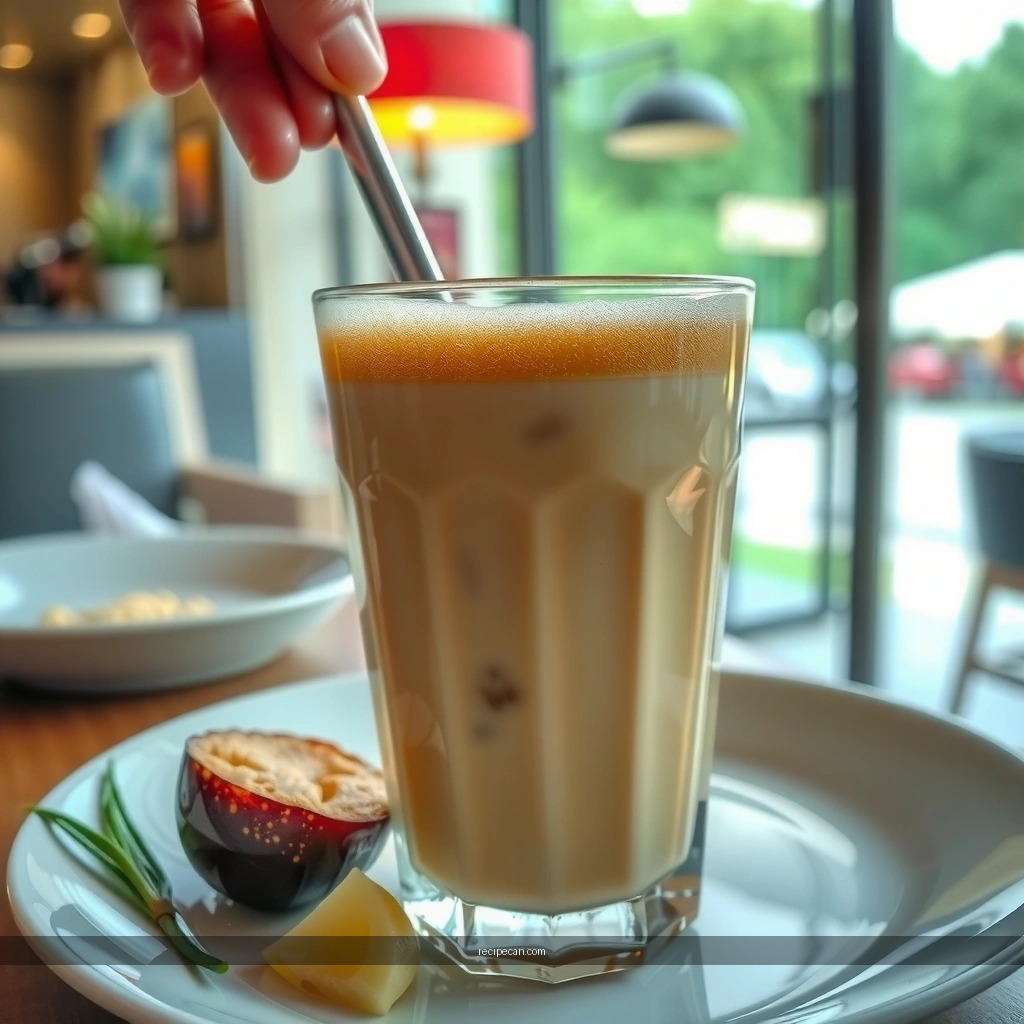
Creaminess comes from two things: fat content and solids (sweeteners like condensed milk). Start with your brewed tea, then add dairy and sweetness until the drink looks cohesive and smooth.
A practical mixing method for one serving (~12 oz / 355 ml):
– Brew black tea with your chosen tea quantity (above).
– Add milk first, then sweetener, and stir until fully dissolved.
– Final consistency should look uniform, not watery, and smell balanced (tea first, milk second, sweetness last).
Typical mixing ratios:
– Classic balanced: ~120–160 ml milk to a strong black tea base.
– More cream-forward: use condensed milk and slightly less regular milk.
– More tea-forward: reduce milk slightly and ensure longer steeping.
Dairy choice affects texture:
– Whole milk: thicker mouthfeel, most classic.
– 2% milk: close to classic but slightly lighter.
– Oat milk: naturally creamy; use less condensed milk since oat is sweeter.
– Evaporated milk: can mimic condensed milk richness without being as syrupy.
Adjustment rule (fast and accurate):
– If it tastes too tea-bitter, increase milk slightly or shorten steep next time.
– If it tastes too flat, increase steep time or tea amount by 0.5–1 g next batch.
– If it tastes too sweet, reduce sugar/condensed milk and compensate with slightly longer steep or a touch more tea.
Make It Hot or Iced
Hot and iced milk tea require different handling—not the recipe itself, but the temperature and assembly.
For iced milk tea:
1. Brew and steep your tea.
2. Cool it for 2–3 minutes.
3. Chill in the refrigerator (or add to a pitcher over a bowl of ice) until cold.
4. Fill a glass with fresh ice and pour in tea-milk mixture.
Why chilling matters: if you pour hot milk tea over ice, dilution happens fast and you lose the carefully balanced flavor. Fresh ice also reduces the risk of “watered-down” disappointment.
For hot milk tea:
1. Brew tea.
2. Let it cool slightly, then mix with milk and sweetener.
3. Heat gently only if needed (low heat or microwave in short bursts).
4. Serve immediately.
Key operational tip: avoid boiling after adding milk. You’re heating, not cooking—the goal is to maintain a smooth, creamy aroma.
Add Toppings (Optional but Fun)
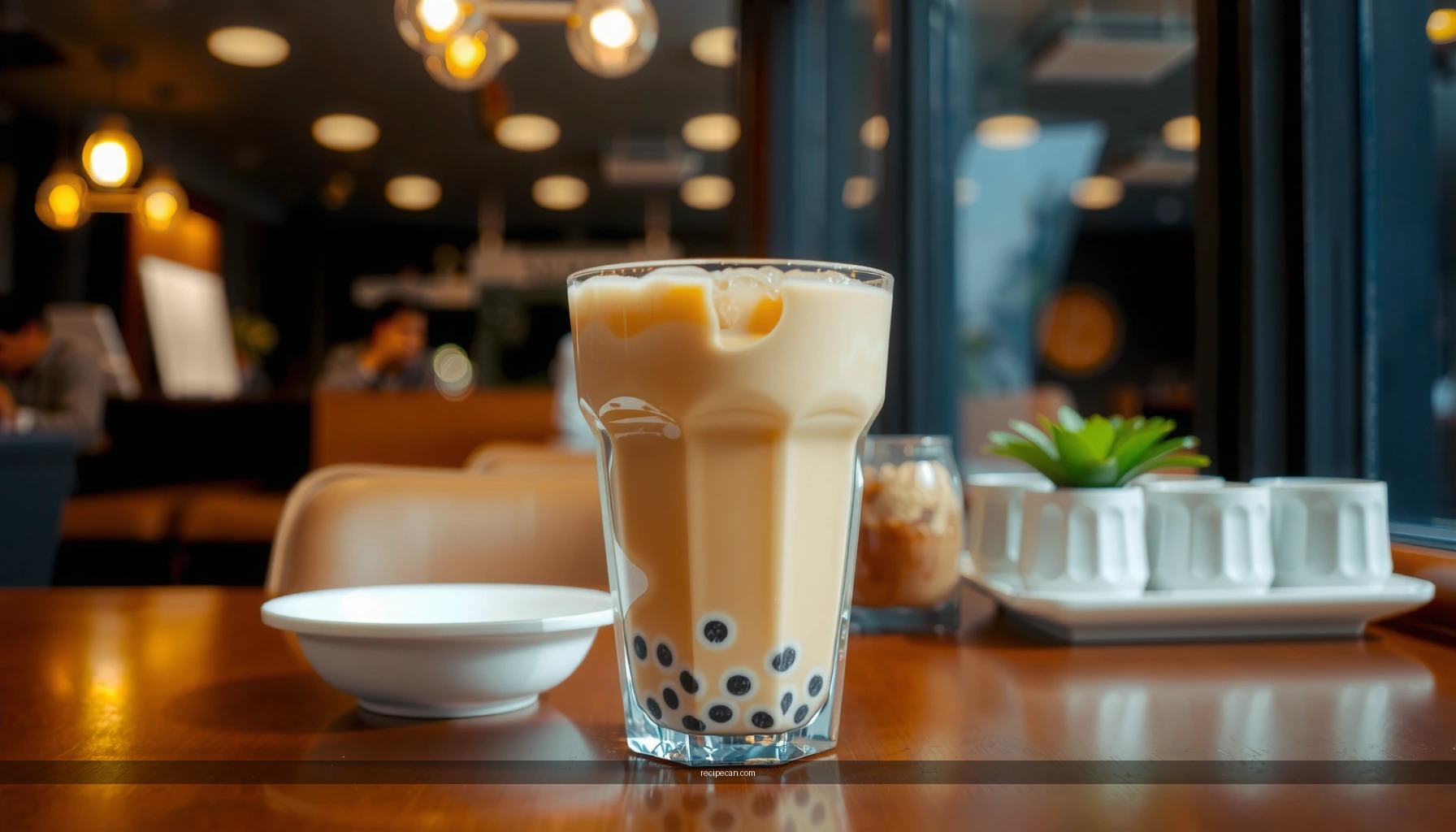
Toppings can turn classic milk tea into a signature style—especially if you want bubble milk tea. Choose toppings based on the texture experience you want to lead with.
Common options:
– Tapioca pearls (classic boba): Chewy, neutral flavor that absorbs sweetness.
– Popping boba: Bursting fruit flavor; pairs well if your tea is slightly less sweet.
– Grass jelly: Herbal depth and natural bitterness; balances sweetness and makes the drink feel “less one-note.”
– Flavored syrups (vanilla, caramel, brown sugar): Easy customization but use lightly—too much syrup can overpower the tea.
Boba texture timing matters: cooked pearls are best used shortly after preparation. Over time they firm up and become less pleasant in texture.
Topping balance guidance: If you add a strong topping like grass jelly or fruit popping boba, reduce your base sweetness slightly so the overall drink remains smooth rather than dessert-like.
Pro Tips for Flavor and Texture
To repeatedly nail café-style milk tea, treat it like a controlled recipe: taste after mixing, then correct with small increments.
1. Taste after the tea meets the milk and sugar. Sweetness perception changes once milk is added. Start slightly under-sweet, then dial in.
2. Adjust sweetness in small steps:
– For sugar: add in 1–2 g increments.
– For condensed milk: adjust by 5–10 g increments.
– For honey: add 5 g increments, tasting as you go.
3. Prioritize ice quality for iced milk tea: use fresh ice, preferably not cloudy or partially melted.
4. Use proper pearls/boba hydration: if you’re using ready-made pearls, check package guidance and aim for consistent chew (not hard, not overly sticky).
5. Keep tea strength consistent: if you change tea brand, you may need to adjust steep time or dose since black teas vary in potency.
For professionals and repeat batches, the simplest improvement is “single-variable testing.” Change only one factor at a time—tea strength, milk type, or topping amount—so you know exactly what moved the flavor.
Make this milk tea recipe your go-to by following the tea-to-milk balance, adjusting sweetness to your liking, and choosing your preferred style (hot, iced, or bubble). Try it today, then tweak one variable at a time—tea strength, milk type, or toppings—to find your perfect cup.
Milk tea is at its best when the tea base is strong, the milk smooths without dulling, and sweetness is dialed in after mixing. Brew your black tea correctly, cool slightly before combining, then build creaminess with the right milk and sweetener choice; from there, you can customize confidently with hot/iced service and optional boba toppings for a consistently classic result.
Frequently Asked Questions
What is a basic milk tea recipe at home?
A simple milk tea recipe uses black tea brewed strong, then mixed with milk (or evaporated milk) and a sweetener like sugar or condensed milk. Start by steeping black tea for about 4–6 minutes, strain, then add your desired amount of milk and sweetener. For a classic taste, balance the tea strength with sweetness so it doesn’t become either bitter or overly milky.
How do you make milk tea without it tasting bitter?
Bitter milk tea usually comes from over-steeping black tea or using water that’s too hot. Brew black tea for a shorter time (around 3–5 minutes) and consider letting it cool slightly before mixing with milk. You can also add sweetened condensed milk gradually to mellow the bitterness, or switch to a smoother tea blend like Ceylon or Assam for better flavor.
Why does my milk tea taste watery, and how can I fix it?
Watery milk tea often happens when the tea is too weak or the milk-to-tea ratio is off. Brew the tea stronger by using more tea leaves or a longer steep time within reason, then strain and measure your milk carefully. If you’re using ice, chill the tea first or use a less diluted concentrate so the milk tea stays creamy and flavorful after melting.
What’s the best milk tea recipe for bubble tea with chewy tapioca pearls?
The best milk tea recipe for bubble tea includes properly cooked tapioca pearls and a well-balanced tea base. Cook tapioca pearls according to package instructions, then simmer or keep them warm so they stay chewy and don’t harden. Build your drink by combining milk tea (brewed tea + milk + sugar) with pearls, then serve immediately for the best texture contrast.
Which milk is best for creamy milk tea—whole milk, evaporated milk, or condensed milk?
Whole milk creates a smooth, classic texture, while evaporated milk adds a richer, slightly caramelized flavor that many milk tea lovers prefer. Condensed milk is best if you want a sweeter, thicker mouthfeel, but it can overpower the tea if you add too much. Choose based on your goal: creaminess (whole milk or evaporated milk) versus sweetness and body (condensed milk), and adjust the sugar accordingly to keep the tea taste prominent.
References
- Milk tea
https://en.wikipedia.org/wiki/Milk_tea - Bubble tea
https://en.wikipedia.org/wiki/Bubble_tea - Tea
https://en.wikipedia.org/wiki/Tea_preparation - Tapioca pearl
https://en.wikipedia.org/wiki/Tapioca_pearl - Google Scholar Google Scholar
https://scholar.google.com/scholar?q=milk+tea+recipe - Google Scholar Google Scholar
https://scholar.google.com/scholar?q=pearl+milk+tea+tapioca+pearls+preparation - Google Scholar Google Scholar
https://scholar.google.com/scholar?q=thai+milk+tea+recipe - https://pubmed.ncbi.nlm.nih.gov/?term=bubble+tea
https://pubmed.ncbi.nlm.nih.gov/?term=bubble+tea - https://pubmed.ncbi.nlm.nih.gov/?term=milk+tea
https://pubmed.ncbi.nlm.nih.gov/?term=milk+tea - bubble tea – Search Results – PMC
https://www.ncbi.nlm.nih.gov/pmc/?term=bubble+tea