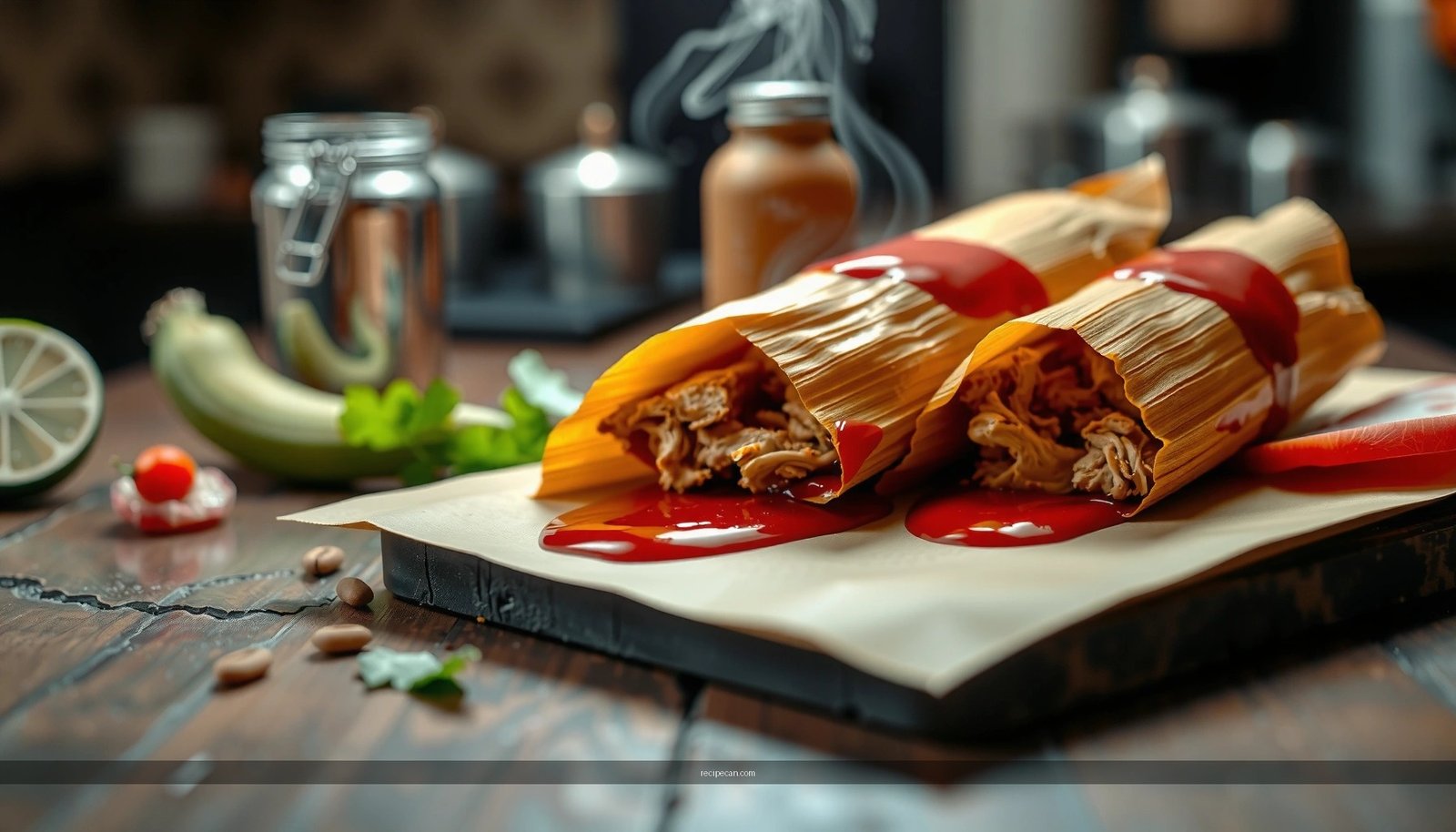
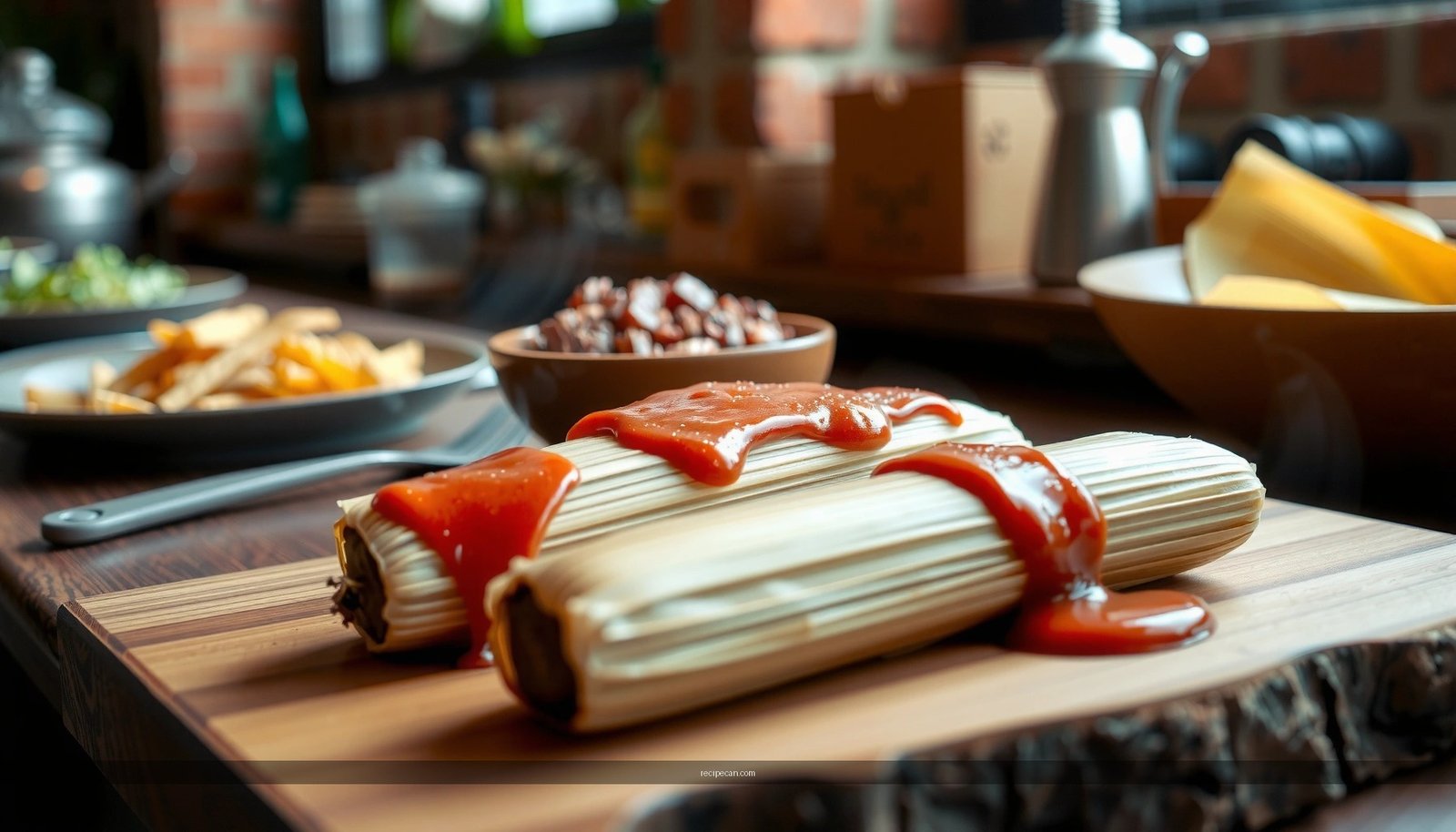
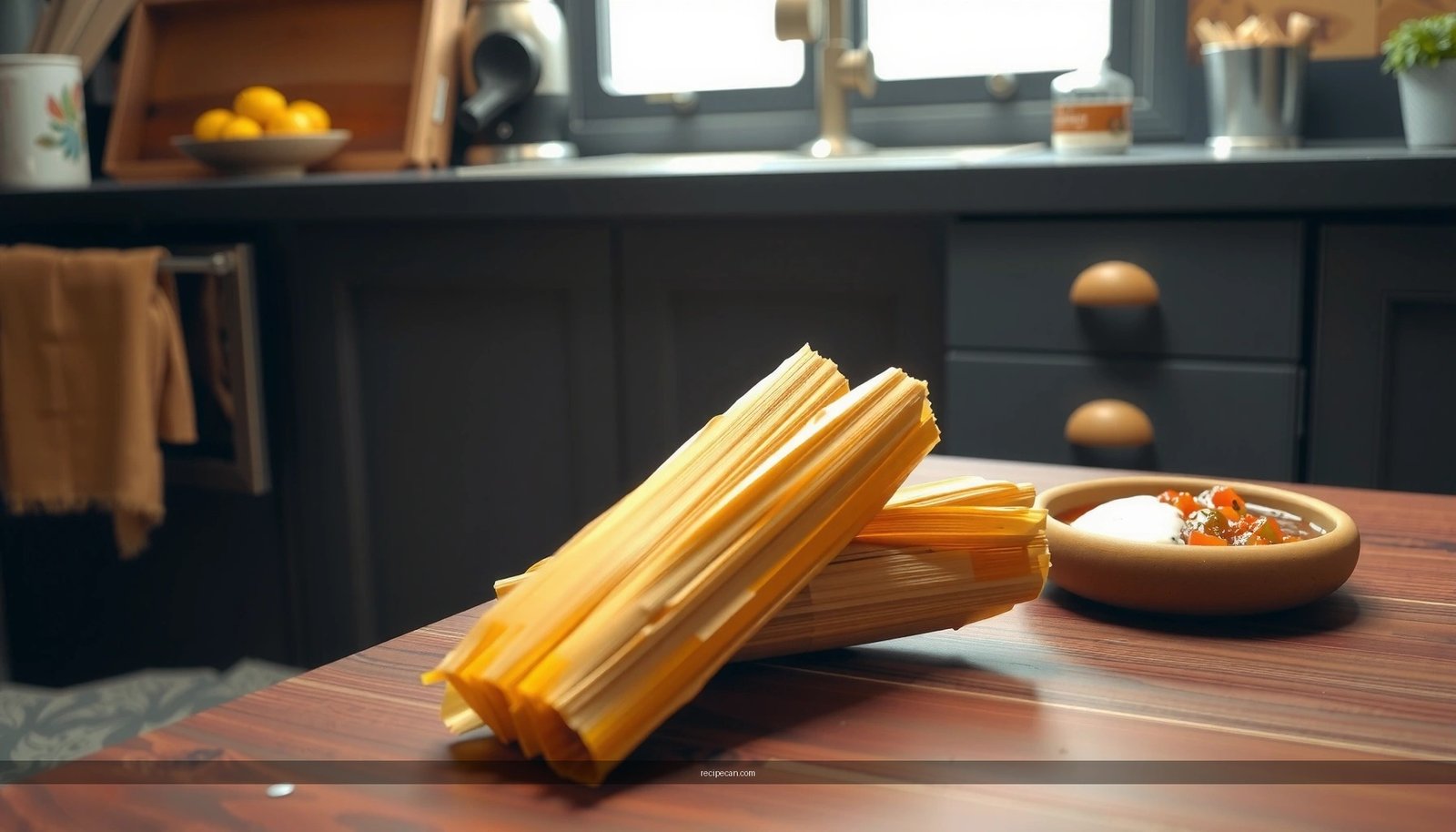
You want masa recipes for tamales that produce dough you can spread, shape, and cook without cracking or dryness—this guide delivers the best easy masa dough ideas. You’ll learn which masa formulas work most reliably for classic pork or chicken tamales, including the butter-forward and lard-forward approaches. The clear winner depends on your texture goal, and you’ll know exactly which one to choose by the end.
The best masa recipes for tamales produce dough that’s smooth, spreadable, and light after whipping—so your tamales steam tender instead of dense or gummy. Use dependable masa harina-to-liquid hydration, whip long enough to aerate, and then adjust moisture and fat until the dough spreads like thick frosting.
In practice, “perfect masa” isn’t one single formula—it’s a target texture. Corn flour (masa harina) absorbs liquid differently by brand, humidity, and grind, while your fat choice and whipping time determine how fluffy the interior becomes. Below, you’ll get reliable starting ratios, clear technique guidance, and practical fixes for the most common masa problems.
Choose the Right Masa Ingredients
– Use masa harina or prepared corn masa for consistent results
– Confirm you have warm broth/stock and quality fat (lard or vegetable shortening)
Start by treating masa like a dough system: corn solids (masa harina) + water/broth (hydration) + fat (tenderness and flavor) + salt + (optionally) seasonings. When those components are aligned, wrapping becomes easy and steaming turns predictable.
Masa type: masa harina vs. prepared masa
– Masa harina (dry corn flour) is the most consistent and controllable. It lets you dial in hydration precisely and whip the dough to the right structure.
– Prepared corn masa (pre-mixed) can save time, but it already has a defined moisture profile. You still need to test consistency, especially if your steamer, husk size, or filling amount changes.
Broth matters more than many people think
Using warm broth/stock (instead of cold water) helps:
– masa hydrate faster and more evenly,
– salt and aromatics dissolve better,
– the dough come together with less “lump risk.”
Fat selection: lard vs. shortening
Both lard and vegetable shortening contribute:
– fluffiness (through fat aeration during whipping),
– tender bite (fat coats corn particles and reduces toughness),
– flavor (lard is savory; shortening is more neutral).
If you’re aiming for a classic, rich tamale profile, lard is often preferred. If you need a lighter or more neutral flavor, shortening works well—just keep your whipping time consistent.
Masa Harina Hydration Starts (By Texture Target)
| # | Masa Style / Use Case | Broth % of Masa Harina (by weight) | Dough Spread | Whipping Ease | Tamale Tenderness Result |
|---|---|---|---|---|---|
| 1 | Classic Steamed Tamales (balanced) | 105%–115% | Thick frosting | ★ ★ ★ ★ ★ | High |
| 2 | Thinner Masa for Larger Husks | 110%–120% | Smoother, easier spread | ★ ★ ★ ★ ★ | High |
| 3 | Denser Tamales (more structure) | 95%–105% | Holds ridges | ★ ★ ★ ★ ☆ | Moderate–High |
| 4 | Prepared Masa (less added liquid) | 85%–95%* | Often already thick | ★ ★ ★ ☆ ☆ | Moderate |
| 5 | Husks that Dry Out in Service | 108%–118% | More forgiving spread | ★ ★ ★ ★ ★ | High |
| 6 | Extra Soft Masa for Fine Texture | 115%–125% | Very smooth | ★ ★ ★ ★ ☆ | Variable |
| 7 | Too-List-Crazy Thick (avoid) | 70%–85% | Crumbles, won’t spread | ★ ★ ☆ ☆ ☆ | Low |
Basic Tamales Masa Recipe (Classic Style)
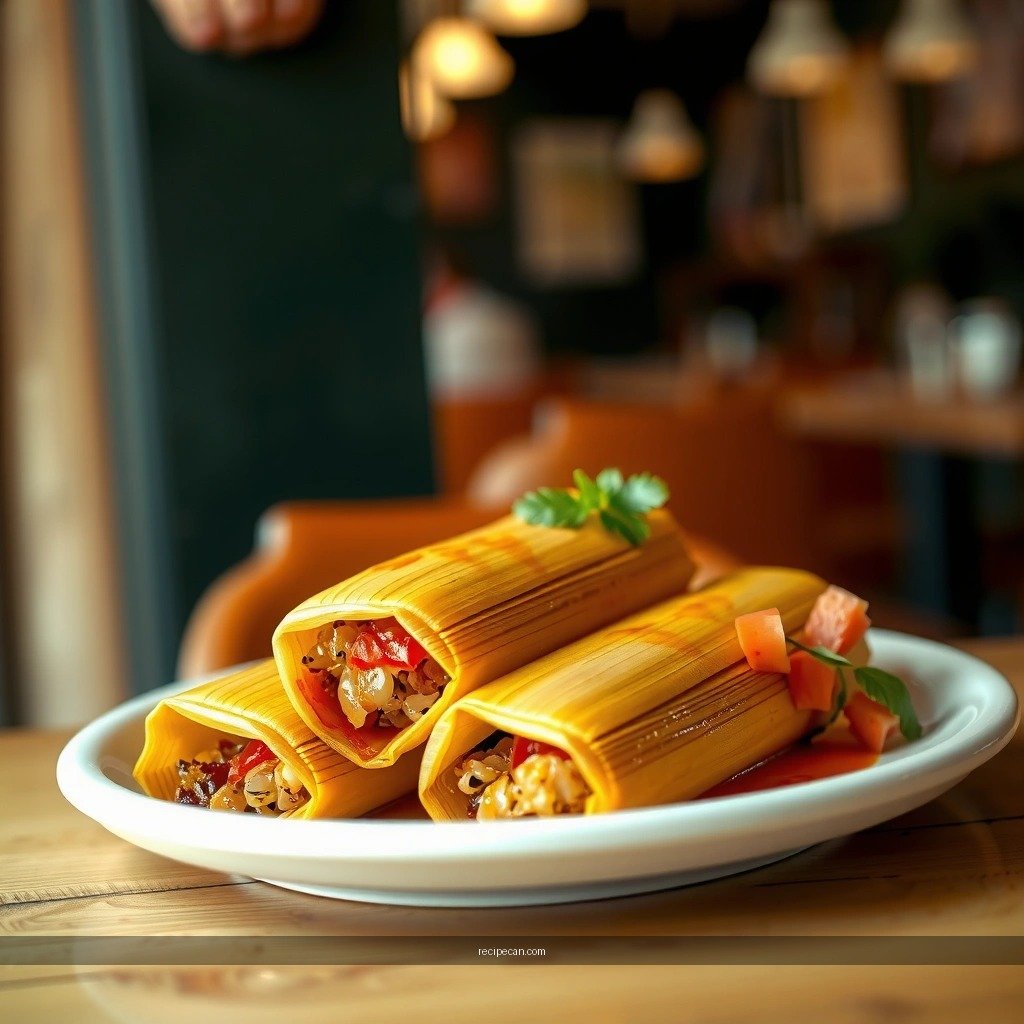
– Mix masa harina with broth and salt until smooth, then add fat
– Adjust hydration as needed for a spreadable, not sticky, dough
Use this classic tamales masa method as your baseline. It’s designed to:
1) fully hydrate corn flour before steaming,
2) introduce fat evenly,
3) create a dough that holds shape but still spreads.
Ingredient approach (scales well)
For about 20–25 medium tamales (depends on husk size and portion):
– Masa harina: 2 cups (about 280–300 g)
– Warm broth/stock: 2 1/2 to 3 cups (adjust to texture)
– Salt: about 1 1/2 to 2 tsp (to taste)
– Lard or shortening: 1/2 cup (about 110 g), softened
Method
1. Bloom the corn flour with warm broth. In a large bowl, combine masa harina with warm broth and salt. Start with less liquid than you think you need; you can always add more.
2. Mix until fully smooth. There should be no dry pockets and no gritty lumps. Let it sit 5–10 minutes to hydrate.
3. Add fat in stages. Mix in softened lard/shortening until the dough looks uniform. This is where you begin building tenderness.
4. Check texture before whipping hard. Target a dough that spreads without tearing. If it’s sticky, add a few tablespoons more masa harina; if it’s stiff, add broth a tablespoon at a time.
Operational tip: If you’re producing tamales for an event (where consistency is critical), write down your final hydration amount and reuse it for every batch.
How to Achieve Fluffy Masa (The Whipping Step)
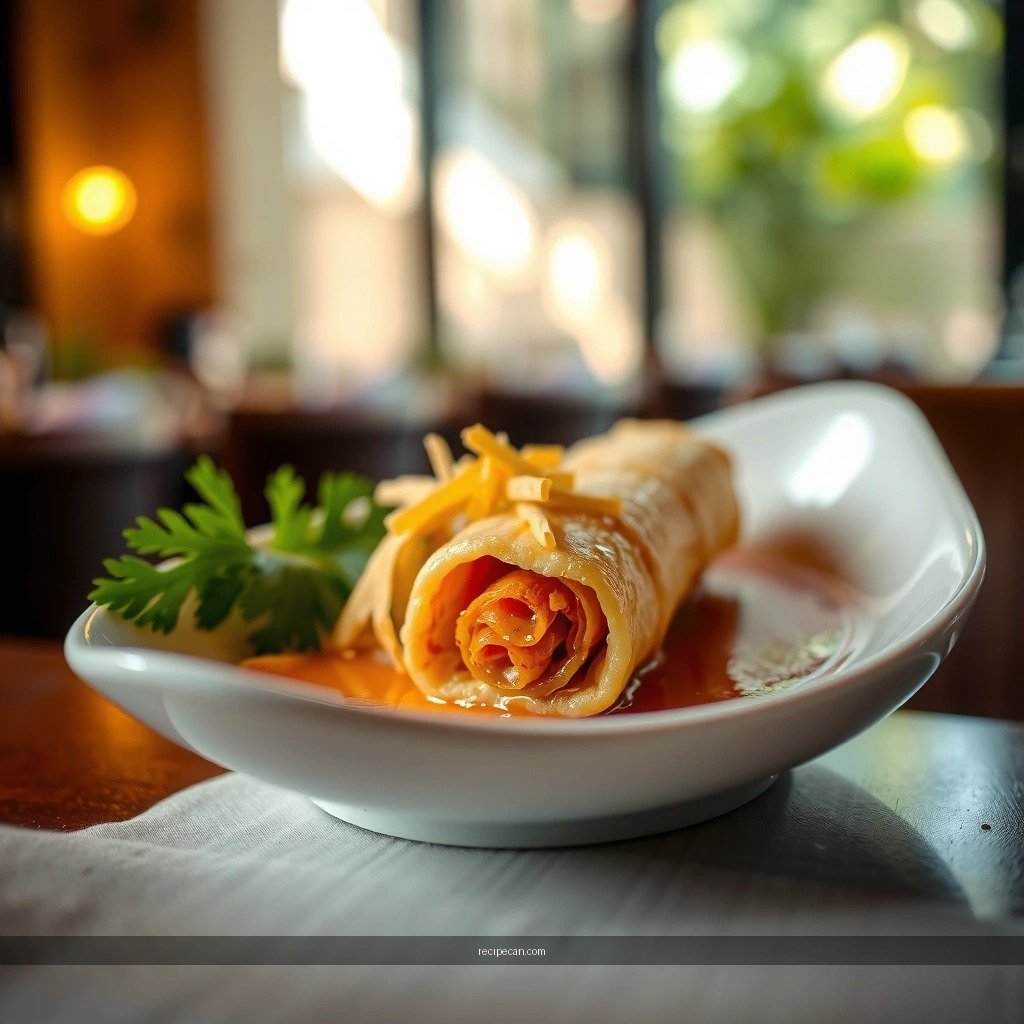
– Beat masa until lighter in color and airy in texture
– Use enough time and consistency so the dough bakes/steams evenly
Whipping is the “make-or-break” technique for masa dough. Corn flour itself can steam dense if it’s not aerated and properly emulsified with fat. Whipping introduces tiny air pockets and improves fat distribution, which supports a softer crumb-like interior.
What “fluffy” looks like
– Color: slightly lighter than unwhipped dough
– Texture: holds shape but feels creamy, not heavy
– Spread: smooth and consistent—no streaks of fat
How long to whip
– By hand: 10–15 minutes with a firm spatula and steady mixing
– Stand mixer: usually 6–10 minutes on medium speed, scraping down the bowl as needed
Consistency checks during whipping
– If the dough looks wet and slumps, you may have over-hydrated—stop adding broth and let it rest 5 minutes, then continue whipping.
– If it seems dry or tight, add broth gradually (a teaspoon or tablespoon at a time) and whip again until uniform.
Key principle: Hydrate first, then whip. If you whip too early (while the masa harina is still absorbing liquid), the dough can end up uneven—soft pockets in some areas and dense spots elsewhere.
Flavor Variations for Masa Tamales
– Add garlic, cumin, or broth seasoning to deepen flavor
– Try citrus zest or dried chile in small amounts for subtle brightness
Once your base masa is dialed in, flavor becomes additive—not structural. Keep variations modest so they don’t throw off hydration.
Savory upgrades
– Garlic infusion: mince and sauté garlic briefly, then blend it into the warm broth before mixing. This distributes flavor without raw harshness.
– Cumin: add 1–2 tsp ground cumin per batch. For consistency, mix it into your broth/salt first rather than dropping it directly into dry masa.
– Broth seasoning: using a well-seasoned stock is one of the easiest “restaurant style” moves—your masa tastes complete even with simple fillings.
Subtle bright notes
– Citrus zest: a small amount (e.g., 1–2 tsp zest for the batch) can lift the overall flavor without making masa taste “sweet.”
– Dried chile powder: use sparingly (start with 1 tsp). Chile can affect perceived heat and aroma; too much can overwhelm delicate fillings.
Avoiding hydration problems with flavor
Spices are usually safe, but some add moisture (like blended chiles). If your flavor add-in is paste-like, reduce broth slightly and re-check spreadability.
Tips for Spreading and Wrapping
– Spread masa evenly on the husk for uniform cook time
– Don’t overfill—leave space so tamales seal properly
Even the best masa will disappoint if it’s unevenly applied. Think of wrapping as “portion control,” not just assembly.
Spreading technique
– Use an offset spatula or the back of a spoon to spread masa in a thin, even layer.
– Aim for consistent thickness across tamales so each one steams at the same rate.
– If your masa clings too aggressively to the spoon, dip the utensil lightly in water or lightly oil—then spread quickly before it sets.
Portion control and sealing
– Leave space at the edges so the husk can fold and seal cleanly.
– Overfilling forces thicker seams, which can create uneven cooking (and sometimes leaks that affect structure).
Steaming reality check
Uniform masa thickness supports uniform steam penetration. If tamales vary widely in thickness, you’ll see it in the texture: some will be tender while others are firmer or drier.
Troubleshooting Common Masa Problems
– Fix thick masa by adding warm broth a little at a time
– Fix dry, crumbly masa by increasing moisture and re-mixing thoroughly
Even with a reliable recipe, small variables—brand differences in masa harina, humidity, fat temperature—can push your dough off-target. Use these fixes fast, before you start wrapping.
Problem: Masa is too thick or won’t spread
Symptoms
– Dough stands in peaks
– You struggle to create a smooth layer on the husk
Fix
– Add warm broth 1–2 tablespoons at a time
– Mix thoroughly between additions
– Re-check after 5 minutes of rest (hydration continues during rest)
Problem: Masa is sticky or smears
Symptoms
– Dough sticks to hands/spoon excessively
– It won’t hold shape when lifted
Fix
– Add a small amount of masa harina (1–2 tbsp at a time)
– Whip again to re-emulsify with fat
– If it’s still sticky, allow a short rest; hydration stabilizes as the corn flour finishes absorbing
Problem: Masa is dry, crumbly, or gritty
Symptoms
– It breaks apart instead of spreading
– Visible dry bits remain even after mixing
Fix
– Sprinkle in warm broth slowly
– Mix, then let it rest 10 minutes, then remix
– If it remains gritty after hydration time, add fat gradually and whip longer to create a smoother emulsion
Problem: Masa looks uniform, but tamales are dense
Symptoms
– Steam is working, yet texture is heavy
Fix
– You likely under-whipped or fat didn’t fully emulsify
– Whip 2–5 additional minutes, scraping the bowl
– Next batch: ensure the dough is fully hydrated before whipping
With troubleshooting, the goal is not “perfect consistency once”—it’s a repeatable process. Train your eyes: the dough should feel creamy, spread smoothly, and look slightly aerated after whipping.
With the right masa dough texture—smooth, properly hydrated, and well-whipped—you can make tamales that steam up soft and flavorful. Pick a basic recipe, follow the whipping and spreading tips, and then try one flavor variation next; make a batch and adjust until you hit your perfect masa.
Frequently Asked Questions
What is the best masa recipe for tamales that isn’t dry or crumbly?
The best masa for tamales starts with masa harina that’s mixed with warm broth or water and then thickened by using well-whipped fat (usually lard or vegetable shortening). Whip the fat until fluffy before combining, and mix until the dough feels soft and spreadable, not gritty. If your masa is crumbly, add warm liquid a tablespoon at a time; if it’s sticky, cook it slightly more by letting it rest covered for 10–15 minutes and then remix.
How do I make tamale masa from scratch using masa harina?
Start by hydrating masa harina with warm broth (chicken, pork, or vegetable) and mix until the lumps are gone. In a separate bowl, whip lard or shortening until light, then gradually fold it into the masa to create a smooth, airy texture. Season with salt and any typical additions like baking powder (optional) and mix thoroughly, then let it rest so the masa absorbs moisture evenly.
Why do my tamales’ masa keep cracking or separating on the corn husk?
Cracking usually happens when the masa is too dry or hasn’t been mixed long enough to fully hydrate. Separating can occur when the fat and liquid were not incorporated properly—make sure the lard/shortening is well whipped and the masa is mixed until uniform. Also avoid overcooking or undercooking the tamales, because incorrect steaming time can affect how the masa sets.
Which liquid is best for masa recipes for tamales: broth, water, or stock?
For the most flavorful masa recipes for tamales, use warm broth or stock so the dough is seasoned throughout. Water can work in a pinch, but you’ll need more salt and flavoring to match the taste of broth-based masa. If you’re aiming for a rich, savory profile, chicken or pork broth is a great choice, while vegetable broth works well for vegetarian tamales.
How can I tell if my masa is the right consistency for tamales before steaming?
A common method is to use the spoon-test: the masa should spread smoothly and hold its shape without running like batter. You can also do the “float test”—when whipped properly, a small portion may float in water, indicating it’s aerated and hydrated. If it sinks and falls apart, add warm liquid and remix; if it’s stiff and won’t spread, whip in more fat or soften with a little warm broth.
References
- Tamale
https://en.wikipedia.org/wiki/Tamale - Nixtamalization
https://en.wikipedia.org/wiki/Nixtamalization - https://www.britannica.com/topic/tamale
https://www.britannica.com/topic/tamale - Google Scholar Google Scholar
https://scholar.google.com/scholar?q=masa+for+tamales+recipe - Google Scholar Google Scholar
https://scholar.google.com/scholar?q=nixtamalization+masa+for+tamales - Google Scholar Google Scholar
https://scholar.google.com/scholar?q=masa+harina+tamales+dough+preparation - https://pubmed.ncbi.nlm.nih.gov/?term=nixtamalization+corn+masa+dough
https://pubmed.ncbi.nlm.nih.gov/?term=nixtamalization+corn+masa+dough - https://pubmed.ncbi.nlm.nih.gov/?term=masa+harina+preparation+nixtamalization
https://pubmed.ncbi.nlm.nih.gov/?term=masa+harina+preparation+nixtamalization - https://www.sciencedirect.com/search?qs=nixtamalization%20corn%20masa%20dough
https://www.sciencedirect.com/search?qs=nixtamalization%20corn%20masa%20dough - nixtamalization corn masa | Nature Search Results
https://www.nature.com/search?q=nixtamalization%20corn%20masa