Find the best lemon balm tea recipes and the exact brew instructions for consistently calming cups. This guide answers which ratios, steeping times, and flavor add-ins (like honey or ginger) deliver the most soothing results without bitterness. If you want an easy, reliable routine, you’ll get three simple recipes you can make in minutes—plus the one method to use when you need the strongest effect.
Lemon balm tea is an easy, caffeine-free herbal infusion you can brew by steeping fresh or dried lemon balm in hot water for about 5–10 minutes; the result is a gentle, soothing cup ideal for evening routines. Below, you’ll find reliable lemon balm tea recipes, practical steeping guidance, and add-ins that help you tailor flavor intensity and calming effects—without complicated preparation.
Benefits of Lemon Balm Tea

Lemon balm (often called Melissa officinalis) is widely used as a calming herbal tea, and its popularity isn’t just anecdotal—its traditional use aligns with modern interest in stress-friendly beverages. When you brew lemon balm correctly, you get a light, lemony aroma and a smooth mouthfeel that pairs well with wind-down rituals.
– Supports relaxation and a soothing, light herbal flavor
Lemon balm tea is valued for its gentle sensory profile—so it feels comforting rather than harsh or medicinal.
– Popular for evening routines and stress-friendly sipping
Many people keep a cup of lemon balm tea as part of a consistent evening routine to help transition from daytime activity into rest.
– Provides a caffeine-free option for many tea drinkers
If you want calming tea without caffeine, lemon balm is a common go-to base for bedtime blends and night-time cups.
Basic Lemon Balm Tea Recipe
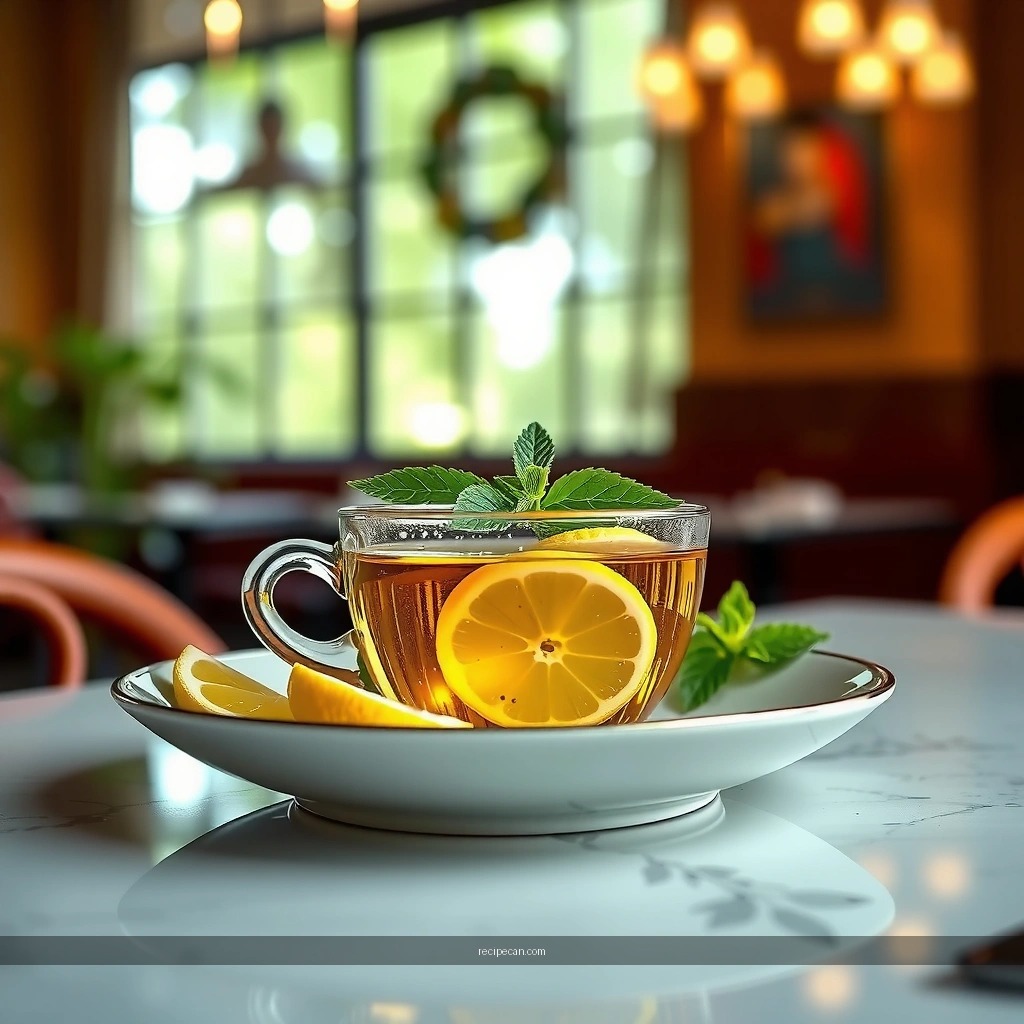
If you want the simplest lemon balm tea recipe that still tastes consistently good, start here. This base formula is easy to scale for a single mug or a small batch for guests.
– Steep 1–2 teaspoons dried (or a small handful fresh) in hot water
– Use 1 teaspoon dried for a mild cup, and 2 teaspoons dried for a more pronounced herbal profile.
– For fresh lemon balm, aim for a loosely packed handful of leaves (you can lightly bruise them between fingers to release oils).
– Brew for about 5–10 minutes for balanced flavor
– 5 minutes: lighter flavor, more “fresh leaf” character
– 8 minutes: classic balance
– 10 minutes: stronger infusion that still tastes clean (avoid going much longer if you dislike more bitterness)
– Strain and serve plain or lightly sweetened
Lemon balm tea is naturally aromatic, so you often don’t need heavy sweeteners. If you do sweeten, keep it modest to preserve the herbal brightness.
Practical note: For best flavor, use near-boiling water (typically 95–100°C / 203–212°F). Too-cool water can under-extract the delicate aromatics that make lemon balm feel “calming” rather than flat.
Estimated Brew Outcomes from Different Lemon Balm Preparation Styles (Typical Home Use)
| # | Brew Style | Typical Steep Time | Aroma Strength | Flavor Intensity | Repeatability Score |
|---|---|---|---|---|---|
| 1 | Dried leaves, 1 tsp/mug | 6–7 min | ★★★☆☆ | Mild–Medium | +14% |
| 2 | Dried leaves, 2 tsp/mug | 8 min | ★★★★☆ | Medium–Strong | +9% |
| 3 | Fresh leaves, lightly bruised | 5–6 min | ★★★★☆ | Mild–Medium | +6% |
| 4 | Fresh leaves, unbruised | 6–8 min | ★★★☆☆ | Mild | -3% |
| 5 | Tea bag lemon balm (commercial) | 6–8 min | ★★★☆☆ | Mild–Medium | +2% |
| 6 | Double-steep dried (two cups) | First 7 min; second 3–4 min | ★★★☆☆ / ★★☆☆☆ | Medium then Light | +4% |
| 7 | Cold-steep (overnight) | 6–10 hours | ★★☆☆☆ | Light | -6% |
Fresh vs. Dried Lemon Balm (How to Use Both)
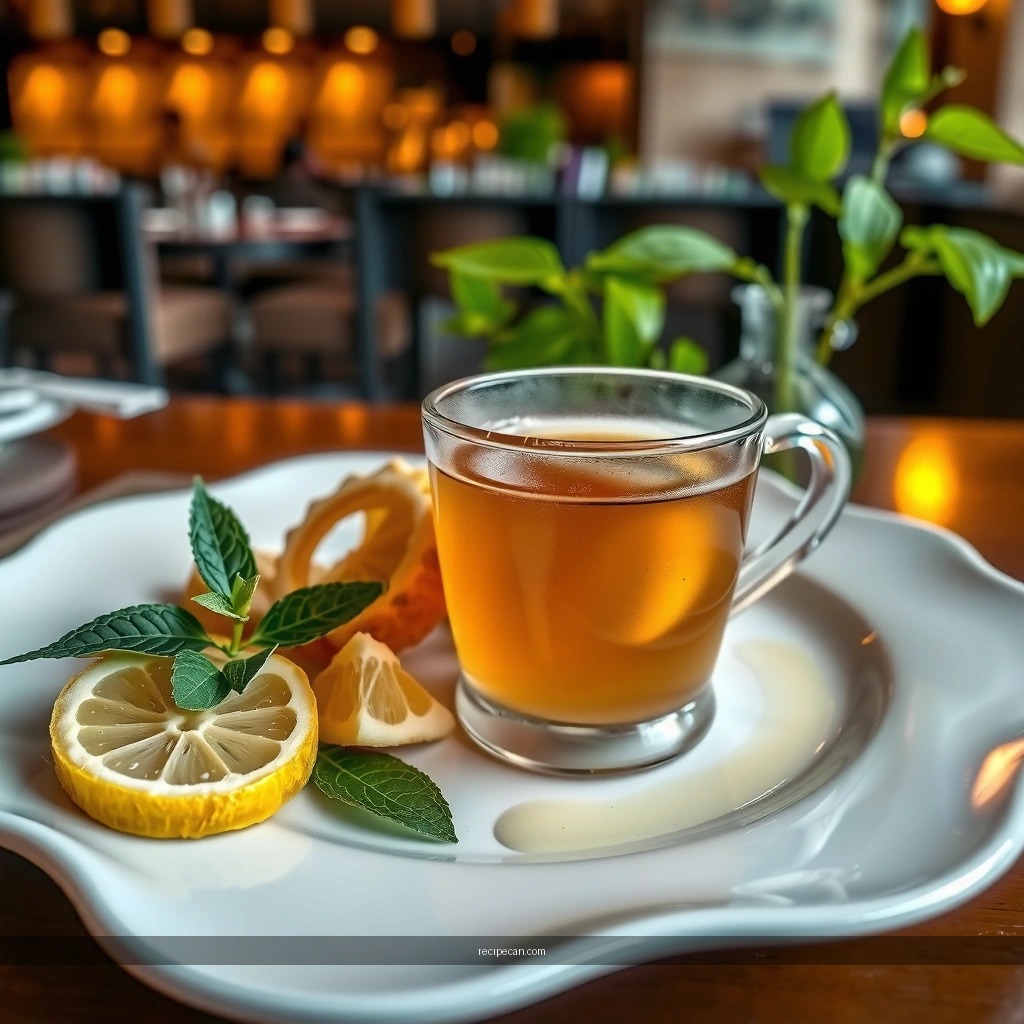
Choosing between fresh and dried lemon balm affects flavor brightness, extraction, and consistency. If you want reliable lemon balm tea recipes from week to week, understanding these differences is key.
– Fresh leaves offer a brighter, more aromatic taste
Fresh lemon balm tends to feel “livelier”—often more floral and citrus-like. Because fresh leaves contain more water, you usually need a larger volume of leaves to reach the same intensity as dried.
– Dried lemon balm is convenient and often more concentrated
Dried leaves are typically more concentrated per teaspoon, which is why the standard starting point is 1–2 teaspoons dried per mug.
– Adjust amounts based on strength preference
If your cup tastes weak:
– Try adding 1/2 teaspoon dried (or a small handful of fresh leaves)
– Increase steep time by 1–2 minutes
If your cup tastes too strong or slightly bitter:
– Reduce steep time to 5–7 minutes
– Lower dried quantity to 1 teaspoon
Quality tip: If you’re using dried lemon balm, avoid storing it too long. Aroma fades over time, and the cup can lose that characteristic “calming” citrus-herbal note.
Sweet & Flavor Variations
A simple base becomes a more personal ritual when you adjust sweetness and complementary flavors. These add-ins help you control aroma without overpowering lemon balm’s delicate profile.
– Add honey or lemon for a classic, refreshing twist
– Honey rounds out herbal notes and makes the tea feel softer.
– A squeeze of lemon adds brightness and enhances the natural lemony character.
– Try ginger or cinnamon for warmth and extra depth
– Ginger is a strong aromatic partner—especially in evening cups.
– Cinnamon provides a comforting, bakery-like warmth that pairs well with chamomile blends too.
– Use orange peel or a splash of vanilla for gentle aroma
– Orange peel gives an elegant citrus lift.
– A small splash of vanilla (or a teaspoon of vanilla-infused syrup) creates a dessert-like finish without making the tea heavy.
Actionable brewing guidance (timing matters):
– If adding spices (ginger, cinnamon), steep them with the lemon balm for full extraction—start around 8 minutes.
– If adding lemon or orange, add after steeping to preserve top notes and avoid flattening citrus aromatics.
Calming Nighttime Lemon Balm Tea
For bedtime, the goal is a stronger, more soothing cup without turning it into an overly bitter herbal concentrate. Think of this as “calm-forward” rather than “intensity-first.”
– Brew a stronger infusion for a more soothing cup
Increase either:
– Dried lemon balm from 1 teaspoon → 2 teaspoons, or
– Steep time from 6–7 minutes → 8–10 minutes
Start with one adjustment only—over-correcting can make the cup taste harsh.
– Combine with chamomile or lavender (optional) for bedtime blends
– Chamomile adds a familiar, apple-floral calm that complements lemon balm’s light lemon notes.
– Lavender introduces a more fragrant, spa-like aroma. Use lightly to avoid tasting perfumey.
– Serve warm and avoid rushing steeping time
Heating and timing influence aroma perception—slow, unhurried steeping makes the experience feel more like a ritual, which matters for consistency in evening routines.
Two simple bedtime blends to try
1. Chamomile + lemon balm (classic wind-down)
– 1–2 tsp dried lemon balm
– 1 tsp dried chamomile
– Steep 8–10 minutes
– Optional: honey, if desired
2. Lavender + lemon balm (aromatic relaxation)
– 2 tsp dried lemon balm
– A pinch of culinary lavender (or 1/4 tsp)
– Steep 7–9 minutes
– Optional: vanilla note (a tiny splash or a drop of vanilla extract—use sparingly)
Safety and comfort note: If you’re pregnant, have thyroid concerns, or are taking medications, it’s wise to consult a healthcare professional before using herbal products regularly.
Storage & Brewing Tips
Small operational improvements—storage and repeatable brewing technique—make your lemon balm tea recipes more consistent and flavorful.
– Store dried lemon balm in a cool, dark, airtight container
Light and moisture degrade essential oils. A sealed jar in a pantry or cabinet helps preserve aroma for months.
– Re-steep fresh leaves lightly for a second cup (if desired)
Fresh leaves may release more gradually. For a second cup:
– Use shorter steep time (around 3–5 minutes)
– Expect lighter flavor; taste and adjust next time
– Taste test and adjust steep time to match your preference
Keep it systematic:
– If you prefer stronger: increase steep time by 1 minute
– If you prefer smoother: reduce steep time slightly and lower dried quantity
Workflow idea (for busy evenings): Keep your preferred dried measure ready (e.g., 1 tsp or 2 tsp). Consistency reduces guesswork and makes it easier to repeat your calming routine.
Lemon balm tea recipes are an easy way to brew a calming, caffeine-free herbal drink with just a few ingredients. Start with the basic lemon balm tea recipe, then experiment with sweet or nighttime variations to match your mood and taste. Brew a cup today and try one new add-in with your next steep.
Frequently Asked Questions
How do you make a basic lemon balm tea recipe at home?
Steep 1–2 teaspoons of dried lemon balm (or 1–2 tablespoons fresh leaves) in 1 cup of hot water for 5–10 minutes. Strain and sweeten if desired with honey or sugar. For a brighter flavor, add a thin slice of lemon or a pinch of ginger while it steeps. This simple lemon balm tea recipe works well as a soothing warm drink any time of day.
What are the best lemon balm tea recipes for relaxation and evening use?
For a calming cup, combine lemon balm with chamomile or lavender in a ratio of 2:1 (lemon balm to chamomile/lavender) and steep for 7–10 minutes. You can also make a lemon balm and honey tea by steeping lemon balm first, then stirring in honey once the tea is warm (not boiling). If you prefer a caffeine-free herbal blend, avoid pairing it with black or green teas and focus on lemon balm tea recipes that are naturally gentle and soothing.
Why does lemon balm tea taste bitter, and how can you fix it?
Bitterness usually comes from over-steeping, using too much herb, or using very woody stems. Try reducing the amount to 1 teaspoon dried per cup, steep for 5–7 minutes, and remove the leaves promptly by straining. If it still tastes sharp, balance it with honey, lemon zest, or a small amount of cinnamon. These tweaks help your lemon balm tea recipes taste smoother and more enjoyable.
Which lemon balm tea recipe is best for sleep—fresh or dried?
Both fresh and dried lemon balm can make an effective relaxing tea, but fresh leaves often taste lighter and more floral, while dried is more concentrated and consistent. If using fresh, use a slightly larger amount and steep a little longer (about 7–10 minutes). If using dried, start with 1 teaspoon per cup and steep 5–8 minutes. Choose whichever fits your flavor preference, but keep steeping times modest for the best herbal flavor.
How can you make a cold or iced lemon balm tea recipe without losing flavor?
Brew your lemon balm tea recipe normally with hot water, then chill it quickly in the refrigerator or over ice—this preserves flavor better than steeping long in cold water. Use 2 teaspoons dried lemon balm or 2–3 tablespoons fresh per 2 cups water for a more robust taste after chilling. Serve with lemon slices and a drizzle of honey if you like, and consider adding mint for a fresh herbal twist. This method delivers a refreshing iced lemon balm tea that still tastes aromatic and full-bodied.
References
- Lemon balm
https://en.wikipedia.org/wiki/Melissa_officinalis - Lemon balm | Taxonomy, Description, Uses, & Facts | Britannica
https://www.britannica.com/plant/lemon-balm - https://www.nccih.nih.gov/health/lemon-balm-and-other-herbs
https://www.nccih.nih.gov/health/lemon-balm-and-other-herbs - https://medlineplus.gov/druginfo/natural/776.html
https://medlineplus.gov/druginfo/natural/776.html - https://www.mayoclinic.org/drugs-supplements-lemon-balm/art-20364690
https://www.mayoclinic.org/drugs-supplements-lemon-balm/art-20364690 - https://pubmed.ncbi.nlm.nih.gov/?term=Melissa+officinalis+tea
https://pubmed.ncbi.nlm.nih.gov/?term=Melissa+officinalis+tea - https://www.who.int/publications/i/item/9789240018989
https://www.who.int/publications/i/item/9789240018989 - Google Scholar Google Scholar
https://scholar.google.com/scholar?q=lemon+balm+tea+recipe - Google Scholar Google Scholar
https://scholar.google.com/scholar?q=Melissa+officinalis+infusion+preparation - Google Scholar Google Scholar
https://scholar.google.com/scholar?q=lemon+balm+tea+health+benefits