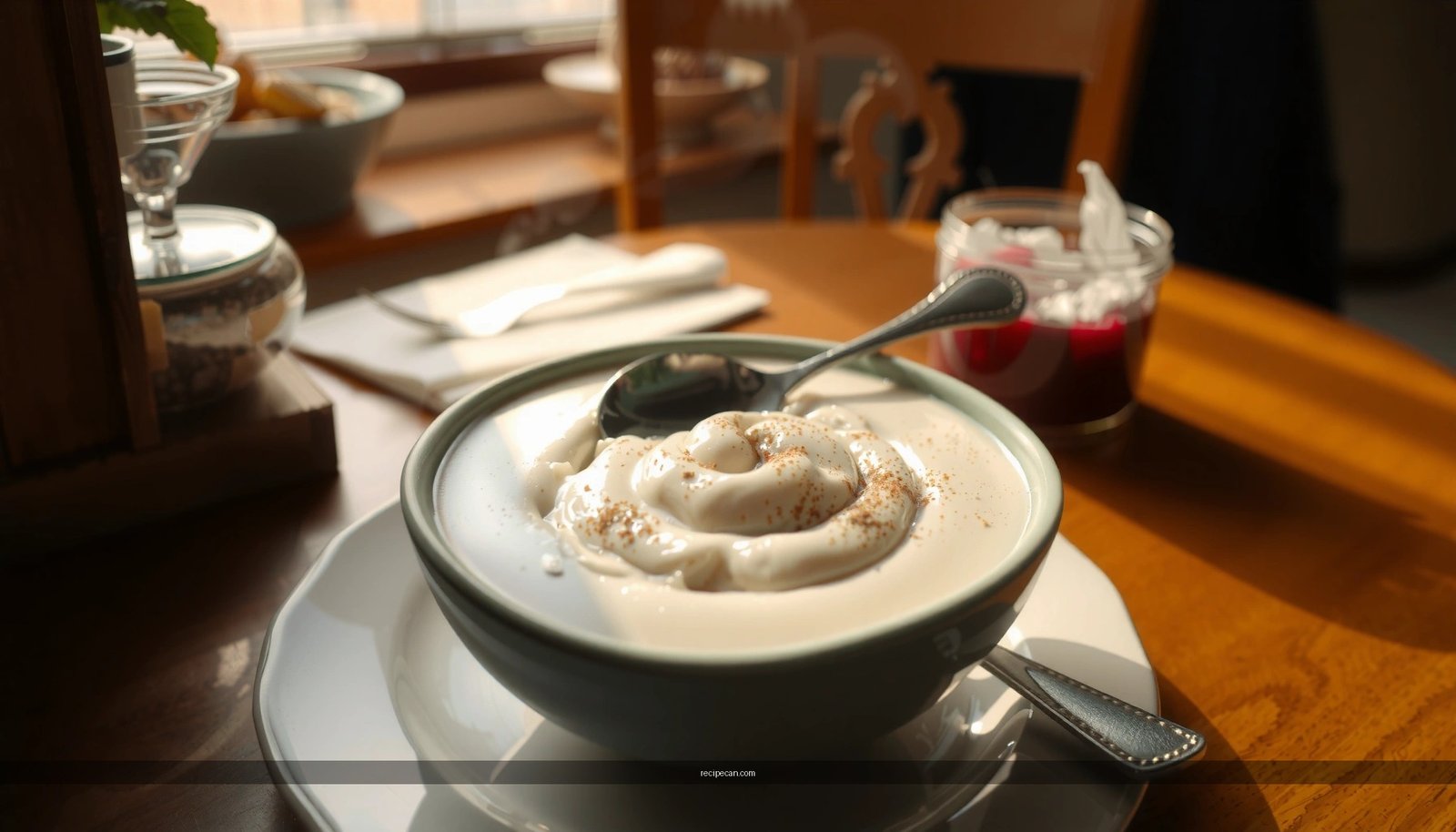
Kozy Shack Original Recipe Rice Pudding is the rice pudding to beat if you want a classic, spoon-satisfying dessert with the right creamy texture and cozy cinnamon-sweet flavor. This guide answers how to make Kozy Shack Original Recipe rice pudding at home, including the key simmering steps that prevent it from turning watery or grainy. If you follow the method closely, you’ll end up with a batch that tastes like the original—without guesswork.
Kozy Shack original recipe rice pudding is essentially a slow-simmered, starch-driven custard-style dessert: cook rice gently in milk until creamy, then sweeten and flavor to reach a spoonable texture. If you control heat, stir for starch release, and adjust simmer time to your rice type, you can reproduce that classic Kozy Shack-style consistency at home—without scorched spots or grainy pudding.
Making rice pudding this way isn’t just about following steps; it’s about understanding the mechanism. Rice pudding thickens because long-grain rice and milk starches slowly build viscosity as the grains soften and release starch into the liquid. That’s why two cooks can use the same ingredients but get different results: one uses too much heat (scorching and uneven thickening), while the other uses gentle simmering and consistent stirring (smooth, creamy body with intact grains).
Rice Choice Impact on Kozy Shack-Style Creaminess (Estimated)
| # | Rice Type | Best Texture Target | Typical Cook Time | Creaminess Score | Result Risk |
|---|---|---|---|---|---|
| 1 | Long-grain white rice | Classic spoonable grains | 35–45 min | ★★★★☆ ★★★★☆ | Low |
| 2 | Jasmine rice | Gentle, floral sweetness | 40–50 min | ★★★☆☆ ★★★★☆ | Moderate |
| 3 | Basmati rice | Slightly firmer grain | 35–50 min | ★★★☆☆ ★★★☆☆ | Medium |
| 4 | Arborio (short-grain) | Thicker, risotto-like body | 30–40 min | ★★★★☆ ★★★★☆ | Low |
| 5 | Medium-grain white rice | Balanced creamy bite | 35–45 min | ★★★☆☆ ★★★☆☆ | Medium |
| 6 | Instant rice (quick cook) | Fast but less grain integrity | 10–15 min | ★★☆☆☆ ★★★☆☆ | High |
| 7 | Brown rice | Nutty flavor, less traditional feel | 50–70 min | ★★☆☆☆ ★★★☆☆ | High |
Ingredients You’ll Need
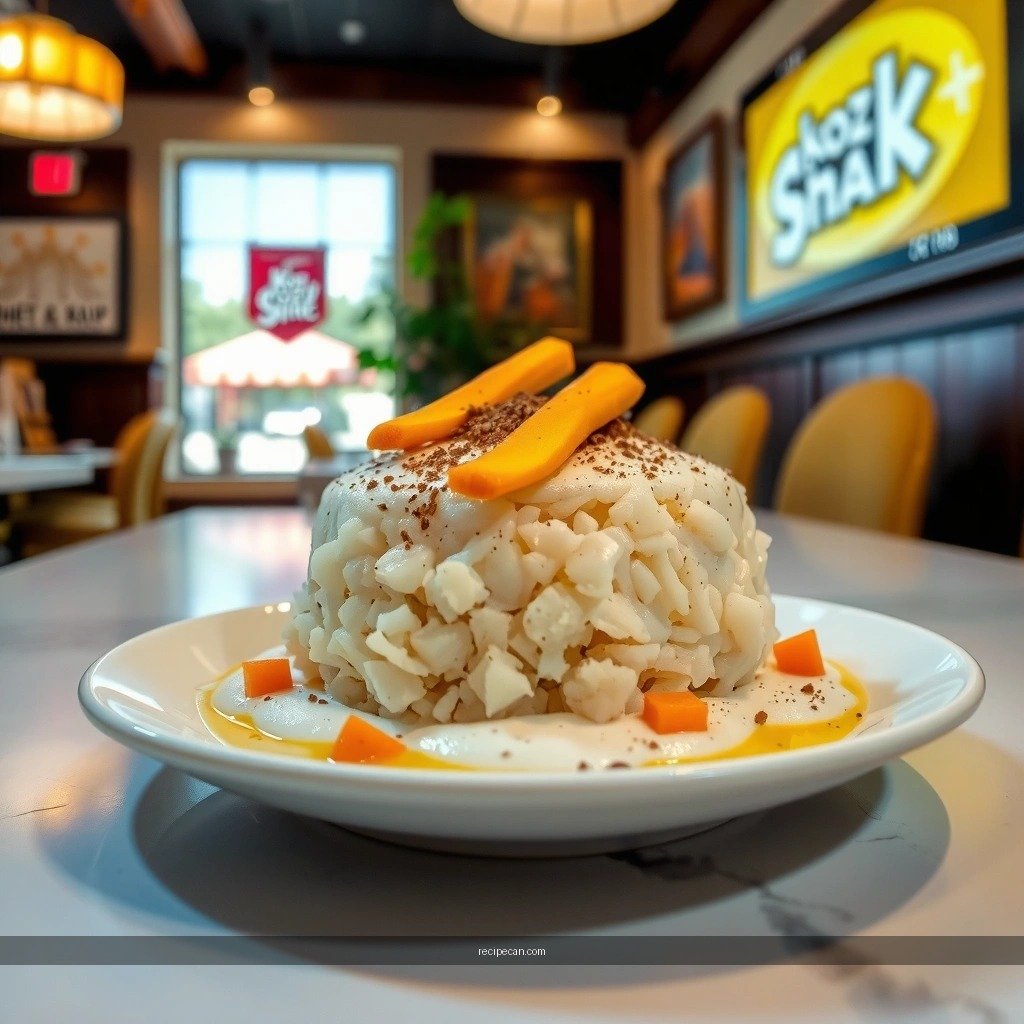
To recreate Kozy Shack original recipe rice pudding, start with a small set of building blocks—then choose options that support the same slow-simmer outcome.
– Rice: Use long-grain white rice for a classic spoonable texture (grains hold their shape while still going tender).
– Milk: Whole milk delivers the smooth “creamy dessert” mouthfeel many people associate with the original product.
– Sugar: Adds sweetness progressively—too much too fast can mask flavor and can affect thickening behavior.
– Flavoring base (typically vanilla): Vanilla is the standard profile and helps the milk taste “dessert-like” rather than flat.
Optional additions to match that familiar taste
– A pinch of salt: Salt tightens overall flavor and makes sweetness taste more balanced rather than one-dimensional.
– Extra cream or evaporated milk (small amounts): If you want a richer finish, a splash of cream can raise perceived richness without changing the cooking method.
– Ground cinnamon or nutmeg (light touch): Traditional warming notes that complement vanilla. Use sparingly so the flavor doesn’t overpower the milk-rice base.
Pantry check (before you heat anything)
Rice pudding is not a last-minute dessert—because milk can scorch if you start improvising mid-cook. Confirm you have:
– A heavy-bottom saucepan (or Dutch oven)
– A sturdy spoon for frequent stirring
– Vanilla extract (or paste)
– A measuring cup for liquid (milk consistency depends on accurate proportions)
The Rice-to-Milk Cooking Method

Kozy Shack-style rice pudding relies on controlled heat and time. The goal is to simmer, not boil violently, so the rice hydrates evenly and starch transfers into the milk.
1) Start with gentle simmer behavior
– Bring the milk and rice mixture to a low simmer over medium heat, then immediately reduce to maintain it.
– If you see aggressive bubbling, reduce heat. Boiling tends to drive uneven thickening and can create a thicker, sometimes “scrapey” bottom.
2) Stir regularly to release starch
Stirring is not optional—it’s the difference between “creamy pudding” and “rice in milk.” As the rice softens, its starches disperse into the liquid, which thickens the dessert naturally.
A practical approach:
– Stir every few minutes during the first half of cooking (when the starch release ramps up).
– As it thickens, stir a bit more often to keep the mixture uniform.
3) Prevent scorching and texture problems
To avoid scorching:
– Use a non-reactive pot and moderate heat.
– Keep the simmer steady and avoid leaving it unattended.
– If thickening seems too fast, lower the heat and add a small splash of milk (1–2 tablespoons) rather than turning up the stove.
If you prefer a deeper “custard” feel, some cooks partially cook rice in water first—however, Kozy Shack-style simplicity generally works best when you rely on the milk simmer itself for the authentic flavor and viscosity.
How to Get the Creamy, Kozy Shack Texture
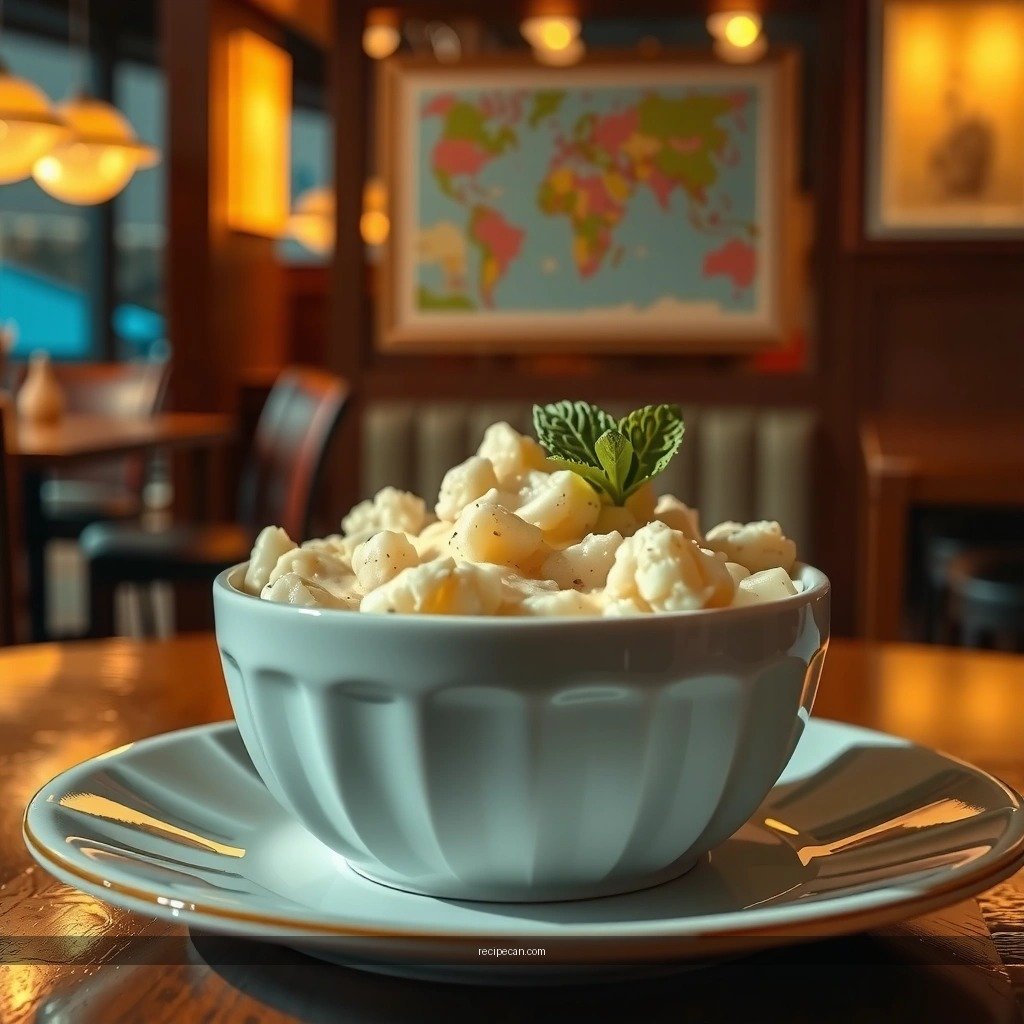
Creamy texture comes from starch concentration and grain softness—and both depend on cooking time and heat control.
Cook until thickened and spoonable
Kozy Shack original recipe rice pudding is best when it coats the back of a spoon but still looks like a dessert you can serve with confidence. In practice:
– Early on, it will look looser—don’t judge too soon.
– As it nears completion, the pudding should be thick enough that it doesn’t immediately run off a spoon.
A reliable “visual” check:
– Drag a spoon across the surface; the line should hold briefly and then slowly level out.
– If it’s watery, continue simmering in small increments (5 minutes at a time).
– If it’s extremely thick and pasty, you may have overcooked—relax it with a few tablespoons of warm milk and stir to smooth.
Adjust simmer time based on rice type
Different rice behaves differently:
– Long-grain white rice tends to deliver a classic spoonable texture with tender grains.
– Short-grain varieties can thicken faster and may feel creamier, but can become too dense if pushed too far.
Use the cooking window as a guide, not a strict rule, and rely on spoonability as your final checkpoint.
Avoid a grainy or “chalky” texture
Graininess usually comes from one of two issues:
– Heat too high (rice cooks unevenly, starch doesn’t disperse smoothly)
– Not enough stirring (starch stays trapped and the liquid doesn’t thicken uniformly)
The fix is straightforward: lower heat and stir consistently. If the pudding already looks grainy, let it simmer gently for a few more minutes while stirring—sometimes the texture smooths out as starch disperses further.
Sweetness and Flavor Balance
Kozy Shack-style rice pudding tastes sweet but not candy-like; the sweetness supports the milk and rice rather than dominating them.
Add sugar gradually, tasting as you go
Instead of dumping in all the sugar at once:
– Start with about half of your sugar after the rice begins to soften.
– Taste after the mixture thickens slightly.
– Add remaining sugar in small increments until it matches your preference.
This approach matters because sweetness changes as the liquid concentrates. What tasted “right” early can become too strong once the pudding reduces.
Vanilla as the classic profile
Vanilla is the anchor flavor. To keep it tasting smooth and aromatic:
– Add vanilla near the end of cooking so its aroma isn’t muted by prolonged heat.
– Use quality vanilla extract (or vanilla paste if you want more intense flavor).
Optional spices should be treated the same way—warm notes, not spice-forward pudding. If using cinnamon, add a pinch early for a gentle infusion, then avoid heavy re-seasoning late.
Balance sweetness with milk richness
If your pudding tastes flat:
– Don’t automatically add more sugar—first consider whether the milk base is rich enough.
– A small amount of cream or evaporated milk can increase perceived richness so you need less sugar to achieve the same “dessert” impact.
Serving, Storage, and Reheating
Rice pudding thickens as it chills, which can make it seem “less creamy” later if you don’t rewarm it correctly.
Serve warm or chilled
– Warm: Softer, more spoon-flowing texture. Best for immediate indulgence.
– Chilled: Thicker and more set. Many people enjoy this because it feels like a spoonable custard.
Cool properly before storing
To keep a smooth texture:
– Cool to room temperature before covering and refrigerating.
– Stir once as it cools slightly if you see any uneven thickening forming at the surface.
Store covered in the refrigerator for up to 3–4 days for best quality.
Reheat gently with a splash of milk
When you reheat:
– Use low heat (stovetop or microwave in short bursts).
– Add a tablespoon or two of milk and stir until smooth.
– Avoid high heat, which can separate the mixture or create a “cooked milk” flavor.
This method restores the creamy mouthfeel closely to how Kozy Shack-style pudding behaves when served.
Common Mistakes to Avoid
Even small process errors can push rice pudding away from the Kozy Shack original recipe outcome.
– Cooking too hot: Leads to scorching on the bottom and uneven thickening.
– Under-stirring: Limits starch release into the milk, which can leave you with a thinner liquid and less cohesive texture.
– Overcooking: Makes rice pudding overly thick or dry, with grains that feel heavy instead of tender.
– Adding sugar too early without tasting: Can cause the dessert to become overly sweet once reduced, especially near the end of cooking.
– Using the wrong rice preparation expectations: Instant and brown rice may require different timing and can deviate from the classic spoonable texture.
If you notice you’re getting too thick before the rice is fully tender, lower heat and add a splash of milk rather than continuing at the same intensity. If rice is tender but pudding isn’t thick enough, simmer longer at a gentle pace.
Kozy Shack original recipe rice pudding comes down to slow simmering, consistent stirring, and careful control of sweetness and thickness. Follow the method above, taste as you go, and adjust timing until your pudding is creamy and spoonable—then chill, reheat gently, and enjoy.
Frequently Asked Questions
What is Kozy Shack Original Recipe rice pudding made of?
Kozy Shack Original Recipe rice pudding is made with creamy milk, long-grain rice, sugar, and a blend of classic flavors for a rich, comforting dessert. The original recipe is known for its smooth, spoonable texture rather than a firm or cake-like consistency. You can usually find the exact ingredient list and nutrition details on the package label for the most accurate information.
How do you heat up Kozy Shack Original Recipe rice pudding without losing its creamy texture?
For best results, heat rice pudding gently on the stovetop over low heat, stirring occasionally until warm. If microwaving, transfer to a microwave-safe bowl, cover loosely, and heat in short intervals while stirring between bursts to prevent uneven heating. Stirring is key to keeping the Kozy Shack original recipe smooth and reducing the risk of a skin forming on top.
Why does Kozy Shack Original Recipe rice pudding sometimes look thicker or separate after refrigeration?
Rice puddings can thicken as they cool, and ingredients may settle slightly in the refrigerator, which can make the texture look denser. That’s normal for many prepared rice puddings, including Kozy Shack original recipe styles. Simply stir thoroughly and heat gently—this often restores the creamy consistency.
Which is better—Kozy Shack Original Recipe rice pudding warmed or eaten cold?
Many people enjoy Kozy Shack Original Recipe rice pudding either way, depending on the texture they prefer. Warming it brings out a creamier, more comforting flavor and softer mouthfeel, while eating it cold gives a thicker, spoon-stable dessert. If you’re sensitive to texture, trying both can help you decide what works best for your preferences.
What’s the best way to serve Kozy Shack Original Recipe rice pudding for extra flavor?
Serve it warm or cold and top it with cinnamon, nutmeg, raisins, fresh berries, or a drizzle of vanilla for a simple upgrade. For a more dessert-like treat, add a small spoon of caramel or whipped cream to complement the sweet, classic taste. If you’re using Kozy Shack original recipe rice pudding as a base, toppings are an easy way to tailor sweetness and texture without changing the product itself.
References
- Rice pudding
https://en.wikipedia.org/wiki/Rice_pudding - https://www.britannica.com/topic/rice-pudding
https://www.britannica.com/topic/rice-pudding - Food safety
https://www.who.int/news-room/fact-sheets/detail/food-safety - https://pubmed.ncbi.nlm.nih.gov/?term=rice+pudding
https://pubmed.ncbi.nlm.nih.gov/?term=rice+pudding - https://pubmed.ncbi.nlm.nih.gov/?term=Bacillus+cereus+cooked+rice
https://pubmed.ncbi.nlm.nih.gov/?term=Bacillus+cereus+cooked+rice - https://www.nature.com/search?q=rice%20pudding
https://www.nature.com/search?q=rice%20pudding - https://www.sciencedirect.com/search?qs=rice%20pudding
https://www.sciencedirect.com/search?qs=rice%20pudding - Google Scholar Google Scholar
https://scholar.google.com/scholar?q=Kozy+Shack+original+recipe+rice+pudding - Google Scholar Google Scholar
https://scholar.google.com/scholar?q=rice+pudding+recipe+history+milk+dessert - Google Scholar Google Scholar
https://scholar.google.com/scholar?q=Bacillus+cereus+cooked+rice+food+poisoning