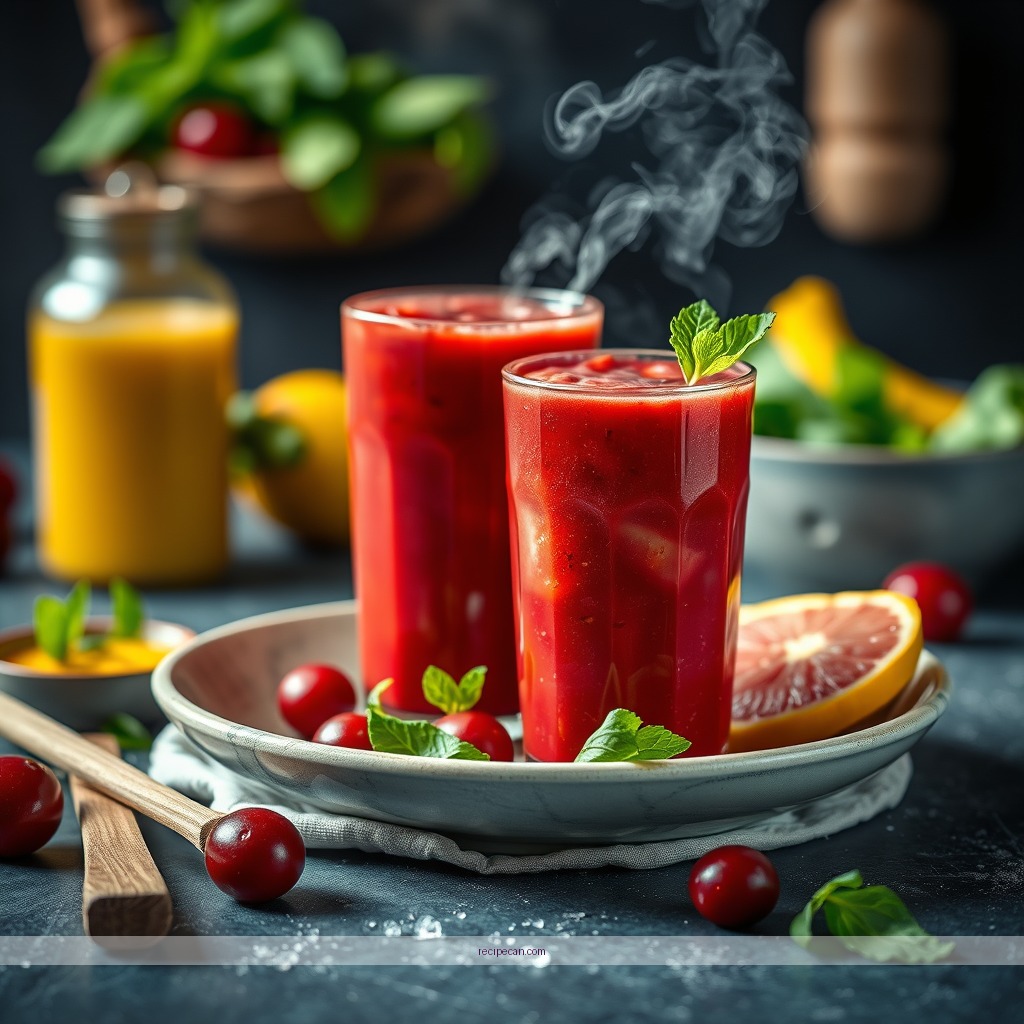
Juicing recipes for managing high blood pressure can significantly impact your health, and certain combinations stand out as the most effective. Discover which specific juices can help lower your blood pressure and improve your overall cardiovascular health. With the right ingredients, you can create delicious, nutrient-rich drinks that support your wellness goals.
Juicing can be an effective and tasty way to manage high blood pressure. By incorporating nutrient-dense ingredients that are rich in potassium, antioxidants, and other heart-healthy properties, you can create delicious beverages that may help lower your blood pressure naturally. This article presents a selection of refreshing juicing recipes specifically designed to support your health journey while tantalizing your taste buds.
Recipe Overview
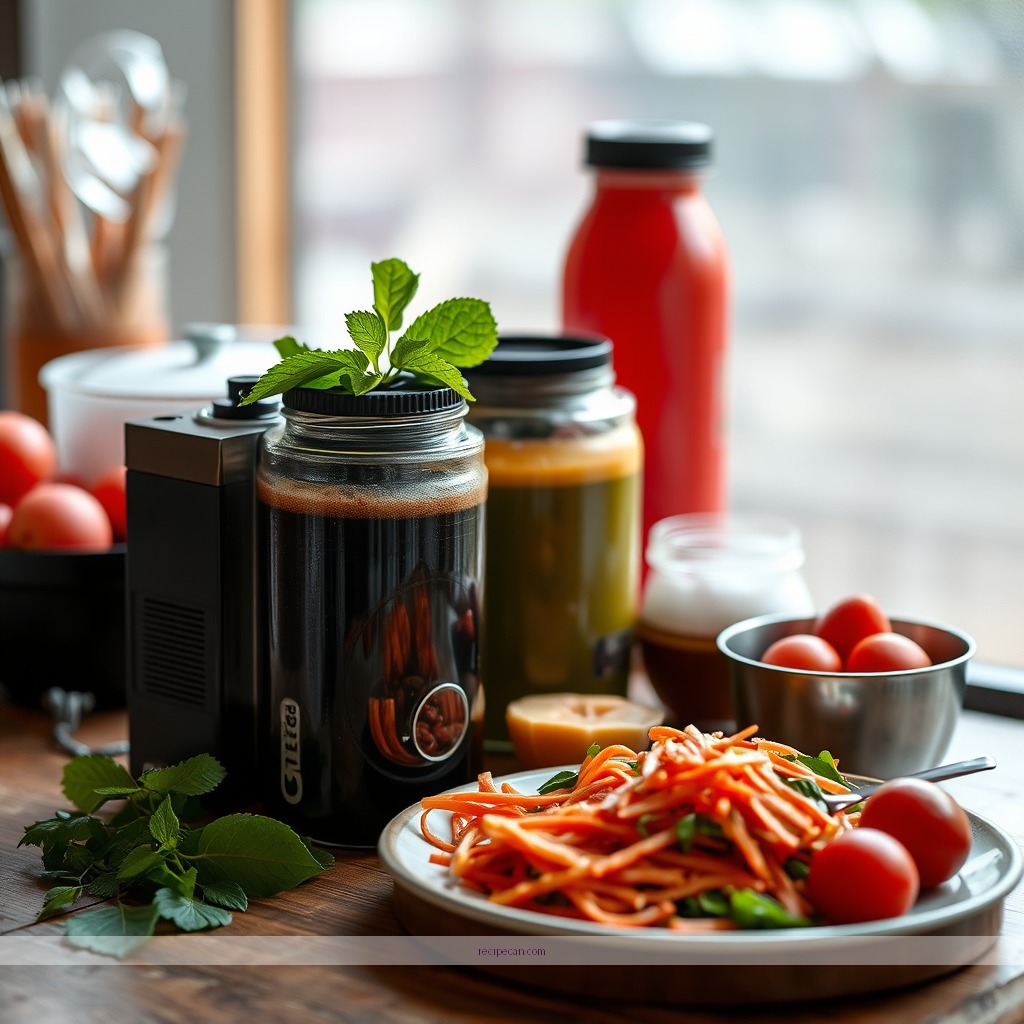
These juicing recipes are crafted not only for their vibrant flavors but also to deliver optimal nutrition for those seeking to manage high blood pressure. Each recipe serves about 2-3 people, making them perfect for sharing with family or friends or enjoying throughout the day. With simple preparation methods, these juices can easily become a staple in your daily routine, promoting heart health and overall well-being.
Time Required
– 🕐 Prep Time : 10 minutes
– 🍳 Cook Time : 0 minutes (juicing is instant!)
– ⏱ Total Time : 10 minutes
Ingredients
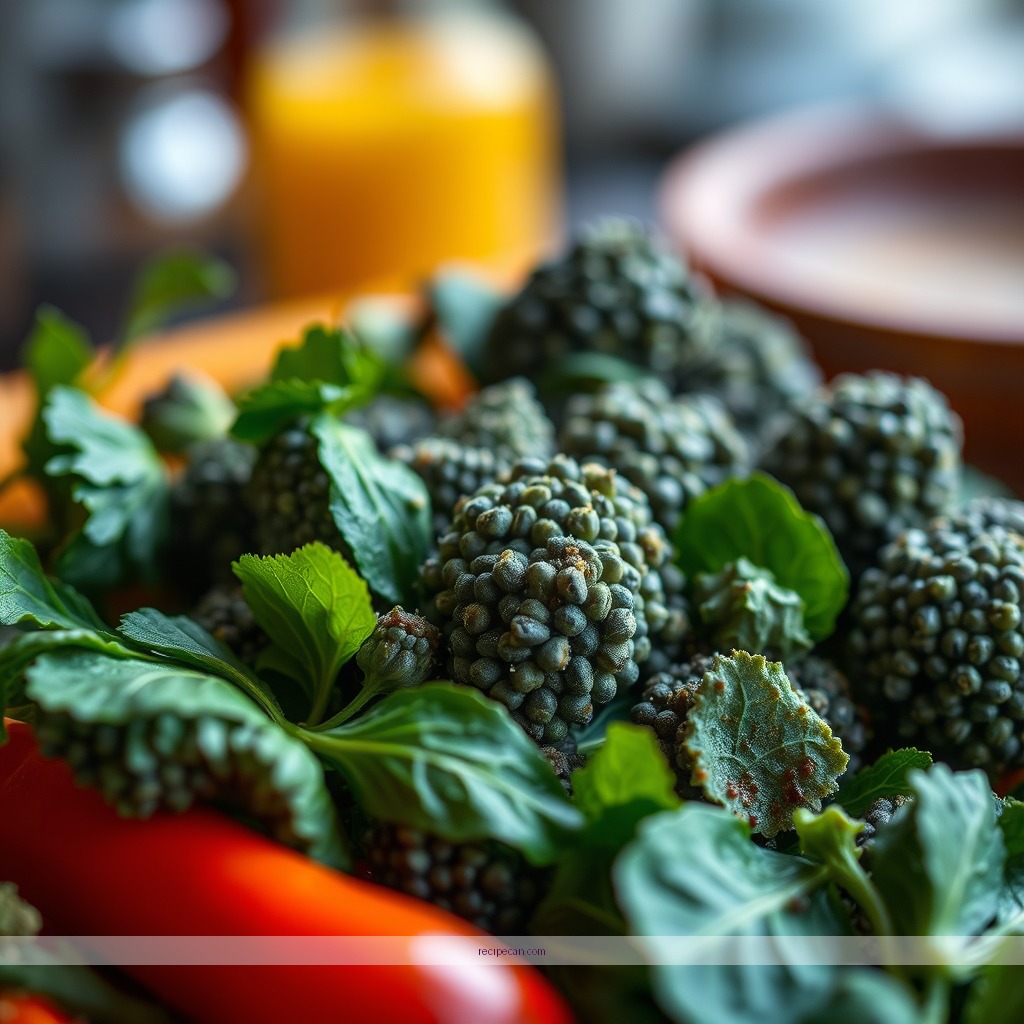
The key to successful juicing lies in selecting fresh, high-quality ingredients that provide essential vitamins and minerals. Leafy greens, vibrant fruits, and wholesome vegetables are your best allies in this endeavor.
Main Ingredients
– 2 cups spinach (packed with potassium, vital for heart health)
– 1 medium cucumber (hydrating, low in sodium, and refreshing)
– 2 medium carrots (rich in beta-carotene and antioxidants)
– 1 green apple (adds natural sweetness and is high in fiber)
– 1-inch piece of ginger (known for its anti-inflammatory properties)
– Juice of 1 lemon (a great source of vitamin C and adds a zesty flavor)
Step-by-Step Instructions

1. Prep the Ingredients: Start by washing all fruits and vegetables thoroughly under cool water. Peel the ginger and cut the apple and cucumber into manageable pieces that will easily fit into your juicer.
2. Juice the Greens First: Begin by juicing the spinach and cucumber together. This technique helps extract the maximum liquid from the leafy greens, ensuring a nutrient-rich base for your juice.
3. Add the Carrots and Apple: Next, introduce the carrots and green apple into the juicer. This combination will enhance the sweetness and provide a delightful depth of flavor to your juice.
4. Incorporate Ginger and Lemon Juice: Lastly, add the ginger and squeeze in the fresh lemon juice to give your drink a bright, zesty flair while boosting its health benefits. Mix well to combine all flavors.
5. Taste and Adjust: Take a moment to taste your juice. If you find it needs more sweetness, feel free to add another apple or a splash of water to dilute it if the flavor is too intense for your preference.
What to Avoid & Precautions
Juicing can be straightforward, but being aware of common pitfalls can enhance your experience and results.
Overly Sweet Juice
One common mistake is overloading your juice with fruit, which can spike sugar levels. Aim for a balanced mix of vegetables to maintain a healthy sugar content.
Not Drinking Enough Water
While juicing is hydrating, it should not replace your water intake. Ensure you complement your juice with plenty of water throughout the day for optimal hydration.
Common Mistakes & How to Fix Them
Skipping the Prep
Rushing through the preparation stage is a frequent error. Taking the time to properly wash and chop your ingredients makes a significant difference in the taste and quality of the juice!
Not Cleaning the Juicer Promptly
Neglecting to clean your juicer right after use can lead to hardened residue, making cleanup more challenging. Make it a habit to wash it immediately after juicing for easier maintenance.
How to Serve
Plating & Presentation
Serve your juice in clear glasses to showcase the vibrant colors of the ingredients. For an added touch of elegance, consider garnishing with a slice of lemon or a sprig of fresh mint.
What Goes Well With It
This refreshing juice pairs wonderfully with a light salad or whole-grain toast, making it an excellent choice for breakfast or a mid-afternoon snack.
Storage & Reheating
While juice is best enjoyed fresh, you can store any leftovers in an airtight container in the refrigerator for up to 24 hours. However, for the best taste and nutritional value, consume it as soon as possible.
Nutritional Benefits of Key Ingredients
| # | Ingredient | Key Nutrients | Health Benefits | Rating |
|---|---|---|---|---|
| 1 | Spinach | Potassium, Iron | Supports heart health, enhances oxygen transport | ★★★★★ |
| 2 | Cucumber | Water, Vitamin K | Hydration, supports bone health | ★★★★☆ |
| 3 | Carrots | Beta-Carotene, Fiber | Promotes vision, aids digestion | ★★★★☆ |
| 4 | Green Apple | Fiber, Vitamin C | Boosts immunity, aids weight management | ★★★★★ |
| 5 | Ginger | Gingerol, Antioxidants | Reduces inflammation, improves digestion | ★★★★★ |
| 6 | Lemon | Vitamin C, Flavonoids | Improves skin health, supports digestion | ★★★★☆ |
Incorporating these juicing recipes into your diet can be an enjoyable way to support your heart health while indulging in delicious flavors. By utilizing fresh, nutrient-rich ingredients, you can create tasty juices that not only satisfy your taste buds but also contribute to your overall well-being. Try these recipes and discover how easy it is to make healthier choices that can lead to better blood pressure management!
Frequently Asked Questions
What are the best juicing recipes to help lower high blood pressure?
Some of the best juicing recipes for lowering high blood pressure include a combination of beets, celery, and carrots, which are rich in nitrates and potassium. Another effective juice is made from spinach, kale, and cucumber, packed with antioxidants and vitamins that support heart health. Adding citrus fruits like oranges or lemons can enhance flavor and provide additional vitamin C.
How often should I drink juice for high blood pressure management?
For effective high blood pressure management, it’s recommended to consume fresh juice 1-2 times a day. This frequency helps incorporate nutrient-dense ingredients into your diet, while also ensuring you stay hydrated. However, it’s essential to balance juicing with whole fruits and vegetables for fiber intake.
Why are beets commonly recommended in juicing recipes for high blood pressure?
Beets are commonly recommended in juicing recipes for high blood pressure because they contain high levels of nitrates, which can help dilate blood vessels and improve blood flow. This vasodilation can potentially lower blood pressure levels and enhance overall cardiovascular health. Regular consumption of beet juice has been linked to significant reductions in blood pressure readings.
Which fruits and vegetables should I avoid in my juicing recipes if I have high blood pressure?
If you have high blood pressure, it’s best to avoid fruits and vegetables high in sodium and sugar, such as canned beets or overly sweet fruits like bananas and grapes in large quantities. Additionally, limit ingredients with added sugars or artificial sweeteners, as these can negatively impact blood pressure control. Focus on low-sodium, high-potassium options like leafy greens, cucumbers, and berries.
What are some quick and easy juicing recipes for beginners dealing with high blood pressure?
For beginners dealing with high blood pressure, simple recipes such as a classic green juice made with kale, cucumber, and green apple are ideal. Another quick option is a refreshing watermelon and mint juice, which is hydrating and low in calories. These recipes are not only easy to prepare but also packed with nutrients essential for maintaining healthy blood pressure levels.
References
- https://www.mayoclinic.org/diseases-conditions/high-blood-pressure/in-depth/dietary-approaches-to-stop-hypertension/art-20046481
https://www.mayoclinic.org/diseases-conditions/high-blood-pressure/in-depth/dietary-approaches-to-stop-hypertension/art-20046481 - https://www.nhlbi.nih.gov/health-topics/dash-eating-plan
https://www.nhlbi.nih.gov/health-topics/dash-eating-plan - https://www.cdc.gov/bloodpressure/diet.htm
https://www.cdc.gov/bloodpressure/diet.htm - Hypertension
https://www.who.int/news-room/fact-sheets/detail/hypertension - Checking your browser – reCAPTCHA
https://www.ncbi.nlm.nih.gov/pmc/articles/PMC6412676/ - Introduction – Bookshelf Help – NCBI Bookshelf
https://www.ncbi.nlm.nih.gov/books/NBK45614/ - https://www.sciencedirect.com/topics/agricultural-and-biological-sciences/juicing
https://www.sciencedirect.com/topics/agricultural-and-biological-sciences/juicing - Hypertension | Description, Causes, Symptoms, & Treatment | Britannica
https://www.britannica.com/science/hypertension - Google Scholar Google Scholar
https://scholar.google.com/scholar?q=juicing+recipes+for+high+blood+pressure - Google Scholar Google Scholar
https://scholar.google.com/scholar?q=high+blood+pressure+diet+juicing+recipes