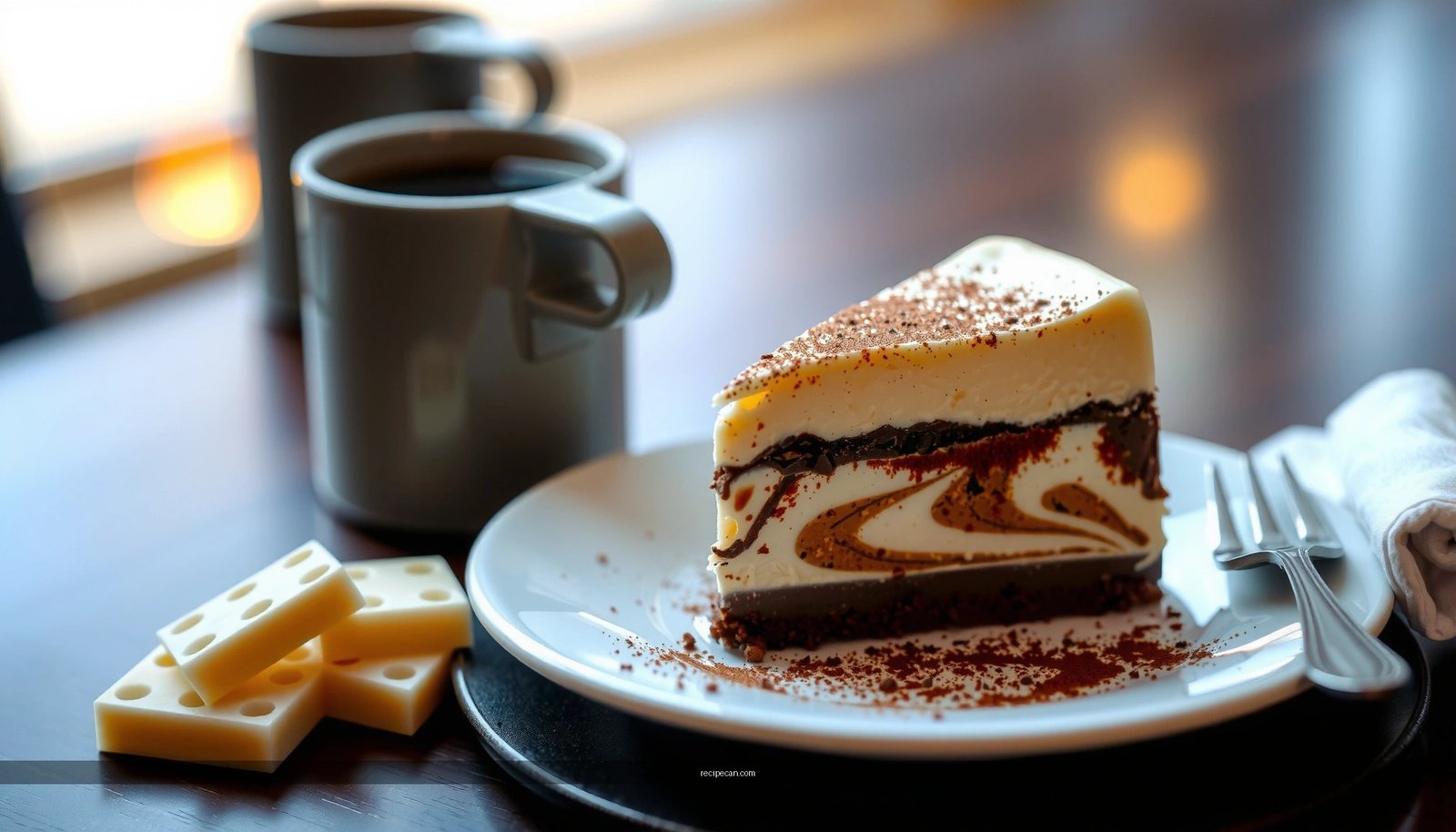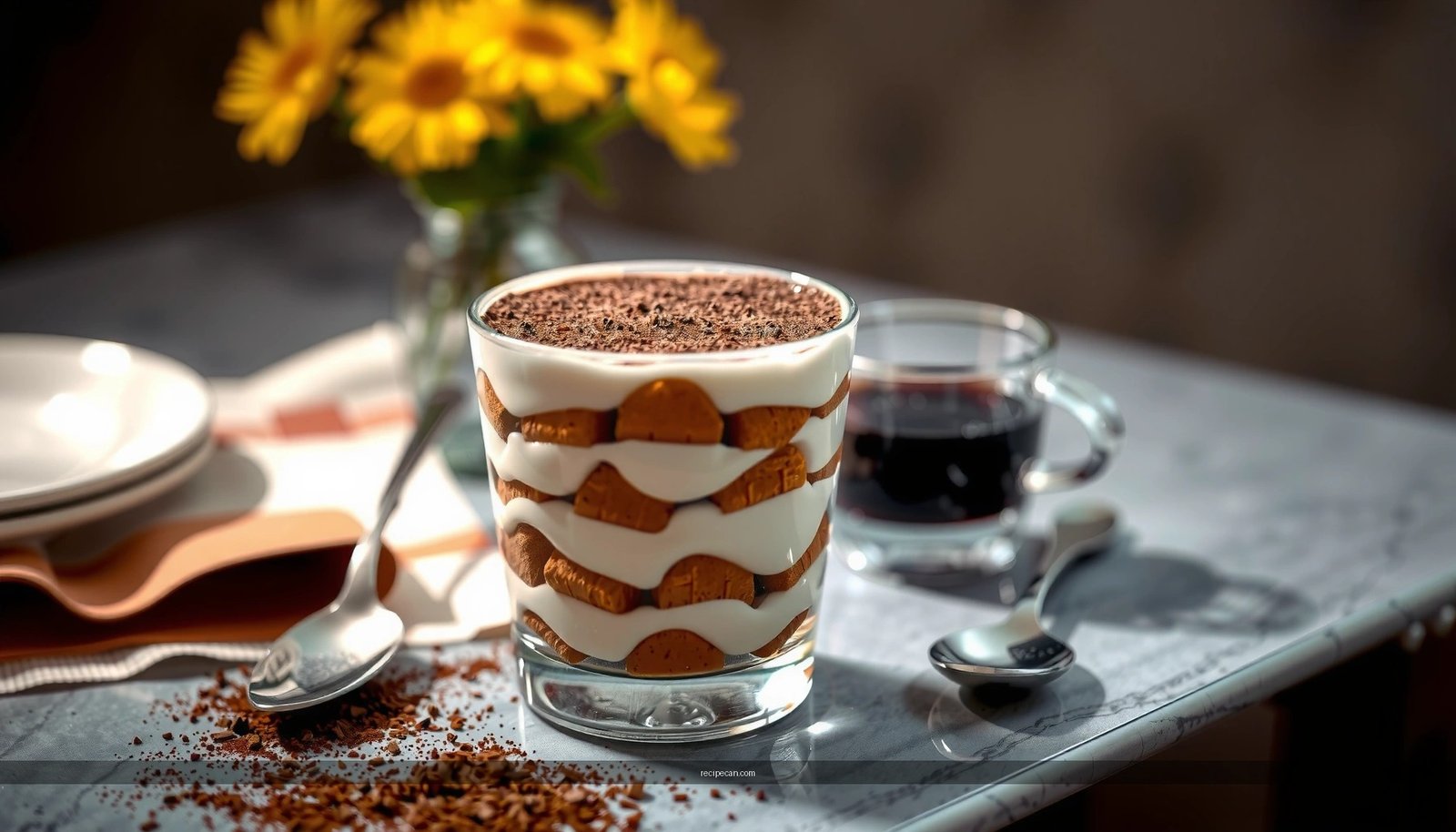
Get the Italy tiramisu recipe that delivers an authentic, classic dessert—layered correctly, soaked just right, and finished with cocoa—every time. This guide answers whether you can make tiramisu at home with easy steps while still hitting the traditional flavor and texture that make it a true winner. Follow the straightforward method and you’ll have restaurant-style tiramisu ready to serve with confidence.
The best Italy tiramisu recipe is straightforward: alternate espresso-soaked ladyfingers with a smooth mascarpone cream, then chill until the layers set into clean, sliceable texture. If you follow the soaking and chilling guidance below—especially avoiding over-soaking—you’ll get the authentic flavor and consistency people expect from classic tiramisu every time.
Follow the steps below for an authentic, foolproof tiramisu with the right texture and flavor.
Classic Italy Tiramisu Ingredients
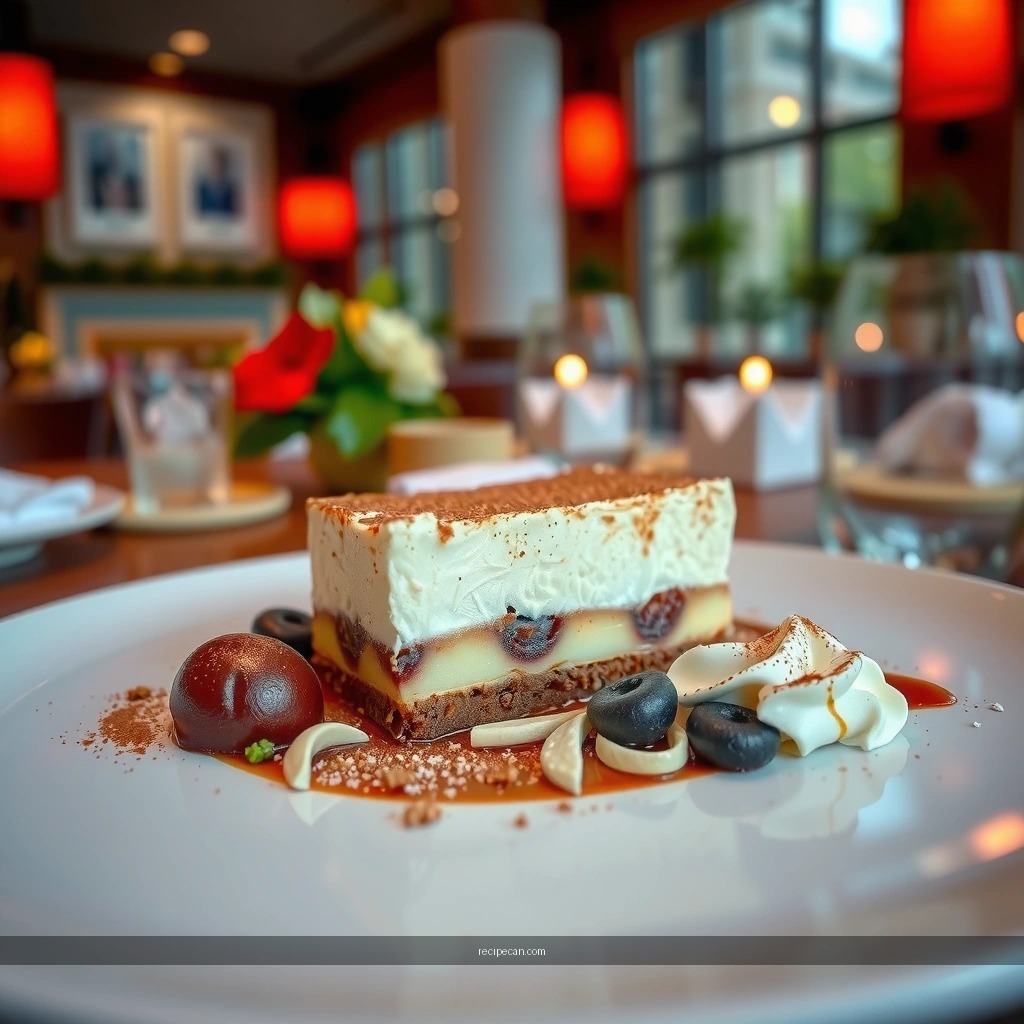
– Use mascarpone, eggs (or alternatives), sugar, espresso, ladyfingers, and cocoa powder
– Choose strong espresso or coffee for bold flavor
Classic tiramisu is less about fancy components and more about ingredient quality and correct proportions. In practice, that means choosing:
– Mascarpone: full-fat mascarpone cheese provides the signature creamy body and mild tang. Avoid low-fat substitutes if you want classic texture.
– Eggs + sugar: traditional tiramisu builds creaminess by gently combining eggs with sugar until thickened and glossy. Many cooks also use egg alternatives for convenience and food-safety preferences (covered below).
– Ladyfingers (savoiardi): these are the “canvas” for espresso. Their porosity is what makes the dessert work when dipped quickly.
– Espresso or very strong coffee: tiramisu flavor is coffee-forward, but it should taste balanced—not harsh. Use espresso if possible, or a strong dark-roast coffee.
– Cocoa powder: cocoa dusting provides bitterness and aroma that cut through the sweetness of the mascarpone cream.
To keep your tiramisu tasting “Italian restaurant” rather than “coffee cake,” prioritize freshly ground coffee/espresso, good cocoa powder (unsweetened), and properly thickened cream.
Make the Creamy Mascarpone Mixture
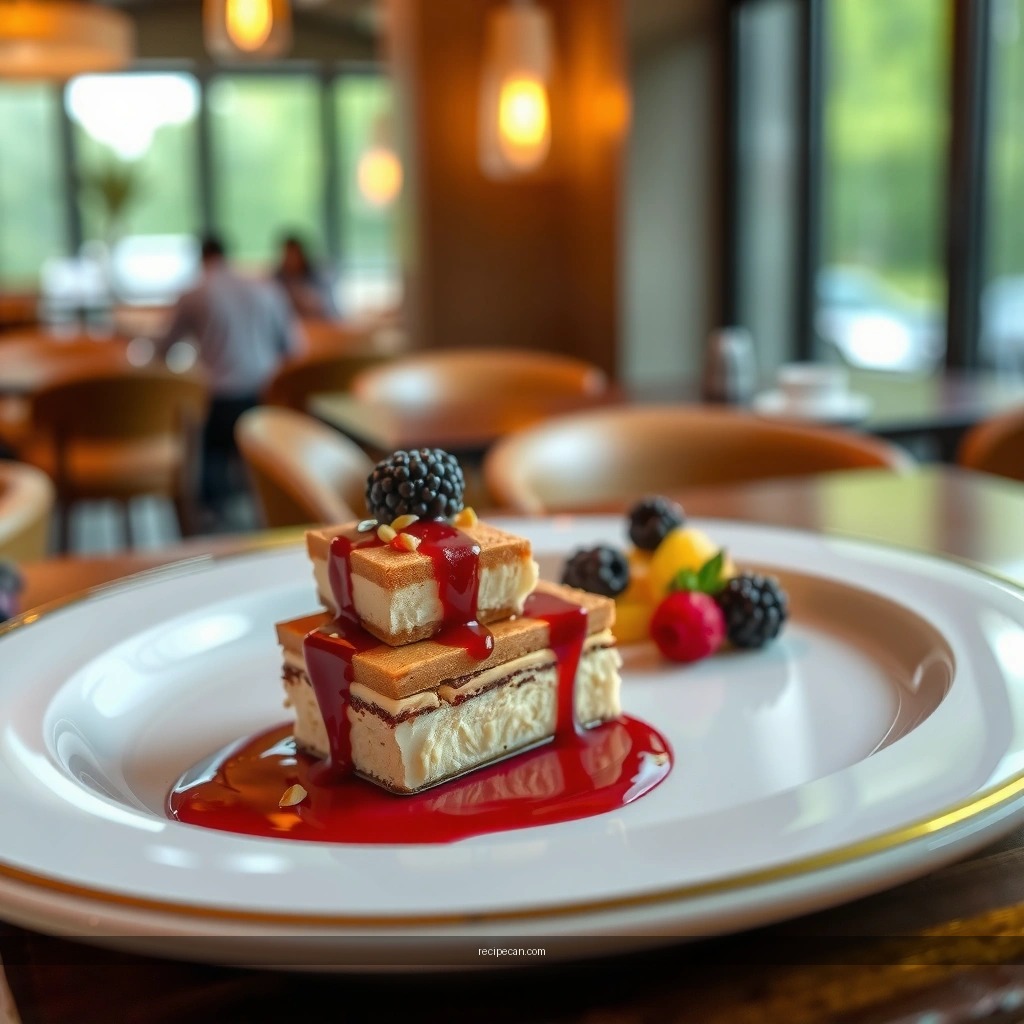
– Whisk mascarpone until smooth, then combine with sweetened egg mixture
– Aim for a thick, spreadable consistency without lumps
The mascarpone cream is where most homemade tiramisu deviates from the authentic ideal. The goal is a cream that is:
1. Smooth (no graininess),
2. Thick enough to hold layers (not runny),
3. Spreadable (not stiff like frosting),
4. Stable after chilling.
Traditional method (eggs + sugar)
1. Separate the eggs (or use whole eggs if you prefer a different technique), then whip:
– Egg yolks with sugar until they lighten.
2. Whip egg whites until they form soft-to-medium peaks (not dry).
3. Fold carefully:
– Fold mascarpone into the yolk mixture first to smooth it out.
– Then fold in the whipped whites gently to preserve air.
Alternative egg approaches (for convenience)
If you prefer to reduce raw-egg risk or want a more consistent outcome:
– Use pasteurized eggs (widely available in many regions) and proceed normally.
– Heat-stabilized yolk base: cook yolks with sugar using gentle heat until thickened (then cool) before combining with mascarpone and whipped whites.
What “right texture” looks like
When done correctly, your cream should:
– Leave ribbons when spooned or lifted,
– Spread without tearing the ladyfingers,
– Hold a peak briefly if you drag a spoon across the surface.
If your mixture is too thick, gently loosen with a teaspoon of cold espresso. If it’s too thin, refrigerate 15–20 minutes before layering—cold mascarpone often regains structure.
Prepare Espresso & Soak Ladyfingers

– Brew espresso and let it cool slightly for better layering
– Dip ladyfingers quickly so they absorb flavor without turning soggy
The espresso preparation step determines whether tiramisu layers stay intact or collapse into a watery dessert. Two variables matter most: temperature and dipping time.
Cool the espresso (lightly)
Brew espresso and let it cool to warm or room temperature. If it’s piping hot, it can melt cream, soften ladyfingers too quickly, and cause uneven texture. A practical target is warm but not hot—think “comfortably drinkable,” not “fresh from the espresso machine.”
Dip fast—then stop
Ladyfingers are designed to absorb flavor, but only briefly. Use this approach:
– Quick dip: about 1–2 seconds per side (or a fast “swipe” through liquid).
– Then layer immediately.
– If you see the cookie actively breaking down in the liquid, you’re dipping too long.
How to adjust for different brands
Not all ladyfingers absorb at the same rate. If your first attempt turns out too firm, you can increase dip time slightly. If it turns out watery, shorten dipping or allow the ladyfingers to sit 30 seconds after dipping before layering.
Layering for the Perfect Tiramisu
– Alternate layers of soaked ladyfingers and mascarpone cream
– Finish with a final cream layer and generous cocoa dusting
Layering is where engineering meets elegance. The goal is consistent thickness and even saturation—so each forkful tastes like cream plus espresso, balanced by cocoa bitterness.
A dependable assembly pattern:
1. First cream layer (a thin base smear)
– This prevents the bottom cookies from slipping and creates a smooth first bite.
2. Ladyfingers layer
– Dip quickly, then arrange in a single even layer.
3. Mascarpone cream layer
– Spread to cover fully.
4. Repeat (usually 2–3 total rounds depending on your dish depth)
5. Final cream layer
– Top evenly, then dust generously with cocoa powder.
The “don’t crush it” rule
When spreading the cream:
– Use a gentle back-and-forth motion rather than pressing down.
– If the ladyfingers shift, add the next spoonful of cream at the edges first—this stabilizes them.
Cocoa timing
Dust cocoa powder right before serving (or shortly before chilling finishes) if you want a fresher cocoa aroma. If you prefer deeper cocoa diffusion, dust earlier—but do so lightly at first and add a final layer before serving.
Chill Time and Serving Tips
– Refrigerate at least 4–6 hours (overnight is best) to set the texture
– Serve chilled for clean slices and rich, balanced taste
Tiramisu is not a “mix and eat immediately” dessert. Chilling is what:
– lets espresso fully integrate,
– thickens the cream after folding,
– allows layers to set into clean, structured slices.
Minimum chill time
– At least 4–6 hours in the refrigerator.
– Overnight is best for the most authentic texture and flavor melding.
Serving for clean portions
To make professional-looking slices:
– Chill your serving knife in hot water, wipe, and slice with a steady motion (don’t saw aggressively).
– Serve slightly cold—straight from the fridge is ideal, but let the tray sit 5–10 minutes if your refrigerator runs very cold.
Flavor payoff after resting
In a well-set tiramisu:
– the coffee tastes smoother (less “sharp espresso”),
– mascarpone feels more unified,
– sweetness and cocoa bitterness balance more clearly.
Common Mistakes to Avoid
– Over-soaking ladyfingers can make tiramisu watery
– Skipping proper chilling prevents the dessert from setting fully
Even when recipes look correct, tiramisu can fail due to a few recurring issues:
1. Over-soaking the ladyfingers
– Symptom: pooling espresso at the edges, runny middle, collapsed layers.
– Fix: reduce dip time, cool espresso, and consider a quick “brief drain” on a rack or plate before layering.
2. Skipping adequate chilling
– Symptom: cream looks airy but won’t slice, layers smear together.
– Fix: refrigerate at least 4–6 hours; overnight for best structure.
3. Over-mixing the cream
– Too much stirring can reduce air you folded into the mixture, leaving a heavy, less luxurious texture.
– Fix: fold with patience; stop when the mixture is uniform.
4. Using weak coffee
– Symptom: dessert tastes sweet and milky with low coffee identity.
– Fix: use espresso or a strong dark roast brewed robustly.
5. Not spreading evenly
– Symptom: some bites taste overly coffee-soaked while others are cream-heavy.
– Fix: spread cream to cover the entire ladyfinger layer consistently.
Below is a data table you can use as a quick reference when tuning your process—specifically the “dip time” and the expected outcome.
Tiramisu Assembly Tuning: Espresso Dip Time vs. Layer Texture
| # | Dip Time per Side | Expected Absorption | Chill Set Quality | Best For | Verdict |
|---|---|---|---|---|---|
| 1 | 0.5–1 second | Low | Very clean slices | Firm ladyfingers | Highly recommended |
| 2 | 1–2 seconds | Balanced | Stable, creamy set | Classic texture | Best all-round |
| 3 | 2–3 seconds | Medium-high | Softened edges | Very dry cookies | Works with adjustments |
| 4 | 3–4 seconds | High | Possible loosened layers | Only in small batches | Risky |
| 5 | 4–5 seconds | Very high | Watery pooling likely | Avoid for classic style | Not recommended |
| 6 | No dip + spooning | Low-moderate | Cream forward | Lighter coffee profile | Good alternative |
| 7 | Dip + brief drain (10–20s) | Medium | Better control | Inconsistent brands | Highly practical |
A great Italy tiramisu recipe comes down to balanced layers, a smooth mascarpone cream, and enough chilling time. Pick a preferred egg approach, follow the soaking-and-layering steps, and refrigerate before serving—then enjoy your authentic homemade tiramisu right away.
When you nail the two critical control points—how quickly you dip the ladyfingers and how long you chill the assembled dessert—you’ll consistently produce the classic tiramisu texture: creamy, coffee-infused, cocoa-finished, and cleanly sliceable.
Frequently Asked Questions
What are the essential ingredients in an authentic Italy tiramisu recipe?
An authentic Italy tiramisu recipe typically includes mascarpone cheese, espresso (or strong coffee), ladyfingers (savoiardi), eggs, sugar, and cocoa powder. For many traditional versions, egg yolks are beaten with sugar and folded into mascarpone, while whipped egg whites add lightness. Some recipes also use a splash of Marsala or dark rum for depth, but the core ingredients stay the same for a classic tiramisu taste.
How do you make Italy tiramisu without raw eggs?
If you want a safer Italy tiramisu recipe, choose a version that uses pasteurized eggs or cook the egg mixture gently over a double boiler until it thickens. Another option is to use mascarpone with a no-egg method, such as whipped cream folded in with sweetened mascarpone, though the texture will be slightly different. Regardless of the approach, chill the tiramisu long enough so the flavors meld and the layers set properly.
Why does my tiramisu turn watery or too soggy, and how can I prevent it?
Watery or soggy tiramisu usually happens when the ladyfingers soak too long in espresso, or when the coffee is too hot and softens the cookies quickly. Dip each side briefly and let excess coffee drip before layering to keep the structure in an Italy tiramisu recipe. Also, avoid overly loose mascarpone mixture—make sure your mascarpone filling is well-whipped and refrigerated before assembling.
Best way to layer and assemble an Italy tiramisu recipe for clean slices?
For clean layers in an Italy tiramisu recipe, start with a thin layer of mascarpone mixture, add a single even layer of quickly dipped ladyfingers, then repeat with mascarpone until you reach the top. Use an offset spatula to spread filling smoothly and tap the dish lightly to settle layers. Chill the assembled tiramisu for at least 4–6 hours (or overnight) so it firms up, which makes slicing much easier.
Which cocoa and coffee work best for traditional Italian tiramisu flavor?
For the classic flavor in an Italy tiramisu recipe, use finely ground unsweetened cocoa powder (often “bitter” cocoa) for a traditional dusting on top. Brew a strong espresso or very concentrated coffee and let it cool before dipping the ladyfingers, which helps prevent sogginess. If you like a more Italian-style aroma, consider adding a small amount of Marsala or rum to the coffee mixture for complexity.
References
- Tiramisu
https://en.wikipedia.org/wiki/Tiramisu - Tiramisu | Meaning, Ingredients, Origin, Desserts, & Taste | Britannica
https://www.britannica.com/topic/tiramisu - Search recipes – BBC Food
https://www.bbc.co.uk/food/search?q=tiramisu - https://www.theguardian.com/search?q=tiramisu+recipe
https://www.theguardian.com/search?q=tiramisu+recipe - https://www.nytimes.com/search?query=tiramisu%20recipe
https://www.nytimes.com/search?query=tiramisu%20recipe - https://pubmed.ncbi.nlm.nih.gov/?term=tiramisu
https://pubmed.ncbi.nlm.nih.gov/?term=tiramisu - https://www.sciencedirect.com/search?qs=tiramisu
https://www.sciencedirect.com/search?qs=tiramisu - Google Scholar Google Scholar
https://scholar.google.com/scholar?q=Italy+tiramisu+recipe+mascarpone+eggs - Google Scholar Google Scholar
https://scholar.google.com/scholar?q=tiramisu+food+science+coffee+cocoa - Google Scholar Google Scholar
https://scholar.google.com/scholar?q=Italian+dessert+tiramisu+history+recipe