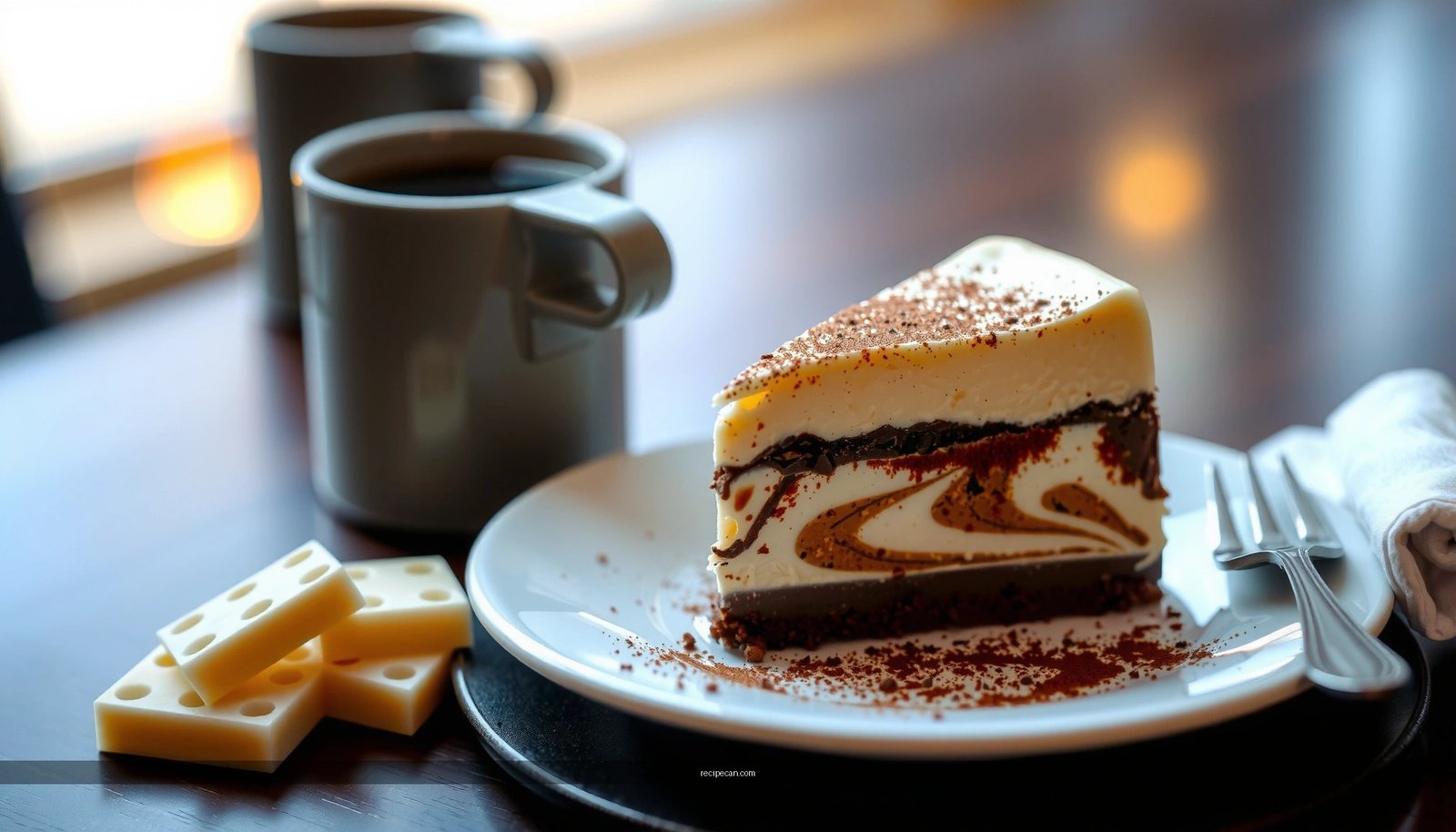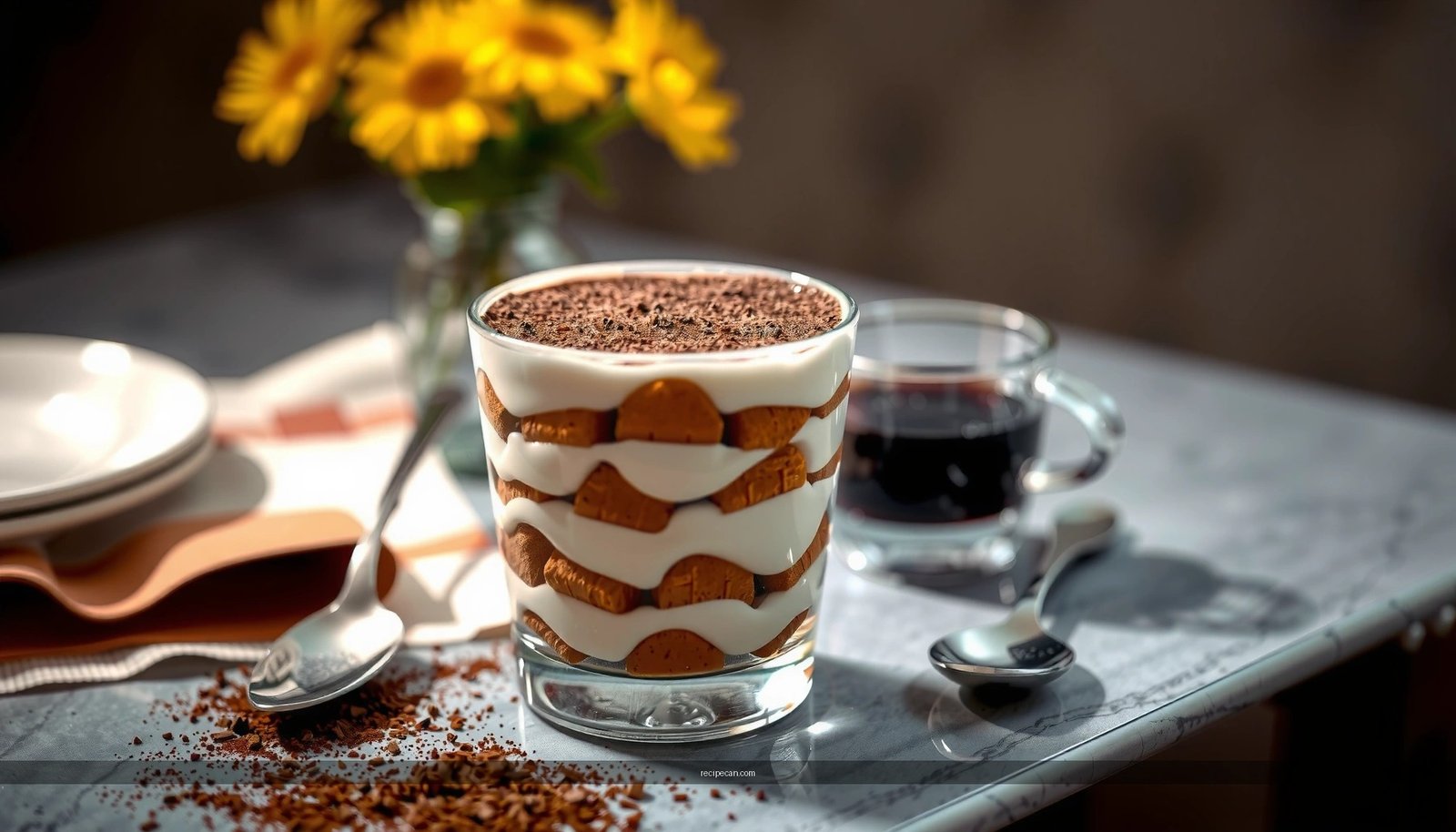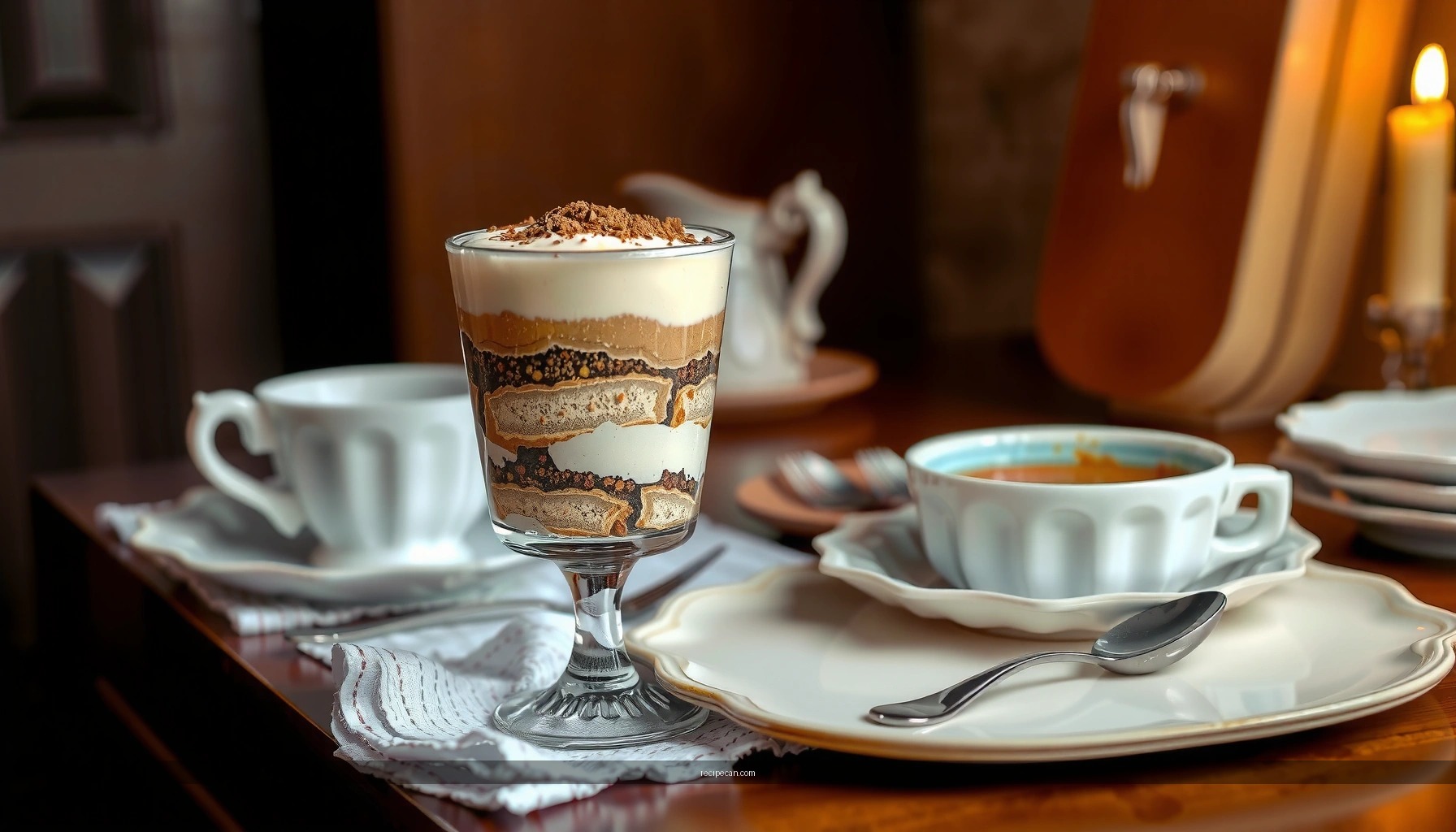
Get an authentic Italian tiramisu recipe that delivers the classic, spoonable texture and coffee-soaked layers you expect—followed step by step. This is the winner if you want traditional mascarpone, properly beaten eggs, and the right balance of espresso and cocoa in every slice. By the end, you’ll know exactly how to build tiramisu the Italian way, not just approximate it.
This Italian tiramisu recipe is the classic, authentic method: mascarpone cream folded with espresso-soaked savoiardi (ladyfingers) and finished with unsweetened cocoa. If you follow the soaking speed and chilling time closely, you’ll get a creamy, not-too-sweet tiramisu with the right structure to slice cleanly—without turning the cake into mush.
This dessert’s reputation for being “easy” is well-earned, but its results depend on a few precision steps. Authentic tiramisu is not about adding more sugar or more cream—it’s about balancing the bitterness of espresso, the richness of mascarpone, and the lightness created by proper folding and set time in the refrigerator. Below, you’ll find a complete, step-by-step process designed for consistent texture, classic flavor, and reliable assembly.
Espresso Choices That Best Match Classic Tiramisu (Guidance)
| # | Espresso Style | Roast | Target Brew (ratio) | Match Rating | Best For | Soak Risk |
|---|---|---|---|---|---|---|
| 1 | Traditional Italian espresso | Dark | 1:2 (18g→36g) | ★★★★★ | Classic bite | Low |
| 2 | Bold medium-dark espresso | Medium-dark | 1:2.5 (18g→45g) | ★★★★☆ | Creamy balance | Low–Med |
| 3 | Single-origin espresso (chocolate-forward) | Medium | 1:2.2 (18g→40g) | ★★★★☆ | Slightly brighter cocoa | Med |
| 4 | Decaf espresso (premium) | Medium-dark | 1:2.2 (18g→40g) | ★★★☆☆ | Evening serving | Med |
| 5 | Very light roast espresso | Light | 1:2 (18g→36g) | ★★☆☆☆ | If you prefer less bitterness | High |
| 6 | Pre-bottled “espresso style” coffee | Varies | Unclear | ★★☆☆☆ | Only in a pinch | High |
| 7 | Extra strong moka pot espresso | Dark | ~1:2 (by volume) | ★★★★☆ | Intense espresso layer | Low |
Essential Ingredients for Authentic Italian Tiramisu
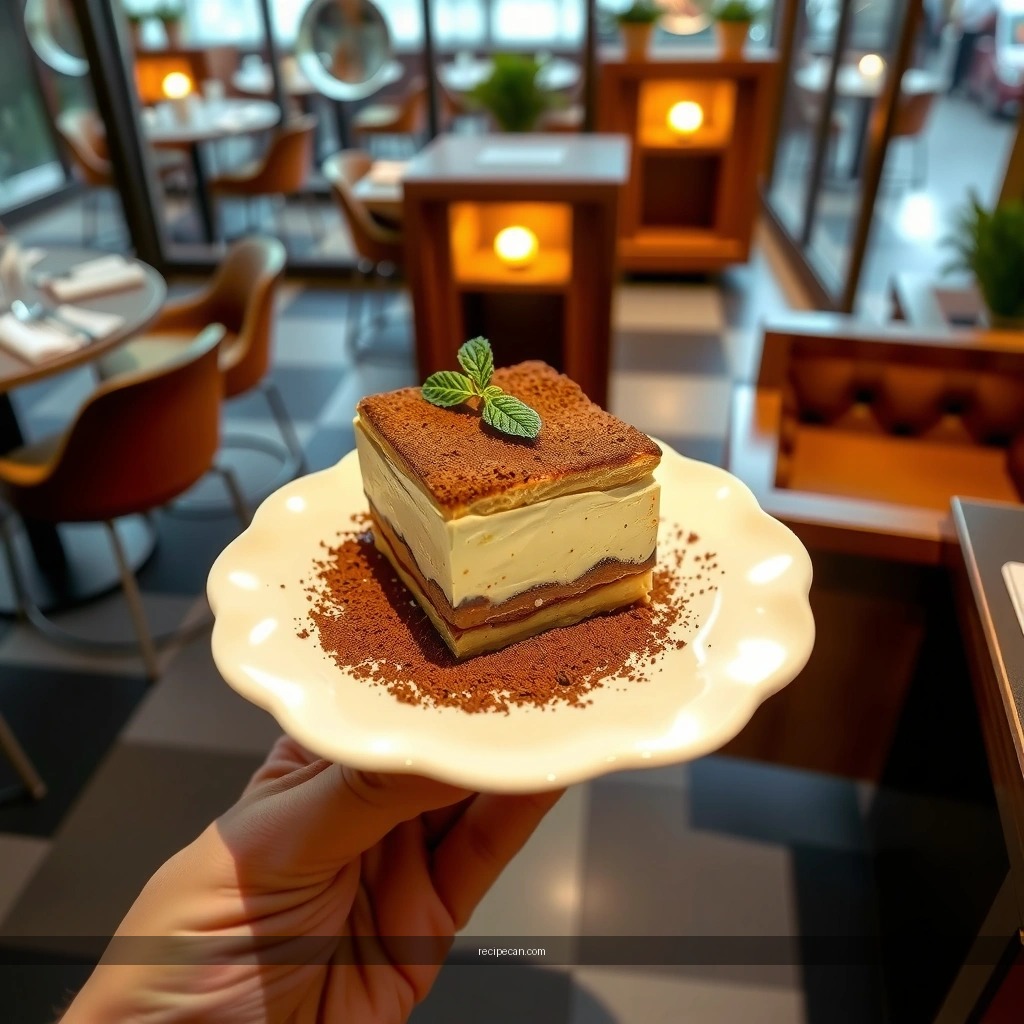
The “authentic” part of an Italian tiramisu recipe is mostly ingredient quality and restraint. You’re building a layered espresso-and-cream dessert, so every component must pull its weight without overpowering the rest.
– Use fresh mascarpone and high-quality espresso
Mascarpone should be fresh, smooth, and refrigerated—not separated or overly warm. For espresso, aim for a deep, concentrated cup with a distinctly coffee-forward profile. The espresso is not there as “coffee flavor”; it supplies the bitterness that makes cocoa and cream taste balanced.
– Choose classic savoiardi (ladyfingers) for proper soaking
Savoiardi are sturdier and more absorbent in the exact way tiramisu needs. If you use sponge cake or delicate cookies, you’ll struggle with either under-soaking (hard bites) or over-soaking (collapsing layers).
– Add unsweetened cocoa powder for the traditional finish
Natural or Dutch-process cocoa can both work, but use cocoa that is clearly unsweetened. The topping is meant to be slightly bitter and aromatic—dust it lightly so it complements rather than masks the mascarpone.
A practical quality checklist
Before you start, confirm:
1) Mascarpone is cold and cohesive
2) Espresso is freshly brewed (or well-stored and not diluted)
3) Savoiardi are plain and “tiramisù-ready” (not flavored, not filled)
Classic Mascarpone Cream (Key to the Texture)
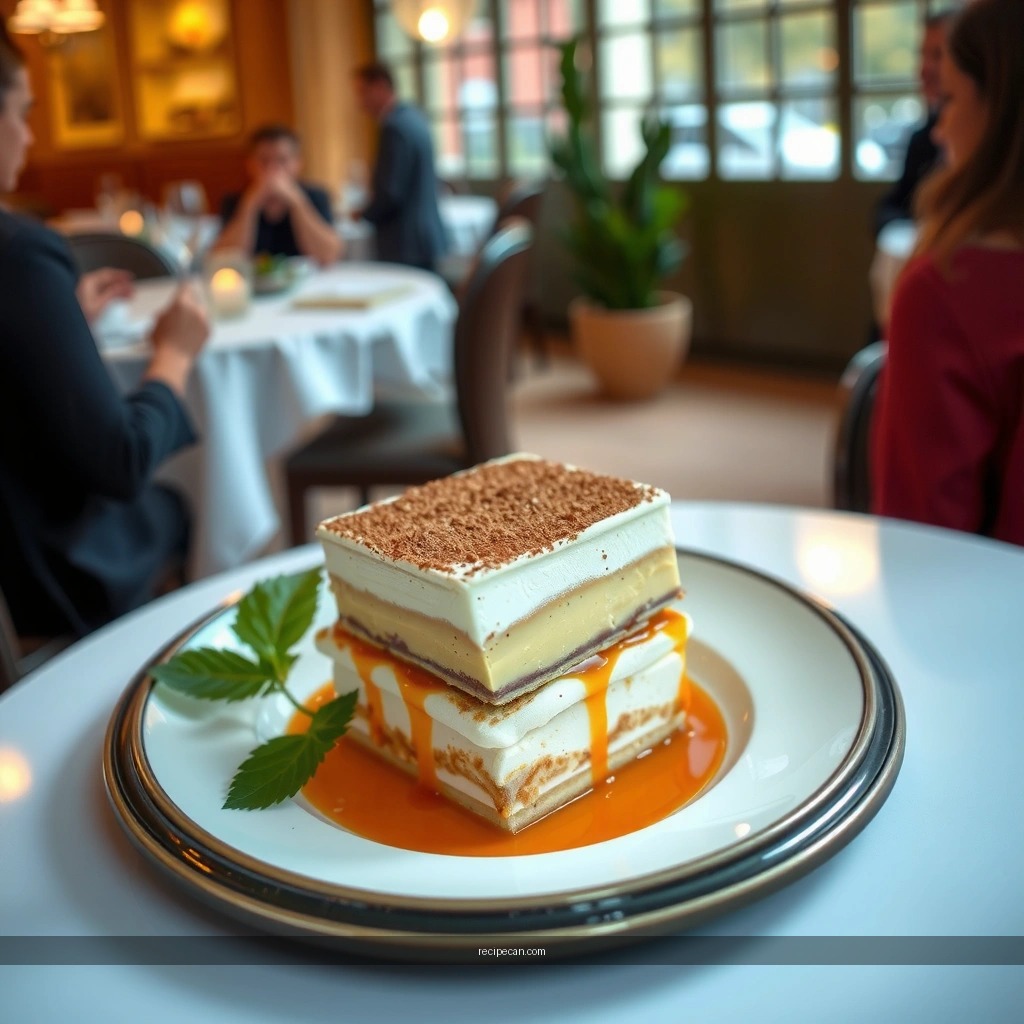
Most tiramisu failures happen in the cream stage—usually from overmixing, under-whisking, or rushing the folding step. The classic texture is silky and thick enough to hold layers, yet light enough to feel creamy rather than heavy.
– Whisk mascarpone until smooth and lump-free
Even premium mascarpone can form minor lumps. Whisking first smooths the base so later additions don’t create grainy pockets. Keep mixing controlled—stop once it’s uniform.
– Fold in egg mixture carefully for a light, creamy consistency
Traditional Italian tiramisu often uses a yolk/sugar component that is whipped until pale and creamy, then combined with mascarpone. The technique matters: folding should be gentle and directional so you keep air in the mixture. If you aggressively stir, you risk thinning the cream or losing the airy mouthfeel.
– Adjust sweetness to keep the dessert balanced
Classic tiramisu is typically “not-too-sweet.” If your mascarpone is very mild, you may slightly increase sugar in the egg component, but avoid turning it into a custard-like candy. Balance comes from espresso bitterness and cocoa depth; too much sweetness flattens both.
Analytical note: why “light” is structural, not just sensory
The cream’s lightness comes from two sources: (1) properly aerated eggs (especially the yolk/sugar whip), and (2) folding discipline. That combination helps the dessert set firmly during chilling so slices hold shape rather than spreading.
Perfect Coffee Soaking Technique
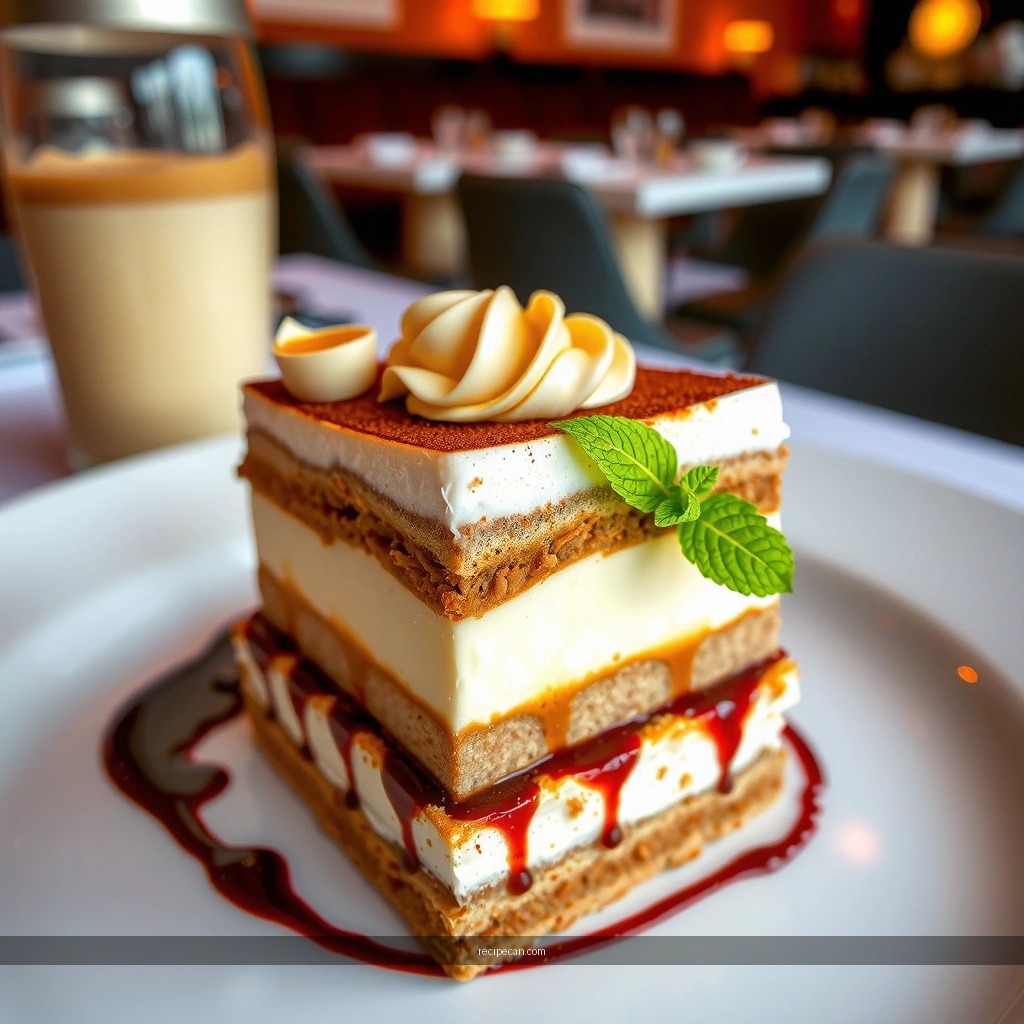
Savoiardi soaking is the make-or-break step for texture. The goal is to flavor the ladyfingers throughout enough that each bite tastes espresso, while maintaining enough structure to prevent sogginess.
– Brew strong espresso and let it cool slightly
Warm espresso can melt mascarpone or cause uneven soaking. Cool it until it’s hot but not scorching—so it penetrates the savoiardi consistently without degrading the layers.
– Dip ladyfingers quickly—don’t oversoak
A fast dip is essential. Think seconds, not minutes. You want the exterior to absorb, then the interior to flavor as the coffee disperses during assembly.
– Use enough coffee to flavor every bite without sogginess
If you only use a small amount of coffee, you’ll end up re-dipping unevenly or leaving dry edges. Prepare enough espresso so each ladyfinger has similar exposure.
“Soak timing” guidance you can rely on
A consistent approach:
– Dip each side briefly, then remove.
– Assemble immediately so the cream and coffee integrate in the chill.
If your tiramisu often turns watery, you’re almost always oversoaking or assembling too slowly after dipping.
Assembly Tips for Best Results
Classic tiramisu is visually ordered—straight layers, clean edges, and a top surface that accepts cocoa evenly. Assembly is also where you control portion balance: too much cream relative to savoiardi can taste heavy; too much savoiardi can taste dry.
– Layer mascarpone cream and savoiardi evenly
Create consistent coverage so the dessert slices uniformly. Uneven layers lead to “coffee pockets” or cream-heavy bites.
– Repeat layers until you reach your desired height
Most classic recipes aim for two or three layers depending on your dish size. Use the container dimensions to decide: shallow dishes make it easier to slice cleanly; deeper dishes look dramatic but need extra set time.
– Smooth the top layer for an even cocoa dusting
Cocoa adheres best to a smooth, slightly set surface. If the top is uneven, dusting becomes patchy and the dessert’s classic presentation is lost.
Professional plating tip
After layering, chill the assembled tiramisu briefly (even 20–30 minutes) before the final cocoa dusting if your kitchen runs warm. This helps the top cream stabilize for cleaner dusting.
Chilling Time and Flavor Development
Chilling isn’t optional—it’s part of the recipe. Over time, espresso spreads through the ladyfingers and cream flavors meld, creating the signature balance.
– Refrigerate at least 4–6 hours (overnight is best)
Four to six hours can work if your soaking is controlled, but overnight chilling typically produces the most cohesive slices and harmonized flavors.
– Keep covered to prevent the top from drying out
Drying dulls flavor and can cause the top to crack or become less creamy. Cover the dish fully to keep the texture intact.
– Let it set properly so slices hold cleanly
Set time thickens the overall structure and helps avoid slumping. For best results, slice cold, with a sharp knife.
Flavor development: what changes overnight
Espresso’s acidity mellows and cocoa’s aroma becomes more pronounced as the layers equilibrate. That’s why tiramisu tastes better the next day—your cream becomes more integrated, and each bite feels balanced rather than layered in isolation.
Serving and Storage for Fresh Italian Tiramisu
A classic tiramisu serve-and-store approach protects texture and maintains the signature espresso-cocoa balance.
– Dust cocoa just before serving for best appearance
Cocoa can absorb moisture over time and darken unevenly. Dust immediately prior to serving for the clean, traditional look.
– Slice with a clean, sharp knife
Wipe the blade between cuts for neat edges. Cold slicing is crucial—warm cream smears and breaks.
– Store covered in the fridge and enjoy within 2–3 days
Keep it chilled and covered. While tiramisu is best fresh, it remains enjoyable for a couple of days because the flavors stay integrated and the structure remains stable if stored properly.
Storage notes from experience
– Do not freeze: mascarpone-based textures often degrade after thawing.
– If you need to serve later, chill first and wait to dust cocoa until close to serving time.
After chilling, this authentic Italian tiramisu comes out creamy, well-set, and perfectly espresso-cocoa balanced. Gather your mascarpone, espresso, and savoiardi, follow the layering and soaking tips, then refrigerate overnight for the best results—make it today and serve it tomorrow.
Frequently Asked Questions
What makes an authentic Italian tiramisu recipe different from other versions?
An authentic Italian tiramisu recipe is built on a few signature elements: espresso-soaked ladyfingers, mascarpone, egg yolks, sugar, and cocoa powder. The classic flavor profile is less sweet than many variations and uses a creamy mascarpone base that’s meant to taste rich but balanced. Authentic Italian tiramisu is also typically assembled immediately before serving or kept chilled briefly so the ladyfingers stay tender rather than fully soggy.
How do you make authentic tiramisu with raw eggs safely?
If you’re following a traditional Italian tiramisu approach with egg yolks, consider using pasteurized eggs to reduce food-safety risk while keeping the classic texture. Another common method is to temper the yolks by slowly whisking hot sugar syrup into the yolks, which gently heats them before mixing with mascarpone. Either way, chill your tiramisu recipe thoroughly and keep it refrigerated until serving to maintain both safety and quality.
Which coffee should you use for an authentic tiramisu recipe?
For an authentic Italian tiramisu recipe, use strong espresso or an espresso-style coffee so the flavor stands up against the creamy mascarpone. Brew it concentrated (not overly diluted) and let it cool to room temperature before soaking the ladyfingers. Soak quickly—just enough to moisten—because over-soaking can cause a watery tiramisu and break the structure.
Best way to assemble tiramisu so it doesn’t turn watery?
Watery tiramisu is usually caused by soaking the ladyfingers too long or having a filling that’s too loose. Dip ladyfingers briefly and drain any excess coffee, then layer promptly to keep the texture classic and firm. Also ensure your mascarpone filling is well mixed but not overworked, and chill the finished dessert so it sets properly without becoming runny.
Why does traditional Italian tiramisu include cocoa on top, and when should you add it?
Cocoa powder adds the classic bitterness and aroma that balance the sweetness of mascarpone and egg yolks. For the best authentic Italian tiramisu recipe result, dust cocoa powder lightly just before serving so it stays aromatic and doesn’t dissolve into the cream. Using a fine sieve helps create an even, authentic cocoa finish across the top.
References
- Tiramisu
https://en.wikipedia.org/wiki/Tiramisu - Mascarpone
https://en.wikipedia.org/wiki/Mascarpone - Ladyfingers (biscuits)
https://en.wikipedia.org/wiki/Savoiardi - Lady finger
https://en.wikipedia.org/wiki/Ladyfinger - Espresso
https://en.wikipedia.org/wiki/Espresso - Google Scholar Google Scholar
https://scholar.google.com/scholar?q=authentic+%22tiramisu%22+recipe+italian - Google Scholar Google Scholar
https://scholar.google.com/scholar?q=tiramisu+history+origin+Italy - Google Scholar Google Scholar
https://scholar.google.com/scholar?q=mascarpone+egg+coffee+savoiardi+tiramisu - Tiramisu | Meaning, Ingredients, Origin, Desserts, & Taste | Britannica
https://www.britannica.com/topic/tiramisu - Mascarpone | Cheese, Meaning, Recipe, & Tiramisu | Britannica
https://www.britannica.com/topic/mascarpone