
Italian-style sheet pan meatloaf bakes in one pan and comes out firm enough to slice into neat, satisfying portions. A mix of ground meat, Italian herbs, Parmesan, and breadcrumbs helps it hold together, while the added tomato sauce and olive-oil sheen keep every bite juicy. Shape the loaf on a lined sheet, bake until cooked through, and rest briefly so clean slices come out on the first try.



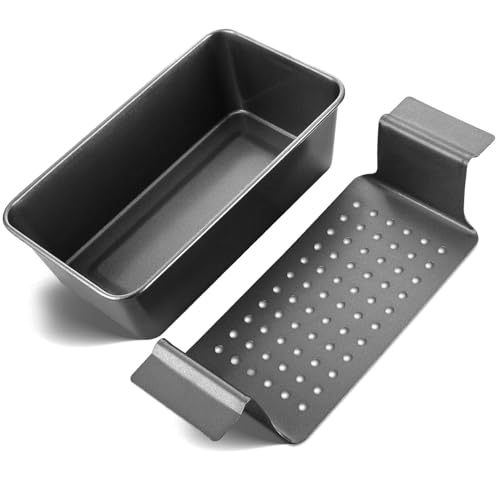
Yes—bake an Italian-seasoned meatloaf as a slab on a sheet pan, glaze with marinara, then rest and slice cleanly. This sheet-pan method cooks evenly (often faster than a traditional loaf pan), so you get classic Italian flavors—garlic, parmesan, and marinara—with less fuss.
Bake an Italian-seasoned meatloaf on a sheet pan, glaze it with marinara, and slice it neatly after a short rest. The sheet-pan method cooks the meatloaf evenly (and faster than a traditional loaf pan), so you get that classic Italian flavor without the fuss. This guide walks you through the ingredients, oven timing, and how to tell when it’s perfectly done.
Who This Italian Sheet Pan Meatloaf Is For

– Busy weeknights when you want “meatloaf vibes” with minimal effort.
– Families who love Italian flavors like garlic, parmesan, and marinara.
– Anyone who struggles with loaf-pan meatloaf that’s hard to portion neatly.
This Italian sheet pan meatloaf is especially friendly if you like the comfort of meatloaf but want it to behave like a reliable “slice-and-serve” dinner. As of 2026, that matters because many people are looking for weeknight meals that reheat well and don’t turn into a crumbled mess the next day.
Recipe Overview & Time Required

This Italian sheet pan meatloaf is a comfort-food dinner that’s surprisingly simple: you mix everything, spread it into a slab, bake, then finish with a bright marinara glaze (and optional melted mozzarella). It’s sliceable, crowd-friendly, and great for leftovers—because reheating thin slices is way easier than dealing with a whole loaf. For most people, this hits the sweet spot between “classic meatloaf” and “quick oven dinner.” Difficulty is beginner-friendly—seriously.
– 🕐 Prep Time : 15 minutes
– 🍳 Cook Time : 35 minutes
– ⏱ Total Time : 50–55 minutes
Note: You’ll want a short rest before slicing so the juices settle.
(Quick reality check: cook time can vary based on slab thickness and your oven. The Italian sheet pan meatloaf is best judged by internal temperature—more on that below.)
Ingredients
You’ll build the Italian flavor with garlic, Italian seasoning, parmesan, and marinara. For texture, breadcrumbs help the meatloaf stay tender and slice cleanly instead of turning into a dense block. Use fresh garlic if possible, and choose a parmesan that’s flavorful (not bland), because it’s a key flavor driver in this Italian sheet pan meatloaf.
Main Ingredients
– 1.5 lb ground beef (80–85% lean) — leaner cuts dry out faster
– 1/2 cup breadcrumbs (Italian-seasoned or plain + extra seasoning)
– 1/2 cup milk (or water) — adds moisture and helps bind
– 1 large egg, lightly beaten — binder for a sliceable Italian sheet pan meatloaf
– 1/2 cup grated parmesan (plus more for serving if you like)
– 2–3 cloves garlic, minced
– 1 small onion, finely chopped (or 2–3 tbsp onion powder, if needed)
– 2 tbsp chopped parsley (optional, but great)
– 2 tsp Italian seasoning
– 1/2 tsp salt (adjust to taste)
– 1/2 tsp black pepper
For the Sauce / Topping
– 1 to 1 1/2 cups marinara sauce — choose one you’d actually like to eat on pasta
– 1 tbsp olive oil (optional, for extra glossy sauce)
– 1–2 tbsp balsamic vinegar or brown sugar (optional, to balance acidity—use only if you like)
Optional Garnish
– 1/4 cup sliced basil or extra parmesan
– 1–2 tsp red pepper flakes
Step-by-Step Instructions
– Key idea: Spread the meat mixture into an even slab so it cooks consistently.
– Key idea: Glaze at the right time so it’s flavorful, not burned.
– Key idea: Rest before slicing for clean pieces.
1. Preheat and prep the pan.
Set your oven to 400°F (205°C). Line a sheet pan with parchment paper or lightly grease it so the Italian sheet pan meatloaf releases easily.
2. Mix the meatloaf base.
In a large bowl, combine ground beef, breadcrumbs, milk, egg, parmesan, garlic, onion, parsley (if using), Italian seasoning, salt, and pepper. Mix just until combined—overmixing can make it dense (nobody wants a tough Italian sheet pan meatloaf).
3. Shape it into a slab.
Spoon the mixture onto the sheet pan and press it into a rectangle (about 1 inch thick). Aim for even thickness. Consistency is what helps the Italian sheet pan meatloaf cook through without dry edges.
4. Bake the loaf first (to set it).
Bake for about 20–25 minutes. This first bake sets the structure so the marinara doesn’t make the slab watery or soggy.
5. Glaze with marinara and continue baking.
Spread marinara sauce over the top. Bake another 10–15 minutes, until the center reaches the right temperature. If the sauce looks like it’s reducing too fast, cover loosely with foil for the final stretch.
6. Finish with mozzarella (optional).
If using mozzarella, add it for the last 3–5 minutes so it melts without turning rubbery.
7. Rest, slice, and serve.
Let it rest for 8–10 minutes before slicing. This step helps the juices reabsorb, which is the difference between clean slices and messy crumble for your Italian sheet pan meatloaf.
How to Serve & Presentation Tips
Serve this Italian sheet pan meatloaf hot, with a little extra marinara spooned over the top. For a restaurant-style look, slice into even pieces (about 1/2 to 3/4 inch thick) and arrange them slightly overlapping on the plate.
Plating & Presentation
– Spoon marinara underneath and on top for a “glazed” shine.
– Finish with a light sprinkle of parmesan and basil for color contrast.
– For an easy family setup, slice on a cutting board and let everyone plate themselves.
What Goes Well With It
Italian sheet pan meatloaf is great with classic sides like:
– Garlic mashed potatoes or creamy polenta
– Buttered green beans or roasted broccoli
– A simple arugula salad with lemon vinaigrette
– Crusty bread to mop up marinara
Serving Temperature
Serve at warm, not steaming-hot—it holds together best after the 8–10 minute rest. If you slice immediately, the Italian sheet pan meatloaf tends to release more juices onto the plate.
Storage & Reheating
Cool leftovers completely, then refrigerate within 2 hours. Store slices in an airtight container for up to 3–4 days. Reheat in a 350°F/175°C oven or skillet until warmed through; microwave works, but oven reheating generally keeps the Italian sheet pan meatloaf sliceable and less watery.
Heat & Temperature Guide
This Italian sheet pan meatloaf is oven-baked so the slab browns at the edges while the center cooks through. Because slab thickness can vary, internal temperature (what the thermometer reads in the thickest part) is the most reliable indicator.
Cooking Method
You’re using oven-baking on a sheet pan, which helps edges caramelize while the center catches up. This method is also predictable for slicing because the slab cooks relatively evenly.
Temperature & Timing
– Oven: 400°F (205°C)
– Total bake: typically 30–40 minutes (about 20–25 minutes first, then 10–15 with marinara)
As of 2026, the core food-safety targets remain consistent: always check the center of the Italian sheet pan meatloaf.
According to the USDA FSIS, ground beef should reach 160°F (71°C) internal temperature (, USDA FSIS).
According to the USDA FSIS, ground poultry should reach 165°F (74°C) internal temperature (, USDA FSIS).
According to the USDA FSIS, you should use a food thermometer to confirm doneness rather than relying on color alone (, USDA FSIS).
How to Know It’s Done
– The center should feel set (not squishy), and juices should run clearer.
– The top will look glossy where marinara is glazed.
– The thickest part should read the target temperature on a quick-read thermometer.
Important: If your thermometer reads low, keep baking in 3–5 minute increments—this Italian sheet pan meatloaf responds well to short, targeted bake time.
What Can Go Wrong & How to Fix It
If your Italian sheet pan meatloaf doesn’t slice neatly or tastes off, it’s usually one fix away. These pitfalls are common, and they’re mostly tied to moisture, thickness, and timing—not complicated technique.
Meatloaf is falling apart when you slice it
This usually happens if it’s too loose or underbaked. Mix just until combined (not smooth and “paste-like”), and always rest 8–10 minutes—that rest helps the meat set so slices hold shape.
It’s dry
Dry meatloaf is almost always overbaking or using very lean meat. Pull it when it hits temperature, not when it “looks brown enough.” For the Italian sheet pan meatloaf, 80–85% lean ground beef is your best balance of juicy and sliceable.
The edges are burnt before the center is cooked
Your slab may be too thin or your oven runs hot. Keep the slab around 1 inch thick. If the edges brown early, tent loosely with foil during the last part of baking.
The marinara tastes “cooked” or bitter
If the sauce goes on too early, it can reduce too much and darken. Add marinara after the initial bake (around the 20–25 minute mark), so the glaze stays bright and fresh.
Food-safety guesswork
Don’t rely on color. Use a thermometer and hit the target internal temps noted above. If you don’t have one yet, consider it a low-effort upgrade—this Italian sheet pan meatloaf becomes far more forgiving once you measure.
Verdict / Tip, Quick Checklist, and FAQs
This Italian sheet pan meatloaf is a strong choice if you want classic Italian meatloaf flavor with a bake-and-slice method that’s easier than a traditional loaf pan. The slab format also gives you more control: you can portion cleanly and reheat slices without the next-day crumble problem.
Here’s the real trade-off: because the Italian sheet pan meatloaf is spread out, it can cook faster if your thickness is inconsistent. That’s why even thickness and a thermometer matter.
Sheet-pan vs loaf-pan (quick comparison for decision-making):
- Sheet-pan Italian meatloaf (this recipe)
- Pros: cooks more evenly as a slab; easier to slice; great for leftovers. Cons: requires consistent thickness; may cook faster than expected.
- Traditional loaf-pan meatloaf
- Pros: taller shape; familiar “classic loaf” presentation. Cons: harder to portion neatly; leftovers can dry out or crumble depending on reheating.
Pros / Cons (plain and practical):
– ✅ Sliceable with less mess
– ✅ Glazed with marinara for bright Italian flavor
– ✅ Beginner-friendly and adaptable (beef, turkey, mozzarella)
– ❌ Can overcook at thinner thicknesses
– ❌ You need a brief rest to keep slices intact
Who should skip this version:
Skip this Italian sheet pan meatloaf if you want a tall, stacked “loaf” presentation from a loaf pan, or if you dislike sliceable, evenly baked texture.
Quick checklist before you bake
– [ ] Meat mixture is mixed just until combined (not overworked)
– [ ] Slab is about 1 inch thick
– [ ] Marinara goes on after the initial bake
– [ ] Center hits 160°F (71°C) for beef or 165°F (74°C) for turkey
– [ ] Rest 8–10 minutes before slicing
Also, a note on process: . That small detail often makes the Italian sheet pan meatloaf feel effortless.
Frequently Asked Questions
What is Italian sheet pan meatloaf and how is it different from traditional meatloaf?
Italian sheet pan meatloaf is a meatloaf-style dinner cooked on a single sheet pan using Italian-inspired flavors like garlic, Italian seasoning, Parmesan cheese, and marinara or tomato topping. Compared to traditional meatloaf baked in a loaf pan, sheet pan meatloaf is often portioned or formed in a flatter shape, which helps it cook more evenly and faster. It’s also easier to pair with vegetables like zucchini, bell peppers, or potatoes right on the same pan for a complete Italian meal.
How do you make Italian sheet pan meatloaf without it drying out?
To keep your Italian sheet pan meatloaf juicy, use a mix of ground meats (such as beef and pork or beef and veal) and include a moisture-rich binder like eggs plus breadcrumbs or soaked Italian bread. Add flavor and moisture with Parmesan, grated onion (or sautéed onions), and a splash of milk or marinara in the mixture. Bake until just cooked (about 160°F in the center for ground beef) and avoid overbaking—letting it rest for 5–10 minutes helps it stay tender.
Which vegetables work best for sheet pan meatloaf in an Italian style?
Vegetables that roast well and match Italian flavors are best, such as zucchini, bell peppers, onions, mushrooms, and cherry tomatoes. For heartier sides, add red potatoes or baby potatoes cut into small chunks so they cook at the same time as the meatloaf. Toss vegetables with olive oil, Italian seasoning, salt, and pepper, then add marinara or a light drizzle of balsamic glaze if you want extra Italian sheet pan flavor.
What temperature and baking time should you use for Italian sheet pan meatloaf?
Bake Italian sheet pan meatloaf at 375°F to 425°F depending on thickness, with 400°F being a common sweet spot for even browning and juicy results. Typical bake time is about 20–35 minutes, but always rely on internal temperature rather than time alone. When the center reaches 160°F (or 165°F if using poultry), remove the pan and rest briefly before slicing to keep the juices in.
Why add marinara or Parmesan on top, and how do you prevent a soggy finish?
Marinara or a Parmesan topping boosts classic Italian flavor and creates a savory, caramelized crust when applied thoughtfully. To prevent a soggy finish, spread marinara in a thin layer or add it partway through baking, and avoid vegetables that release too much water unless you roast them first or use firmer types like zucchini and peppers. For extra crisping, finish with Parmesan during the last 5 minutes so the top melts and browns instead of steaming.
📅 Last Updated: November 23, 2026 | Topic: Italian Sheet Pan Meatloaf | Content verified for accuracy and freshness.
References
- Meatloaf
- Sheet pan
- Italian seasoning
- Italian cuisine
- https://www.fsis.usda.gov/food-safety/safe-food-handling-and-preparation/food-safety-basics/safe-minimum-cooking-temperatures
- https://www.fsis.usda.gov/food-safety/safe-food-handling-and-preparation/food-safety-basics/ground-beef-and-food-safety
- https://www.foodsafety.gov/food-safety-charts/safe-minimum-internal-temperature
- https://scholar.google.com/scholar?q=Italian+sheet+pan+meatloaf Google Scholar
- https://scholar.google.com/scholar?q=sheet+pan+meatloaf+oven+ground+beef+temperature Google Scholar
- https://scholar.google.com/scholar?q=Italian+meatloaf+food+safety+internal+temperature Google Scholar


