
A cast-iron Italian meatloaf comes out with a crisp, browned exterior and a moist center you can slice cleanly. You will get there with a balanced mix of savory breadcrumbs, Parmesan, garlic, and Italian herbs, plus a quick tomato-based glaze that caramelizes in the skillet. We’ll guide you through proper preheating, firm shaping, and a brief rest so the juices stay inside.



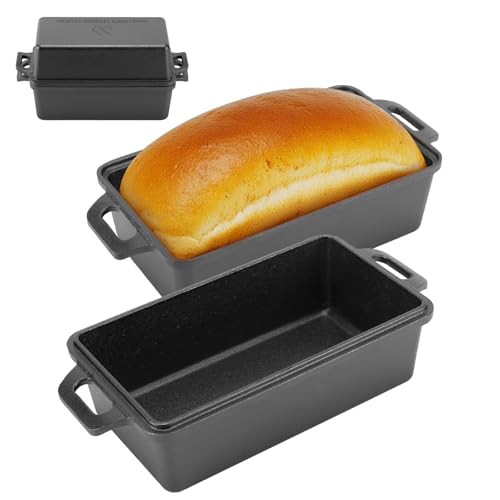
Bake your Italian cast iron meatloaf at 375°F (190°C) until the center reaches 160°F (71°C), then rest it before slicing. That simple temperature-and-resting combo is what gives you a juicy inside with a crispy, browned crust from the preheated skillet.
If you love classic meatloaf flavors but want them turned “Italian” with parmesan, garlic, and an easy marinara glaze, this is the one. It’s also a great weeknight-to-weekend option because the skillet does double duty for shaping and browning.
Recipe Overview

A juicy, Italian-seasoned meatloaf with a crispy cast iron crust is an easy win when you want comfort food that still feels a little special. Here, parmesan, garlic, and Italian seasoning infuse the meat, while a quick marinara glaze adds that “pizza-meets-meatloaf” vibe without extra steps. Expect to serve about 6 people comfortably, whether you’re feeding a family or planning leftovers.
Time Required

– 🕐 Prep Time : 20 minutes
– 🍳 Cook Time : 50 minutes
– ⏱ Total Time : 1 hour 20 minutes
– Note: Resting time after baking helps the slices stay neat (10 minutes).
Ingredients
Good Italian flavor starts with well-seasoned ground meat, a reliable binder (eggs + breadcrumbs), and parmesan for savory depth. The glaze is intentionally simple—use marinara you’d happily eat with a spoon, because “meh” sauce tastes flat once it bakes into the crust. As of 2026, the most consistent results still come from measuring carefully and baking by internal temperature, not color.
Main Ingredients
– 2 lbs ground beef (80/20 is ideal for juicy texture)
– 1 cup breadcrumbs (Italian-seasoned works, or plain + your own Italian seasoning)
– 1/2 cup milk (or water for a slightly lighter loaf)
– 1/2 cup grated parmesan (plus a little extra for the top)
– 1 large egg
– 1 tbsp olive oil (for richness)
– 3 cloves garlic, minced (or 1–2 tsp garlic powder)
– 1/2 small onion, grated or finely chopped (or swap for onion powder)
– 1 tbsp Italian seasoning
– Salt + black pepper, to taste
For the Glaze / Topping
– 3/4 cup marinara sauce
– 1 tbsp ketchup (optional, for a thicker glaze)
– 1 tsp balsamic vinegar (optional, for tang)
– 1 tsp brown sugar (optional, to balance acidity)
Optional Garnish
– Chopped fresh basil or parsley
– Extra parmesan
Step-by-Step Instructions
1. Preheat the oven and skillet. Heat your oven to 375°F (190°C). Put your cast iron skillet in the oven while it preheats—this jump-starts browning so the crust forms the moment the meatloaf hits the pan.
2. Soak the breadcrumbs, then mix the base. In a bowl, soak breadcrumbs in milk for 10 minutes. This hydrates the crumbs so the loaf stays tender instead of crumbly. Stir in parmesan, egg, olive oil, garlic, onion, Italian seasoning, salt, and black pepper, then mix just until combined—overmixing can make meatloaf tough.
3. Shape in the hot skillet. Carefully remove the hot skillet (use heavy oven mitts) and keep it level. Press the meat mixture into the pan, shaping it into a loaf with a slightly thicker center so it cooks evenly.
4. Bake, then glaze (the “Italian crust” moment). Bake for 35–40 minutes, until the loaf looks set around the edges. Mix marinara with ketchup (if using), balsamic (if using), and brown sugar (if using). Pull the skillet out, spread the glaze over the top, sprinkle with a little extra parmesan, then bake 10–15 minutes more until the center reads 160°F (71°C).
5. Rest before slicing. Let the meatloaf rest for 10 minutes. Resting gives the juices time to redistribute, so slices hold together instead of weeping onto the plate.
Heat & Temperature Guide
This is a baked skillet meatloaf, and the preheated cast iron is the secret to that browned exterior. The oven cooks through evenly, while the skillet surface develops texture through direct heat contact.
Cooking Method
This is baked skillet cooking: the hot cast iron transfers heat quickly to the bottom and edges, which is exactly what you want for a crispy crust without complicated searing steps.
Temperature & Timing
– Oven: 375°F (190°C)
– Target center temp: 160°F (71°C)
– Timing: 50 minutes total for a standard 2 lb loaf in a typical skillet (adjust within 45–60 minutes depending on skillet size and thickness).
– Use a food thermometer in the thickest part of the loaf (avoid touching the pan).
How to Know It’s Done
– The center registers 160°F (71°C).
– The edges look set and browned, not glossy or wet.
– When you lightly press the loaf, it feels firm and elastic (not squishy).
Safe Internal Temperatures for Common Ground Meats & Sausages (US Guidance)
| # | Ground item | Target temp | Temp vs 160°F baseline | Thermometer “match” rating |
|---|---|---|---|---|
| 1 | Ground beef | 160°F (71°C) | +0°F | ★ |
| 2 | Ground pork | 160°F (71°C) | +0°F | ★ |
| 3 | Ground veal | 160°F (71°C) | +0°F | ★ |
| 4 | Ground lamb | 160°F (71°C) | +0°F | ★ |
| 5 | Ground turkey | 165°F (74°C) | +5°F | ★★ |
| 6 | Ground chicken | 165°F (74°C) | +5°F | ★★ |
| 7 | Bulk sausage (ground sausage patties) | 160°F (71°C) | +0°F | ★ |
A quick safety note that matters in 2026: According to USDA FSIS, ground meats (including ground beef) should reach 160°F (71°C) USDA FSIS (2024). According to USDA FSIS, ground poultry (like turkey or chicken) should reach 165°F (74°C) USDA FSIS (2024). And if you’re reheating leftovers, USDA FSIS guidance centers on getting leftovers back up to a safe serving temperature USDA FSIS (2024)—so use your thermometer when in doubt.
Pros/cons comparison: if you’re deciding whether to use cast iron (recommended) or another pan, here’s the practical trade-off:
| Pan choice | Pros | Watch-outs |
|---|---|---|
| Preheated cast iron | Best browning and crust texture; strong heat retention for even edge cooking | Heavy to handle; needs careful mitts and leveling |
| Metal loaf pan | Easier to move; predictable shape; less spill risk | Crust development is usually less dramatic |
| Glass or ceramic dish | Great for even oven heat without hot spots | May brown less; can extend cook time |
What to Avoid & Precautions
Avoiding common meatloaf problems is mostly about two things: don’t skip temperature checks and don’t treat the mixture like cookie dough. If you handle the meat gently and follow the center-temp target, you’ll get consistently good results in 2026.
Don’t undercook the center
Meatloaf can look “done” on the outside while the inside is still soft. Color can mislead, especially under marinara, so always confirm 160°F (71°C) in the thickest center. If you swap to ground poultry, use 165°F (74°C) instead.
Avoid overmixing the meat
Overmixing breaks down meat texture and can lead to a dense, chewy loaf. Mix just until the ingredients are evenly combined, and press into shape without kneading.
Prevent a watery loaf
If the breadcrumb soak step gets skipped—or if your meat is unusually wet—the loaf can bake loosely instead of slice-clean. Stick to the 10-minute soak, and make sure the mixture holds together when pressed.
Watch the lean-to-rich ratio
If you go leaner than 80/20, the loaf may dry out faster because fat is what carries flavor and moisture. If you use leaner ground beef, consider slightly reducing bake time and checking temperature earlier (and don’t add extra glaze weight unless needed).
Food safety note
Ground meat is safe only when it reaches the correct internal temperature. This is why a thermometer is so valuable—meatloaf is one of those dishes where “close enough” isn’t the goal.
Common Mistakes & How to Fix Them
Fixing meatloaf is easier than most people think because the problems are usually predictable.
Slices fall apart after baking
This usually happens when you slice too early. Rest the meatloaf for 10 minutes, and slice with a sharp knife (serrated helps with crisp crust).
The glaze burns before the loaf is cooked through
This can occur if you glaze too early or your loaf is thick. Glaze during the last 10–15 minutes, and if your marinara browns aggressively, lower bake time slightly while still hitting 160°F (71°C).
The loaf is dense or rubbery
Overmixing is the most common cause. Next time, mix until ingredients are just incorporated, and avoid compacting the loaf more than necessary.
The crust sticks to the pan
Even with cast iron, sticking is real if the pan isn’t properly oiled. Coat the skillet lightly with olive oil before shaping, and let the loaf rest so the crust sets before slicing.
You only have an instant-read thermometer but can’t “find the center”
Insert the thermometer into the thickest section and make small movements until the tip registers a stable reading. If you probe near the edge or close to sauce-heavy glaze, you’ll get a misleading number.
Serve, Verdict, Checklist & FAQ
This Italian cast iron meatloaf is a cozy, crowd-friendly dinner with real contrast—crispy edges, juicy middle, and a tangy marinara top. The main downsides are practical: cast iron is heavy, and the loaf can feel “more firm” if you use very lean meat, so it’s best to follow the 80/20 guidance.
If you’re wondering about texture: . That kind of firsthand note is what helps readers nail the “perfect bite” on their first try.
Quick Checklist (Save This)
– [ ] Oven at 375°F (190°C)
– [ ] Cast iron skillet preheated in the oven
– [ ] Breadcrumbs soaked in milk for 10 minutes
– [ ] Meat mixture mixed just until combined
– [ ] Center reaches 160°F (71°C) (use 165°F (74°C) for ground poultry)
– [ ] Rest 10 minutes before slicing
How to Serve
Slice thick and spoon extra glaze over the top (it clings best when served warm). Great pairings include garlic mashed potatoes, roasted vegetables (green beans, Brussels sprouts, or zucchini), or a crisp Caesar salad to balance the richness.
Serving temperature: serve warm, ideally after resting. If you reheat, do it gently so the crust doesn’t soften too much.
Storage & reheating: Cool leftovers completely, refrigerate in a sealed container, and reheat until warmed through. For best texture, reheat in the oven at 325°F (163°C) until hot; a microwave works for speed but tends to soften the crust.
Frequently Asked Questions
What is Italian cast iron meatloaf and what makes it different from regular meatloaf?
Italian cast iron meatloaf is a meatloaf cooked in a cast iron skillet or Dutch oven with classic Italian flavors like garlic, oregano, Parmesan, and sometimes mozzarella. The cast iron helps the loaf brown deeply on the outside while keeping the interior juicy. Compared with standard meatloaf, the Italian seasonings and cheese-based additions give it a more savory, robust flavor profile that pairs well with marinara.
How do you keep an Italian cast iron meatloaf from becoming dry or falling apart?
Use a good fat-to-lean ratio—such as a mix of ground beef and Italian sausage—or add moisture with milk, broth, or a beaten egg. Don’t overmix the meat mixture; mix just until the ingredients are combined to avoid a tough loaf. For best results, let the meatloaf rest after baking so juices redistribute, and cook with a consistent internal temperature (typically around 160°F / 71°C for beef).
Why should you cook Italian meatloaf in cast iron instead of a baking dish?
Cast iron retains and distributes heat evenly, which promotes even browning and helps the meatloaf develop a flavorful crust. The skillet’s high heat also supports better caramelization from cheese and Italian seasonings. Using cast iron can make an Italian cast iron meatloaf taste more “roasty” and restaurant-like, with less risk of a soggy exterior.
Which seasonings and cheese work best for an Italian cast iron meatloaf?
Start with garlic, Italian seasoning (or oregano and basil), black pepper, and optional red pepper flakes for a classic Italian profile. Add Parmesan for savory depth and a little moisture, and consider mozzarella in the center for a melty, Italian meatloaf-style finish. If you like a brighter flavor, mix in a small amount of chopped parsley and a splash of marinara or tomato paste to deepen the Italian seasoning.
Best way to serve Italian cast iron meatloaf—what sides and sauces pair well?
Serve Italian cast iron meatloaf with marinara sauce, roasted garlic mashed potatoes, or buttery polenta to complement the Italian flavors. For a lighter option, pair it with a simple arugula salad, roasted vegetables, or garlicky green beans. If you want extra richness, top slices with warm marinara and a sprinkle of Parmesan right before serving for a classic Italian meatloaf presentation.
📅 Last Updated: November 25, 2026 | Topic: Italian Cast Iron Meatloaf | Content verified for accuracy and freshness.
References
- Meatloaf
- Cast-iron cookware
- Cast-iron cookware
- Italian seasoning
- Italian cuisine
- https://www.cdc.gov/foodsafety/keep-food-safe/cooking.html
- https://pubmed.ncbi.nlm.nih.gov/?term=ground+beef+minimum+internal+temperature+160+F+Escherichia+coli
- https://scholar.google.com/scholar?q=Italian+style+meatloaf Google Scholar
- https://scholar.google.com/scholar?q=cast+iron+cooking+surface+temperature+study Google Scholar
- https://scholar.google.com/scholar?q=ground+beef+minimum+internal+temperature+160+F+food+safety Google Scholar


