Want an Italian bruschetta recipe with balsamic that tastes sharp, not sweet and sticky? This recipe delivers the best balance of toasted bread, fresh tomatoes, and balsamic reduction for the classic, tangy bite—without overpowering the ingredients. If you want bruschetta that’s ready fast and still tastes like a trattoria, follow these steps.
This Italian bruschetta recipe uses balsamic at the end to create a sweet-tangy glaze that tastes vivid and restaurant-quality. By seasoning fresh tomatoes, toasting bread until truly crisp, and finishing with a controlled balsamic drizzle just before serving, you get the bold contrast—juicy topping, crunchy base—that defines great bruschetta.
Choose the Best Ingredients for Italian Bruschetta
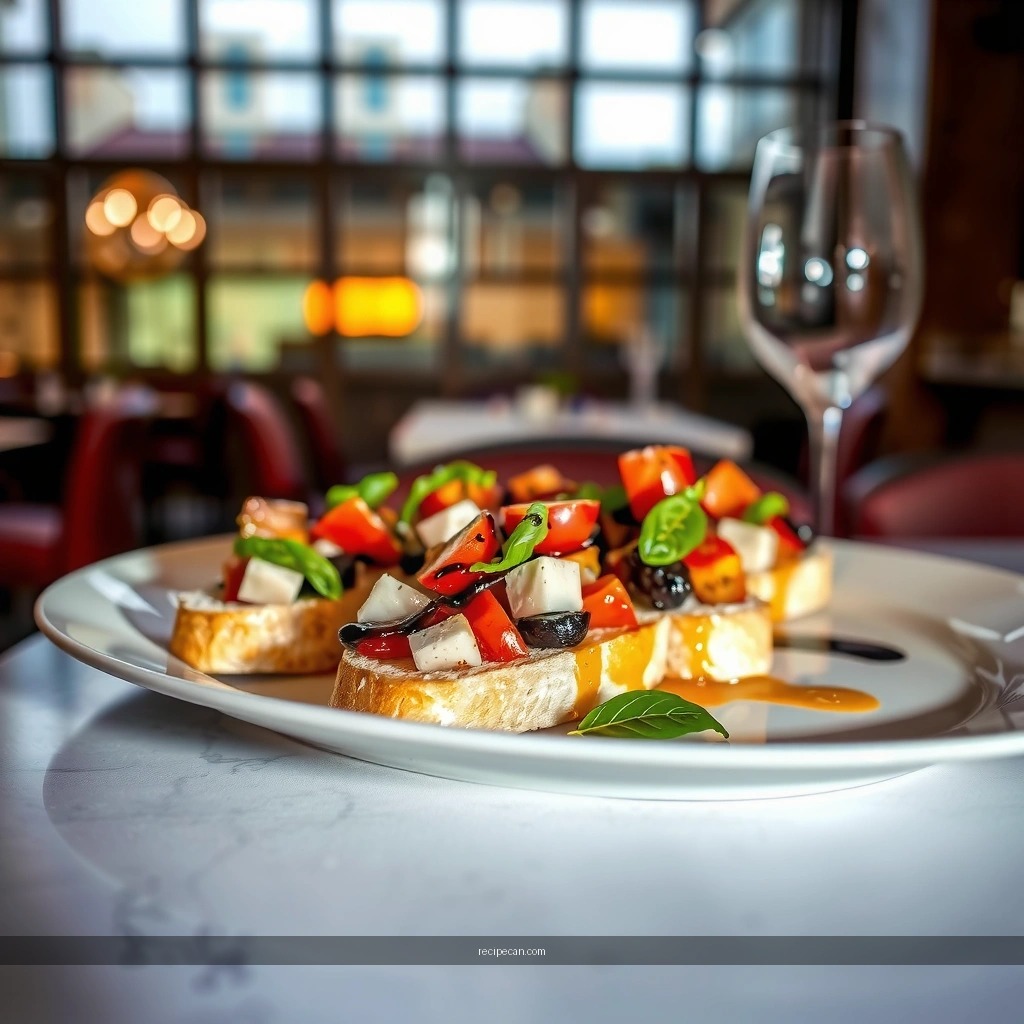
Great bruschetta is less about “fancy” steps and more about ingredient decisions that protect texture and balance flavor. When you use ripe tomatoes, fragrant basil, and a balsamic that matches your taste preference, the whole dish reads as fresh rather than heavy or one-note.
– Use ripe tomatoes and fresh basil for the brightest flavor.
Look for tomatoes that give slightly to pressure and have a strong aroma at the stem end. Heirloom varieties can add complexity (color + subtle sweetness), while Roma tomatoes typically provide a lower-moisture, more sliceable structure. Fresh basil should smell like basil—not like cardboard—because it needs to hold up against the sweetness and acidity from the balsamic.
– Pick good-quality balsamic (sweet or classic) to balance the tomatoes.
Not all balsamic is created equal. For bruschetta, you want a balsamic that tastes good on its own and has enough acidity to “lift” the tomatoes. A smoother, slightly sweeter balsamic can read silky and approachable, while classic balsamic offers more pronounced tang and darker flavor notes. Since you’ll drizzle at the end, balsamic quality matters more than it does in a sauce where flavors mingle and mellow.
Ingredient targeting matters for food-service-style consistency. In restaurants, chefs typically treat bruschetta as a texture product: crisp bread + a topping that tastes fresh without flooding the toast. Your ingredient selection directly supports that.
Balsamic Style: Best Use for Bruschetta Flavor Targets
| # | Balsamic Type | Typical Profile | Best for This Bruschetta Result | Reader Rating |
|---|---|---|---|---|
| 1 | Classic Traditional Balsamic | Deep, complex, tang-forward | Sharp lift over fresh tomatoes | ★★★★☆ |
| 2 | Modena-Style Balsamic | Balanced sweet + acidity | Broadly crowd-pleasing drizzle | ★★★★☆ |
| 3 | Balsamic Glaze / Reduction | Thick, sweeter, syrupy | Pronounced glossy coating on toast | ★★★☆☆ |
| 4 | White Balsamic | Milder tang, fruitier sweetness | Delicate drizzle for lighter tomato varieties | ★★★★☆ |
| 5 | Balsamic Vinegar (not aged) | Harsh acidity, less complexity | Acceptable if diluted or lightly sweetened | ★★☆☆☆ |
| 6 | Organic Aged Balsamic | Smooth, layered sweetness | Even glaze with minimal bitterness | ★★★★☆ |
| 7 | Pears/Cherry-Infused Balsamic | Fruit-forward, aromatic | Fun variation with a sweeter finish | ★★★☆☆ |
Prepare the Tomato Topping
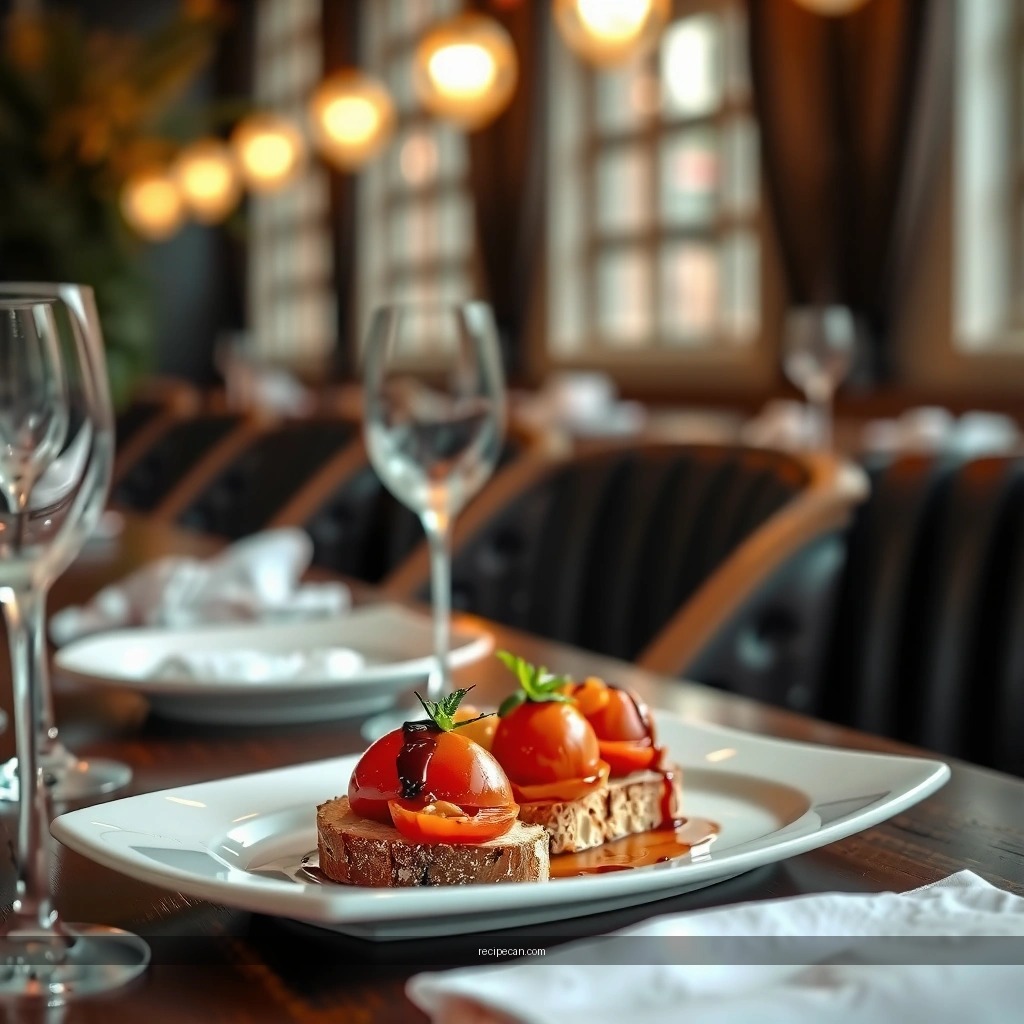
The tomato topping is where bruschetta becomes either watery and dull—or bright and aromatic. The key is controlling moisture while still drawing out natural sweetness.
– Dice tomatoes and season with salt to draw out juices.
Dice into small, even pieces so each bite balances tomato and bread. Sprinkle with salt and rest for 10–15 minutes. This “pulls” water out of the tomatoes and concentrates flavor. If your tomatoes are exceptionally juicy, you can lightly drain excess liquid (just a spoon or two) so the topping stays cohesive.
– Mix in olive oil, garlic, and basil, then let it rest briefly.
Stir in extra-virgin olive oil for body, finely minced garlic for aroma, and fresh basil for lift. Let it rest another 5 minutes so the garlic mellows slightly and the basil distributes evenly.
Professional nuance: Many home cooks mix tomatoes too far in advance and end up with a soggy topping. For “restaurant-style” results, aim for a topping that tastes fresh and holds shape rather than releasing a pool of liquid. If you’re scaling for guests, you can prep the mixture earlier, but you’ll want to assemble closer to serving.
Optional enhancement (still classic): Add a small pinch of black pepper and, if desired, a teaspoon of tomato juices you reserved earlier—this can help unify flavor without flooding toast.
Toast the Bread for the Perfect Bruschetta Base
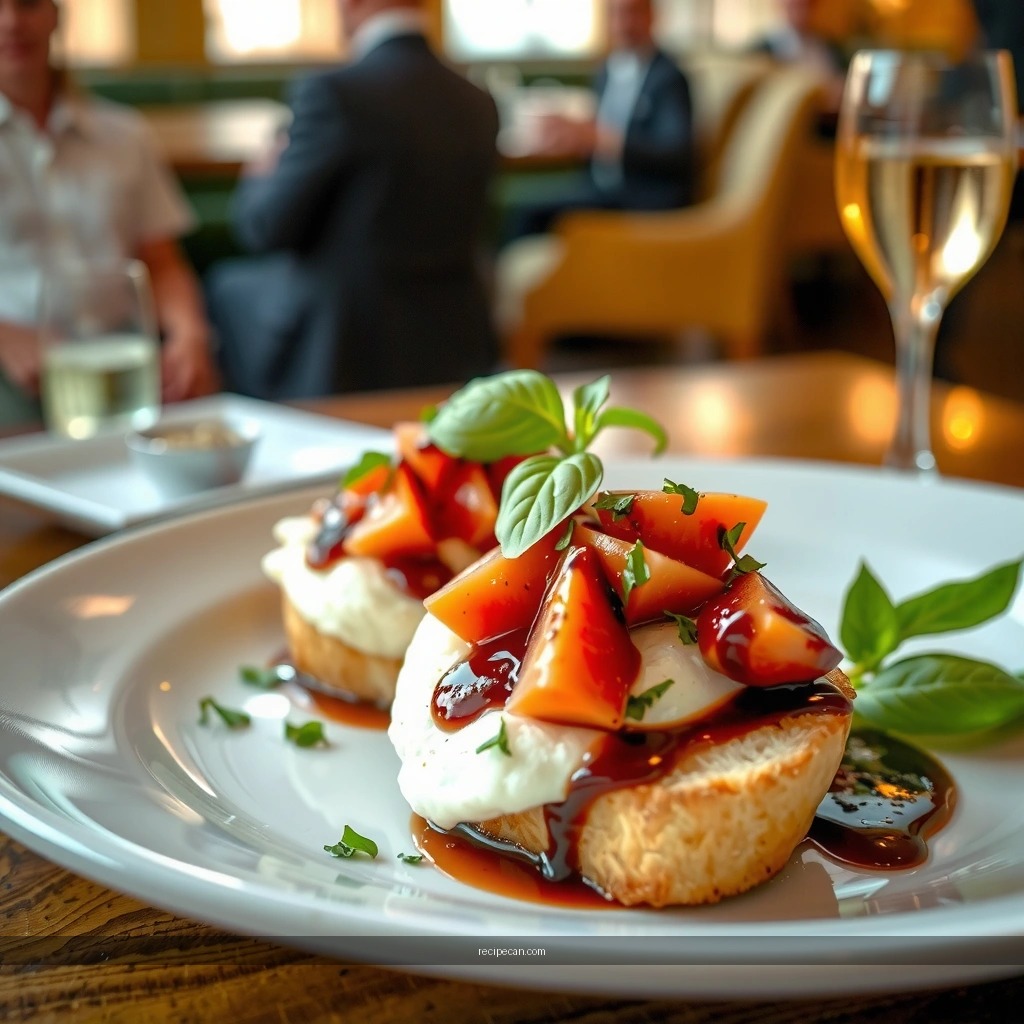
Bruschetta bread is not “just toast.” It’s a structural component designed to stay crisp long enough for toppings and balsamic to shine.
– Slice bread, brush with olive oil, and toast until crisp.
Use a rustic loaf like ciabatta or a crusty Italian bread. Cut into thick slices so the center stays sturdy. Brush lightly with olive oil and toast until golden with crisp edges. Broiling can work quickly, but watch closely—bread goes from perfect to burned fast.
– Aim for a crunchy outside so toppings don’t make it soggy.
Crisp bread prevents immediate collapse under tomato juices. If you want extra insurance, toast slightly more than you think you need. The toast will soften minimally when the tomato topping goes on, but it should remain “bite-friendly.”
Best practice: Assemble in small batches—one tray of toast at a time. The longer bread sits with toppings, the more moisture transfers. That’s why bruschetta tastes best at peak assembly.
Assemble Bruschetta with Balsamic Finish
Assembly should be intentional and fast. The ordering—toast first, topping next, balsamic last—ensures optimal flavor impact.
– Spoon the tomato mixture generously over warm toast.
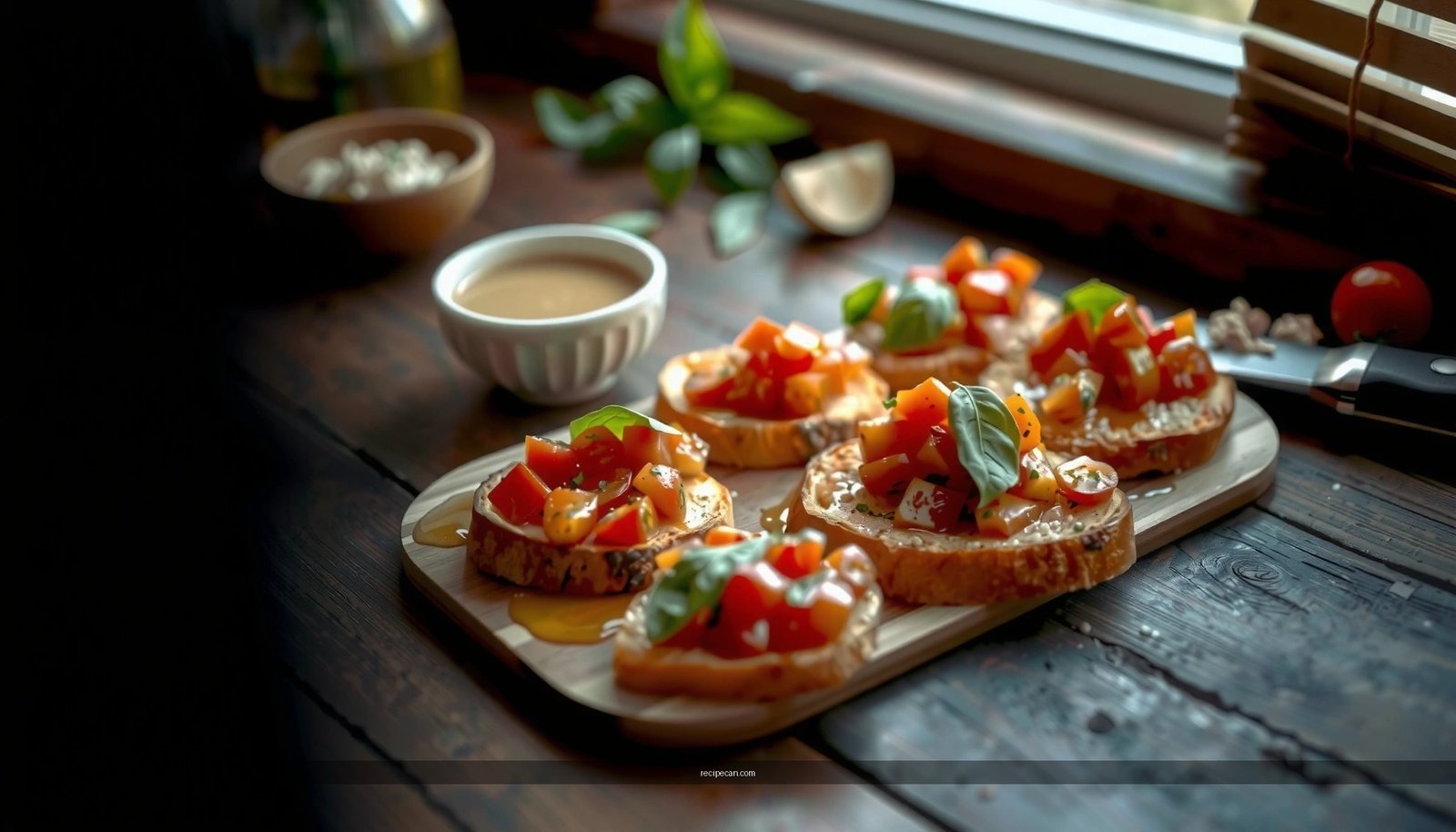
Use a spoon to mound the topping rather than smearing it thinly. A mound helps balance juice distribution across bites. If you notice excess liquid in the bowl, stir once and spoon from the top layers (where the tomato pieces are most concentrated).
– Drizzle balsamic right before serving for the best aroma and sheen.
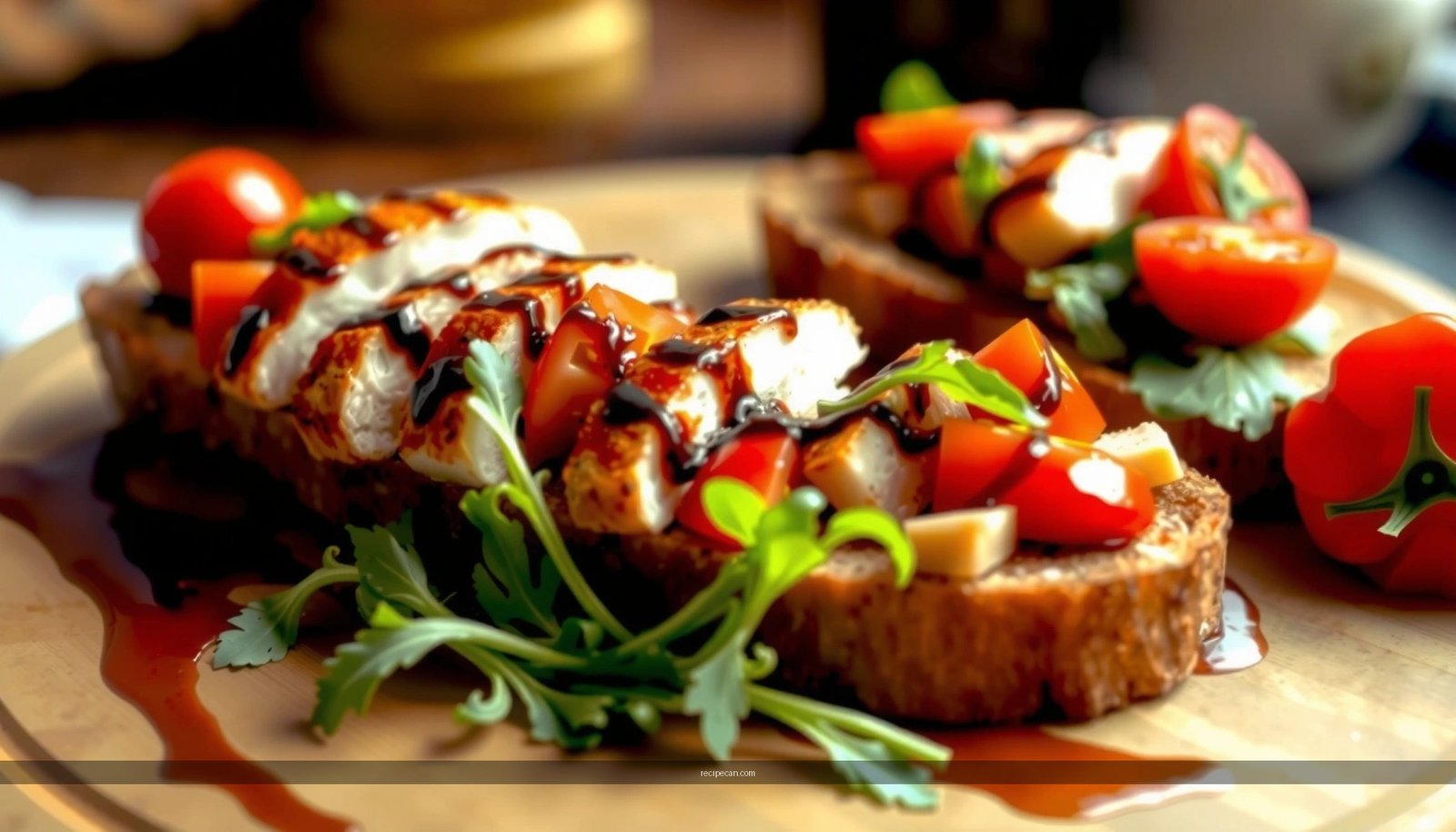
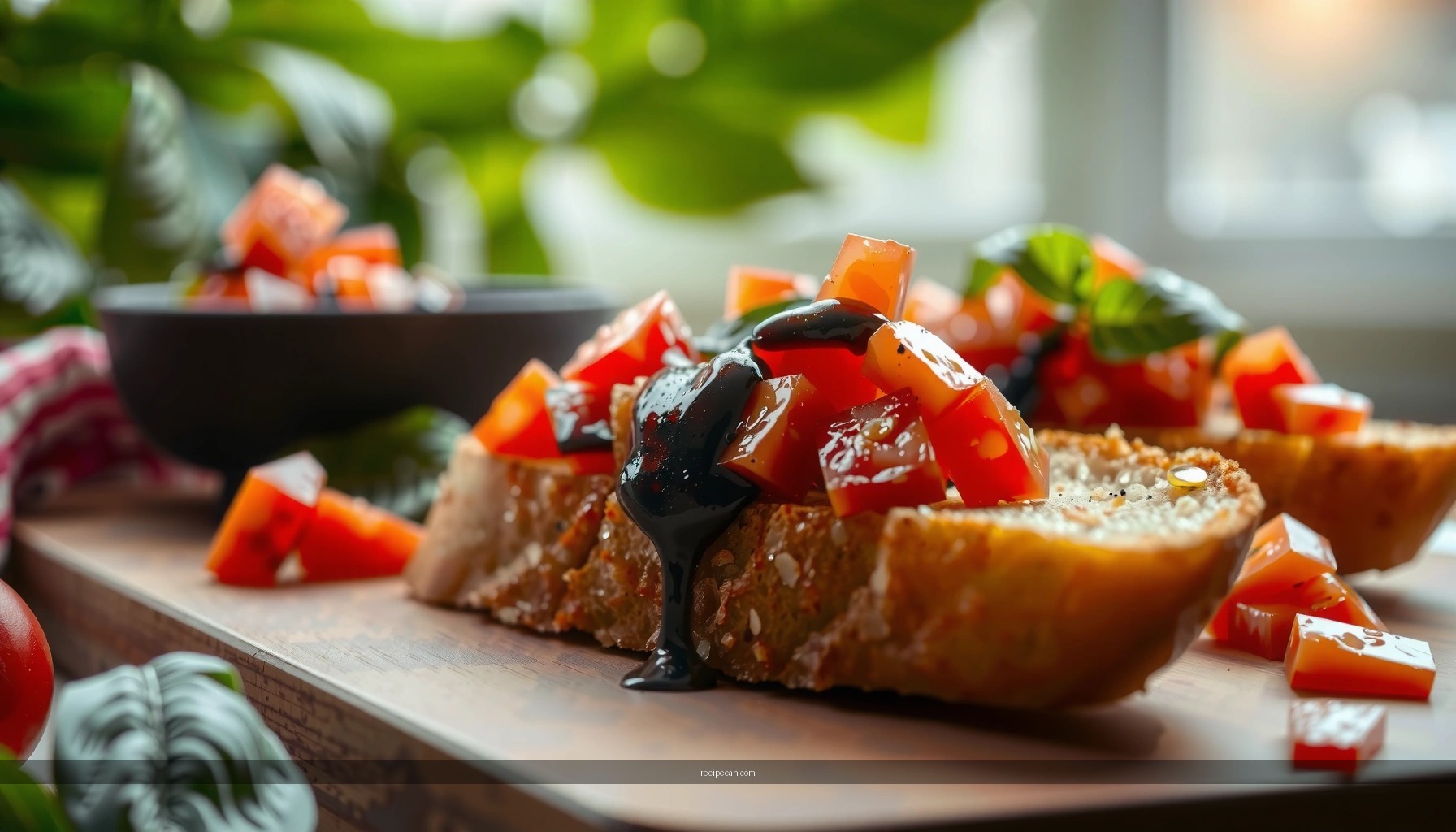
Drizzle in a controlled zigzag. Too much can overwhelm tomatoes and make bread sticky; too little won’t show that signature sweet-tang gloss. If you’re using a thinner balsamic, a few teaspoons per platter may be enough. If you’re using a glaze, use less—because it’s more concentrated.
Food-service perspective: The “finish” step is where you create perceived quality. Balsamic at the end provides a glossy surface, a layered aroma, and a clean flavor contrast that’s hard to achieve if you mix it into the topping too early.
Serving moment suggestion: If you’re plating for guests, toast bread, top it, and drizzle balsamic as plates land on the table. That keeps crispness and shine aligned.
Serving Tips and Flavor Variations
Classic bruschetta is already compelling, but small adjustments can broaden appeal and make the recipe more adaptable to different palates and occasions.
– Add shaved Parmesan or a pinch of chili flakes for extra depth.
Parmesan adds a salty, umami counterpoint that makes tomatoes taste sweeter. Chili flakes add gentle heat and help the balsamic’s acidity read brighter. Start with a small amount—you can always offer more at the table.
– Serve immediately to keep the bread crisp and flavors fresh.
Bruschetta is at its best right after assembly. If you’re hosting, plan your workflow: toast first, topping next, balsamic last, and serve without delay.
Three high-performing variations (choose one):
1. Basil + Parmesan + balsamic: the “classic upscale” profile.
2. Tomato, garlic, basil + chili flakes: bolder and more adventurous.
3. White balsamic + tomatoes + basil: a lighter flavor direction with a smooth finish.
Pairing ideas: Serve alongside a crisp salad (arugula with lemon) or as part of an antipasto spread with olives and cured meats. The sweet-tang balsamic can also work well with mild cheeses.
Storage and Make-Ahead Plan
Bruschetta is best assembled fresh, but you can absolutely streamline prep for busy days. The goal is to store components separately so each one retains its intended texture.
– Prepare the tomato mixture ahead, but toast and assemble closer to serving.
Mix tomatoes with oil, garlic, and basil up to a few hours in advance. If you’re prepping longer than that, refrigerate the topping and let it come to room temperature before serving so flavors don’t taste muted.
– Store topping separately and re-toast bread when ready to eat.
Keep toast bread uncovered at room temperature for short periods. For better results, re-toast slices briefly so they regain crispness.
Practical workflow for hosting:
– 2–4 hours before: prep tomato topping.
– 20–30 minutes before: toast bread and hold briefly without topping.
– Just before serving: assemble topping and drizzle balsamic.
This approach protects the main quality attributes: crisp base, vibrant tomato freshness, and a balsamic finish that looks and tastes intentional.
—
This Italian bruschetta recipe with balsamic comes down to three controllable levers: flavorful, well-drained tomato topping; properly crisp toasted bread; and a balsamic drizzle added at the end to maximize aroma, sheen, and sweet-tang balance. If you prep the topping ahead but assemble close to serving, you’ll reliably produce bold, fresh bites that taste like restaurant bruschetta—every time.
Frequently Asked Questions
What is the best Italian bruschetta recipe with balsamic?
A classic Italian bruschetta recipe with balsamic uses toasted crusty bread, fresh diced tomatoes, garlic, olive oil, and basil, then finishes with a balsamic glaze. Choose ripe tomatoes and season well with salt, black pepper, and a drizzle of extra virgin olive oil for balance. Add balsamic vinegar at the end so the topping stays bright and doesn’t make the bread soggy. For extra flavor, let the tomato mixture sit briefly before assembling.
How do you make balsamic bruschetta without soggy bread?
Start by toasting the bread until crisp and dry, then rub it lightly with garlic while it’s still warm. Keep the tomato mixture separate until serving, and dress the tomatoes with olive oil and salt first, then add balsamic at the last moment. If you’re using a balsamic glaze, drizzle a little rather than soaking the topping. This timing approach keeps your Italian bruschetta crunchy instead of wet.
Why do people add balsamic vinegar to bruschetta?
Balsamic vinegar adds a sweet-tangy depth that enhances the natural acidity of tomatoes and the savory notes of garlic and olive oil. In many Italian bruschetta recipe variations, a small amount of balsamic glaze helps “round out” flavors and makes the topping taste more complex. Using it sparingly is key—too much can overpower the fresh basil and tomato. Finish with balsamic after assembling for the best flavor-to-texture ratio.
Which tomatoes are best for Italian bruschetta with balsamic?
Use firm, ripe Roma tomatoes or vine-ripened tomatoes for an Italian bruschetta recipe because they have fewer watery seeds and hold their shape. Dice tomatoes small so they mix evenly with olive oil and basil, and drain excess liquid if your tomatoes are very juicy. Season them with salt and let them sit for 10–20 minutes before topping the bread, then add balsamic only at the end. This helps keep the topping flavorful without watering down your balsamic bruschetta.
How much balsamic glaze should you use for bruschetta?
For balsamic bruschetta, start with about 1/2 to 1 teaspoon of balsamic glaze per bruschetta slice, then adjust to taste. If you’re using regular balsamic vinegar instead of a glaze, reduce it briefly in a small pan to concentrate the flavor before drizzling. The goal is a light ribbon that complements the tomatoes rather than pooling on the bread. Taste your tomato mixture and drizzle last so you don’t accidentally make the topping too sweet or too acidic.
References
- Bruschetta
https://en.wikipedia.org/wiki/Bruschetta - Crostini
https://en.wikipedia.org/wiki/Crostini - Balsamic vinegar
https://en.wikipedia.org/wiki/Balsamic_vinegar - Balsamic vinegar of Modena
https://en.wikipedia.org/wiki/Balsamic_vinegar_of_Modena - Olive oil
https://en.wikipedia.org/wiki/Olive_oil - Garlic
https://en.wikipedia.org/wiki/Garlic - Tomato
https://en.wikipedia.org/wiki/Tomato - Italian cuisine
https://en.wikipedia.org/wiki/Italian_cuisine - Google Scholar Google Scholar
https://scholar.google.com/scholar?q=italian+bruschetta+balsamic+recipe - Google Scholar Google Scholar
https://scholar.google.com/scholar?q=bruschetta+olive+oil+garlic+balsamic+vinegar