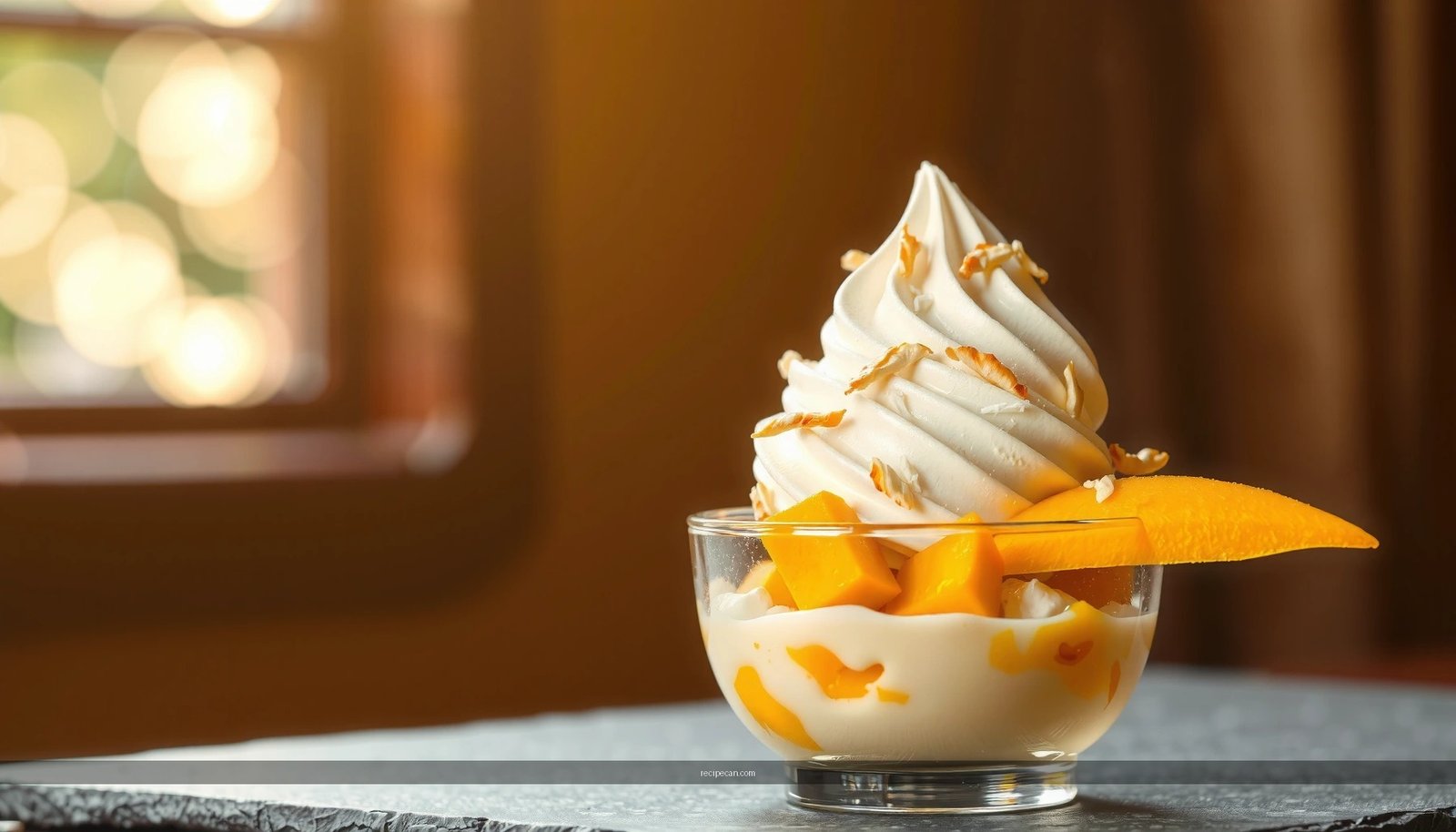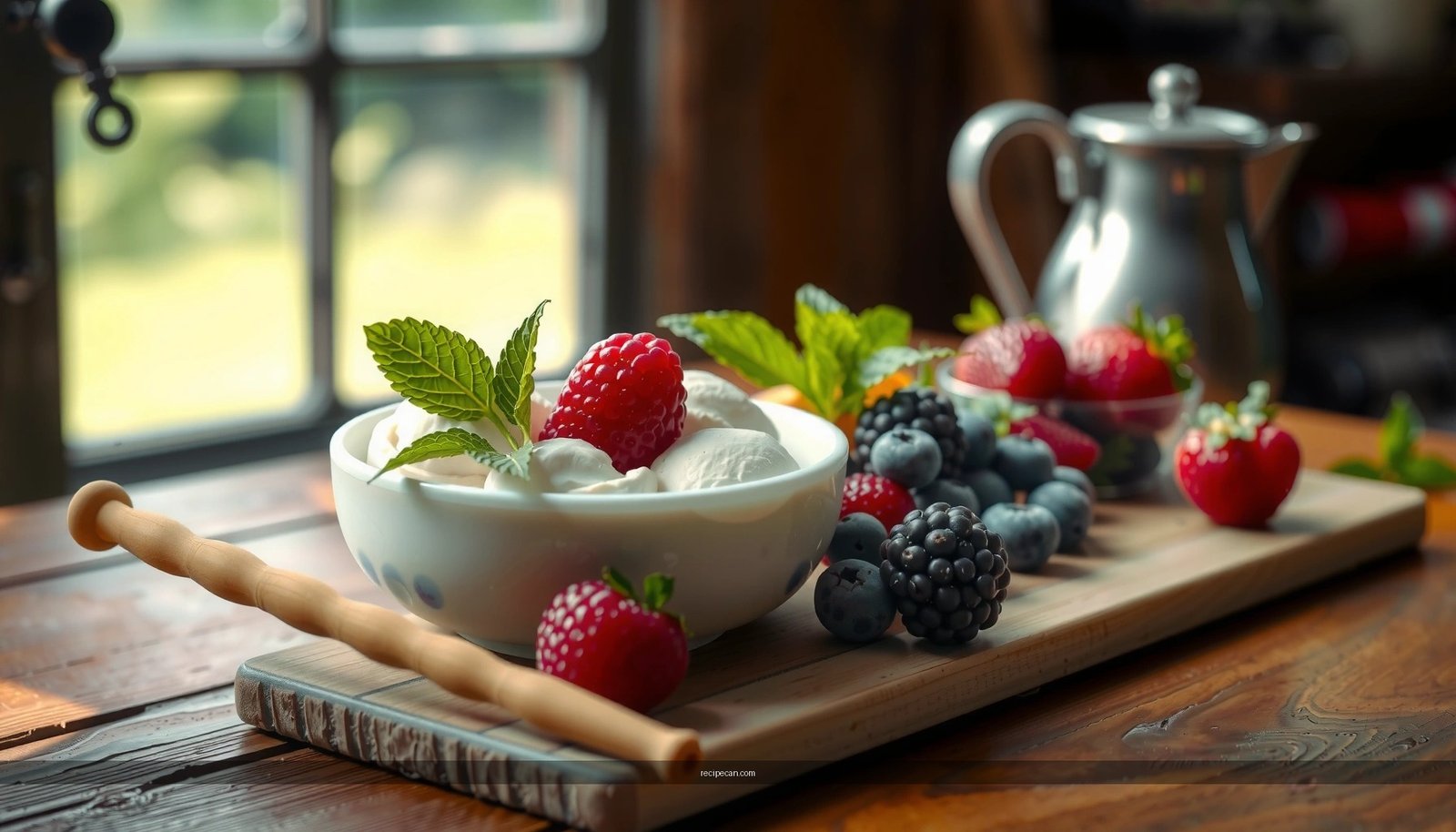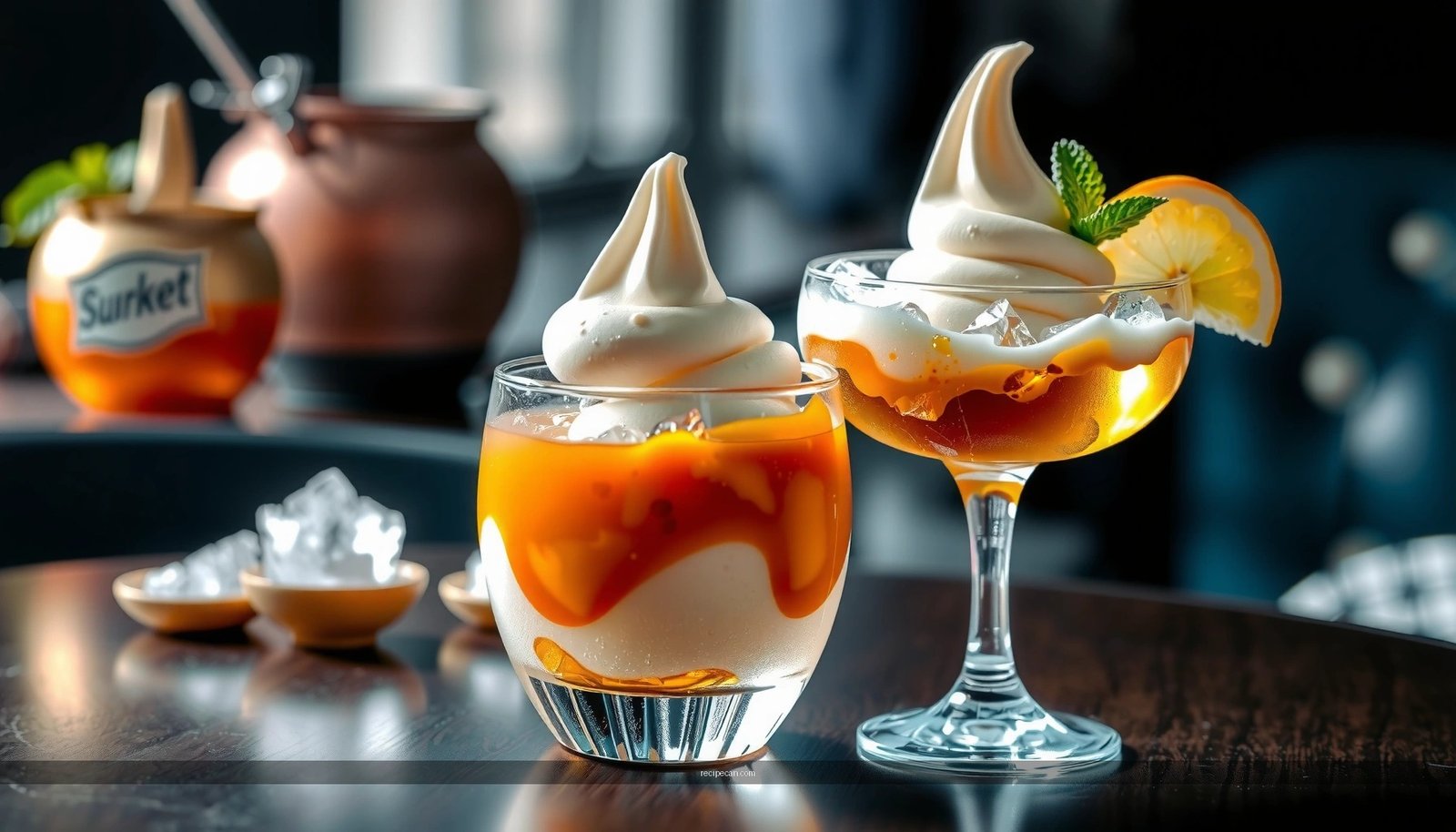
Want easy ice cream and alcohol recipes that reliably turn into boozy frozen treats, fast? This guide crowns the best approach—simple, starter-friendly combinations that keep your dessert creamy without turning it icy or overly harsh. You’ll get straightforward recipes and serve-ready ideas designed for quick cocktails-in-a-bowl results.
Making boozy ice cream at home is all about picking the right alcohol and incorporating it carefully so the base stays creamy instead of turning icy or grainy. Use compatible flavor bases (vodka, rum, bourbon, or liqueurs), integrate alcohol in the right phase (before churning, or after the base thickens for no-churn), and start with small amounts per pint so you can tune texture and strength without sacrificing mouthfeel.
Make ice cream and alcohol recipes at home by choosing a flavor base (vodka, rum, bourbon, or liqueurs) and adding it carefully so the texture stays creamy. In this guide, you’ll learn simple pairings and step-by-step methods for boozy scoops, floats, and frozen desserts.
Boozy Ingredient Options (Alcohol That Works Best)
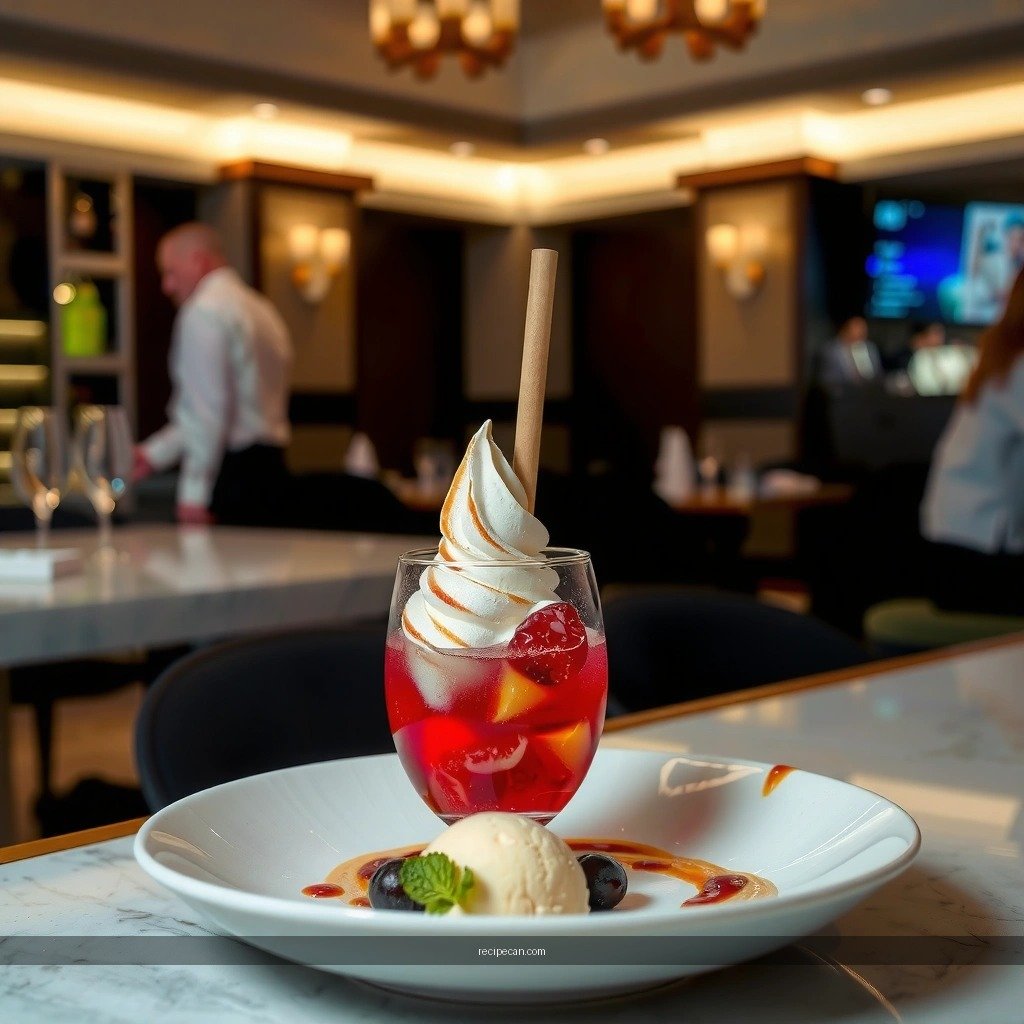
The best alcohol for boozy frozen desserts is the kind that blends smoothly into dairy, behaves predictably under cold temperatures, and doesn’t introduce harsh flavors that fight the ice cream’s sweetness. From a culinary engineering perspective, you’re balancing two effects: flavor diffusion and freezing-point/structure disruption.
– Vodka, rum, bourbon, and liqueurs blend smoothly into frozen bases
These spirits tend to integrate well with vanilla, chocolate, and fruit-forward ice cream bases because their flavor profiles map cleanly to dairy. Vodka is especially versatile because it’s relatively neutral; rum and bourbon contribute warmth that works well with caramel, vanilla custard, and toasted notes; liqueurs add “built-in” sweetness and aromatic complexity.
– Use lower-proof alcohol for easier integration and less icy texture
Higher-proof alcohol (e.g., 90–100 proof) can push the mixture toward a softer, icier set by interfering more strongly with how water freezes. If you want extra punch, it’s usually better to add a smaller dose of higher proof rather than a large dose of low proof—or to finish with a sauce swirl instead of saturating the base.
– Add wine/cider carefully—keep portions small to avoid graininess
Wine and cider contain acids and sometimes solids or fruit compounds that can separate when chilled. If you’re experimenting, keep it measured (think “tablespoons,” not “cups”), consider reducing it first (to concentrate flavor and cook off some harshness), and use a custard-style base if possible.
Practical alcohol-to-texture guidance
A key principle: alcohol lowers the freezing point, so more alcohol can mean softer ice cream. Softness isn’t automatically bad—gelato-style textures are often softer by design—but “too much” makes scooping frustrating and can create icy crystals. That’s why the next section focuses on careful pairing and controlled dosing.
Flavor Pairings for Ice Cream and Alcohol Recipes
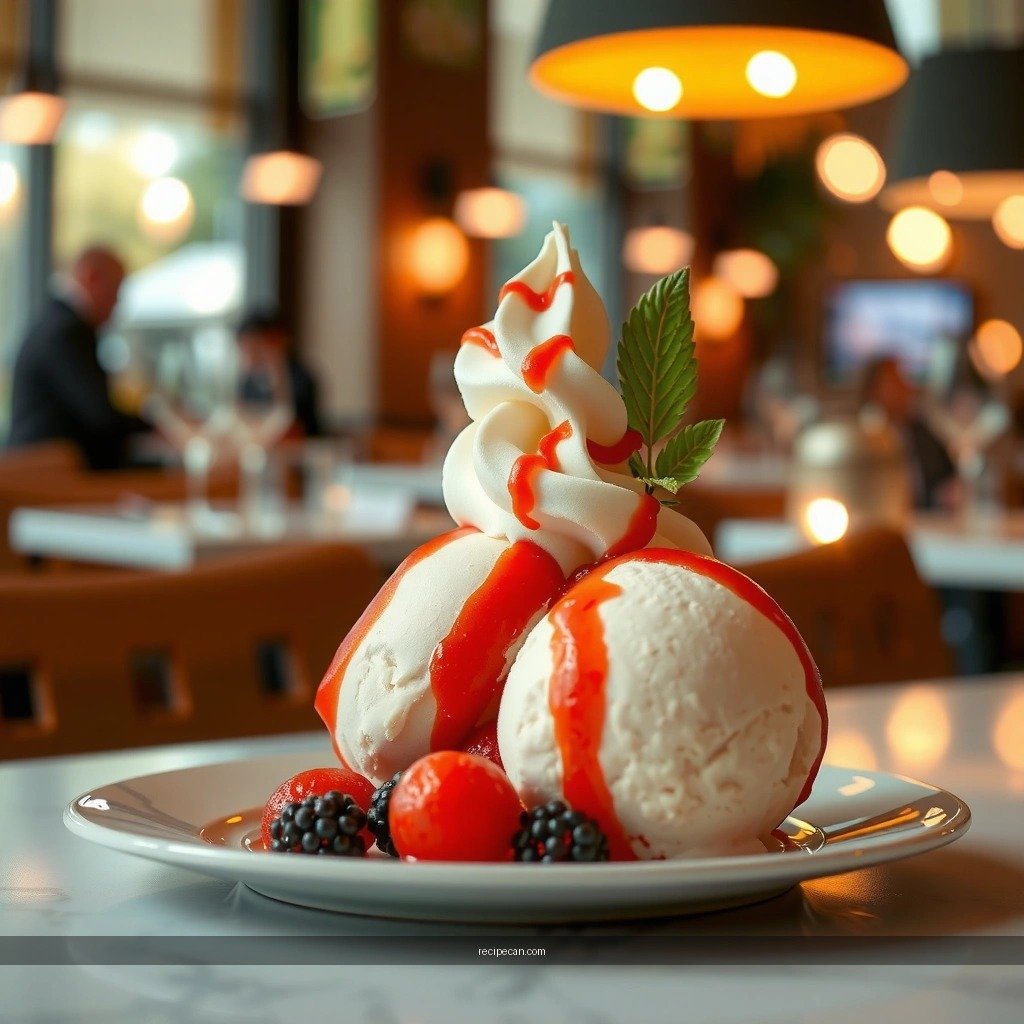
Pairing isn’t just about taste—it’s also about compatibility. Alcohol carries volatile aromatics that “lift” certain flavor notes when frozen. When the base and spirit share complementary compounds (vanilla + warmth, chocolate + roasted tones, berries + bright botanicals), the result reads as intentional rather than simply “ice cream with alcohol.”
– Vanilla pairs well with rum, bourbon, or amaretto
Vanilla custard already has a creamy, rounded sweetness. Add rum (caramelized sugar notes), bourbon (oak/vanilla-like warmth), or amaretto (almond aroma) and you get a natural “dessert cocktail” effect.
– Chocolate works great with coffee liqueurs or whiskey
Chocolate’s bitterness and roasted character can harmonize with coffee liqueurs, cold brew flavors, and whiskey. The trick is to avoid overwhelming the chocolate—use alcohol to deepen flavor, not replace it.
– Berry flavors match gin or citrus liqueurs for a bright finish
Gin’s herbal notes and citrus liqueurs’ zesty aromatics work particularly well with strawberry, raspberry, or mixed berry ice cream. Alcohol here adds lift and “brightness,” which can cut through berry sweetness.
Fast pairing examples (that won’t require complicated recalibration)
– Vanilla + dark rum + salted caramel swirl
– Chocolate + coffee liqueur + chocolate chunk mix-ins
– Strawberry or raspberry + gin + lemon zest
– Vanilla + amaretto + toasted almond brittle
These combinations are widely successful because they align the dominant aromatics with the dominant dairy base.
How to Add Alcohol Without Breaking Texture
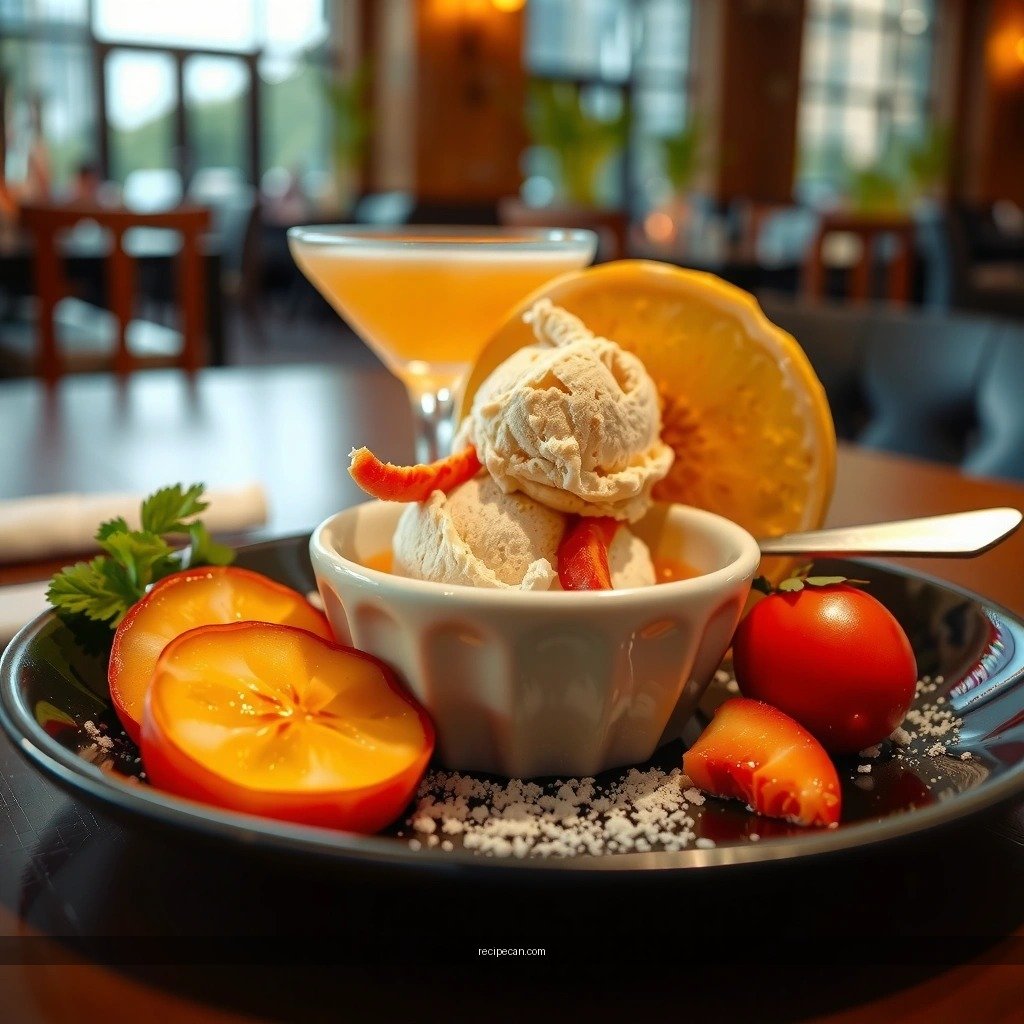
The texture failure modes—graininess, iciness, or separation—usually come from timing and amount, not just the alcohol itself. Treat alcohol like an ingredient that must be engineered into the emulsion and/or structure.
– Mix alcohol into a custard base before churning or freezing
Custards are thickened by egg proteins (and/or starch in some recipes). When you add alcohol to the custard after it has been cooked and slightly cooled (so proteins stay stable), it disperses more evenly. Then you churn—incorporating air while maintaining a stable dairy matrix.
– For no-churn versions, fold alcohol in after the base thickens
No-churn ice cream relies on whipped cream and condensed milk structure rather than a cooked custard. Folding alcohol in too early can deflate foam and reduce stability. Wait until the mixture is thick and cohesive, then fold gently.
– Start with 1–2 tablespoons per pint and adjust to taste
This is the safest starting range for both texture and flavor. Once frozen, you can evaluate strength and texture. If the batch is too mild, you can increase next time; if it’s too soft or icy, you’ve learned your personal upper limit for that spirit and base.
To make these texture decisions measurable, here’s a data-driven view of how common boozy add-ins typically affect flavor intensity and freezing-set behavior when used at conservative doses.
Typical Texture & Flavor Impact of Spirits in 1 Pint Ice Cream (Starting Dose)
| # | Spirit / Liqueur | Starting Dose | Flavor Intensity | Set vs. Standard | Best Texture Result Rating |
|---|---|---|---|---|---|
| 1 | Vodka | 1–2 tbsp | Low–Medium | Near-normal set | ★★★★☆ |
| 2 | Light Rum | 1–2 tbsp | Medium | Slight softening | ★★★★☆ |
| 3 | Dark Rum | 1 tbsp | High | Moderate softening | ★★★☆☆ |
| 4 | Bourbon | 1–2 tbsp | Medium–High | Slight softening | ★★★★☆ |
| 5 | Amaretto | 1–2 tbsp | High | Near-normal set | ★★★★☆ |
| 6 | Coffee Liqueur | 1–2 tbsp | Medium–High | Slight softening | ★★★★☆ |
| 7 | Gin + Citrus Liqueur Blend | 1 tbsp each | Medium | Near-normal set | ★★★★☆ |
Churned Ice Cream: Step-by-Step Method
Churned ice cream gives you the most consistent, “traditional scoop” texture—provided your base is properly chilled and your alcohol is added in a way that doesn’t disrupt the emulsion.
– Create your base, then chill thoroughly before churning
Whether your custard is vanilla, chocolate, or berry, chill it until it’s cold all the way through (often overnight). Chilling improves fat crystallization and helps the churn create smaller ice crystals. If you churn too warm, you risk a softer set and icier mouthfeel.
– Add alcohol during the final mix phase for even distribution
Once the base is cooked, cooled, and ready to churn, blend in your measured alcohol during the final mixing step. This helps distribute it evenly without lingering warm alcohol that could affect custard stability.
– Freeze after churning to set the structure and firm up
Churning aerates and partially freezes. After that, you need a proper rest in the freezer so the structure firms—especially important for boozy bases, which may otherwise remain slightly soft.
Workflow you can repeat (custard-style):
1) Cook your custard base to thicken (until it coats a spoon).
2) Strain for smoothness; cool quickly.
3) Refrigerate until thoroughly cold.
4) Churn per your machine’s instructions.
5) Transfer to a container and freeze until scoopable.
Serving tip for better “boozy” perception
Alcohol flavor often reads stronger when the ice cream is served slightly softer. Let it sit at refrigerator temperature for 3–5 minutes before scooping—this enhances aroma without melting into slush.
No-Churn Boozy Ice Cream Recipes
No-churn ice cream is ideal when you want speed and simplicity, but it requires a different texture strategy: stability comes from whipping and folding, not from custard structure.
– Fold alcohol into sweetened condensed milk + whipped cream mixture
Use sweetened condensed milk as your sweet, stabilizing base. Whip cream until it holds firm peaks. Then fold—gently—so you keep air bubbles that will become the “creamy structure” once frozen.
– Freeze in a shallow container for faster, creamier results
Spread the mixture in a shallow pan or loaf tin so it freezes quickly and evenly. Faster freeze generally helps limit large ice crystals.
– Swirl in sauces (caramel, fudge, berry compote) after mixing
Add complexity without overloading the entire base with extra liquids. Swirls are flavor-forward and usually keep the texture more stable than pouring in additional high-moisture components.
No-churn boozy assembly method:
– Combine condensed milk with flavor base (vanilla bean, cocoa powder, or berry puree that’s been reduced slightly).
– Fold in whipped cream.
– Add your alcohol late, in small measured amounts (start with 1–2 tbsp per pint).
– Freeze in a shallow container; swirl sauces after mixing for visual and taste variety.
Quick Boozy Frozen Variations (For Faster Serving)
Not every boozy dessert needs a full churn cycle. If your goal is immediate impact—think backyard hosting or weeknight indulgence—these variations deliver “cocktail vibes” with minimal equipment.
– Make boozy ice cream floats with soda and a splash of your favorite spirit
Build in the glass: scoop first, then pour soda, then add a measured spirit. This approach avoids soaking the entire pint with alcohol and gives you control over strength per serving.
– Create milkshake-style blends using softened ice cream and alcohol
Let ice cream soften just enough to blend, then mix in a small amount of alcohol plus a complementary syrup (e.g., chocolate + coffee liqueur, vanilla + rum, strawberry + gin/citrus liqueur). Blend briefly to keep the texture thick rather than watery.
– Top with whipped cream, toasted nuts, or chocolate shavings
Textural contrast matters. Crunchy toppings (toasted nuts) and bitter-sweet chocolate shavings can balance the sweetness introduced by liqueurs or condensed milk.
Quick hosting formula (works for most flavors)
– 1–2 scoops per float
– 4–6 oz soda per glass
– 1/2–1 tbsp spirit added per glass (adjust to taste)
This makes it easy to keep the “boozy” experience consistent across different guests.
Boozy ice cream and alcohol recipes are easiest when you pick compatible flavors and add alcohol in a way that preserves a creamy texture. Use the pairing ideas, follow the texture tips, and start with small amounts before adjusting—then try one churned and one no-churn recipe this week.
Bottom line: choose spirits that complement your base (vodka for neutrality, rum/bourbon for warmth, liqueurs for built-in flavor), integrate alcohol at the correct stage (custard before churning; fold late for no-churn), and dose conservatively so freezing behavior stays creamy. With these fundamentals, you can confidently explore boozy scoops, floats, and frozen desserts without sacrificing texture.
Frequently Asked Questions
What are safe ways to cook down alcohol for ice cream recipes?
When making ice cream with alcohol, you can gently heat the mixture just until the alcohol is simmering to reduce harsh flavors without scrambling dairy. For custard-style ice cream, temper egg yolks first, then heat to a custard-thickening temperature while stirring constantly. Keep the simmer low and taste as you go—some alcohol will remain for flavor, but the “burnt” notes should mellow.
How do I prevent ice cream from becoming too icy when adding alcohol?
Alcohol lowers the freezing point, which can lead to a softer or icier texture if you add too much. Use stabilizers like cornstarch, egg yolks, or a small amount of gelatin, and balance with sugar to help the base freeze properly. As a practical rule, keep alcohol additions moderate (often a few tablespoons per quart), and avoid adding alcohol after churning unless the recipe specifically calls for it.
Why do my alcoholic ice cream flavors taste harsh or boozy?
Harshness usually comes from using high-proof spirits without reducing them, or from adding alcohol too late without integrating it into the fat-and-sugar base. To improve smoothness, reduce or steep the alcohol with flavor components (like vanilla, coffee, or fruit) before blending into the custard, then strain for a clean texture. Also ensure the sweetness is balanced—boozy notes can feel stronger when the base is under-sweetened.
Which alcohol works best for homemade ice cream—vodka, rum, bourbon, or liqueurs?
Liqueurs like Baileys-style cream or coffee liqueur are often the easiest starting point because they already include sweetness and flavor that blend well into ice cream. Rum and bourbon work great for caramel, chocolate, and vanilla bases, especially when lightly reduced for a smoother profile. Vodka is more neutral, making it ideal if you want the base flavor to lead (like citrus or mint), but it may require careful flavor balancing since it won’t contribute much aroma on its own.
What’s the best no-churn ice cream recipe for alcohol-infused desserts?
A reliable no-churn approach is to fold alcohol-infused whipped cream or sweetened condensed milk into prepared whipped cream, keeping the alcohol integrated before freezing. Use a reduced alcohol syrup (made by simmering with sugar and your flavor—espresso, berries, or vanilla) to avoid icy texture and strong “raw” alcohol taste. Freeze in a shallow container for faster chilling, and let it soften briefly before serving for the best scoopable consistency.
References
- Google Scholar Google Scholar
https://scholar.google.com/scholar?q=ice+cream+alcohol+recipes - Google Scholar Google Scholar
https://scholar.google.com/scholar?q=affogato+liqueur+alcohol+gelato - Google Scholar Google Scholar
https://scholar.google.com/scholar?q=alcoholic+frozen+dessert+ice+cream+emulsion - Ice cream
https://en.wikipedia.org/wiki/Ice_cream - Affogato
https://en.wikipedia.org/wiki/Affogato - https://pubmed.ncbi.nlm.nih.gov/?term=ice+cream+alcohol
https://pubmed.ncbi.nlm.nih.gov/?term=ice+cream+alcohol - https://pubmed.ncbi.nlm.nih.gov/?term=alcoholic+frozen+dessert
https://pubmed.ncbi.nlm.nih.gov/?term=alcoholic+frozen+dessert - https://www.sciencedirect.com/search?qs=alcoholic%20ice%20cream
https://www.sciencedirect.com/search?qs=alcoholic%20ice%20cream - ice cream alcohol | Nature Search Results
https://www.nature.com/search?q=ice%20cream%20alcohol - Ice cream | Definition, History, & Production | Britannica
https://www.britannica.com/topic/ice-cream