Making mayonnaise at home is easier than you think, and this simple recipe guide will show you how to achieve creamy perfection every time. Whether you prefer a classic version or want to experiment with flavors, you’ll find the steps straightforward and satisfying. Say goodbye to store-bought options and elevate your dishes with fresh, homemade mayonnaise that outshines anything from a jar.
Making mayonnaise at home is straightforward and requires just a few simple ingredients. This guide will help you create a delicious, creamy mayonnaise from scratch, perfect for enhancing sandwiches, salads, or as a base for dipping sauces. Homemade mayonnaise not only tastes better than store-bought options but also allows you to customize flavors to suit your palate.
Essential Ingredients for Homemade Mayonnaise

To craft the perfect mayonnaise, you’ll need a few essential ingredients that work harmoniously to create a creamy and flavorful condiment.
– Fresh Egg Yolks: The backbone of mayonnaise, egg yolks provide the emulsifying properties required to blend oil and water-based ingredients. Fresh yolks yield a richer flavor and smoother texture.
– Neutral Oils: Using neutral oils like canola, sunflower, or grapeseed is key to achieving a balanced flavor. These oils won’t overpower the mayonnaise’s taste, allowing the other ingredients to shine. Extra virgin olive oil can be used for a more robust flavor, but it may alter the classic taste of mayonnaise.
– Mustard: A teaspoon of Dijon or yellow mustard not only adds flavor but also helps stabilize the emulsion. Mustard contains lecithin, which acts as an emulsifier, promoting a stable mixture.
– Vinegar or Lemon Juice: Acidic ingredients like white vinegar, apple cider vinegar, or fresh lemon juice brighten the flavor and help preserve the mayonnaise. The acidity also complements the richness of the egg yolks and oil.
– Salt: A pinch of salt is essential for enhancing the overall flavor of your mayonnaise.
The Basic Mayonnaise Recipe Steps

Creating homemade mayonnaise is a simple process that can be executed in a few easy steps:
1. Prepare Your Ingredients: Ensure all your ingredients are at room temperature. This is crucial for proper emulsification.
2. Whisk the Egg Yolks: In a mixing bowl, whisk together the fresh egg yolks, mustard, and vinegar (or lemon juice) until well combined.
3. Emulsify the Mixture: Begin to add the neutral oil very slowly, starting with just a few drops while whisking vigorously. This initial slow addition is critical to create a stable emulsion.
4. Continue Adding Oil: Once the mixture starts to thicken and emulsify, you can gradually increase the amount of oil you add. Continue whisking until you achieve your desired consistency.
5. Season to Taste: Once the mayonnaise has reached the desired thickness, add salt to taste. You can also adjust the acidity by adding more vinegar or lemon juice if desired.
6. Store Properly: Transfer your homemade mayonnaise to an airtight container and refrigerate.
Tips for Perfect Emulsification
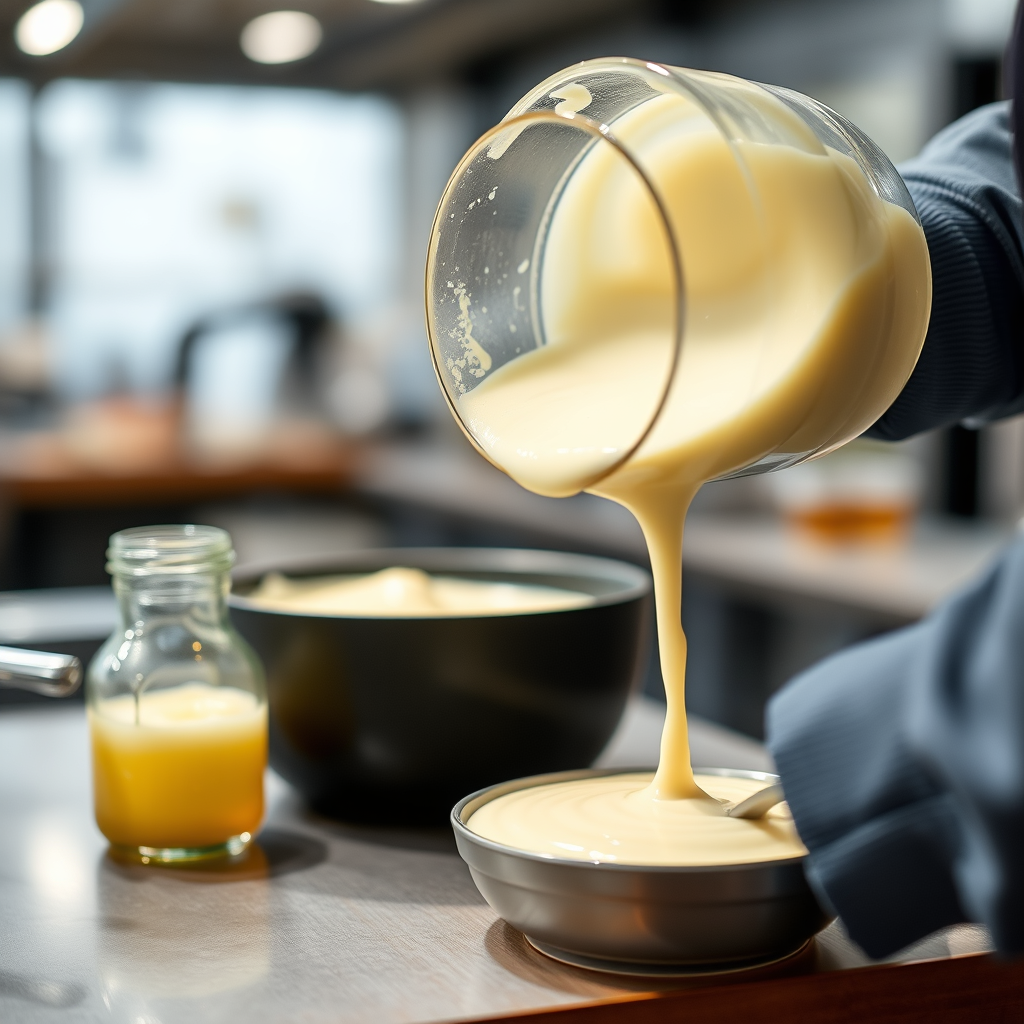
Achieving the perfect emulsion can sometimes be a challenge, but these tips will help ensure success:
– Room Temperature Ingredients: Make sure that all ingredients, especially the egg yolks and oil, are at room temperature. Cold ingredients can cause the emulsion to break.
– Slow Oil Addition: Start by adding the oil in a very slow stream, especially during the initial phase. This allows the egg yolks to absorb the oil gradually, forming a stable emulsion.
– Whisking Technique: Use a whisk vigorously, or consider using an immersion blender for more consistent results. If using a blender, start on low speed and gradually increase.
– Avoid Overwhisking: If the mayonnaise becomes too thick, it can be difficult to incorporate additional oil. If this happens, you can thin it out by adding a teaspoon of warm water or lemon juice.
Best Oils for Homemade Mayonnaise (2024)
| # | Oil Type | Flavor Profile | Best Uses | Smoke Point (°F) |
|---|---|---|---|---|
| 1 | Canola Oil | Neutral | Mayonnaise, Dressings | 400 |
| 2 | Sunflower Oil | Light | Mayonnaise, Sauces | 440 |
| 3 | Grapeseed Oil | Mild | Dressings, Marinades | 420 |
| 4 | Avocado Oil | Rich | Mayonnaise, Dips | 520 |
| 5 | Extra Virgin Olive Oil | Fruity | Dressings, Dipping | 375 |
| 6 | Safflower Oil | Neutral | Mayonnaise, Dressings | 450 |
| 7 | Peanut Oil | Nutty | Frying, Sauces | 450 |
Flavor Variations to Try

One of the best aspects of homemade mayonnaise is the ability to customize flavors to suit your preferences. Here are some creative variations to explore:
– Vinegar Options: Experiment with different types of vinegar such as apple cider, white wine, or even balsamic vinegar. Each type will impart its unique flavor profile, enhancing the overall taste of your mayonnaise.
– Herbs and Spices: Fresh herbs such as dill, basil, or cilantro can be finely chopped and mixed in for a fresh twist. Alternatively, try adding spices like paprika, cayenne pepper, or garlic powder to introduce warmth and complexity.
– Garlic Aioli: For a classic garlic aioli, simply add crushed garlic and a bit of lemon juice to the basic mayonnaise recipe. This is perfect for dipping vegetables or drizzling over grilled meats.
– Chipotle Mayonnaise: Incorporate pureed chipotle peppers for a smoky, spicy kick. This variation works well as a spread for sandwiches or a dipping sauce for fries.
Storing Your Homemade Mayonnaise

Proper storage is essential to maintain the quality and safety of your homemade mayonnaise:
– Airtight Container: Transfer the mayonnaise to a clean, airtight container. Glass jars or plastic containers with tight-sealing lids are ideal.
– Refrigeration: Store your mayonnaise in the refrigerator immediately after making it. Homemade mayonnaise can typically last for about 4 to 7 days.
– Labeling: Consider labeling the container with the date it was made to keep track of freshness. Always check for any changes in smell or texture before use.
Troubleshooting Common Mayonnaise Issues
Even the best cooks can encounter issues when making mayonnaise. Here are some common problems and their solutions:
– Separation: If your mayonnaise separates, it may be due to too much oil being added too quickly. To repair it, whisk in a teaspoon of warm water or start a new emulsion with a fresh egg yolk, gradually adding the separated mixture.
– Too Thick: If your mayonnaise is thicker than desired, mix in a small amount of warm water or lemon juice until you reach the desired consistency.
– Too Thin: If your mayonnaise is too thin, you can try adding more oil slowly while whisking vigorously to help thicken it up.
Your homemade mayonnaise is now ready to elevate your meals! With just a few ingredients and some simple techniques, you can enjoy a fresher, tastier alternative to store-bought versions. Don’t hesitate to experiment with flavors and share your delicious creations with friends and family! Making mayonnaise from scratch not only enhances your culinary repertoire but also offers a satisfying way to connect with the art of cooking.
Frequently Asked Questions
What ingredients do I need to make mayonnaise from scratch?
To make mayonnaise from scratch, you’ll need just a few simple ingredients: one large egg, one tablespoon of Dijon mustard, one tablespoon of white wine vinegar or lemon juice, and one cup of neutral oil (like canola or sunflower oil). Salt and pepper are optional for seasoning. Using fresh, high-quality ingredients will enhance the flavor of your homemade mayonnaise.
How do I make mayonnaise without a blender?
You can make mayonnaise without a blender by using a whisk or an immersion blender. Start by combining the egg, mustard, and vinegar in a bowl; then slowly add the oil while whisking continuously until the mixture emulsifies and thickens. This method requires a bit of arm strength and patience, but it results in delicious homemade mayonnaise.
Why is my homemade mayonnaise not thickening?
If your homemade mayonnaise is not thickening, it could be due to several reasons, such as adding the oil too quickly or using ingredients that are at different temperatures. Make sure to add the oil very slowly at first and ensure that your egg is at room temperature to promote proper emulsification. If it still doesn’t thicken, try adding a teaspoon of warm water or another egg yolk to salvage it.
What is the best oil to use for making mayonnaise?
The best oil to use for making mayonnaise is a neutral-flavored oil like canola, grapeseed, or sunflower oil, as these oils won’t overpower the taste of the mayonnaise. However, for a richer flavor, some people prefer using light olive oil or avocado oil. Experimenting with different oils can help you find the perfect balance for your homemade mayonnaise.
Which tools are essential for making mayonnaise easily?
Essential tools for making mayonnaise include a mixing bowl, a whisk or an immersion blender, and a measuring cup for the oil. A food processor can also be used if you prefer a quicker method. Using these tools will make the emulsification process more efficient and help you achieve a creamy, smooth consistency in your homemade mayonnaise.
References
- Mayonnaise
https://en.wikipedia.org/wiki/Mayonnaise - https://www.britannica.com/food/mayonnaise
https://www.britannica.com/food/mayonnaise - https://www.ncbi.nlm.nih.gov/pmc/articles/PMC6324169/
https://www.ncbi.nlm.nih.gov/pmc/articles/PMC6324169/ - https://www.mayoclinic.org/healthy-lifestyle/nutrition-and-healthy-eating/in-depth/mayonnaise/art-20046515
https://www.mayoclinic.org/healthy-lifestyle/nutrition-and-healthy-eating/in-depth/mayonnaise/art-20046515 - https://www.food.wa.gov.au/food-safety/mayonnaise
https://www.food.wa.gov.au/food-safety/mayonnaise - https://www.sciencedirect.com/topics/agricultural-and-biological-sciences/mayonnaise
https://www.sciencedirect.com/topics/agricultural-and-biological-sciences/mayonnaise - https://www.cdc.gov/foodsafety/communication/mayonnaise.html
https://www.cdc.gov/foodsafety/communication/mayonnaise.html - Google Scholar Google Scholar
https://scholar.google.com/scholar?q=recipe+how+to+make+mayonnaise - Google Scholar Google Scholar
https://scholar.google.com/scholar?q=mayonnaise+recipe - Google Scholar Google Scholar
https://scholar.google.com/scholar?q=homemade+mayonnaise+health+benefits