Learn how to make Hellmann’s mayonnaise with this simple recipe that guarantees a creamy, flavorful result. Whether you’re spreading it on sandwiches or using it in salads, this homemade version rivals store-bought options. Follow these easy steps to create a classic condiment that elevates your dishes. Get ready to impress with your culinary skills and enjoy the rich taste of freshly made mayonnaise.
Creating Hellmann’s mayonnaise at home is a straightforward process that requires just a few key ingredients and some simple techniques. By following this guide, you’ll learn how to whip up this creamy classic using eggs, oil, and vinegar or lemon juice, ensuring you have a delicious condiment ready for any meal. Homemade mayonnaise not only tastes better but also allows you to control the ingredients, making it a healthier and fresher alternative to store-bought versions.
Ingredients You’ll Need
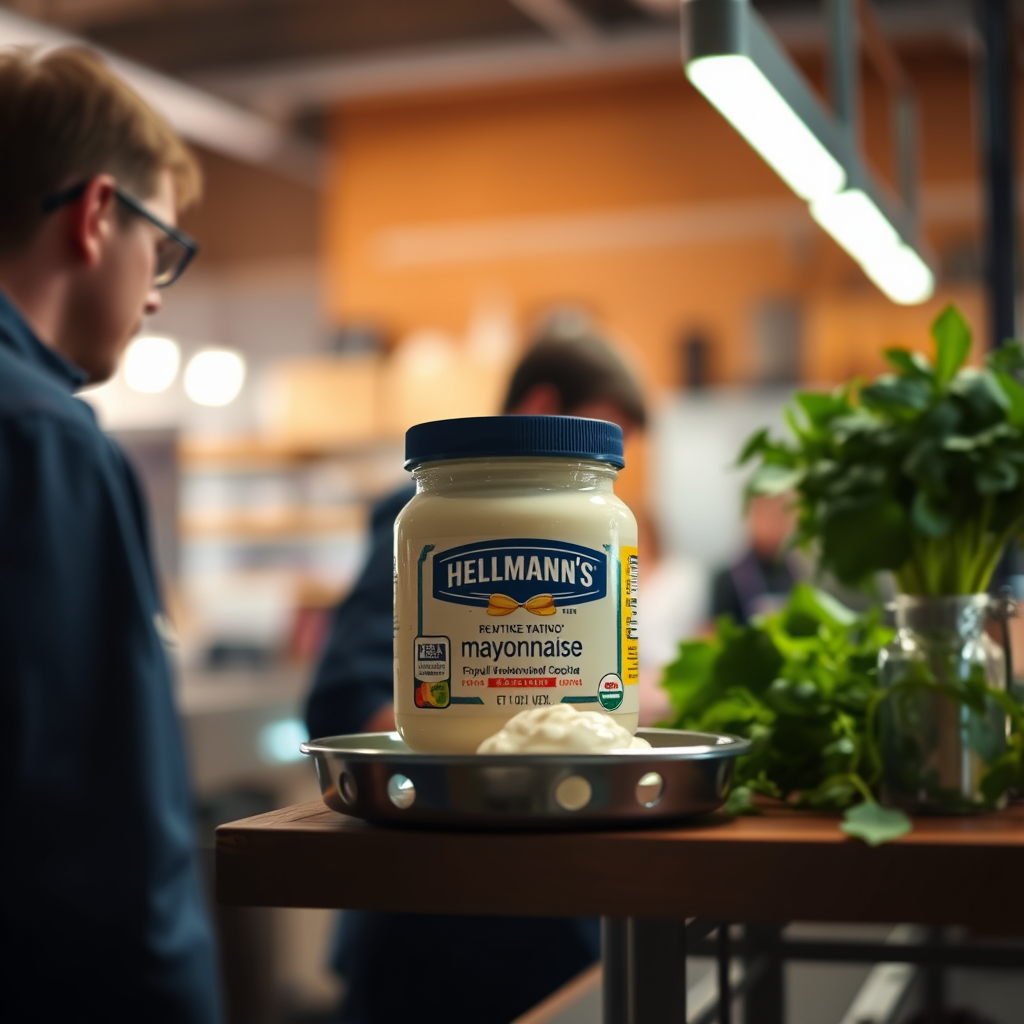
To create your own Hellmann’s mayonnaise, you will need the following ingredients:
– Fresh eggs (preferably pasteurized for safety): The base of mayonnaise, egg yolks contribute to the creamy texture and rich flavor. Using pasteurized eggs reduces the risk of salmonella, making your mayonnaise safer to consume.
– Neutral oil (like canola or sunflower): The oil is crucial for emulsification and provides the bulk of the mayonnaise’s texture. Neutral oils allow the flavor of the egg and acid to shine through without overpowering it.
– Acid (vinegar or lemon juice for flavor): The acid not only adds flavor but also helps to stabilize the emulsion. Common choices include white wine vinegar, apple cider vinegar, or fresh lemon juice for a zesty kick.
Step-by-Step Instructions

Making mayonnaise may seem daunting, but it is quite simple when you follow these steps:
1. Start by combining egg yolks and acid in a bowl: In a medium-sized bowl, place 1-2 large egg yolks (depending on how much mayonnaise you want to make) and add about 1 tablespoon of your chosen acid. Whisk them together until fully blended.
2. Slowly drizzle in the oil while whisking continuously to emulsify the mixture: Begin to add the neutral oil gradually—about a teaspoon at a time—while whisking vigorously. This slow addition allows the oil to emulsify with the egg yolks, creating a thick and creamy consistency. Once the mixture starts to thicken, you can increase the oil amount and continue whisking until all the oil is incorporated.
Tips for Perfect Emulsion
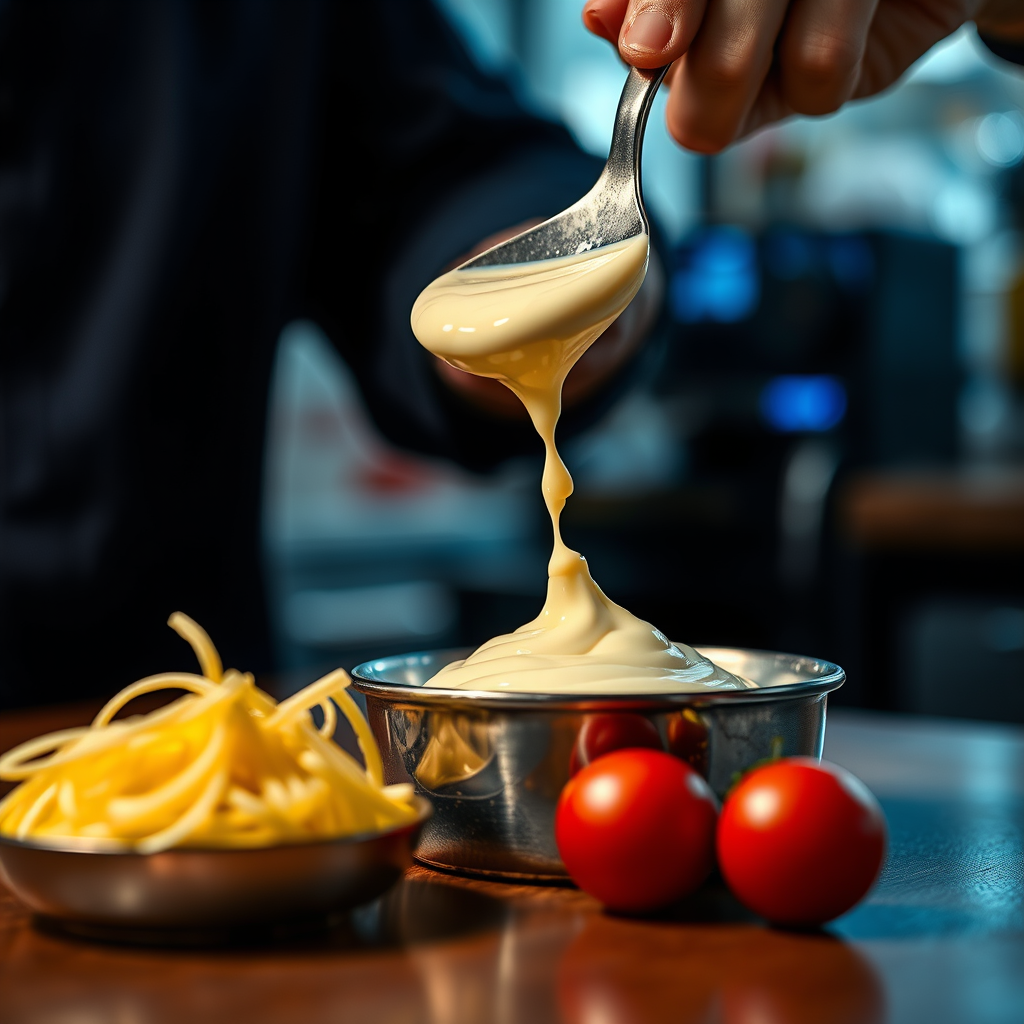
Achieving the perfect emulsion is key to a successful mayonnaise. Here are some tips to ensure your mayonnaise turns out just right:
– Use room temperature ingredients for better emulsification: Cold ingredients can hinder the emulsification process. Let your eggs and oil come to room temperature before starting.
– Whisk vigorously to incorporate air, ensuring a thick, creamy texture: The more air you incorporate while whisking, the thicker your mayonnaise will become. If you prefer, you can also use a hand mixer or food processor for quicker results.
Flavor Variations to Try

While classic mayonnaise is delicious on its own, you can easily customize it to suit your taste. Here are some flavor variations to consider:
– Add garlic or herbs for a unique twist: Incorporating ingredients such as minced garlic, fresh herbs (like dill or chives), or even sriracha can elevate the flavor profile of your mayonnaise and pair perfectly with various dishes.
– Experiment with different types of vinegar for varied flavor profiles: Try using balsamic vinegar for a slightly sweet touch or apple cider vinegar for a fruity tang. Each type of acid will impart a different character to your mayonnaise, making it versatile for numerous culinary applications.
Storage and Shelf Life

To maintain the freshness and safety of your homemade mayonnaise, adhere to the following storage tips:
– Store homemade mayonnaise in an airtight container in the refrigerator: A glass jar with a tight-sealing lid works well for storage. Ensure that the container is clean to avoid contamination.
– Consume within one week for the best flavor and freshness: Homemade mayonnaise does not contain preservatives, so it is best to use it within a week. Always check for any off smells or changes in texture before use.
Troubleshooting Common Issues
When making mayonnaise, you may encounter some common issues. Here’s how to address them:
– If the mayonnaise separates, try whisking in a teaspoon of warm water to re-emulsify: This method can help salvage the mayonnaise and bring it back to a creamy texture.
– If it’s too thick, thin it out with a little water or more acid: Adjusting the consistency is simple; just add a few drops of water or more vinegar/lemon juice while whisking until you reach your desired texture.
Top 7 Mayonnaise Brands by Popularity (2024)
| # | Brand | Type | Flavor | Popularity Rating |
|---|---|---|---|---|
| 1 | Hellmann’s | Classic | Creamy | ★★★★☆ |
| 2 | Duke’s | Classic | Tangy | ★★★★☆ |
| 3 | Kraft | Classic | Mild | ★★★☆☆ |
| 4 | Best Foods | Classic | Rich | ★★★★☆ |
| 5 | Sir Kensington’s | Organic | Gourmet | ★★★★★ |
| 6 | Vegenaise | Vegan | Creamy | ★★★★☆ |
| 7 | Hellmann’s Light | Light | Light | ★★★☆☆ |
Making homemade Hellmann’s mayonnaise is not only easy but also allows you to customize flavors to your liking. By using fresh ingredients and following the steps outlined in this guide, you can enjoy a condiment that enhances your meals and meets your dietary preferences. Try it today and elevate your dishes with this creamy delight!
Frequently Asked Questions
What are some popular recipes using Hellmann’s mayonnaise?
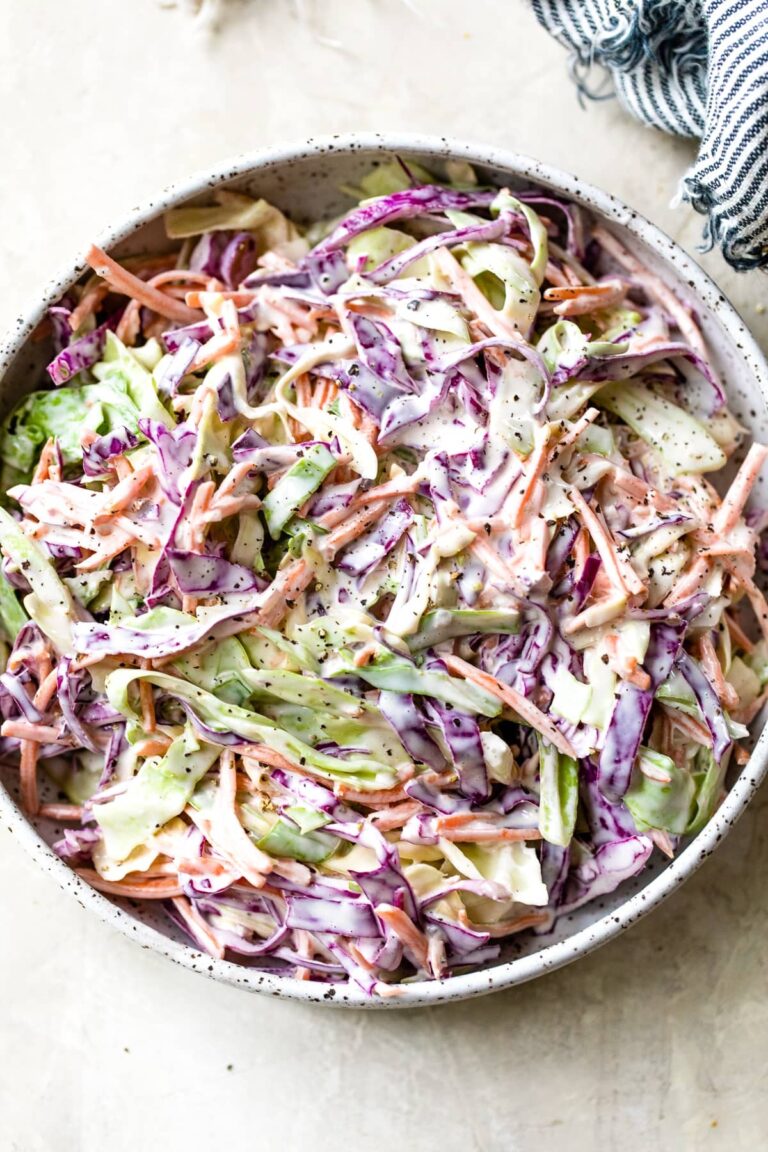
Hellmann’s mayonnaise is a versatile ingredient that can enhance many dishes. Popular recipes include creamy coleslaw, classic potato salad, and delicious deviled eggs. You can also use it as a base for dressings, marinades, or even to make a rich and creamy pasta salad.
How can I make my own Hellmann’s-style mayonnaise at home?
To create your own Hellmann’s-style mayonnaise, combine egg yolks, Dijon mustard, and vinegar in a bowl, then slowly whisk in oil until the mixture emulsifies and thickens. Season with salt and lemon juice for added flavor. This homemade version can be customized with herbs or spices to suit your taste preferences.
Why is Hellmann’s mayonnaise considered a staple in many kitchens?
Hellmann’s mayonnaise is regarded as a kitchen staple due to its rich, creamy texture and balanced flavor, making it an ideal condiment for sandwiches and salads. Its versatility allows it to be used in a variety of recipes, from dips to spreads, enhancing both taste and moisture in dishes.
What is the best way to store Hellmann’s mayonnaise to ensure freshness?
To ensure the freshness of Hellmann’s mayonnaise, it should be stored in the refrigerator immediately after opening. Keep the jar tightly sealed and use a clean utensil to scoop out the mayonnaise, avoiding cross-contamination. Proper storage can extend the shelf life and maintain the flavor of the mayonnaise.
Which dishes pair best with Hellmann’s mayonnaise for optimal flavor?
Hellmann’s mayonnaise pairs excellently with a variety of dishes, including sandwiches, burgers, and seafood. It also complements salads, such as chicken salad or egg salad, by adding creaminess and richness. For a gourmet touch, try using it in a potato salad or as a dip for fresh vegetables.
References
- https://en.wikipedia.org/wiki/Hellmann%27s_Mayonnaise
https://en.wikipedia.org/wiki/Hellmann%27s_Mayonnaise - https://www.britannica.com/topic/mayonnaise
https://www.britannica.com/topic/mayonnaise - https://www.cdc.gov/nutrition/resources-publications/healthy-eating.html
https://www.cdc.gov/nutrition/resources-publications/healthy-eating.html - https://scholar.google.com/scholar?q=Hellmann’s+mayonnaise+recipe Google Scholar
https://scholar.google.com/scholar?q=Hellmann’s+mayonnaise+recipe - https://www.healthline.com/nutrition/mayonnaise-nutrition
https://www.healthline.com/nutrition/mayonnaise-nutrition - https://scholar.google.com/scholar?q=mayonnaise+recipes Google Scholar
https://scholar.google.com/scholar?q=mayonnaise+recipes - https://www.ncbi.nlm.nih.gov/pmc/articles/PMC7010555/
https://www.ncbi.nlm.nih.gov/pmc/articles/PMC7010555/ - https://www.mayoclinic.org/healthy-lifestyle/nutrition-and-healthy-eating/in-depth/mayonnaise/art-20452926
https://www.mayoclinic.org/healthy-lifestyle/nutrition-and-healthy-eating/in-depth/mayonnaise/art-20452926 - https://www.sciencedirect.com/topics/food-science/mayonnaise
https://www.sciencedirect.com/topics/food-science/mayonnaise - https://www.nytimes.com/2020/05/12/dining/mayonnaise-recipe.html
https://www.nytimes.com/2020/05/12/dining/mayonnaise-recipe.html