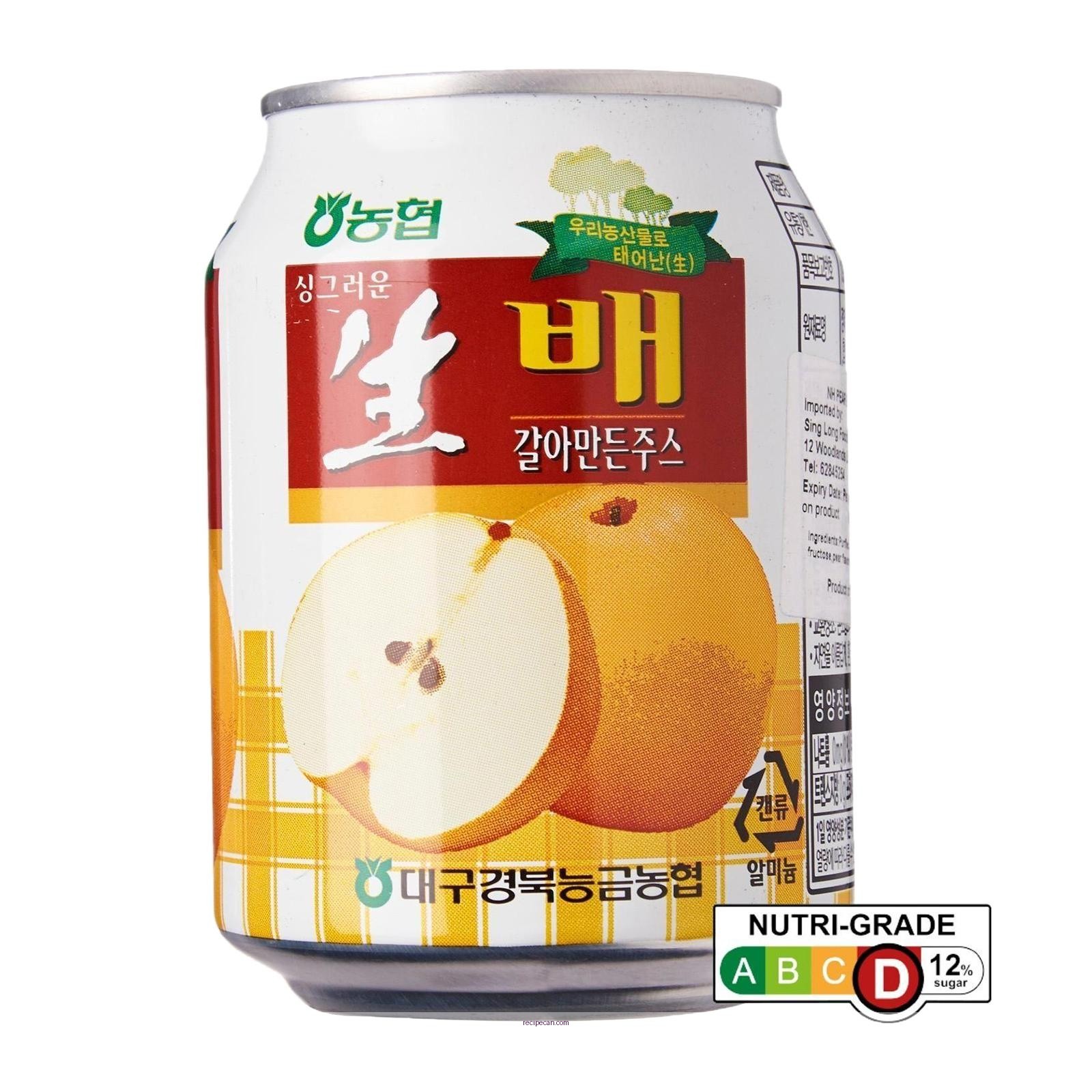
Learn how to make delicious pear juice with this simple recipe that guarantees a refreshing drink bursting with flavor. Perfect for those seeking a healthier alternative to sugary beverages, this method highlights the natural sweetness of ripe pears. Follow these straightforward steps to create a thirst-quenching juice that will elevate any meal or occasion. Say goodbye to store-bought options and enjoy the pure taste of homemade pear juice.
Making pear juice is an incredibly straightforward process that yields a sweet, refreshing drink perfect for any occasion. With just a handful of ingredients and minimal effort, you can create a delightful homemade pear juice that is not only delicious but also a healthier alternative to store-bought options. This simple recipe is ideal for beginners and provides about four servings, making it a wonderful treat to share with family and friends.
Recipe Overview

This pear juice recipe captures the juicy essence of ripe pears, delivering a drink that is both refreshing and satisfying. The natural sweetness of the fruit shines through, making it an excellent choice for summer picnics, brunch gatherings, or a cozy afternoon at home. With just a few easy steps, you can enjoy a glass of homemade pear juice that is free from preservatives and additives. Perfect for health-conscious individuals and fruit lovers alike, this recipe invites you to indulge in the pure taste of fresh pears.
Time Required
– 🕐 Prep Time : 10 minutes
– 🍳 Cook Time : 0 minutes (juicing)
– ⏱ Total Time : 10 minutes
Ingredients
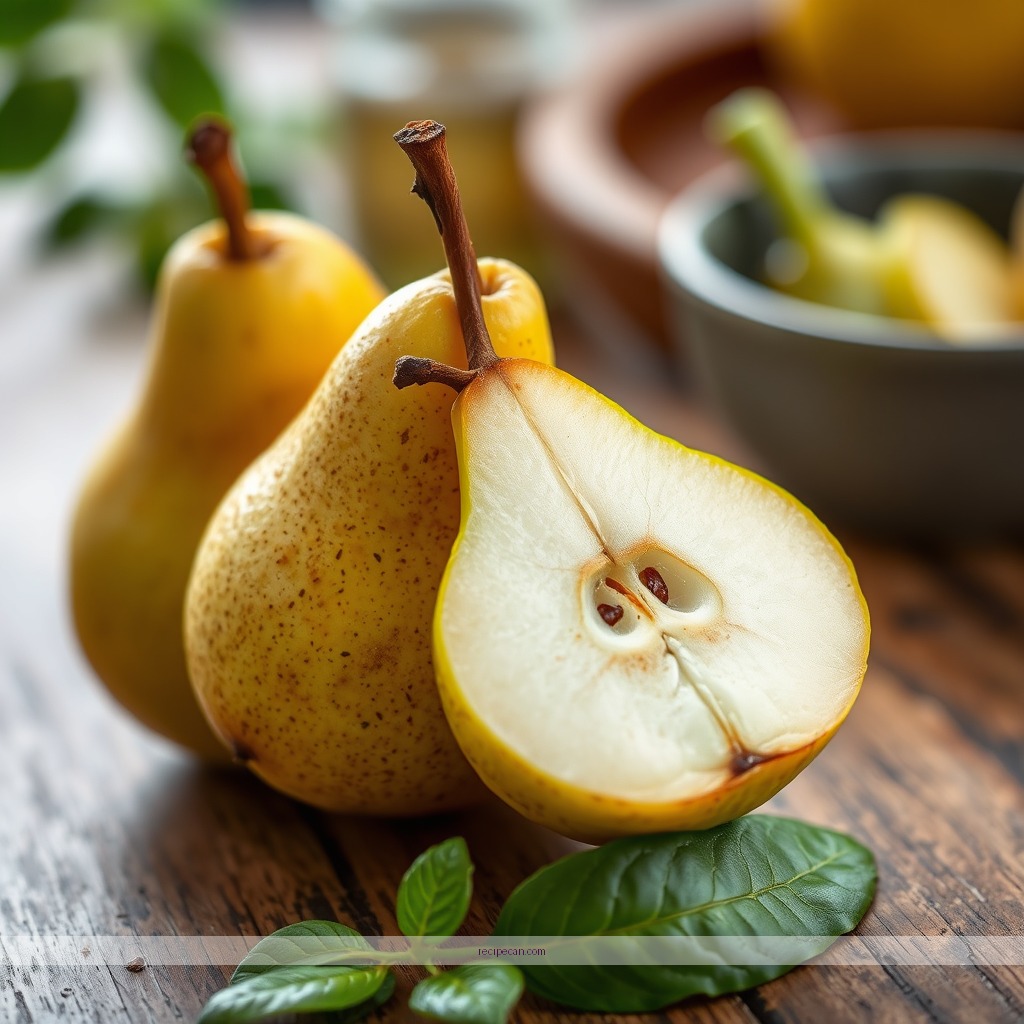
Selecting the right pears is crucial for achieving the best flavor in your juice. Ripe pears that yield slightly when pressed will ensure a sweet and fragrant juice. You can also explore different varieties to create a more complex flavor profile.
Main Ingredients
– 4 ripe pears (Bartlett, Anjou, or Bosc are excellent choices)
– 1 tablespoon lemon juice (to enhance flavor and prevent oxidation)
– Water (as needed for blending)
Step-by-Step Instructions

1. Wash and Prepare the Pears: Start by rinsing the pears under cool running water to remove any dirt or residues. After washing, remove the stems and cut the pears into quarters, leaving the skin on. The skin adds flavor and nutrients to the juice.
2. Blend the Pears: Place the quartered pears into a blender. Add the tablespoon of lemon juice and a splash of water to facilitate blending. Blend on high until the mixture is smooth and creamy. This step is crucial, as the blending process helps extract the maximum flavor from the pears.
3. Strain the Juice: Using a fine-mesh strainer or cheesecloth, pour the blended pear mixture into the strainer to separate the juice from the pulp. Use a spatula or the back of a spoon to press down on the pulp, extracting as much juice as possible. This step ensures a smooth texture without any unwanted pulp.
4. Adjust Consistency: After straining, evaluate the thickness of the juice. If it appears too thick for your liking, gradually add a little more water until you reach your desired consistency. Stir well to combine.
5. Chill and Serve: Pour the freshly made pear juice into glasses and place them in the refrigerator to chill for about 30 minutes. Serving the juice cold enhances its refreshing qualities. Enjoy your homemade pear juice as is, or feel free to incorporate it into cocktails or smoothies for a delightful twist!
What to Avoid & Precautions
While making pear juice is simple, there are a few common pitfalls you can easily avoid to ensure a successful outcome.
Overripe Pears
Using overly ripe pears may result in a juice that tastes fermented or overly sweet. Make sure to select fresh, firm pears that are at their peak ripeness for the best flavor.
Not Straining Properly
If you skip or rush the straining process, you might end up with a pulpy texture instead of the smooth juice you desire. Take your time during this step to ensure a delightful drinking experience.
Common Mistakes & How to Fix Them
Even with a simple recipe like this, it’s easy to make a few mistakes. Here are some common ones and how to avoid them:
Using Unripe Pears
If your pears are unripe, the juice will lack sweetness and depth of flavor. Always choose pears that are fully ripe for the best results.
Rushing the Blending Process
Many people overlook the importance of thorough blending. Insufficient blending may leave chunks of pear in the mixture. Blend until the texture is completely smooth for optimal juicing.
Forgetting to Stir
After adjusting the consistency, some might forget to stir the juice again before serving. This can lead to uneven flavor distribution. Always give it a good stir to mix in any added water.
How to Serve
Plating & Presentation
Serve your pear juice in clear glasses to showcase its beautiful, light color. For an elegant touch, garnish each glass with a thin slice of pear on the rim or a sprig of mint for added visual appeal.
What Goes Well With It
Pear juice pairs wonderfully with light snacks such as cheese platters, crackers, or fresh fruit. It can also be used as a mixer in cocktails, adding a fruity essence to drinks like spritzers or mojitos.
Storage
If you have leftover juice, store it in an airtight container in the refrigerator, where it will stay fresh for up to three days. Remember to shake well before serving, as natural separation may occur.
Top 7 Pear Varieties for Juicing (2023)
| # | Variety | Flavor Profile | Best Uses | Juice Yield |
|---|---|---|---|---|
| 1 | Bartlett | Sweet & Juicy | Juicing, Fresh Eating | High |
| 2 | Anjou | Sweet & Buttery | Salads, Juicing | Medium |
| 3 | Bosc | Spicy & Sweet | Baking, Juicing | High |
| 4 | Comice | Rich & Creamy | Desserts, Juicing | Medium |
| 5 | Forelle | Crisp & Sweet | Snacking, Juicing | Medium |
| 6 | Asian Pear | Crisp & Refreshing | Salads, Juicing | High |
| 7 | Red Anjou | Sweet & Juicy | Juicing, Fresh Eating | High |
Enjoying homemade pear juice is not just a refreshing experience; it’s a celebration of one of nature’s sweetest gifts. With this simple recipe, you can impress your family and friends or enjoy a delightful drink at any time. So gather up some ripe pears and start juicing today!
Frequently Asked Questions
What are the health benefits of drinking pear juice?
Pear juice is rich in vitamins C and K, antioxidants, and dietary fiber, making it beneficial for immune support, digestion, and overall health. Additionally, it can help hydrate the body and may aid in reducing inflammation due to its natural anti-inflammatory properties.
How can I make homemade pear juice?
To make homemade pear juice, start by washing and peeling ripe pears, then chop them into small pieces. Blend the chopped pears with a little water until smooth, strain the mixture through a fine mesh sieve or cheesecloth to remove the pulp, and enjoy your fresh, homemade pear juice!
Why is my pear juice turning brown, and how can I prevent it?
Pear juice turns brown due to oxidation, which occurs when the juice is exposed to air. To prevent browning, you can add a splash of lemon juice or citric acid to the pear juice, as these substances help slow down the oxidation process and maintain the juice’s vibrant color.
What is the best type of pears to use for juicing?
The best types of pears for juicing are usually ripe and juicy varieties such as Bartlett, Bosc, or Anjou pears. These varieties have a high water content and sweetness, producing a flavorful and refreshing juice that is perfect for drinking or mixing into cocktails.
Which juicing method is best for making pear juice: a juicer or a blender?
While both methods can be effective, using a juicer is generally the best choice for making pear juice as it extracts more liquid and yields a smoother texture. However, if you don’t have a juicer, a high-powered blender can also work well; just remember to strain the blended mixture to remove any pulp for a cleaner juice.
References
- Pear
https://en.wikipedia.org/wiki/Pear - Checking your browser – reCAPTCHA
https://www.ncbi.nlm.nih.gov/pmc/articles/PMC5665394/ - Checking your browser – reCAPTCHA
https://www.ncbi.nlm.nih.gov/pmc/articles/PMC5898097/ - Pear | Description, Uses, & Types | Britannica
https://www.britannica.com/plant/pear - https://www.sciencedirect.com/topics/agricultural-and-biological-sciences/pear
https://www.sciencedirect.com/topics/agricultural-and-biological-sciences/pear - https://www.healthline.com/nutrition/pear-nutrition
https://www.healthline.com/nutrition/pear-nutrition - Page Not Found – Site Help – Mayo Clinic
https://www.mayoclinic.org/healthy-lifestyle/nutrition-and-healthy-eating/expert-answers/pear-nutrition/faq-20057896 - Google Scholar Google Scholar
https://scholar.google.com/scholar?q=pear+juice+recipe - Google Scholar Google Scholar
https://scholar.google.com/scholar?q=health+benefits+of+pear+juice - Google Scholar Google Scholar
https://scholar.google.com/scholar?q=pear+juice+nutritional+content