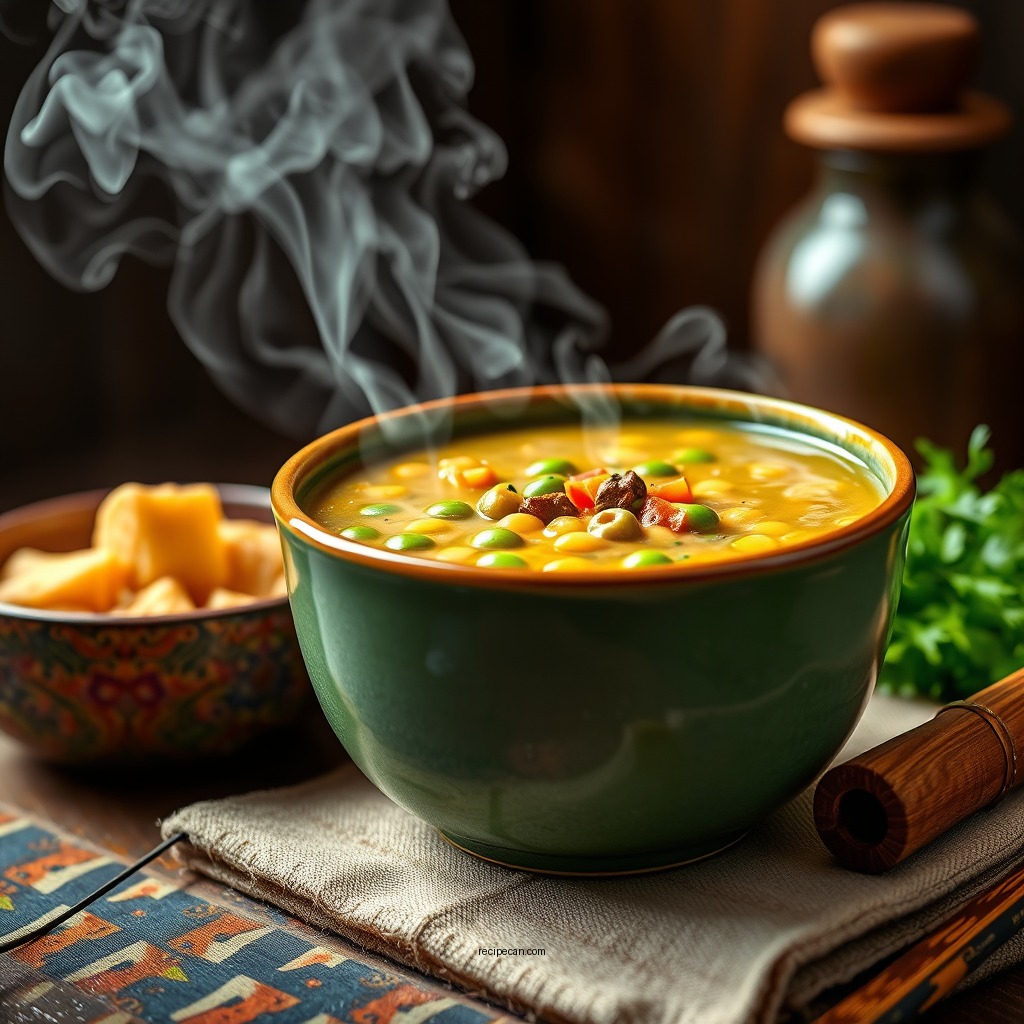
Gungo peas soup is a hearty and flavorful dish that embodies the essence of Caribbean cuisine. This traditional soup, made primarily with gungo peas—also known as pigeon peas—offers a delightful combination of spices and fresh ingredients that make it a comforting meal. In this article, you will learn how to prepare this delicious soup, explore its nutritional benefits, and discover tips for enhancing its flavor and presentation.
Ingredients Needed for Gungo Peas Soup
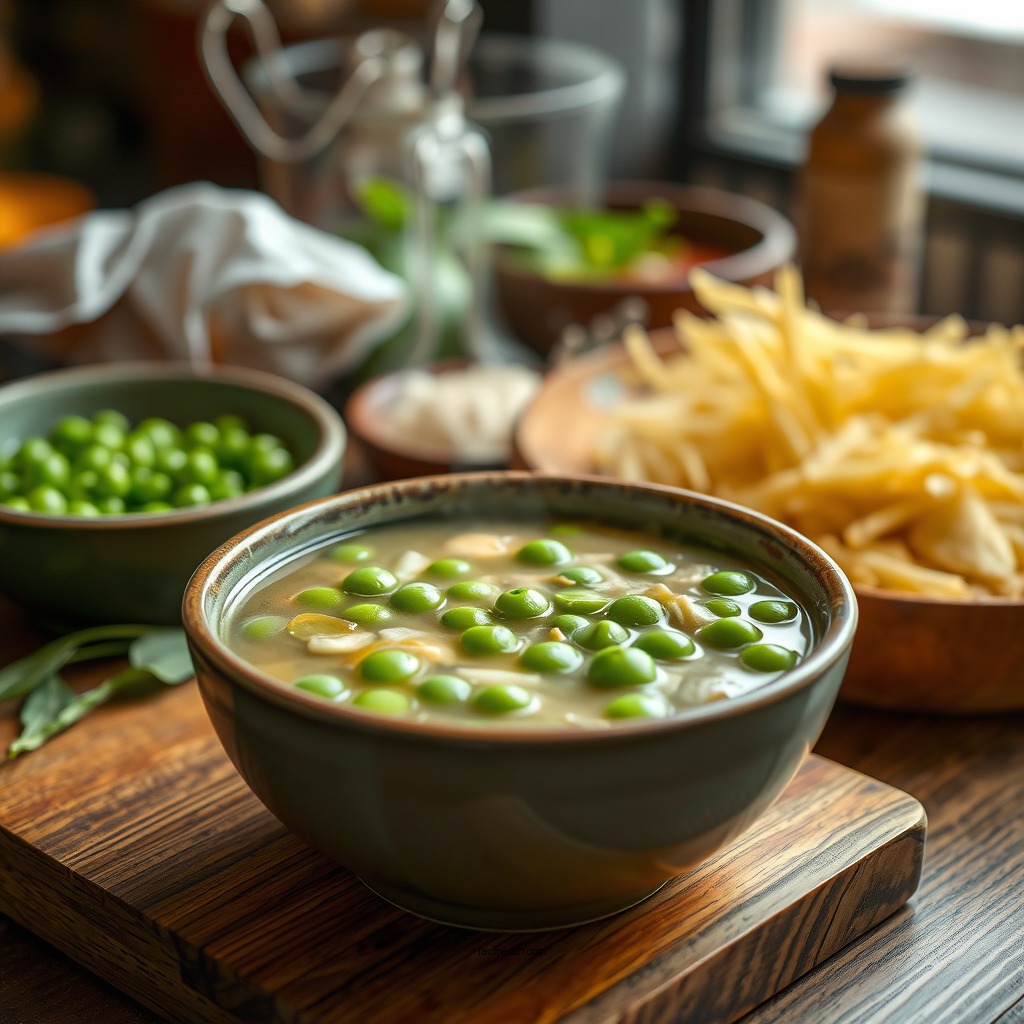
To prepare a rich and flavorful gungo peas soup, you will need a selection of ingredients that contribute to its unique taste and texture. Below is a list of essential components for your soup:
– Gungo peas (dried or canned): The star ingredient, providing protein, fiber, and a distinct earthy flavor.
– Fresh vegetables: Carrots, onions, and bell peppers add sweetness, crunch, and color to the soup.
– Seasonings: Fresh thyme, minced garlic, and scotch bonnet pepper infuse the soup with aromatic flavors and a kick of heat.
– Broth or water: Depending on your preference, you can use vegetable or chicken broth for added depth of flavor.
– Coconut milk (optional): For a creamy and rich texture, coconut milk can be added to enhance the taste.
– Salt and pepper: To taste, ensuring a balanced flavor profile.
This combination of ingredients not only makes for a delicious soup but also packs a nutritional punch, making it a wholesome meal option.
Preparation Steps for Gungo Peas Soup
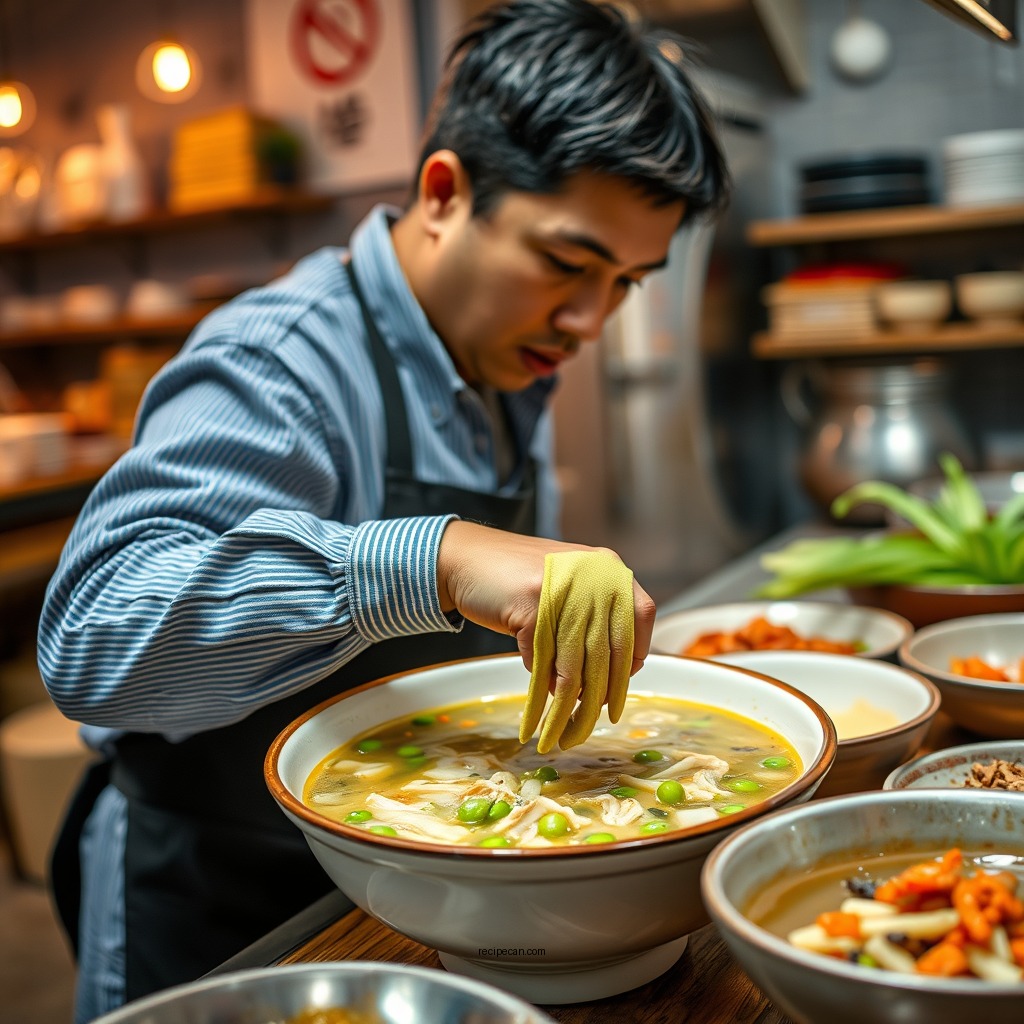
Before diving into the cooking process, it’s crucial to prepare your ingredients properly. Here are the steps to get started:
– Soak dried gungo peas: If you are using dried gungo peas, soak them overnight in water. This step will reduce cooking time and ensure they become tender. If you’re using canned peas, you can skip this step.
– Chop vegetables: Dice your onions, carrots, and bell peppers into small, even pieces. This ensures they cook uniformly and blend well in the soup.
– Mise en place: Gather your spices and seasonings, including thyme, garlic, and scotch bonnet pepper. Having everything ready allows for a smoother cooking process.
Cooking Instructions for Gungo Peas Soup
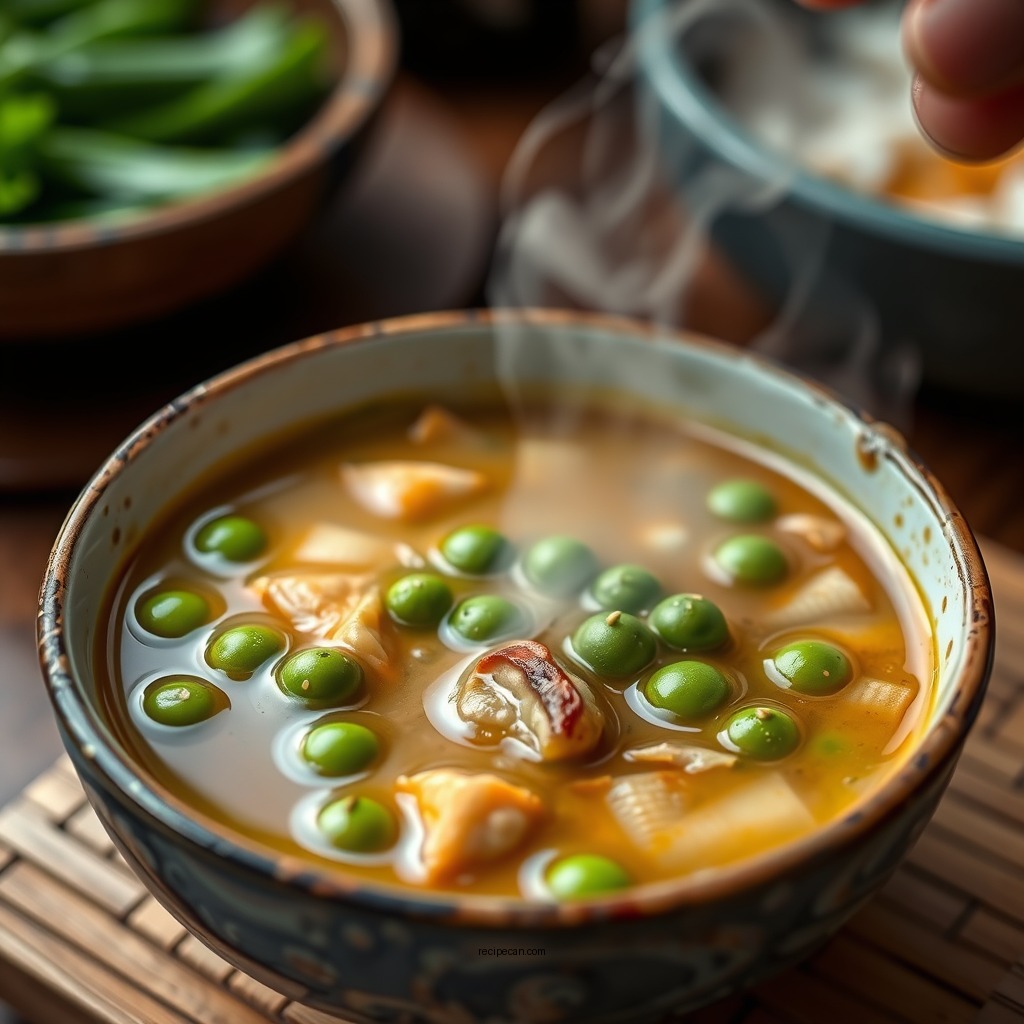
Once your ingredients are prepped, it’s time to bring your gungo peas soup to life. Follow these cooking instructions:
1. Sauté the vegetables: In a large pot, heat a tablespoon of oil over medium heat. Add the chopped onions, carrots, and bell peppers. Sauté for about 5-7 minutes until they become fragrant and the onions turn translucent.
2. Add the gungo peas: If using soaked dried peas, drain them and add them to the pot. If using canned peas, simply add them along with their liquid. Stir to combine.
3. Pour in the liquid: Add enough broth or water to cover the gungo peas and vegetables. Bring the mixture to a boil.
4. Season the soup: Add minced garlic, thyme, and the scotch bonnet pepper (whole or chopped, depending on your heat preference). Reduce the heat to low, cover, and let it simmer for about 30-40 minutes, or until the gungo peas are tender. If you prefer a thicker soup, allow it to simmer uncovered for the last 10 minutes.
5. Final touches: If using coconut milk, stir it in during the last few minutes of cooking. Adjust the seasoning with salt and pepper to taste.
Nutritional Benefits of Gungo Peas Soup
Gungo peas, the primary ingredient in this soup, are not only delicious but also highly nutritious. They are an excellent source of plant-based protein, making them a great option for vegetarians and vegans. Additionally, gungo peas are rich in fiber, which aids in digestion and promotes a feeling of fullness, making this soup a satisfying meal.
Enhancing the Flavor of Your Gungo Peas Soup
To elevate your gungo peas soup, consider the following tips for enhancing its flavor:
– Incorporate coconut milk: Adding coconut milk not only creates a creamy texture but also introduces a subtle sweetness that complements the spices.
– Adjust spices: Taste the soup as it cooks and adjust the spices according to your preference. You may want to add more thyme or a dash of allspice for additional depth.
– Experiment with herbs: Fresh herbs like cilantro or parsley can be added just before serving for a burst of freshness.
By taking these additional steps, you can create a gungo peas soup that is uniquely yours, one that reflects your culinary preferences.
Serving Suggestions for Gungo Peas Soup
Serving gungo peas soup is as important as preparing it. Here are some delightful serving suggestions:
– Accompaniments: Serve the soup hot with a side of cornbread or traditional Jamaican dumplings. These starchy sides complement the soup perfectly and make for a more filling meal.
– Garnishing: Enhance the presentation by garnishing with chopped green onions or fresh herbs like parsley or cilantro. This not only adds color but also brightens the flavor.
– Pairing: For a complete meal, consider pairing the soup with a refreshing salad or a side of fried plantains to balance the flavors.
These serving suggestions will not only make your presentation appealing but also enhance the overall dining experience.
Tips for Storing and Reheating Gungo Peas Soup
If you have leftovers, proper storage and reheating techniques will ensure that your gungo peas soup remains delicious:
– Storage: Allow the soup to cool to room temperature before transferring it to an airtight container. It can be stored in the refrigerator for up to 3-4 days.
– Reheating: When reheating, either use the stove or microwave. If the soup has thickened, add a splash of water or broth to achieve your desired consistency before heating.
Following these tips will help maintain the soup’s flavor and texture, so you can enjoy it later.
Nutritional Profile of Gungo Peas (Per 100g)
| # | Nutrient | Amount | % Daily Value |
|---|---|---|---|
| 1 | Protein | 8.5g | 17% |
| 2 | Fiber | 6.5g | 26% |
| 3 | Carbohydrates | 22g | 7% |
| 4 | Fat | 0.8g | 1% |
| 5 | Iron | 1.4mg | 8% |
| 6 | Potassium | 358mg | 10% |
| 7 | Calcium | 60mg | 6% |
Preparation Time vs Cooking Time for Gungo Peas Soup
Gungo peas soup is not only delicious but also nutritious, packed with protein and fiber. This recipe is perfect for family gatherings or cozy nights in. By following the steps outlined above, you can create a comforting and hearty dish that brings the vibrant flavors of the Caribbean into your home. Give it a try and enjoy a taste of the Caribbean at home!
Frequently Asked Questions
What are the key ingredients needed for a traditional gungo peas soup recipe?
A traditional gungo peas soup recipe typically includes gungo peas (also known as pigeon peas), coconut milk, chopped vegetables like carrots and onions, garlic, thyme, and scallions. Additionally, you may want to add some meat, such as chicken or beef, for added flavor and protein. Don’t forget spices like salt and pepper to enhance the taste.
How do I properly cook gungo peas for soup?
To cook gungo peas for soup, start by soaking the dried peas overnight in water to soften them. Drain and rinse the peas, then simmer them in a pot with fresh water for about 30-45 minutes until tender. This method will ensure that the peas are cooked perfectly for your delicious gungo peas soup.
Why is coconut milk important in a gungo peas soup recipe?
Coconut milk is essential in a gungo peas soup recipe as it adds a rich, creamy texture and a subtle sweetness that complements the earthiness of the gungo peas. It also enhances the overall flavor profile of the soup, making it more satisfying and delicious. Moreover, coconut milk contributes to a unique Caribbean flair that makes the dish stand out.
What is the best way to store gungo peas soup leftovers?
The best way to store gungo peas soup leftovers is to let the soup cool to room temperature and then transfer it to an airtight container. You can refrigerate the soup for up to 3-4 days or freeze it for longer storage, up to 3 months. When reheating, add a splash of water or coconut milk to restore its creamy consistency.
Which spices can I add to elevate the flavor of my gungo peas soup?
To elevate the flavor of your gungo peas soup, consider adding spices such as allspice, cumin, or a pinch of cayenne pepper for a kick. Fresh herbs like cilantro or parsley can also enhance the taste, along with a dash of lime juice for brightness. Experimenting with these spices will allow you to customize the soup according to your palate preferences.
References
- https://en.wikipedia.org/wiki/Gungo_peas
https://en.wikipedia.org/wiki/Gungo_peas - https://www.bbc.co.uk/food/recipes/gungo_peas_and_rice_35061
https://www.bbc.co.uk/food/recipes/gungo_peas_and_rice_35061 - https://www.sciencedirect.com/topics/agricultural-and-biological-sciences/gungo-peas
https://www.sciencedirect.com/topics/agricultural-and-biological-sciences/gungo-peas - https://www.jstor.org/stable/10.2307/25058845
https://www.jstor.org/stable/10.2307/25058845 - https://pubmed.ncbi.nlm.nih.gov/?term=gungo+peas+soup
https://pubmed.ncbi.nlm.nih.gov/?term=gungo+peas+soup - https://www.ncbi.nlm.nih.gov/pmc/?term=gungo+peas
https://www.ncbi.nlm.nih.gov/pmc/?term=gungo+peas - Google Scholar Google Scholar
https://scholar.google.com/scholar?q=gungo+peas+soup+recipe - Google Scholar Google Scholar
https://scholar.google.com/scholar?q=gungo+peas+nutrition - Google Scholar Google Scholar
https://scholar.google.com/scholar?q=gungo+peas+health+benefits - Molecular fluorescence spectroscopy with multi-way analysis techniques detects spectral variation…
https://www.nature.com/articles/s41598-020-70811-7