Learn how to grow a garden for fresh ingredients and then turn them into the best sweet tea recipes—starting with what to plant and when. This guide answers which garden picks (tea-friendly herbs and citrus-friendly plants) will actually make your brew taste brighter, not greener. Expect clear, repeatable steps for infusing, sweetening, and serving a glass of sweet tea that tastes like it came from your own backyard.
Grow a small, tea-focused garden—mint, lemon balm, berries, and citrus—then turn your harvest into simple cooking steps that boost sweetness and aroma for fresh homemade sweet tea. This guide shows exactly what to plant, when to harvest, and how to brew a consistent tea base, plus repeatable recipes that let you rotate flavors all season long.
Plan Your Garden for Sweet Tea Flavors
Sweet tea tastes best when the “sweet” isn’t only sugar—it’s also aroma (mint, lemon) and fruit notes (berries). Start by designing a garden that can be harvested frequently without destroying plant health, so you can brew often and keep flavors consistent.
Tea-Friendly Garden Crops for Sweet Tea (Typical Home-Garden Outcomes)
| # | Crop (sweet-tea match) | Flavor payoff | Best harvest window | Steep compatibility |
|---|---|---|---|---|
| 1 | Spearmint | Classic cooling + fresh aroma | Morning (8–11am) | ★★★★★ |
| 2 | Lemon balm | “Lemon” fragrance without sharp bitterness | Morning (8–10am) | ★★★★☆ |
| 3 | Strawberries | Sweet perfume + rounded fruit body | Peak ripeness (late morning) | ★★★★☆ |
| 4 | Blackberries | Deep berry notes; pairs well with strong tea | Morning/early afternoon (fully dark) | ★★★★★ |
| 5 | Lemon (zest + juice) | Bright top notes; keeps tea from tasting flat | Zest anytime; juice best mid-morning | ★★★★★ |
| 6 | Thyme | Subtle herbal depth (use lightly) | Morning (8–10am) | ★★★☆☆ |
| 7 | Blueberries | Jammy sweetness; more tart than strawberries | Cooler hours (9–12pm) | ★★★★☆ |
To apply these pairings in real planning:
– Choose plants that naturally pair with sweet tea (mint, lemon balm, strawberries/blackberries, citrus). Strong black tea holds up to fruit depth; mint and lemon balm add bright top notes.
– Plant for continuous harvest so you can brew fresh batches often. Use multiple beds or stagger plantings (for example: early- and mid-season berries).
– Pick a sunny spot and plan spacing so herbs grow back after cutting. For leaf herbs, spacing is what preserves regrowth. If plants are shaded or crowded, you’ll sacrifice yield and aroma.
Grow and Harvest Ingredients for Sweet Tea
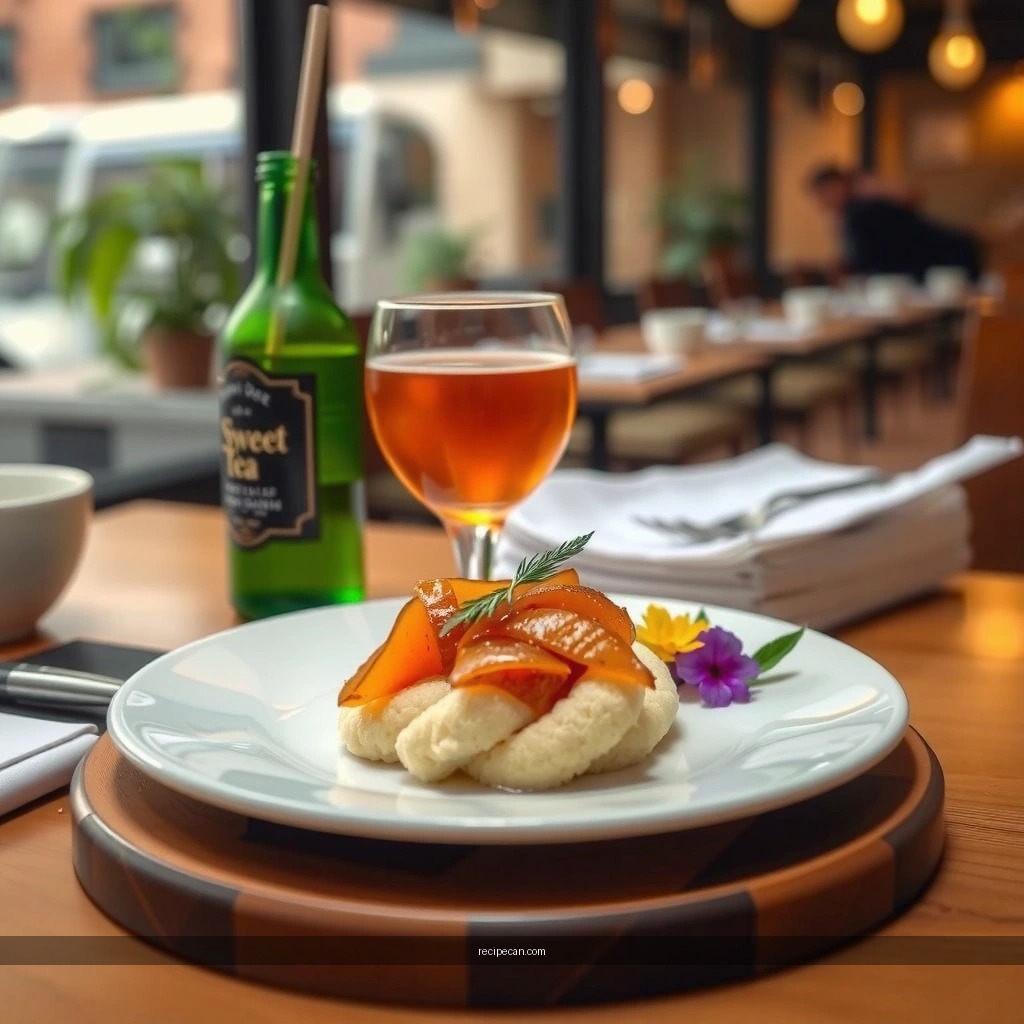
Garden-to-kettle success depends less on “perfect recipes” and more on timing. Sweet tea is sensitive to two variables: volatile aromatics (herbs, zest) and ripeness (berries). If you harvest at the wrong time, you can end up with tea that tastes muted—even if your recipe is correct.
– Harvest leaves in the morning for the best flavor and fragrance. The first cool hours preserve essential oils in mint and lemon balm. Avoid harvesting in the heat of the afternoon; aroma often dulls as temperatures rise.
– Use ripe fruit (or fresh berries) for the sweetest, most aromatic brew. For strawberries, pick when fully red; for blackberries, select berries that are deep and slightly firm (not leaking). Under-ripe fruit can taste woody or sharp.
– Dry or freeze extra herbs/fruit so you can make sweet tea year-round.
– Freeze berries on a tray first, then bag them to prevent clumping.
– Freeze herb leaves (chopped with a little water in ice cube trays works well for brewing).
– Dry mint and lemon balm carefully (low heat, fast drying). Dried herbs are best for syrups and concentrates rather than delicate “steep-only” flavoring.
Practical workflow: aim to harvest what you can process the same day. If you must hold ingredients, keep herbs cool and covered, and refrigerate berries promptly to protect fragrance.
Sweet Tea Base: The Simple Brewing Method

Every sweet tea recipe you’ll repeat this season should start from a stable tea base. That base is what lets you adjust fruit and herb intensity without turning batch-making into guesswork.
– Brew strong tea (black or blend) and let it steep until flavorful, not watery. Strong tea provides enough backbone so fruit and herb flavors read clearly, especially when you chill and dilute for iced serving. If your tea tastes thin hot, it will taste even thinner when cooled.
– Adjust sweetness by dissolving sugar while the tea is warm. Warm liquid dissolves sugar more efficiently, so you avoid grainy sweetness and uneven concentration.
– Add cooling time and proper dilution for consistent taste. Brew hot, sweeten hot, then cool (ice bath or fast refrigeration). If you’re making a pitcher for guests, standardize dilution—e.g., brew concentrate and then add chilled water to reach final volume.
A reliable method for most home batches:
1. Brew a concentrated black tea base (longer steep time or higher leaf-to-water ratio).
2. Dissolve sugar while the tea is warm.
3. Add your fruit/herb “cook step” ingredients (or syrup concentrate).
4. Cool quickly and refrigerate until serving time.
This approach minimizes “batch drift,” where one pitcher tastes right and the next tastes off.
Cooking Recipes Using Your Garden Harvest
Think of these recipes as flavor modules. Each one includes a simple cooking step that extracts aromatics and fruit character without requiring complicated technique.
Mint Berry Sweet Tea
Use this when your strawberries are sweet or when blackberries provide deeper body.
– Simmer berries briefly, strain, then brew with tea and mint.
1. Simmer 1–1½ cups berries with 2–3 tablespoons sugar (optional if berries are very ripe) for 5–8 minutes.
2. Mash lightly, then strain for a smoother drink (or keep some pulp for a thicker style).
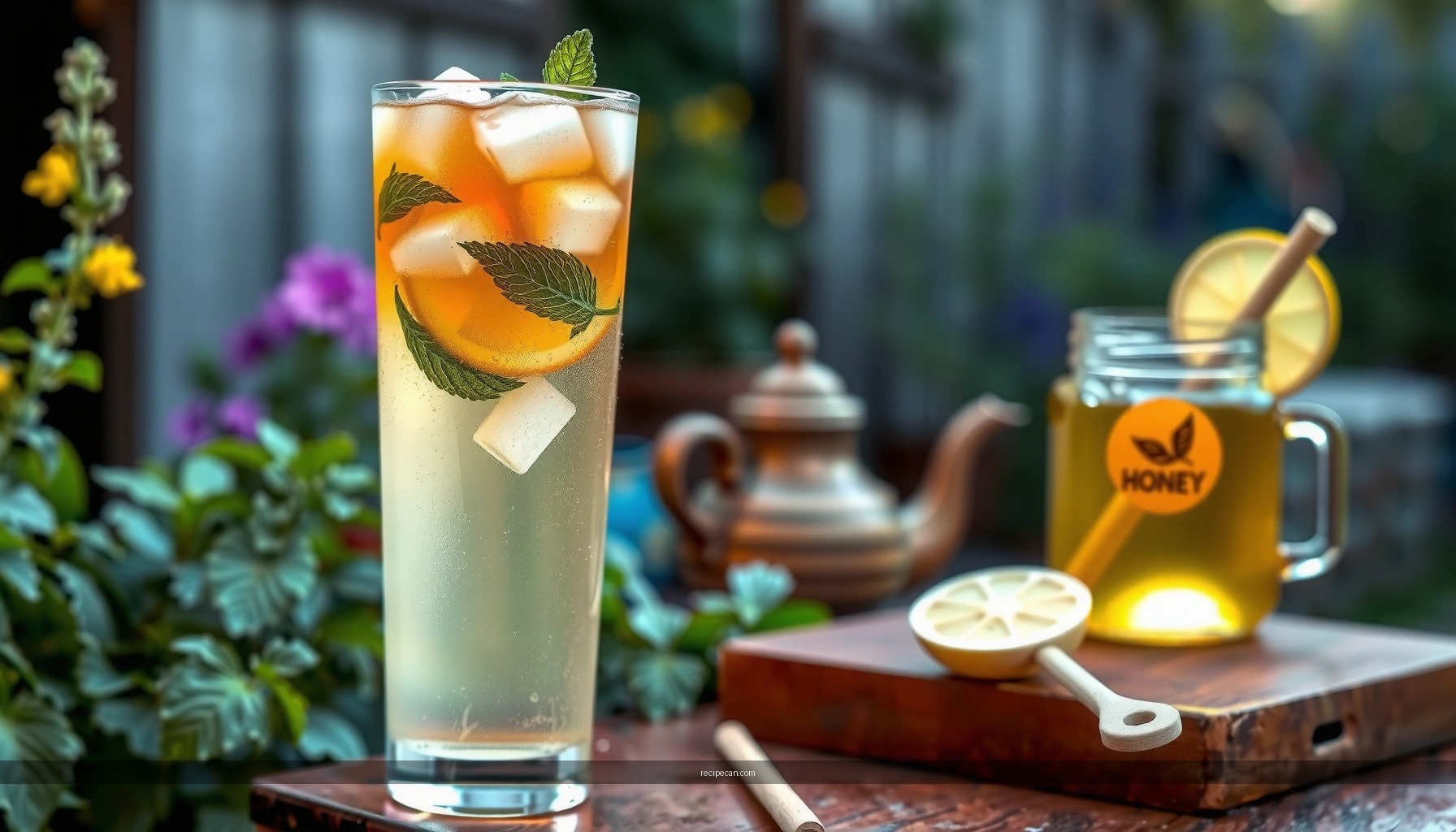
3. Brew strong black tea, add mint leaves at the end (so they don’t turn bitter), and combine with the berry infusion.
4. Cool and serve over ice.
Why it works: berries contribute sweetness and natural fruit acids, while mint supplies a clean aromatic finish.
Lemon Balm Citrus Sweet Tea
This is your “brightener” when tea tastes flat or overly sweet.
– Warm citrus zest with sugar, then combine with freshly brewed tea.
1. Rub citrus zest (lemon or orange) into sugar (or warm zest with sugar for 2–3 minutes over low heat).
2. Brew tea fresh and add the citrus-sugar mixture while the tea is warm.
3. Stir in lemon balm leaves for the final 2–3 minutes of steeping (or steep briefly, then remove leaves).
4. Cool, then adjust with a small splash of juice if you want extra lift.
Why it works: zest oils dissolve into sugar and extract into the tea quickly, producing a “fresh-from-the-garden” aroma.
Herb-Enhanced Iced Tea Syrup
This concentrate makes batch brewing faster, especially for gatherings.
– Cook herbs with sugar to make a quick sweet tea concentrate.
1. Simmer mint or lemon balm leaves with sugar and water until slightly thick (about 10 minutes on low).
2. Strain well.
3. Use 1–3 tablespoons syrup per glass depending on desired sweetness and fruit strength.
Operational advantage: syrup is stable in the fridge and scales easily when you’re making multiple pitchers.
Serving, Storage, and Batch-Brewing Tips
If you want sweet tea that stays flavorful (not “sweet but stale”), separate what can dull and what can brighten.
– Chill quickly and brew in batches for gatherings and meal prep.
Cooling quickly helps lock in fruit and herb character. If you’re serving guests, make a concentrate base early, then finalize with ice and any finishing herbs closer to serving time.
– Store syrup and brewed tea separately to keep flavors bright.
Syrup extracts and concentrates aromatics; brewed tea can lose nuance as it sits. Combine right before serving for best results.
– Reheat or remix leftovers by steeping with extra herbs or fruit.
If a stored batch tastes muted, refresh it: warm a small portion, add fresh chopped mint or a few zest strips, steep briefly, then combine back into the pitcher.
A simple batch strategy:
– Batch 1: brew concentrated tea + make a small amount of fruit infusion.
– Batch 2: brew more concentrate and keep herb syrups ready.
– Day of serving: mix concentrate + syrup + ice, then garnish with fresh herbs and a few berry pieces.
Troubleshooting Common Flavor Issues
Even experienced cooks run into predictable problems. The key is diagnosing whether the issue is steeping, ingredient freshness, or sweetness balance.
– If it tastes bitter: steep shorter or use cooler water for the initial brew.
Bitterness often comes from over-extraction of tea leaves, especially alongside aggressive herb steeping. Remove herbs promptly and avoid boiling if your method allows temperature control.
– If it’s bland: increase tea strength or use fresher, more aromatic herbs.
Bland sweet tea is usually a weak tea base or diluted fruit flavor. Increase leaf-to-water ratio and use morning-harvest mint/lemon balm.
– If it’s too sweet: reduce sugar next batch and balance with citrus or extra mint.
Sweetness can overpower fruit nuance. Cut sugar slightly and add a brightening element: a little extra zest, a squeeze of juice, or a touch more mint aroma.
Use “one-variable corrections”: adjust only one factor per batch (tea strength or sugar or herb amount) so you can learn what changed the taste.
Fresh sweet tea is easiest when you grow the right ingredients and use them immediately in simple cooking recipes—herbs for aroma, fruit for sweetness, and a strong tea base for balance. Plan your garden for continuous harvest, harvest with timing, brew in repeatable concentrates, and test one new flavor rotation each week this season. Start today by planting mint or lemon balm and making your first pitcher from fresh garden picks.
Frequently Asked Questions
What are the best vegetables to grow for easy garden cooking recipes?
For sweet, flavorful garden cooking recipes, focus on high-yield crops like tomatoes, zucchini, peppers, cucumbers, herbs (basil, parsley, cilantro), and leafy greens. These work well in quick meals like skillet ratatouille, grilled veggie bowls, and fresh salads. If you have limited space, choose compact varieties (patio tomatoes, bush zucchini) so you can still harvest consistently for weeknight cooking.
How do I harvest vegetables so they taste best in homemade recipes?
Harvest in the morning for crisp texture and the best flavor, especially for leafy greens and herbs. Pick fruit vegetables like tomatoes when they’re fully colored and slightly soft, and harvest zucchini and cucumbers before they get too large. For herbs, snip often and avoid stripping more than one-third of the plant so it keeps producing for ongoing garden cooking.
Why does homemade sweet tea taste different when I use fresh herbs or fruit from my garden?
Fresh additions like mint, lemon balm, or peaches can change the aroma and sweetness balance compared with store-bought flavorings. Garden-picked herbs tend to be brighter and more fragrant, which makes your sweet tea taste more “alive” and less syrupy. To keep it balanced, steep your tea base normally, then add fruit or muddled herbs near the end and adjust sweetness gradually.
Which sweet tea recipe works best for summer when you’re also cooking with garden produce?
A classic Southern-style sweet tea is ideal because it complements grilled vegetables, fresh salads, and berry-based desserts. Brew strong black tea, sweeten while warm, then chill thoroughly before serving—this keeps the flavor consistent on hot days. Add a simple garden twist like fresh mint sprigs or sliced peaches after brewing for a refreshing pairing with your garden cooking recipes.
How can I plan a weekly garden cooking menu that uses what I harvest for sweet tea pairings?
Start by listing what’s ready to pick each week—like tomatoes, cucumbers, herbs, and berries—then match them to recipes you can repeat in different forms (salad, roasted tray, skillet meals). Pair lighter dishes (gazpacho, cucumber salads) with minty sweet tea, and serve heartier meals (stuffed peppers, veggie stir-fry) with peach or berry sweet tea. Keep it efficient by using herbs from your garden in both cooking and the sweet tea so you reduce waste and save prep time.
References
- Sweet tea
https://en.wikipedia.org/wiki/Sweet_tea - https://en.wikipedia.org/wiki/Vegetable_gardening
https://en.wikipedia.org/wiki/Vegetable_gardening - https://www.usda.gov/media/blog/2014/05/19/veggies-from-your-backyard
https://www.usda.gov/media/blog/2014/05/19/veggies-from-your-backyard - Tea
https://en.wikipedia.org/wiki/Tea - Healthy diet
https://www.who.int/news-room/fact-sheets/detail/healthy-diet - Food Safety | Food Safety | CDC
https://www.cdc.gov/foodsafety/index.html - Food | FDA
https://www.fda.gov/food - https://www.britannica.com/topic/tea
https://www.britannica.com/topic/tea - Google Scholar Google Scholar
https://scholar.google.com/scholar?q=growing+an+at-home+vegetable+garden+best+practices - Google Scholar Google Scholar
https://scholar.google.com/scholar?q=sweet+tea+preparation+food+safety+ice