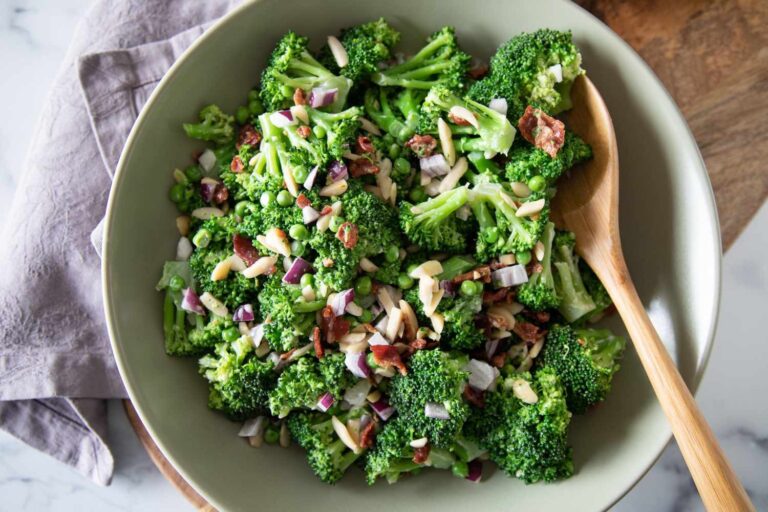
Greek yogurt mayonnaise is a healthier alternative that delivers the creamy texture and flavor you crave without the excess calories and unhealthy fats. This recipe not only satisfies your taste buds but also boosts nutritional value, making it the clear winner for health-conscious eaters. Discover how to whip up this delicious condiment that enhances your favorite dishes while aligning with your wellness goals.
Using Greek yogurt as a base, you can create a creamy, delicious mayonnaise that is lower in calories and packed with protein. This simple recipe not only enhances your dishes but also allows you to enjoy a healthier version of traditional mayonnaise. In this article, you’ll learn how to make Greek yogurt mayonnaise, along with tips for customization and storage.
Ingredients Needed

To make Greek yogurt mayonnaise, you will need the following ingredients:
– 1 cup Greek yogurt: The primary base that provides creaminess and a rich texture.
– 1 tablespoon lemon juice: Adds a zesty flavor and helps to balance the richness of the yogurt.
– 1 teaspoon Dijon mustard: Introduces a subtle tang and depth of flavor.
– Salt and pepper to taste: Essential for seasoning and enhancing the overall taste.
Step-by-Step Instructions

Making Greek yogurt mayonnaise is a straightforward process. Follow these steps to create your own healthier version:
1. Combine all ingredients in a mixing bowl: Start by adding the Greek yogurt, lemon juice, Dijon mustard, salt, and pepper to a medium-sized mixing bowl.
2. Whisk until smooth and creamy: Using a whisk, mix the ingredients together vigorously. Ensure that there are no lumps, and the mixture is thoroughly combined, resulting in a smooth and creamy consistency.
3. Taste and adjust seasoning as needed: After whisking, taste your mayonnaise. Depending on your preference, you may want to add more salt, pepper, or lemon juice to enhance the flavor.
This mayonnaise can be used immediately or stored for later use.
Tips for Customization

One of the appealing aspects of making Greek yogurt mayonnaise is its versatility. Here are some ideas to customize the flavor to suit your palate:
– Add garlic powder or fresh herbs for additional flavor: Incorporating garlic powder, minced garlic, or fresh herbs like dill, basil, or chives can elevate your mayonnaise, making it unique and flavorful.
– Experiment with different types of mustard for unique tastes: While Dijon mustard is classic, trying other varieties like spicy brown, honey mustard, or whole grain can create exciting flavor profiles.
– Consider adding a dash of hot sauce for a spicy kick: If you enjoy a bit of heat, a few drops of your favorite hot sauce can transform your mayonnaise into a zesty condiment perfect for sandwiches or dips.
Storage Recommendations

Proper storage of your Greek yogurt mayonnaise is essential to maintain its freshness and flavor. Here are some recommendations:
– Store in an airtight container in the refrigerator: Choose a clean, airtight container to keep your mayonnaise fresh. Glass or BPA-free plastic containers work well.
– Consume within one week for optimal freshness: Due to the nature of Greek yogurt, it is best to consume your mayonnaise within a week.
– Always check for any odor or changes in texture before use: If you notice any off-odors or changes in texture, it’s best to discard the mayonnaise to avoid foodborne illness.
Serving Suggestions

Greek yogurt mayonnaise is incredibly versatile and can be used in various dishes. Here are some serving ideas to inspire you:
– Use as a spread for sandwiches or wraps: Replace traditional mayonnaise in sandwiches and wraps with Greek yogurt mayonnaise for a creamy, healthier option.
– Perfect as a dip for veggies or chips: This mayonnaise can be served as a dip alongside fresh vegetables, crackers, or chips for a nutritious snack.
– Great in salads or as a dressing base: Incorporate it into potato salad, coleslaw, or as a base for salad dressings by adding extra herbs and spices.
Nutritional Benefits
Choosing Greek yogurt mayonnaise over traditional mayonnaise offers several nutritional benefits:
– Lower in calories compared to traditional mayonnaise: Greek yogurt mayonnaise contains significantly fewer calories, making it an ideal choice for those watching their caloric intake.
– High in protein, which can aid in muscle repair and satiety: The protein content in Greek yogurt helps you feel full longer and supports muscle recovery after physical activity.
– Contains probiotics that support gut health: Greek yogurt is rich in probiotics, which can contribute to a healthy gut microbiome and overall digestive health.
Nutritional Comparison: Greek Yogurt vs. Traditional Mayonnaise
| Nutrient | Greek Yogurt Mayonnaise (per 2 tbsp) | Traditional Mayonnaise (per 2 tbsp) |
|---|---|---|
| Calories | 35 | 90 |
| Protein | 3g | 0g |
| Fat | 2g | 10g |
| Carbohydrates | 2g | 0g |
| Sugar | 1g | 0g |
| Sodium | 50mg | 90mg |
| Cholesterol | 5mg | 10mg |
| Probiotics | Yes | No |
By incorporating Greek yogurt into your mayonnaise, you can enjoy a delicious and nutritious alternative that enhances your meals without compromising on flavor. This simple recipe not only offers a healthier option but also opens the door for creative culinary exploration. Try out this easy recipe today and elevate your culinary creations while benefiting your health!
Frequently Asked Questions
What are the main ingredients needed for a Greek yogurt mayonnaise recipe?
To make a Greek yogurt mayonnaise, you will need plain Greek yogurt, olive oil, lemon juice, Dijon mustard, and salt. These ingredients create a creamy and tangy alternative to traditional mayonnaise that is lower in calories and fat, while still providing a rich flavor.
How can I make Greek yogurt mayonnaise taste more like traditional mayonnaise?
To enhance the flavor of your Greek yogurt mayonnaise and make it taste closer to traditional mayonnaise, consider adding a pinch of garlic powder, onion powder, or smoked paprika. Additionally, adjusting the amount of lemon juice and Dijon mustard can help achieve a more balanced flavor profile, making it a versatile condiment for various dishes.
Why is Greek yogurt a healthier alternative to traditional mayonnaise?
Greek yogurt is a healthier alternative to traditional mayonnaise because it typically contains less fat and fewer calories, while being higher in protein. This makes it a great choice for those looking to reduce calorie intake without sacrificing taste, allowing you to enjoy creamy dressings and dips in a more nutritious way.
What are some best uses for Greek yogurt mayonnaise in recipes?
Greek yogurt mayonnaise can be used in a variety of recipes, such as potato salad, coleslaw, or as a spread for sandwiches and wraps. It also works well as a base for creamy dressings and dips, providing a flavorful and healthier option for entertaining or meal prep.
Which brands of Greek yogurt work best for making mayonnaise?
When selecting a Greek yogurt for mayonnaise, it’s best to choose brands that are thick and creamy, such as Fage, Chobani, or Oikos. Look for plain, unsweetened varieties to ensure that the flavor of your homemade mayonnaise is not compromised, allowing the other ingredients to shine.
References
- Yogurt
https://en.wikipedia.org/wiki/Yogurt - https://www.ncbi.nlm.nih.gov/pmc/articles/PMC5372970/
https://www.ncbi.nlm.nih.gov/pmc/articles/PMC5372970/ - https://www.ncbi.nlm.nih.gov/pmc/articles/PMC7157530/
https://www.ncbi.nlm.nih.gov/pmc/articles/PMC7157530/ - Using Feedback Intervention Theory to Guide Clinical Dashboard Design – PMC
https://www.ncbi.nlm.nih.gov/pmc/articles/PMC6371234/ - https://www.ncbi.nlm.nih.gov/pmc/articles/PMC4663995/
https://www.ncbi.nlm.nih.gov/pmc/articles/PMC4663995/ - Google Scholar Google Scholar
https://scholar.google.com/scholar?q=greek+yogurt+mayonnaise+recipe - Google Scholar Google Scholar
https://scholar.google.com/scholar?q=greek+yogurt+recipes - Google Scholar Google Scholar
https://scholar.google.com/scholar?q=health+benefits+of+greek+yogurt - Chronic bladder infection: Is there a cure? – Mayo Clinic
https://www.mayoclinic.org/healthy-lifestyle/nutrition-and-healthy-eating/expert-answers/yogurt/faq-20057833 - https://www.sciencedirect.com/topics/food-science/greek-yogurt
https://www.sciencedirect.com/topics/food-science/greek-yogurt