Gordon Ramsay’s mayonnaise recipe stands out as the ultimate choice for those seeking a rich, creamy, and flavorful condiment. This step-by-step guide reveals the secrets behind achieving restaurant-quality mayonnaise at home, ensuring your dishes are elevated with every dollop. Whether you’re dressing a salad or spreading on a sandwich, mastering Ramsay’s technique will transform your culinary creations. Get ready to impress with a mayonnaise that outshines store-bought options.
Making Gordon Ramsay’s mayonnaise at home is easier than you might think, and it results in a creamy, flavorful condiment perfect for sandwiches, dressings, and dips. This guide will walk you through the essential ingredients and techniques necessary to whip up this classic mayonnaise like a pro, allowing you to elevate your culinary creations with minimal effort.
Essential Ingredients for Gordon Ramsay’s Mayonnaise
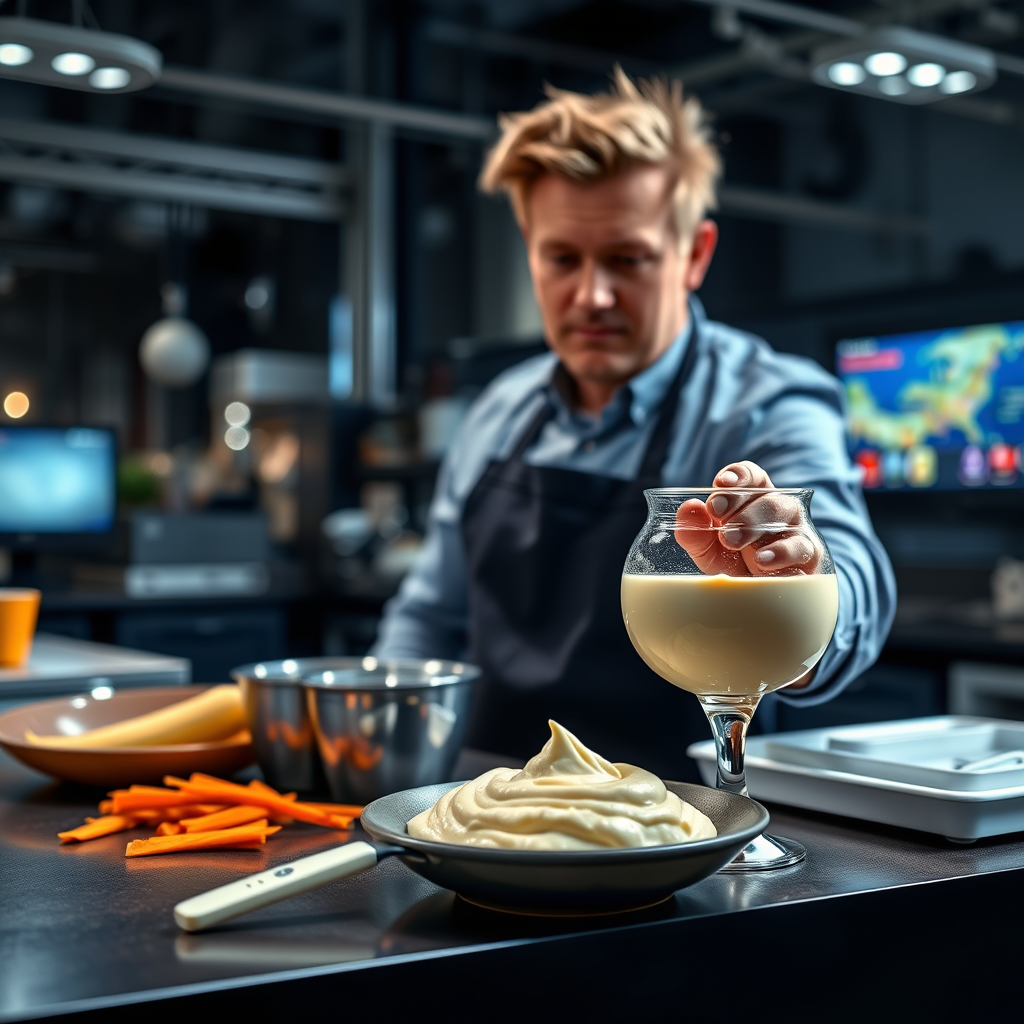
To create the perfect mayonnaise, selecting the right ingredients is crucial. Here are the key components that will ensure a rich and flavorful end product:
– Fresh Egg Yolks: The backbone of any mayonnaise, fresh egg yolks provide a luxurious texture and depth of flavor. They act as an emulsifier, helping to blend the oil and other ingredients seamlessly. Always choose high-quality eggs, preferably organic, for the best results.
– Quality Oil: The type of oil you use can significantly influence the flavor of your mayonnaise. Sunflower oil is a popular choice for its neutral taste, while extra virgin olive oil adds a distinct richness. Avocado oil is another excellent option for those seeking a buttery flavor without the heaviness of traditional oils.
– Mustard: A small amount of mustard, such as Dijon, not only enhances the flavor but also aids in the emulsification process. It adds a subtle tang that complements the creaminess of the mayonnaise.
– Vinegar or Lemon Juice: The acidity from vinegar or lemon juice is essential to balance the richness of the mayonnaise. It brightens the flavor and adds a refreshing note.
– Salt: A pinch of salt is necessary to enhance the overall taste, bringing out the flavors of the other ingredients.
The Right Tools You Need

Creating mayonnaise at home requires specific tools to achieve the perfect emulsion. Here are the essential items you will need:
– Whisk or Hand Blender: While a traditional whisk can work, a hand blender is often more efficient. It creates a smooth, consistent emulsion in less time, ensuring that your mayonnaise is fluffy and creamy.
– Bowl or Container: Choose a stable mixing bowl or container that is easy to handle. A glass or stainless-steel bowl is ideal, as it allows you to see the consistency of the mayonnaise as you blend.
– Measuring Utensils: Accurate measurements are key to achieving the right balance of flavors. Use measuring spoons and cups to ensure you add the correct amounts of each ingredient.
Step-by-Step Instructions
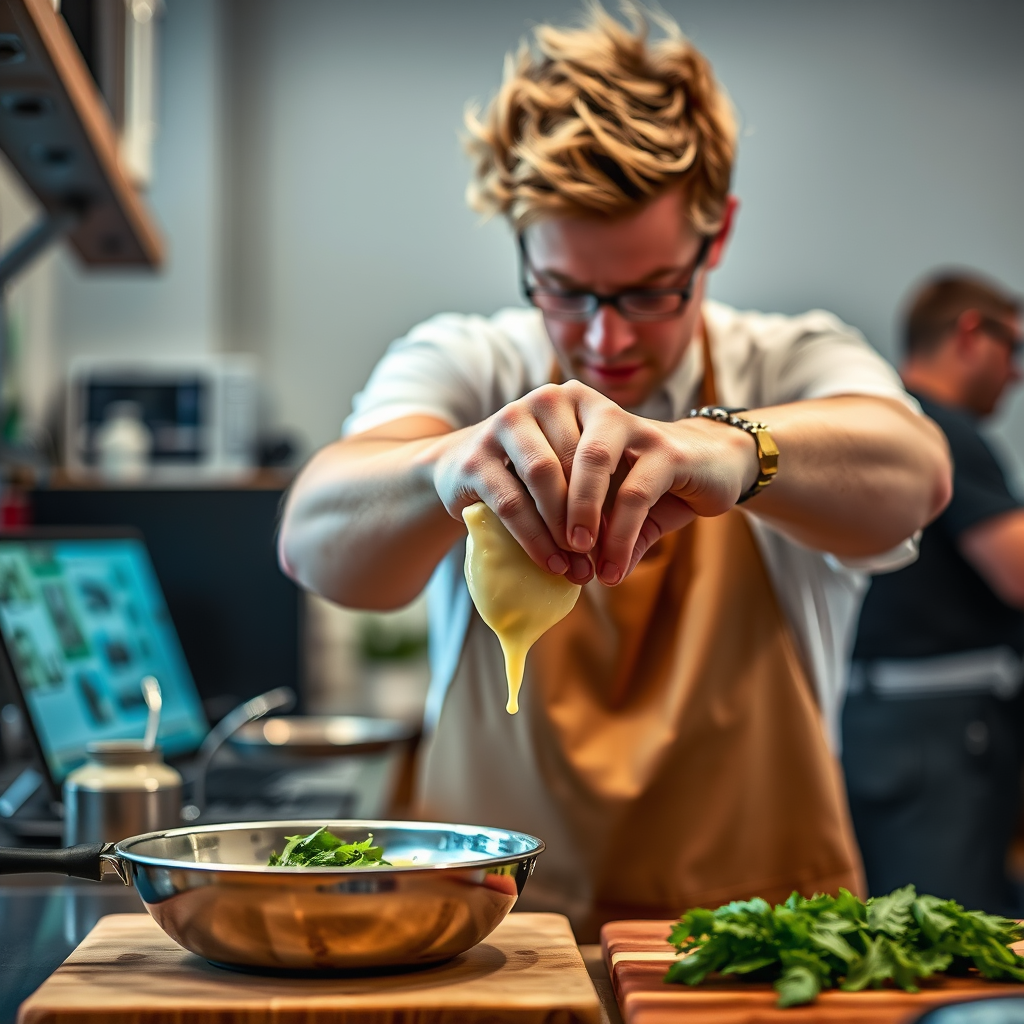
Follow these detailed steps to create Gordon Ramsay’s mayonnaise:
1. Combine Ingredients: Start by placing two fresh egg yolks, one teaspoon of Dijon mustard, and a pinch of salt in your mixing bowl. Use a whisk or hand blender to mix them together until fully combined and slightly thickened.
2. Add Oil Gradually: Begin to add your chosen oil—about 250ml—very slowly while whisking vigorously. This gradual incorporation is vital as it allows the oil to emulsify with the egg yolks, creating a thick and creamy mayonnaise.
3. Check Consistency: As you continue to whisk and add oil, the mixture will start to thicken. If it becomes too thick, you can add a teaspoon of vinegar or lemon juice to loosen it up.
4. Season to Taste: Once you reach the desired thickness, taste your mayonnaise and adjust the seasoning. You can add more salt, vinegar, or lemon juice according to your preference.
5. Store Properly: Transfer your homemade mayonnaise to a clean jar with a tight-fitting lid and refrigerate. It will keep well for up to a week.
Top 7 Types of Oil for Homemade Mayonnaise (2024)
| # | Oil Type | Flavor Profile | Smoke Point (°C) | Best For |
|---|---|---|---|---|
| 1 | Sunflower Oil | Neutral | 227 | Mayonnaise |
| 2 | Olive Oil | Fruity | 190 | Dressings |
| 3 | Avocado Oil | Buttery | 271 | Dips |
| 4 | Grapeseed Oil | Light | 216 | Cooking |
| 5 | Canola Oil | Neutral | 204 | Frying |
| 6 | Peanut Oil | Nutty | 227 | Asian Dishes |
| 7 | Sesame Oil | Toasty | 210 | Dressings |
Tips for Perfect Emulsion
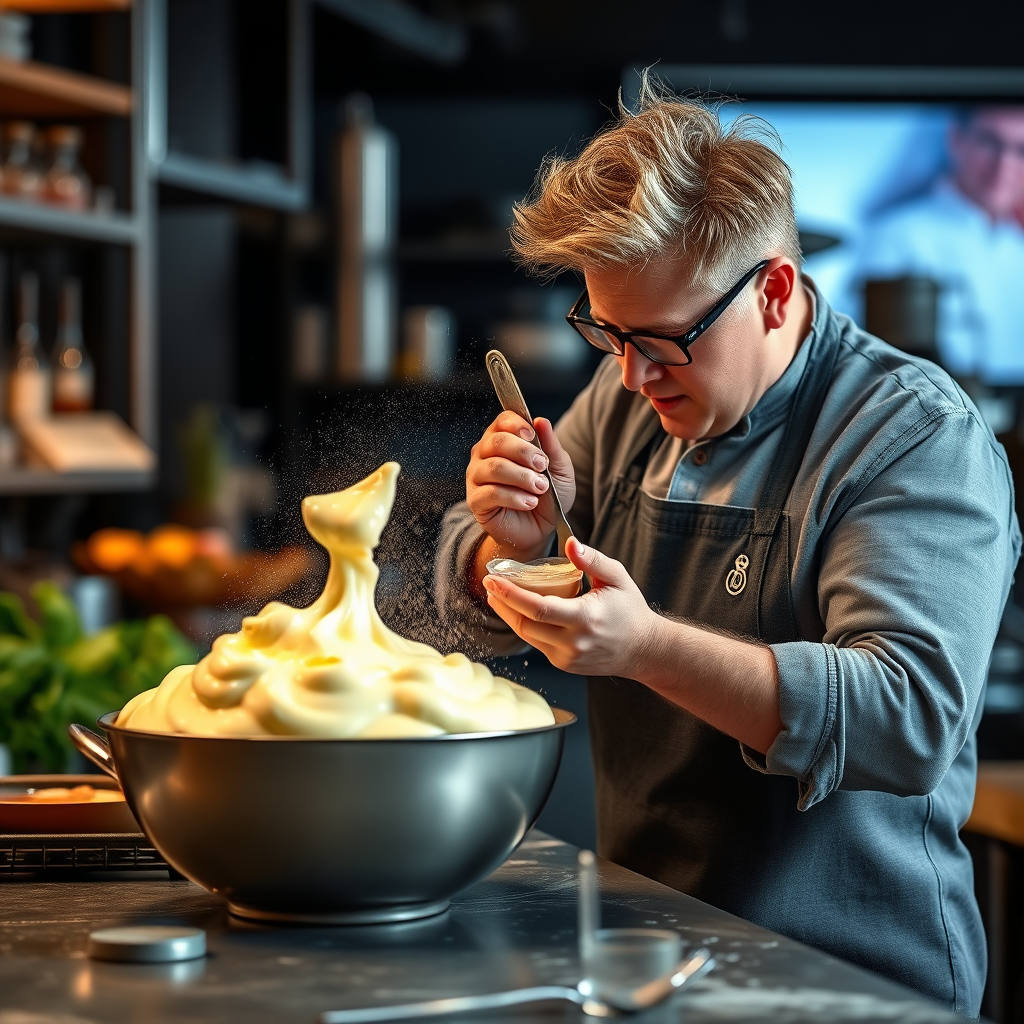
Achieving a perfect emulsion can be tricky, but with these tips, you can ensure your mayonnaise turns out flawlessly every time:
– Room Temperature Ingredients: Make sure all ingredients, especially the egg yolks and oil, are at room temperature. Cold ingredients can cause the mayonnaise to separate.
– Slow Oil Addition: Begin by adding the oil very slowly during the initial stages of mixing. This will allow the oil to emulsify properly with the egg yolks. Once the emulsion begins to form, you can gradually increase the oil flow.
– Continuous Whisking: Maintaining a constant whisking motion is critical. If you stop whisking, the emulsion can break, and you’ll end up with a soupy mixture.
– Correct Ratios: Following the right ratios of egg yolks to oil is essential. Generally, one egg yolk can emulsify about 250ml of oil.
Flavor Variations to Try

Once you’ve mastered the basic mayonnaise recipe, consider experimenting with different flavors to create unique variations:
– Garlic Aioli: Add minced garlic to the mayonnaise for a rich and garlicky aioli. This is perfect for sandwiches, burgers, or as a dip for fries.
– Herb Mayonnaise: Incorporate finely chopped fresh herbs like basil, dill, or cilantro to add freshness and complexity. This variation is excellent for salads or grilled meats.
– Spicy Mayonnaise: A dash of Sriracha or cayenne pepper can add heat to your mayonnaise. This is great for those who enjoy a bit of spice in their dishes.
– Citrus Mayonnaise: Adding lemon or lime zest can provide a refreshing twist, making it a perfect accompaniment for seafood dishes.
Common Mistakes to Avoid
Creating mayonnaise can be simple, but there are common pitfalls to watch out for:
– Adding Oil Too Quickly: One of the most common mistakes is adding the oil too quickly at the beginning. This can lead to a broken mayonnaise, where the oil and egg yolks do not emulsify properly.
– Not Whisking Continuously: If you stop whisking, the emulsion can break. Ensure you maintain a steady motion throughout the process.
– Using Cold Ingredients: Cold ingredients can lead to separation. Always use ingredients that are at room temperature to facilitate proper emulsification.
– Not Adjusting Seasoning: Remember to taste and adjust your seasoning at the end. A little extra salt or acidity can make a significant difference in flavor.
Storing and Using Your Mayonnaise
Once you’ve made your homemade mayonnaise, proper storage is key to maintaining its freshness:
– Refrigeration: Store your mayonnaise in a clean, airtight container in the refrigerator. It should last for about a week.
– Uses: Homemade mayonnaise is incredibly versatile. Use it in salads, sandwiches, or as a base for other sauces like tartar sauce or remoulade. It can also serve as a dip for fresh vegetables or chips.
– Freezing: While it’s not ideal to freeze mayonnaise, if you must, consider freezing it in small portions. Be aware that the texture may change upon thawing, so it’s best used in cooking rather than as a standalone condiment.
Making Gordon Ramsay’s mayonnaise is a straightforward process that elevates your culinary creations. By following these steps and tips, you can enjoy a homemade version that rivals store-bought alternatives. Don’t hesitate to experiment with flavors and make this recipe your own! With a little practice, you’ll be able to whip up a delicious mayonnaise that adds richness and flavor to a variety of dishes.
Frequently Asked Questions
What are the key ingredients in Gordon Ramsay’s mayonnaise recipe?
Gordon Ramsay’s mayonnaise recipe features simple yet high-quality ingredients, including egg yolks, Dijon mustard, lemon juice, and a light oil such as vegetable or canola oil. These elements create a rich and creamy condiment that can elevate various dishes, from sandwiches to salads.
How do you make Gordon Ramsay’s mayonnaise from scratch?
To make Gordon Ramsay’s mayonnaise, start by whisking together egg yolks, Dijon mustard, and lemon juice in a bowl. Gradually drizzle in your chosen oil while continuously whisking to emulsify the mixture until it thickens and becomes creamy. Season with salt and pepper to taste for added flavor.
Why is it important to use fresh ingredients in Gordon Ramsay’s mayonnaise?
Using fresh ingredients in Gordon Ramsay’s mayonnaise is crucial because it directly impacts the flavor and texture of the final product. Fresh egg yolks and quality oils contribute to a vibrant taste and smooth consistency, making your homemade mayonnaise taste far superior to store-bought versions.
What is the best way to store homemade mayonnaise according to Gordon Ramsay?
The best way to store homemade mayonnaise, as suggested by Gordon Ramsay, is to keep it in an airtight container in the refrigerator. It typically lasts for about one week, but always check for freshness before use, as homemade mayonnaise lacks preservatives compared to commercial varieties.
Which tips does Gordon Ramsay offer for troubleshooting homemade mayonnaise?
Gordon Ramsay offers several tips for troubleshooting homemade mayonnaise, including ensuring all ingredients are at room temperature for better emulsification. If the mayonnaise separates, try adding a teaspoon of warm water and whisking vigorously to bring it back together. If it’s too thick, you can add a little more oil or lemon juice to achieve the desired consistency.
References
- Mayonnaise
https://en.wikipedia.org/wiki/Mayonnaise - https://www.bbc.com/food/recipes/mayonnaise_92276
https://www.bbc.com/food/recipes/mayonnaise_92276 - https://www.theguardian.com/lifeandstyle/2015/may/23/gordon-ramsay-mayonnaise-recipe
https://www.theguardian.com/lifeandstyle/2015/may/23/gordon-ramsay-mayonnaise-recipe - https://www.nytimes.com/2020/08/19/dining/gordon-ramsay-mayonnaise.html
https://www.nytimes.com/2020/08/19/dining/gordon-ramsay-mayonnaise.html - https://www.sciencedirect.com/topics/food-science/mayonnaise
https://www.sciencedirect.com/topics/food-science/mayonnaise - Checking your browser – reCAPTCHA
https://www.ncbi.nlm.nih.gov/pmc/articles/PMC7500999/ - https://pubmed.ncbi.nlm.nih.gov/32812122/
https://pubmed.ncbi.nlm.nih.gov/32812122/ - Google Scholar Google Scholar
https://scholar.google.com/scholar?q=gordon+ramsay+mayonnaise+recipe - Google Scholar Google Scholar
https://scholar.google.com/scholar?q=mayonnaise+recipes - Google Scholar Google Scholar
https://scholar.google.com/scholar?q=culinary+techniques+mayonnaise