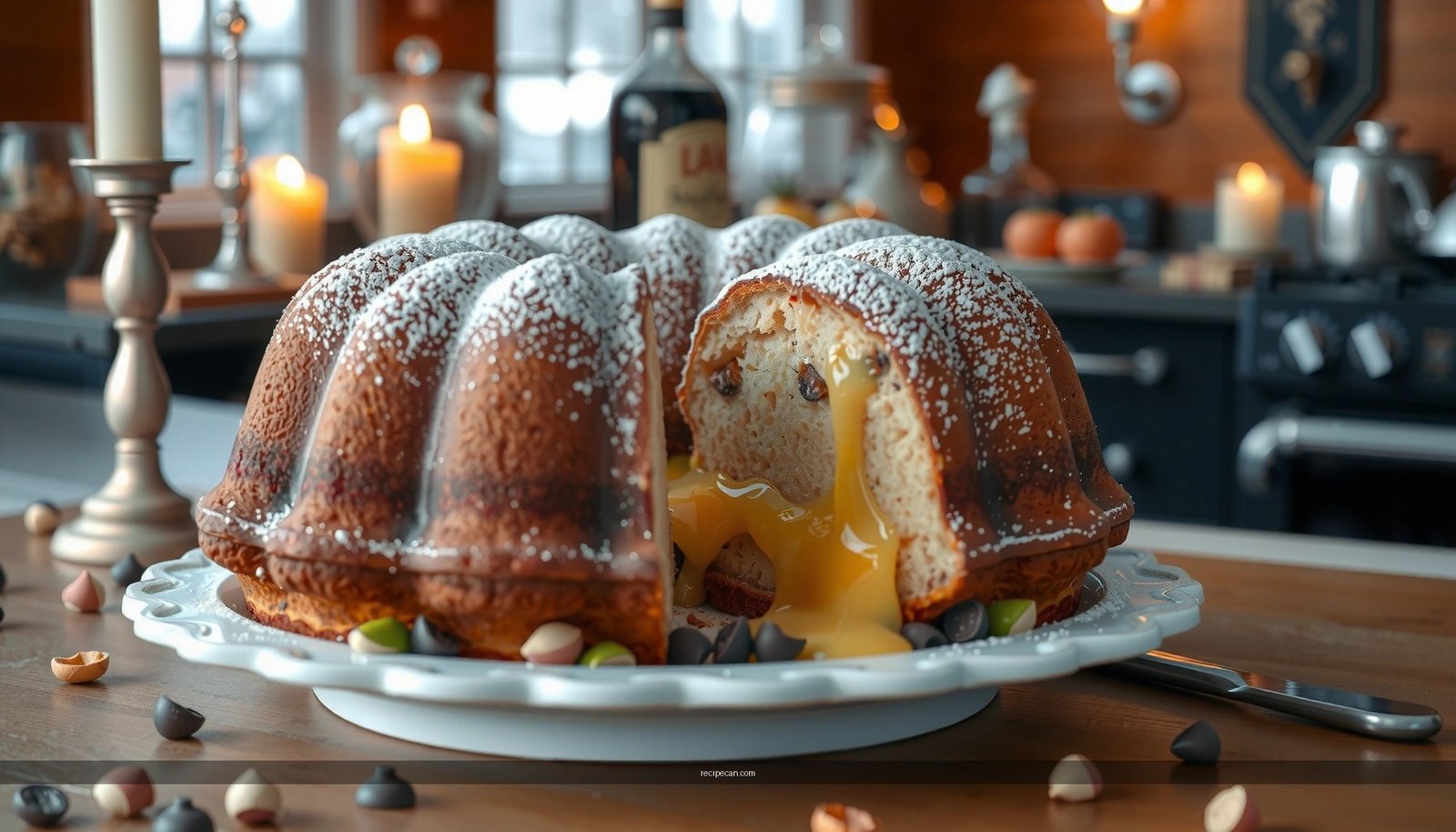
Get the best good cannoli filling recipe for a creamy, sweet, spoonable filling that holds its texture and tastes like a bakery classic. This recipe answers the one question that matters—how to make cannoli filling that isn’t runny—using a simple, no-fail mix of ricotta and sugar with the right draining and flavoring steps. In under an hour, you’ll have a rich filling ready to pipe into shells with confidence.
Make a creamy, pipeable cannoli filling by starting with well-drained whole-milk ricotta, sweetening it gradually with powdered sugar, and flavoring with vanilla plus citrus zest—then fold in chocolate chips for the classic finish. In the sections below, you’ll learn how to prep ricotta properly, hit the right sweetness balance, and consistently achieve a thick texture that holds its shape in the cannoli shells.
Choose the Right Ricotta

The quality and preparation of your ricotta determines almost everything about the final cannoli filling—texture, moisture level, and even how well the flavor “stays put” when piped.
– Use whole-milk ricotta for the creamiest flavor and texture
Whole-milk ricotta has more fat, which translates to a smoother mouthfeel and better emulsification with powdered sugar. If you use part-skim, the filling can taste flatter and may feel slightly looser once chilled.
– Drain ricotta well (or strain overnight) to prevent watery filling
Even premium ricotta can carry excess whey (liquid). That moisture is the most common reason cannoli filling turns runny or weeps when you pipe. For best results, place ricotta in a fine-mesh sieve or on cheesecloth and refrigerate to drain.
Quick benchmark: if your ricotta sits in a puddle for even a short time, plan on additional draining—cannoli filling is unforgiving.
– Break up any lumps before mixing for a smooth result
Lumps don’t just affect texture—they can clog piping tips and create uneven sweetness distribution. Use a spoon to press ricotta through a sieve, or mix/whisk until smooth before adding sugar. This step sets you up for a filling that is both silky and structurally stable.
What “Well-Drained” Ricotta Looks Like (Typical Outcomes)
| # | Ricotta Prep Method | Expected Drain Time (Cold) | Water Separation Risk | Best Use |
|---|---|---|---|---|
| 1 | No draining (straight from tub) | 0–5 min | High | Not recommended for piping |
| 2 | Sieve drain, short | 20–30 min | Moderate | Works for immediate filling |
| 3 | Cheesecloth drain, medium | 1–2 hours | Medium–Low | Reliable for classic texture |
| 4 | Overnight strain (best practice) | 8–12 hours | Low | Best for piping consistency |
| 5 | Blend + drain re-check | 2–3 hours + rest | Medium | Useful when texture is uneven |
| 6 | Thermostable “warm-up” (not recommended) | Room temp 10–15 min | High | Only for immediate mixing |
| 7 | Drain after opening packaging | 30–60 min | Medium–Low | Good balance for same-day batches |
Sweeten and Flavor Properly

Cannoli filling is all about balance: sweet enough to feel dessert-like, but not so sweet that it dulls the ricotta flavor. A controlled approach helps—taste as you go and rely on powdered sugar for a smoother blend.
– Add powdered sugar gradually and taste as you go
Powdered sugar dissolves quickly and improves texture, but adding it all at once makes it harder to dial in sweetness. Start with a portion, mix thoroughly, taste, then adjust in small increments.
– Use vanilla extract plus orange or lemon zest for classic cannoli notes
Vanilla delivers round, bakery-style sweetness, while citrus zest provides the signature “bright” aroma that makes cannoli filling taste authentic. Orange zest is slightly sweeter and more floral; lemon zest reads sharper and more crisp.
– A small pinch of salt helps balance sweetness
Salt doesn’t make it salty—it makes it taste more “complete.” Even a tiny amount helps the dairy and citrus notes stand out, and it prevents the filling from tasting flat.
Practical flavor targets:
If you’re unsure, aim for a filling that tastes slightly under-sweet by itself—once it’s paired with crisp cannoli shells and chocolate or pistachio toppings, it will read perfectly balanced.
Achieve a Thick, Pipeable Texture

The goal is a filling that holds shape when piped—thick enough to resist slumping, but smooth enough to spread without tearing the shell.
– Mix until creamy but don’t overwhip the ricotta
Overmixing can incorporate too much air and create a less stable texture. Stir or mix just until the filling looks uniform and glossy.
– Adjust thickness with small amounts of drained ricotta or extra sugar as needed
If the filling feels loose, the fix is usually drainage or chilling first; if it’s still too soft, add powdered sugar gradually (it absorbs moisture and increases structure). Avoid dumping in sugar too quickly, which can create a dry, gritty feel.
– Chill the filling before piping for best consistency
Refrigeration lets the dairy firm slightly and the sugar fully dissolve. Even a short chill improves pipeability and flavor integration. For best results, mix and chill for at least 1 hour before filling cannoli shells.
How to test thickness quickly:
Scoop a spoonful and let it fall back into the bowl. It should form a soft ribbon and hold a moment before smoothing out—not run like cream.
Add Classic Mix-Ins
Chocolate chips provide classic contrast—sweet bursts in a creamy, citrus-forward base. The key is to fold gently so the filling stays cohesive and light.
– Fold in mini chocolate chips for traditional sweetness in every bite
Mini chips distribute more evenly than large chunks and reduce the risk of uneven “sweet spots.” Fold them in last, after the base is fully mixed and chilled.
– Optional: chopped candied fruit for a classic Sicilian-inspired touch
Candied orange or citrus peel adds texture and a more traditional flavor profile. If you use fruit, chop finely so you can still pipe clean lines.
– Keep mix-ins minimal so the filling stays light and cohesive
Too many add-ins can weigh down the ricotta and make piping harder. Think of mix-ins as accents, not the main structure.
A smart technique:
If your chips or fruit are cold from the fridge, let them sit a few minutes at room temperature so they don’t chill the filling unevenly—consistency matters for piping.
Make-Ahead and Storage Tips
Cannoli filling benefits from time—flavors meld and texture stabilizes—yet it must be handled strategically so it stays thick.
– Refrigerate in an airtight container and use within 1–2 days for best texture
Cannoli filling is best enjoyed fresh, but it keeps well when covered tightly. The more it sits, the more likely it is to slightly loosen as dairy relaxes.
– Stir before filling shells to restore smooth consistency
Even properly chilled filling can form a very light texture gradient at the top. Stir (or briefly whisk by hand) until smooth again.
– Pipe into cannoli shells only right before serving to prevent sogginess
Shells are crisp because they’re dry. Once filled, they begin absorbing moisture. For maximum crunch, pipe to order or pipe in small batches.
Serving workflow (highly reliable):
Chill filling → prep shells → pipe → finish with powdered sugar or toppings → serve immediately.
Troubleshooting Common Issues
Even with the best recipe, real-world conditions (ricotta moisture level, temperature, and mix-in choices) can cause predictable problems. Use the fixes below to recover quickly.
– If filling is runny: drain ricotta longer and re-chill
Don’t try to solve runniness with sugar alone—this can create an overly sweet, slightly sandy filling. Instead, drain longer next time and chill the current batch to firm it up.
– If it’s too sweet: add more ricotta and a bit more citrus zest
Adding ricotta rebalances flavor and texture at the same time. Then brighten with extra zest to keep the cannoli taste lively.
– If it’s grainy: strain ricotta and blend briefly until smooth
Graininess usually means the ricotta wasn’t fully broken up or strained. A brief pass through a sieve or short blend can restore a silky result—just avoid over-processing.
Preventative tip:
If your ricotta seems wet or lumpy straight from the tub, treat it early—drain and sieve before sweetening. That’s when most texture issues are easiest to prevent.
Even better cannoli filling starts with well-drained ricotta and careful sweetening, then finishes with a chilled, pipeable texture and chocolate chips. Make the recipe once, taste and adjust, and you’ll be ready to pipe fresh cannoli shells for your next homemade batch—try it today and enjoy the classic results.
Frequently Asked Questions
What makes a great cannoli filling recipe?
A great cannoli filling recipe should be creamy, pipeable, and not overly wet, with a balanced sweet-tart flavor. Traditional fillings often use ricotta plus sugar, vanilla, and hints of citrus or cinnamon, then finish with chocolate chips or candied fruit. For the best texture, drain ricotta well so the filling holds its shape when piped into the fried shells.
How do I prevent my cannoli filling from becoming watery?
Watery cannoli filling usually comes from ricotta that wasn’t drained enough or was too fresh and moist. Use whole-milk ricotta and strain it through cheesecloth (or a fine mesh sieve) for several hours, then gently fold ingredients rather than overmixing. If needed, you can also blot the ricotta before mixing or let the finished filling chill to thicken slightly.
How can I make cannoli filling thick enough to pipe?
To make cannoli filling thick enough to pipe, use drained ricotta and mix until smooth but not runny—stop as soon as the texture looks consistent. Many bakers chill the filling for at least 1–2 hours so it firms up and becomes more stable. If your mixture is still soft, add a small amount of powdered sugar (or a teaspoon of fine semolina, if you’re comfortable with texture changes) and re-chill.
Which ricotta is best for a classic cannoli filling recipe?
For a classic cannoli filling recipe, choose whole-milk ricotta that’s fresh but not watery, preferably sold in tubs and labeled “ricotta” rather than low-fat varieties. If you’re using supermarket ricotta, draining it is key regardless of brand because moisture level varies. For the most authentic, creamy texture, many people also strain ricotta overnight in the fridge for a smooth, thick base.
Why do some cannoli filling recipes taste gritty, and how can I fix it?
Gritty cannoli filling usually happens when sugar isn’t dissolved or if ricotta contains grains from inadequate straining. To fix it, use fine sugar (or powdered sugar) and mix long enough to fully dissolve before folding in chocolate chips or orange zest. Also, make sure you drain ricotta well so the filling stays silky and has the smooth mouthfeel expected from a good cannoli filling recipe.
References
- Google Scholar Google Scholar
https://scholar.google.com/scholar?q=good+cannoli+filling+recipe+ricotta+chocolate+chips - Google Scholar Google Scholar
https://scholar.google.com/scholar?q=cannoli+ricotta+filling+sugar+chocolate+chip+recipe - Google Scholar Google Scholar
https://scholar.google.com/scholar?q=sicilian+cannoli+filling+technique+ricotta+straining+creaminess - Cannoli
https://en.wikipedia.org/wiki/Cannoli - Ricotta
https://en.wikipedia.org/wiki/Ricotta - https://www.britannica.com/topic/cannoli
https://www.britannica.com/topic/cannoli - Cannoli recipe | Good Food
https://www.bbcgoodfood.com/recipes/cannoli - https://www.theguardian.com/food/recipes
https://www.theguardian.com/food/recipes - https://www.nytimes.com/guides/well/food-and-cooking/cannoli
https://www.nytimes.com/guides/well/food-and-cooking/cannoli - Google Scholar Google Scholar
https://scholar.google.com/scholar?q=good+cannoli+filling+recipe