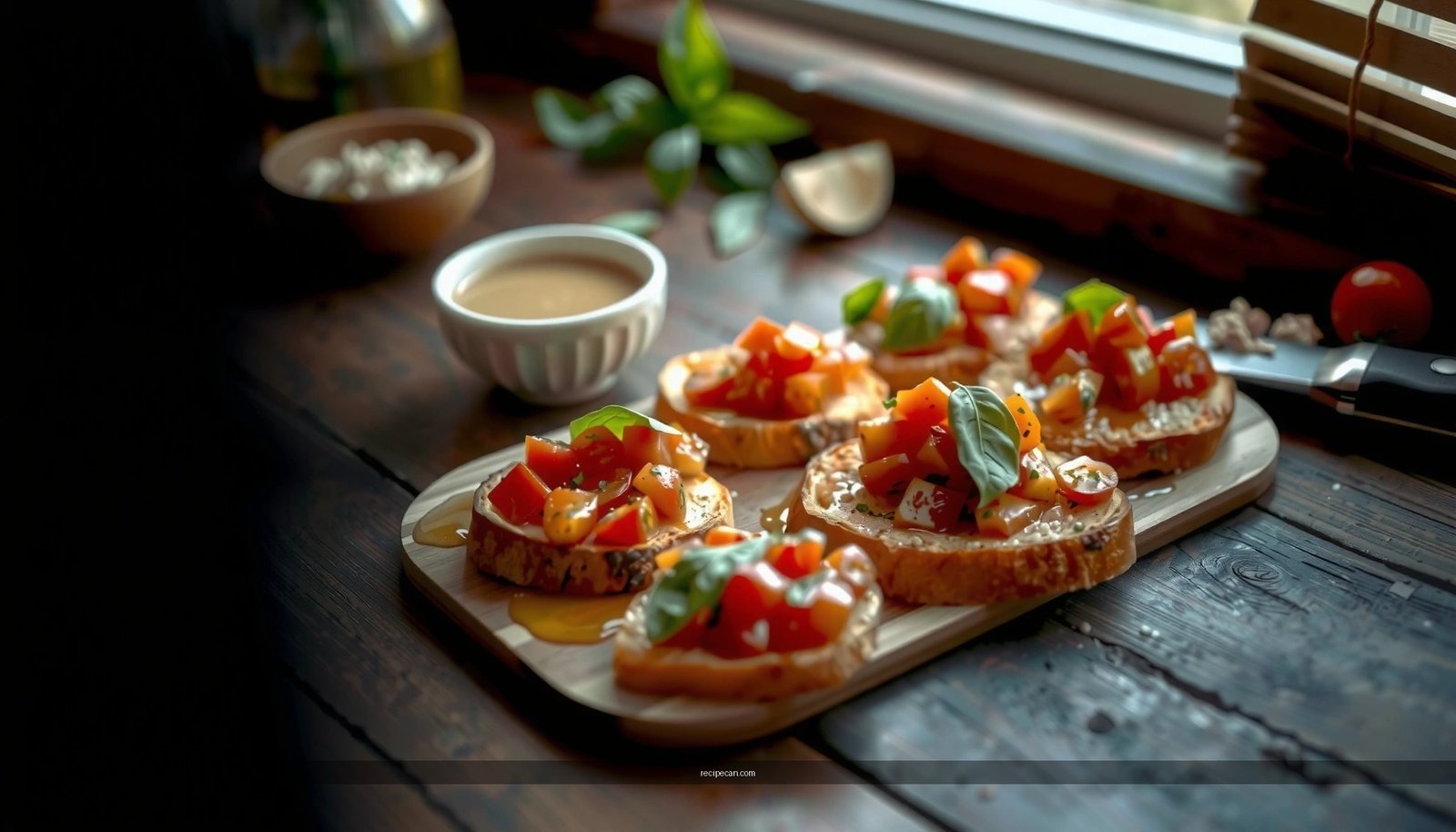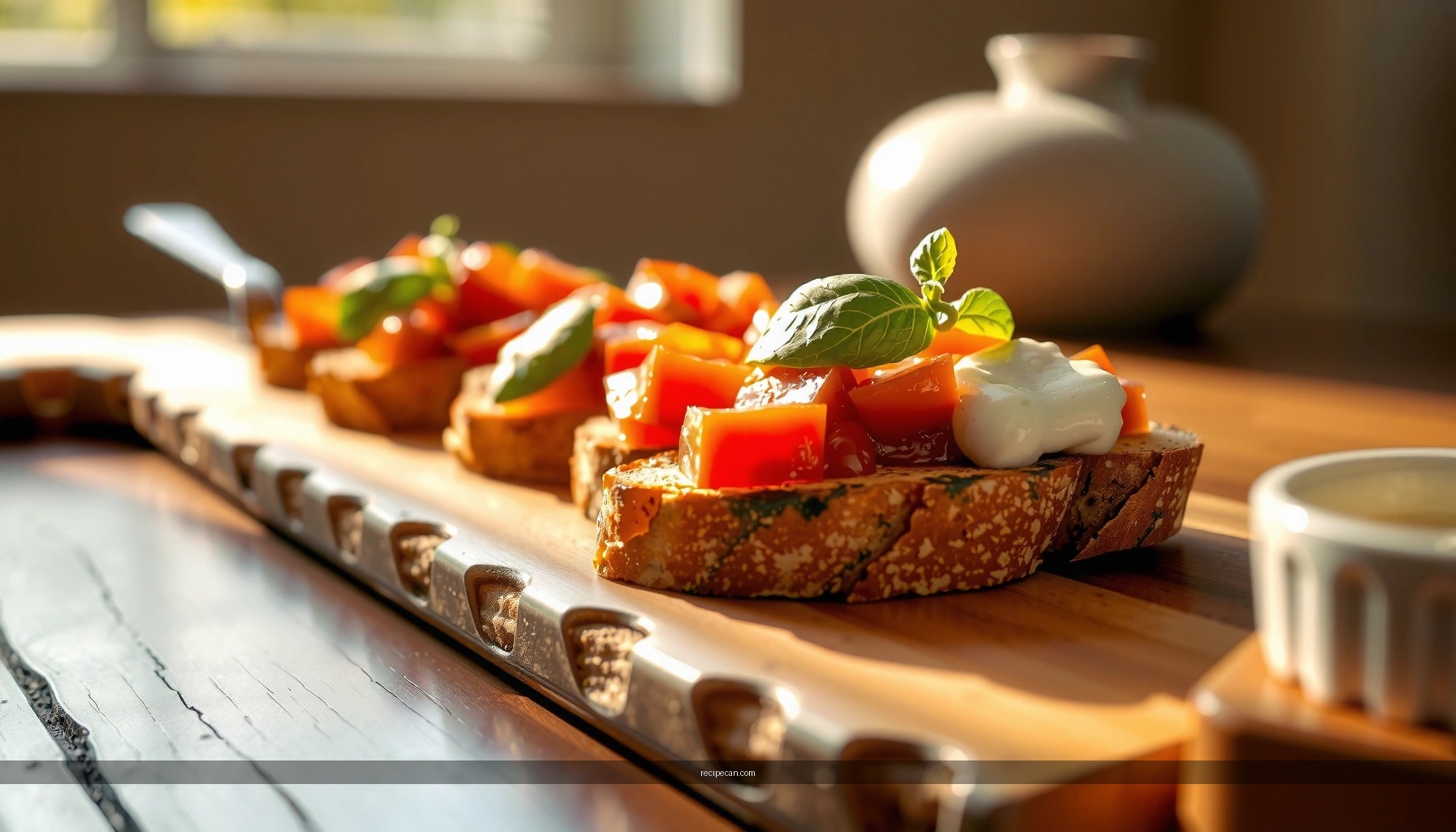
Want the good bruschetta recipe for a classic Tomato Basil topping? This recipe delivers the clear winner: juicy tomatoes, fresh basil, garlic, and just enough olive oil to taste bright without turning soggy. You’ll get a foolproof method for topping toasted bread at peak flavor, plus the precise balance that makes it taste like your favorite Italian bar.
This good bruschetta recipe delivers crisp, toasted bread with a bright, classic tomato basil topping that stays vivid instead of turning soggy. If you follow the core workflow—proper bread choice, a light garlic-olive oil base, and quick assembly right before serving—you’ll get maximum crunch-to-topping ratio every time.
Choose the Best Bread and Toasting Method

A classic bruschetta depends more on the bread than many people expect. The topping can be perfect, but if the base is soft or under-toasted, moisture will win.
– Use sturdy Italian or rustic bread for maximum crunch. Look for ciabatta, rustic Italian loaf, or sourdough with a firm crumb. Thin-sliced sandwich bread is convenient, but it tends to collapse when exposed to tomato juices.
– Toast until golden and crisp to prevent sogginess. Aim for a deep golden surface and a dry interior. In practice, that means either (a) broiling/searing briefly until crisp edges form, or (b) toasting in a hot oven and finishing with a quick char for aroma.
– Rub toasted bread with garlic for classic flavor. Rubbing garlic while the bread is hot helps release volatile garlic aromatics without leaving a raw, pungent bite.
Best technique (reliable at home): slice bread 3/4–1 inch thick, toast/broil until crisp, then rub garlic on the surface immediately after toasting. The “hot surface + garlic oils” combination creates the classic bruschetta aroma without needing to soak the bread.
To make this actionable, here’s a quick comparison of bread types and what they do in a bruschetta context.
Bruschetta Bread Performance (Moisture Tolerance & Crunch)
| # | Bread type | Ideal slice thickness | Crunch hold time* | Best for |
|---|---|---|---|---|
| 1 | Ciabatta (rustic) | 3/4–1 in | 12–18 min | High crunch |
| 2 | Sourdough | 3/4–1 in | 10–16 min | Balanced chew |
| 3 | Italian country loaf | 3/4–1 in | 10–15 min | Classic rustic bite |
| 4 | Baguette | 1/2–3/4 in | 6–10 min | Best for fast service |
| 5 | Whole wheat sandwich bread | 1/2–3/4 in | 4–7 min | Usually too soft |
| 6 | Gluten-free artisan loaf | 3/4–1 in | 9–14 min | Great if crisped hard |
| 7 | English muffin halves | Thick halves | 5–8 min | Not ideal for tomato juices |
\Crunch hold time is an empirical home-serving guide: how long the base stays acceptably crisp under typical topping moisture levels.
Make the Garlic-Oil Base
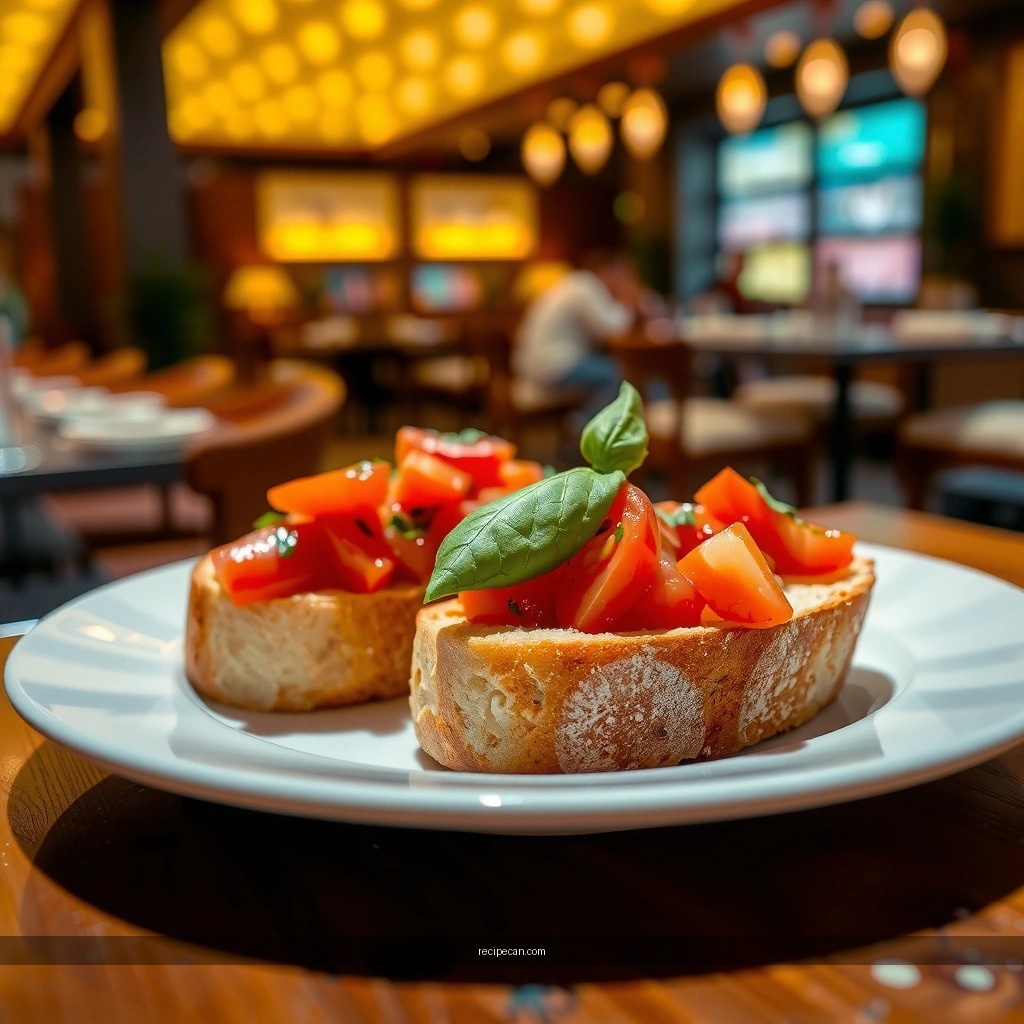
The garlic-olive oil mix is the bridge between bread and topping. Its job is to perfume the bread and provide a flavor “adhesive” without turning the surface wet.
– Combine olive oil with minced garlic (or garlic-infused oil). For classic flavor, use minced garlic, but keep it light and fresh—burnt garlic ruins bruschetta.
– Brush or drizzle evenly for even flavor. Apply thinly across the toasted surface. If you pool oil in spots, tomatoes will soak it and soften the bread unevenly.
– Keep it light so the topping stays fresh and balanced. A tablespoon or two of olive oil can go a long way—especially if your bread is already toasted and dry.
Practical method: Mix 3 tablespoons olive oil with 1–2 teaspoons finely minced garlic (or 1 teaspoon garlic paste), then lightly brush onto the hot toasted bread. If you’re serving a crowd, you can prep the garlic oil in advance and re-stir before brushing.
Timing matters for aroma: If you mix garlic into cold oil and hold too long, it can turn sharper. Many cooks prefer a quick warm infusion—just long enough to mellow the garlic aromatics, not cook them into bitterness.
Build a Fresh Tomato Basil Topping

This is the core of the classic topping: juicy tomatoes, fresh basil, and a gentle acid note to keep flavors “lifted” instead of flat.
– Dice tomatoes and add salt to draw out juices. Properly salting tomato cubes does two things: it improves flavor and releases excess liquid.
– Stir in chopped basil, olive oil, and a splash of vinegar or lemon. Olive oil adds mouthfeel; acid wakes up the tomato sweetness and helps basil stay vibrant. Use a small amount—your goal is brightness, not a vinaigrette that dominates.
– Let the mixture sit briefly so flavors meld (but don’t soak the bread). A short rest—about 10–20 minutes—develops flavor. Longer resting increases liquid release, which increases sogginess risk.
Suggested ratio for a classic tomato basil topping (for ~8–10 crostini):
– 2 to 2½ cups diced ripe tomatoes (Roma or heirloom)
– 1/2 teaspoon kosher salt (then adjust to taste)
– 1/3 to 1/2 cup chopped fresh basil
– 1½ to 2 tablespoons extra-virgin olive oil
– 1 teaspoon red wine vinegar or 1 teaspoon fresh lemon juice
How to keep it from getting watery: after salting and resting, taste the mixture. If it looks pooled, drain or spoon off excess liquid before topping the bread. You don’t need to remove all juices—just the excess that would flood the toast.
Add Flavor Boosters (Optional but Worth It)
Classic bruschetta is simple, but small adjustments can refine it for different tomato varieties and palates.
– Use black pepper and a pinch of sugar if tomatoes are sharp. Some tomatoes come in under-ripe or with natural acidity. A *tiny* pinch of sugar helps round it out without making it taste sweet.
– Add red pepper flakes for heat. A little heat amplifies basil and olive oil flavors. Start with 1/8 teaspoon and scale up.
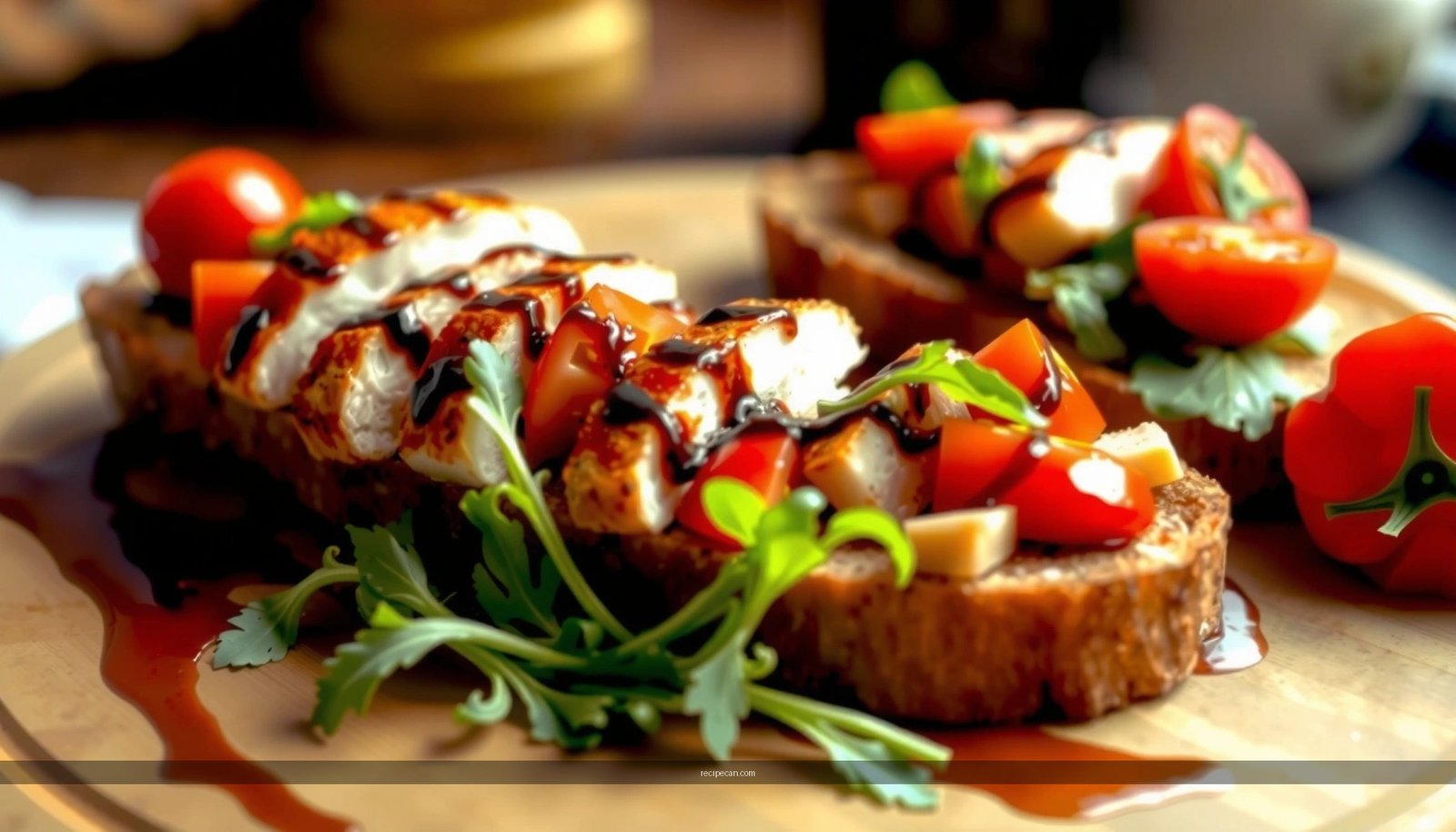
– Finish with balsamic glaze for extra depth. Balsamic is powerful—use it sparingly as a finishing drizzle rather than a base liquid. It adds aromatic sweetness and color contrast.
A business-style “quality control” mindset: tune the topping to the ingredient, not to the recipe. If tomatoes taste sweet and balanced, keep seasoning minimal. If tomatoes are sharp, add acid balance (often with sugar) and make sure salt has had time to integrate.
For example, if you’re using Roma tomatoes (often firmer and less watery) you may need less draining. If you’re using heirlooms (more fragrant but juicier), you’ll want to be stricter about draining excess liquid before assembling.
Assemble Bruschetta Without Sogginess
Sogginess is rarely a mystery—it’s a workflow problem. Solve it by controlling when moisture meets bread.
– Toast bread first, then top right before serving. Bake/toast and garlic-rub in advance, but add tomatoes last. This preserves crispness.
– Drain excess tomato liquid if the mixture looks watery. Even ripe tomatoes can release more juice than expected. Spoon off the excess so the topping sits on the surface rather than bathing the toast.
– Serve immediately for the best crunch-to-topping ratio. If you’re plating for a meeting or event, assign a “topper” timing: one person keeps toppings moving to the serving table as crostini are ready.
Operational workflow for crowds:
1) Toast bread in batches, keep warm but dry.
2) Prepare topping, salt, rest briefly, then drain excess liquid.
3) Assemble right before serving (or within a few minutes).
If you must hold assembled bruschetta longer, use thicker bread slices and apply an even but thin garlic oil layer. Still, understand the tradeoff: moisture will eventually soften crusts.
Serving Suggestions and Storage Tips
A good bruschetta recipe is most enjoyable when served at the right temperature and handled correctly between steps.
– Pair with Italian antipasti, salads, or soups. Bruschetta works especially well with creamy soups (because the acidity cuts richness) and simple salads (because basil and tomatoes echo fresh greens).
– Serve at room temperature for peak flavor. Tomato and basil flavors express best when not refrigerator-cold. Plan to bring the topping to room temperature for 10–15 minutes if it’s been refrigerated.
– Keep topping refrigerated, and assemble fresh when ready to eat. Store tomato basil topping in a covered container in the fridge. The bread should be stored separately, ideally in a dry bag or container to avoid rehydrating the crust.
Storage guidance (practical and realistic):
– Tomato basil topping: refrigerate up to 2 days; stir before use and taste—acid/salt may mellow after a day.
– Assembled bruschetta: best eaten immediately. If you need to re-serve later, refresh toasted bread separately and add fresh topping rather than trying to re-crisp soggy bread.
—
A classic tomato basil bruschetta is fundamentally a moisture-management exercise disguised as a simple appetizer. Choose sturdy bread, toast aggressively, rub with garlic, keep the garlic-olive oil base light, and build a salted tomato-basil topping that rests briefly but is drained if watery—then assemble close to serving. Follow that workflow and you’ll consistently deliver the hallmark of great bruschetta: bright flavor, fresh basil aroma, and crisp crunch instead of sogginess.
Frequently Asked Questions
What are the best ingredients for a good bruschetta recipe?
A classic good bruschetta recipe starts with crusty bread (like ciabatta or baguette), ripe tomatoes, fresh basil, garlic, extra-virgin olive oil, salt, and black pepper. For extra flavor, add a splash of balsamic vinegar or red wine vinegar and consider mozzarella or Parmesan if you want a richer topping. Using high-quality olive oil and fully ripe tomatoes is the difference between bland and truly flavorful bruschetta.
How do you make bruschetta so it doesn’t get soggy?
To prevent sogginess, toast or grill the bread until crisp, then rub with garlic while it’s still warm. Dice tomatoes and drain excess juice in a colander (or pat them dry) before mixing with salt and basil. Assemble right before serving and keep the tomato mixture separate from the toasted bread until the last moment.
How do you mince and prepare garlic for a classic bruschetta?
For the best flavor, rub the cut garlic directly onto the warm toasted bread instead of adding raw garlic to the tomato topping. If you prefer minced garlic in the tomato mixture, use a small amount and let it sit with olive oil briefly to mellow the bite. Avoid burning garlic on the bread—light rubbing is enough to create a fragrant, savory base.
Why should you season the tomato mixture before topping the bread?
Seasoning tomatoes with salt, pepper, and olive oil helps draw out moisture and evenly distribute flavor, making a more balanced bruschetta topping. Adding basil at the end preserves its fresh aroma, and a small amount of vinegar or balsamic can brighten the sweetness of ripe tomatoes. Taste and adjust before assembling so your good bruschetta recipe doesn’t rely on the bread to carry the flavor.
Which bread works best for a good bruschetta recipe?
The best bread for bruschetta is sturdy and crusty—options like ciabatta, sourdough, or a thick-cut baguette hold up well to toppings. Choose slices that are thick enough to toast crisp on the outside while staying chewy inside. If you’re planning ahead, toast the bread close to serving time to keep it firm and flavorful.
References
- Bruschetta
https://en.wikipedia.org/wiki/Bruschetta - https://www.britannica.com/topic/bruschetta
https://www.britannica.com/topic/bruschetta - https://www.theguardian.com/food/2017/jul/05/bruschetta-recipe
https://www.theguardian.com/food/2017/jul/05/bruschetta-recipe - https://cooking.nytimes.com/recipes/1019164-classic-bruschetta
https://cooking.nytimes.com/recipes/1019164-classic-bruschetta - https://www.bbc.co.uk/food/recipes/bruschetta_72590
https://www.bbc.co.uk/food/recipes/bruschetta_72590 - https://pubmed.ncbi.nlm.nih.gov/?term=bruschetta+recipe
https://pubmed.ncbi.nlm.nih.gov/?term=bruschetta+recipe - https://scholar.google.com/scholar?q=good+bruschetta+recipe Google Scholar
https://scholar.google.com/scholar?q=good+bruschetta+recipe - Google Scholar Google Scholar
https://scholar.google.com/scholar?q=italian+bruschetta+recipe+tomato+garlic+basil+olive+oil - Google Scholar Google Scholar
https://scholar.google.com/scholar?q=bruschetta+proper+toasting+technique+recipe - good bruschetta recipe – Search results
https://en.wikipedia.org/wiki/Special:Search?search=good+bruschetta+recipe