Searching for a fresh ginger tea recipe that delivers a warming cup fast? This easy ginger tea recipe walks you through the simplest steps—how to slice, simmer, and balance ginger strength—so you get bold flavor without guesswork. If you want a reliable, soothing mug in minutes, these are the exact instructions to follow.
Make fresh ginger tea by simmering sliced ginger in water for 10–15 minutes, then strain and sweeten to taste—simple, fast, and reliably fragrant. With a few practical tweaks to ginger strength, flavor add-ins, and serving style, you can dial in a cup that’s ideal for daily comfort, digestion support, and cold-weather warmth.
What You Need for Fresh Ginger Tea
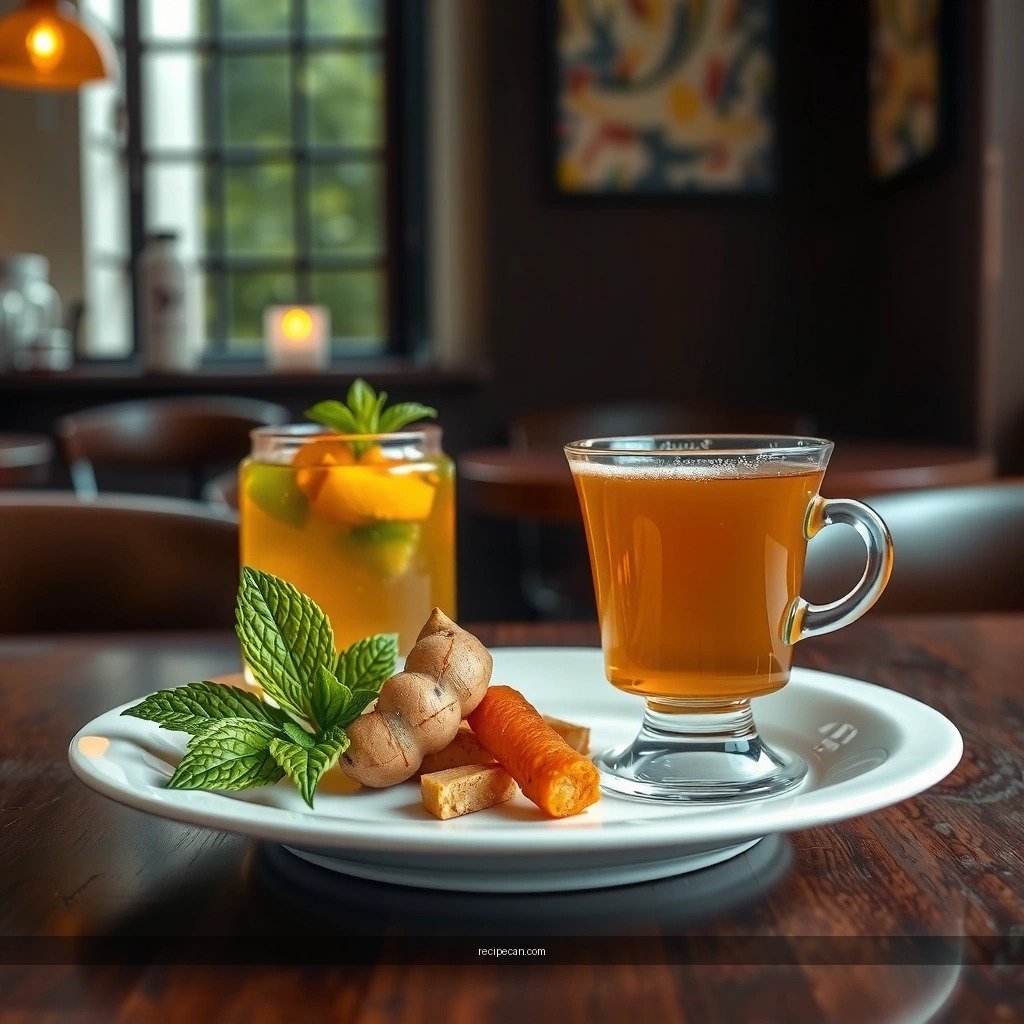
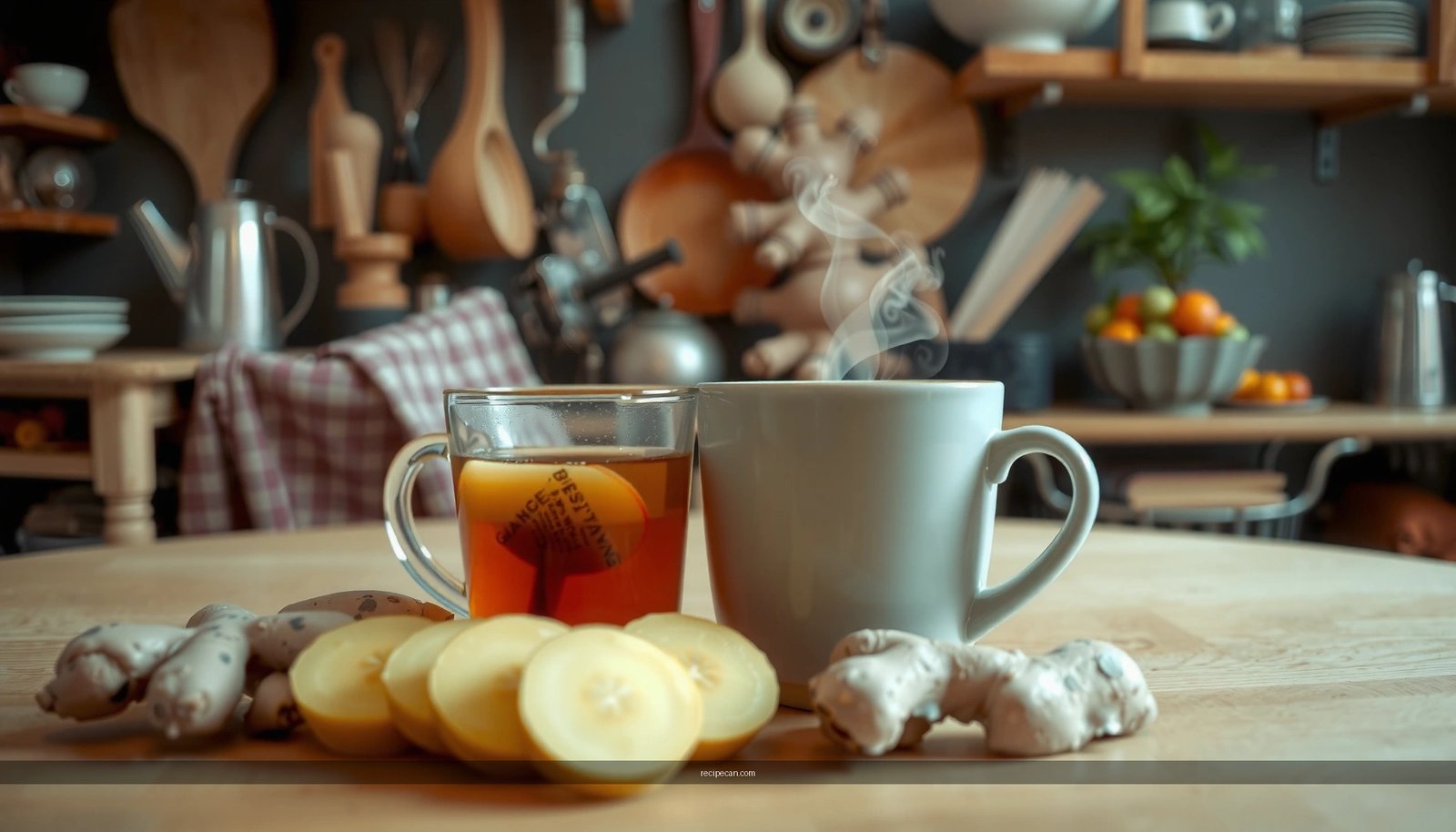
To brew an authentic fresh ginger tea (as opposed to powder or instant concentrates), you only need a small set of ingredients and basic tools. This keeps the process repeatable—especially if you’re making it for a busy morning routine or for guests.
– Fresh ginger, water, and a sweetener (optional)
– Lemon, honey, or cinnamon for flavor variations
– A small pot, knife, and strainer
Ingredient notes that matter in practice:
– Fresh ginger quality: Choose firm ginger with smooth skin and minimal wrinkling. “Dry” ginger tends to be less aromatic and can taste sharper.
– Water type: Filtered water typically produces a cleaner flavor, especially if your tap water has noticeable mineral or chlorine taste.
– Sweetener selection: Honey and maple syrup blend well with ginger’s spicy warmth, while sugar dissolves quickly but can feel harsher if you use too much.
Fresh Ginger Tea: Typical Brew Strength vs. Water Amount (Single Cup)
| # | Target Strength | Ginger (tbsp, sliced) | Water (cups) | Suggested Simmer | Taste Impact |
|---|---|---|---|---|---|
| 1 | Gentle / Daily Sip | 1 tbsp | 1 cup | 8–10 min | ★ ★ ★ ★ ☆ |
| 2 | Classic Comfort | 1.5 tbsp | 1 cup | 10–12 min | ★ ★ ★ ★ ★ |
| 3 | Warming / Spicy Kick | 2 tbsp | 1 cup | 12–15 min | ★ ★ ★ ★ ★ |
| 4 | Mild, Sensitive Palate | 0.75 tbsp | 1 cup | 8–9 min | ★ ★ ★ ☆ ☆ |
| 5 | Stronger Batch (2 mugs) | 2 tbsp | 2 cups | 10–12 min | ★ ★ ★ ★ ☆ |
| 6 | Extra-Strong for Chilly Days | 2.5 tbsp | 1 cup | 14–15 min | ★ ★ ★ ★ ★ |
| 7 | Stop Early for Least Bitterness | 1.5 tbsp | 1 cup | 9–10 min | ★ ★ ★ ☆ ☆ |
How to Make Fresh Ginger Tea (Step-by-Step)
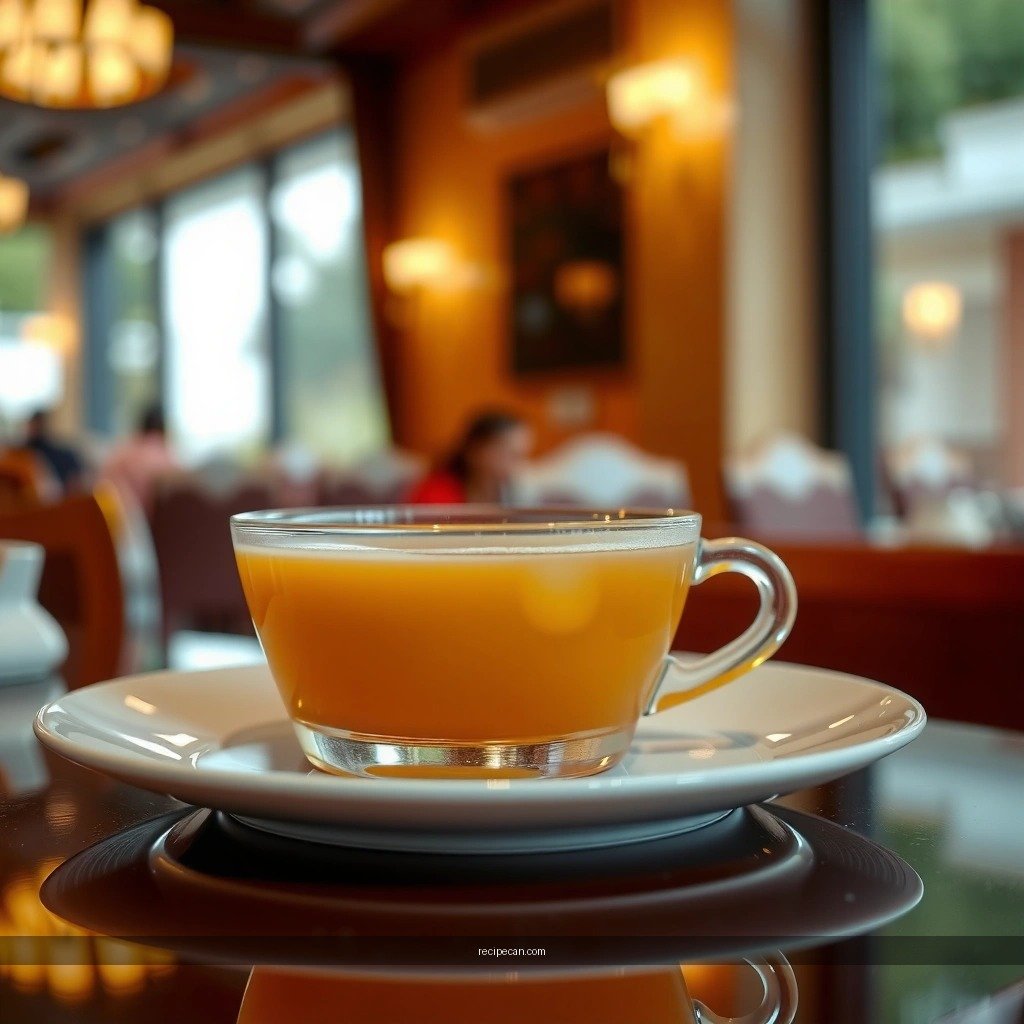
This is the repeatable method—designed for consistency. If you follow the timing closely and strain properly, your tea will be aromatic without becoming harsh.
– Simmer sliced ginger in water for 10–15 minutes
Start with a small pot, add water, bring to a gentle boil, then reduce to a simmer. Keep the heat low enough to avoid overly “cooked” bitterness.
– Strain the tea and adjust strength with extra ginger or water
Use a fine strainer to separate the liquid from the ginger slices. Taste immediately:
– Too mild? Simmer the strained ginger briefly in a small splash of hot water, then combine.
– Too strong? Add a bit more hot water and re-taste before sweetening.
– Sweeten and serve hot (or let cool for iced)
Sweeten once the tea is strained and hot so dissolving is efficient. For iced ginger tea, cool completely, pour over ice, and consider adding lemon just before serving for peak brightness.
Practical workflow tip (especially for a workday):
Brew one “base” cup (slightly stronger), strain, and then dilute per taste while it’s hot. This lets you make multiple servings with uniform flavor—useful for households and small office setups.
Best Ginger-to-Water Ratio
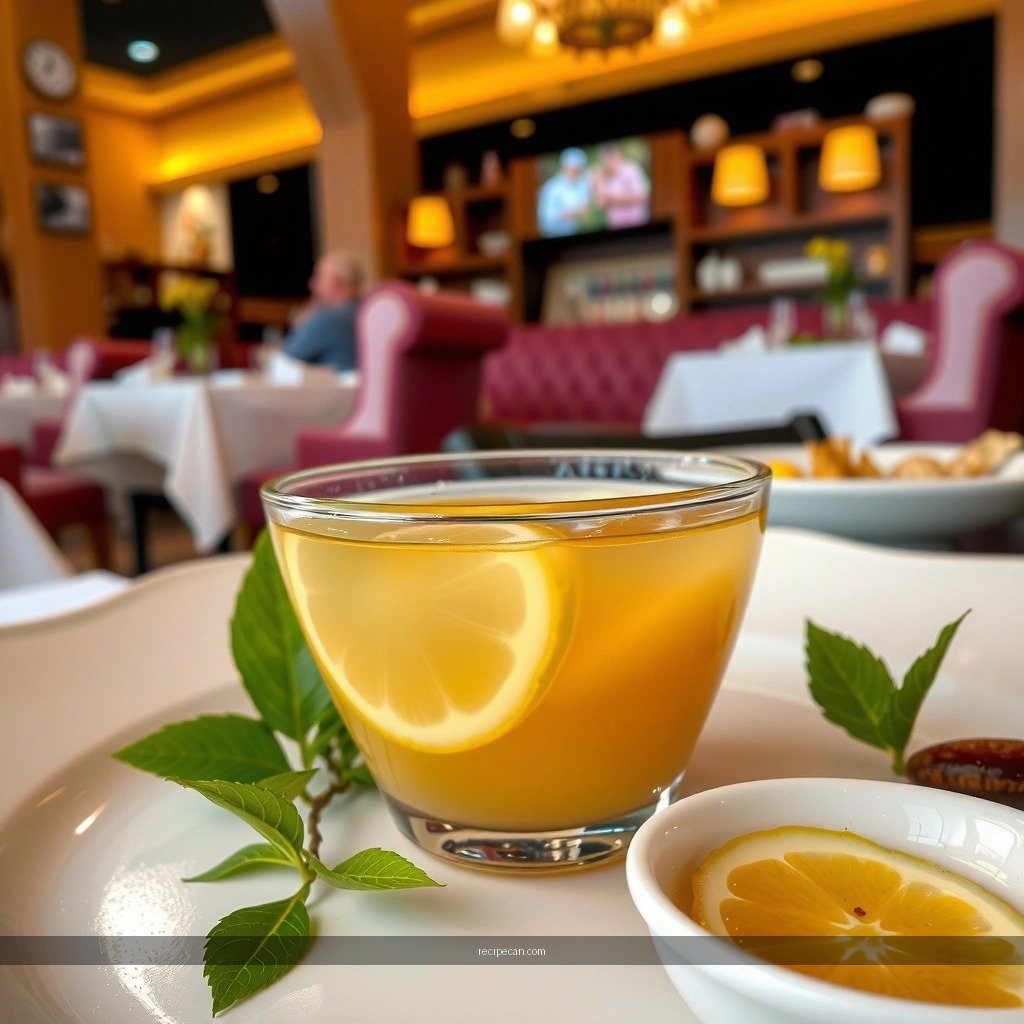
The ginger-to-water ratio is what turns “good tea” into a cup that matches your exact preference. If you’re making ginger tea for personal comfort (or for clients/guests as part of wellness hospitality), consistency matters.
– Use about 1–2 tablespoons sliced ginger per 1 cup water
This range balances aroma and warmth without typically crossing into harshness.
– For stronger tea, increase ginger or reduce simmer time slightly
Many people assume longer simmer always equals better flavor, but ginger can become more “pungent” as it over-extracts. A stronger ginger slice amount with a slightly shorter simmer can taste smoother.
– For milder tea, use less ginger or simmer closer to 8–10 minutes
If you’re sensitive to ginger’s bite, start at the lower end and adjust upward gradually.
How to fine-tune (quick, actionable):
– If your tea tastes sharp: reduce simmer time by 2–3 minutes next batch.
– If your tea tastes watery: keep time consistent and increase ginger slices by ~0.25–0.5 tablespoon.
– If your tea tastes flat: add lemon zest or a squeeze of lemon after straining; it lifts perceived flavor without needing more ginger.
Flavor Boosters and Variations
Fresh ginger tea is versatile. The best variations enhance specific notes—brightness, sweetness, spice, or freshness—without overpowering the ginger.
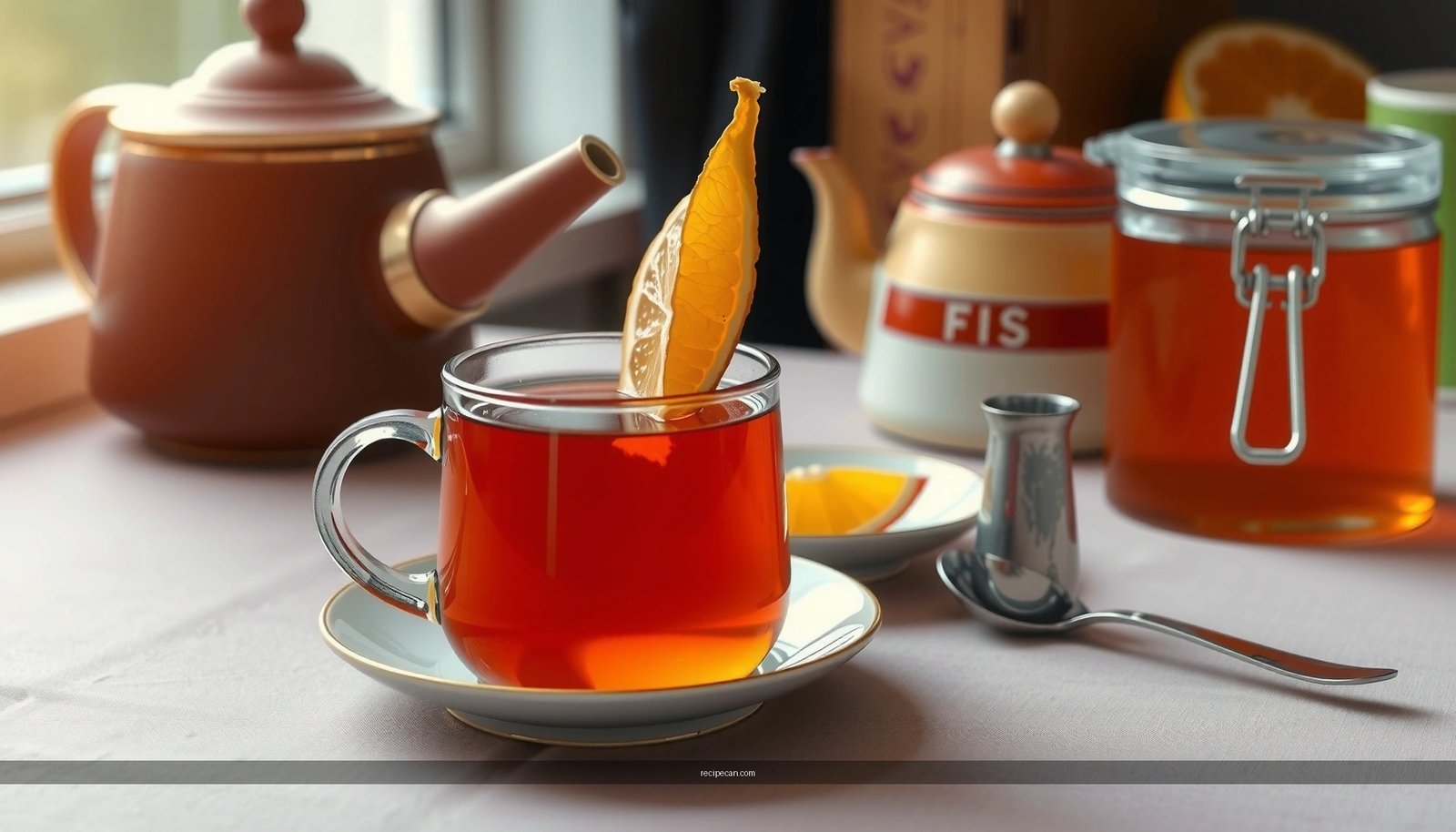
– Add lemon for brightness or honey for a smoother taste
Lemon makes the tea feel lighter and more “clean,” while honey rounds out ginger’s spicy edge and supports a comforting finish.
– Stir in cinnamon or a pinch of cayenne for extra warmth
Cinnamon adds a familiar cozy profile that works well in winter. Cayenne contributes heat depth; start with a tiny pinch so it doesn’t dominate.
– Try fresh mint or orange zest for a refreshing twist
Mint cools the palate and pairs well with ginger for a refreshing, less “heavy” drink. Orange zest adds aromatic oils that can make the cup feel more vibrant and fragrant.
Best practice for adding flavors:
– Add lemon after straining (or near the end) to keep flavor fresh and avoid muddiness.
– Add spices (cinnamon/cayenne) during simmering so they have time to infuse.
Example combinations (easy to repeat):
– Classic comfort: 1.5 tbsp ginger + honey + lemon wedge
– Spiced warmth: 2 tbsp ginger + cinnamon stick + pinch of cayenne
– Fresh reset: ginger + mint + orange zest (zest added after straining)
Health and Comfort Tips
Ginger tea is popular for comfort routines. While it’s not a substitute for medical care, it’s widely used as a supportive beverage—particularly when digestion feels off or temperatures drop.
– Drink warm for soothing digestion and comfort
Warm liquids can feel more gentle than cold beverages, and the steam can enhance the calming ritual that many people associate with digestion support.
– Stay mindful of personal sensitivity to ginger
Ginger can be strong. If you notice heartburn or stomach irritation, reduce ginger quantity, shorten simmer time, or dilute with more water.
– If you’re pregnant or on blood-thinning meds, check with a clinician first
Ginger has bioactive compounds that may interact with certain medications or health conditions. When in doubt, confirm safety with a healthcare professional.
Operational guidance for “gentler” cups:
– Use milder ratios (closer to 1 tbsp per cup).
– Add honey and lemon for flavor without extra ginger heat.
– Avoid combining with other strong stimulants if you’re prone to reflux (e.g., very spicy add-ins on an empty stomach).
Storage and Reheating
Making ginger tea in advance is efficient—especially for meal prep days or when you want reliable availability throughout the week. Storage also helps you keep flavor stable.
– Store in the fridge for up to 3–4 days in a sealed container
Once brewed and strained, refrigeration slows flavor changes and preserves freshness.
– Reheat gently on the stove or in the microwave
Heat until steaming hot but avoid boiling aggressively; this helps maintain aroma and reduces the chance of bitterness.
– Keep ginger tea flavor consistent by straining before storing
If you store tea with ginger slices, the brew can continue extracting over time and become sharper.
Consistency method (for repeated taste):
– Keep a “concentrate” version (slightly stronger) and then dilute each serving with hot water. That way, your weekly cups don’t drift toward over-extraction.
—
The best fresh ginger tea is quick: simmer, strain, and customize with lemon, honey, or spices. Use the ginger-to-water ratio to control strength, and save leftovers for easy reheating while preserving flavor consistency. Brew a small batch today, try one variation, and adjust your ratio until your perfect warming cup becomes your go-to routine.
Frequently Asked Questions
What is the best fresh ginger tea recipe for a quick immune boost?
To make a simple fresh ginger tea, simmer 2–3 inches of peeled, sliced fresh ginger in 2 cups of water for 10–15 minutes. Strain and add honey and fresh lemon juice to taste, then sip hot. For extra comfort, you can also include a pinch of cinnamon or turmeric to complement the ginger’s warming flavor. Drink 1–2 cups daily when you want a soothing, ginger-forward herbal tea.
How do I make fresh ginger tea without it tasting too spicy or bitter?
Start by slicing ginger thinly and simmering it for a shorter time—about 5–8 minutes—then taste and adjust. Using a smaller amount (like 1–2 inches of ginger per 2 cups water) helps prevent an overly strong ginger tea. If it’s still too intense, dilute with more hot water and add honey or a little milk (if you tolerate dairy) to mellow the bite.
Why does fresh ginger tea help with nausea and digestion?
Fresh ginger contains bioactive compounds like gingerols and shogaols that may help support digestion and reduce the sensation of nausea. A warm cup of ginger tea can also relax the stomach and encourage comfortable digestion, especially after a meal. For best results, brew gently (don’t over-boil) and sip slowly rather than drinking it all at once.
Which fresh ginger tea recipe works best for sore throat relief?
For sore throat, brew 2 inches of fresh ginger in 2 cups water for 10 minutes, then strain. Stir in honey after the tea cools slightly (so it doesn’t lose its soothing properties) and add lemon for extra flavor. You can also add a pinch of cayenne or grated turmeric if you like stronger remedies, but keep it mild if you’re sensitive.
What’s the healthiest way to sweeten fresh ginger tea?
The healthiest option is usually honey or minimal added sweetener, because it pairs well with ginger’s natural warmth. Add honey after brewing and cooling slightly to keep the flavor more intact. If you prefer no sugar, try ginger tea with lemon, cinnamon, or a few drops of vanilla for a naturally pleasant taste without added sweetness.
References
- Ginger tea
https://en.wikipedia.org/wiki/Ginger_tea - Ginger
https://en.wikipedia.org/wiki/Ginger - Ginger: Usefulness and Safety | NCCIH
https://www.nccih.nih.gov/health/ginger - https://www.mayoclinic.org/drugs-supplements/ginger/art-20320160
https://www.mayoclinic.org/drugs-supplements/ginger/art-20320160 - Ginger | History, Taxonomy, Description, Cultivation, Flavor, & Facts | Britannica
https://www.britannica.com/plant/ginger - https://pubmed.ncbi.nlm.nih.gov/?term=ginger+tea
https://pubmed.ncbi.nlm.nih.gov/?term=ginger+tea - https://pubmed.ncbi.nlm.nih.gov/?term=gingerol+extraction+tea
https://pubmed.ncbi.nlm.nih.gov/?term=gingerol+extraction+tea - Google Scholar Google Scholar
https://scholar.google.com/scholar?q=fresh+ginger+tea+recipe - Google Scholar Google Scholar
https://scholar.google.com/scholar?q=ginger+tea+ginger+for+nausea+clinical+trial - Google Scholar Google Scholar
https://scholar.google.com/scholar?q=ginger+infusion+preparation+extraction+gingerols+shogaols