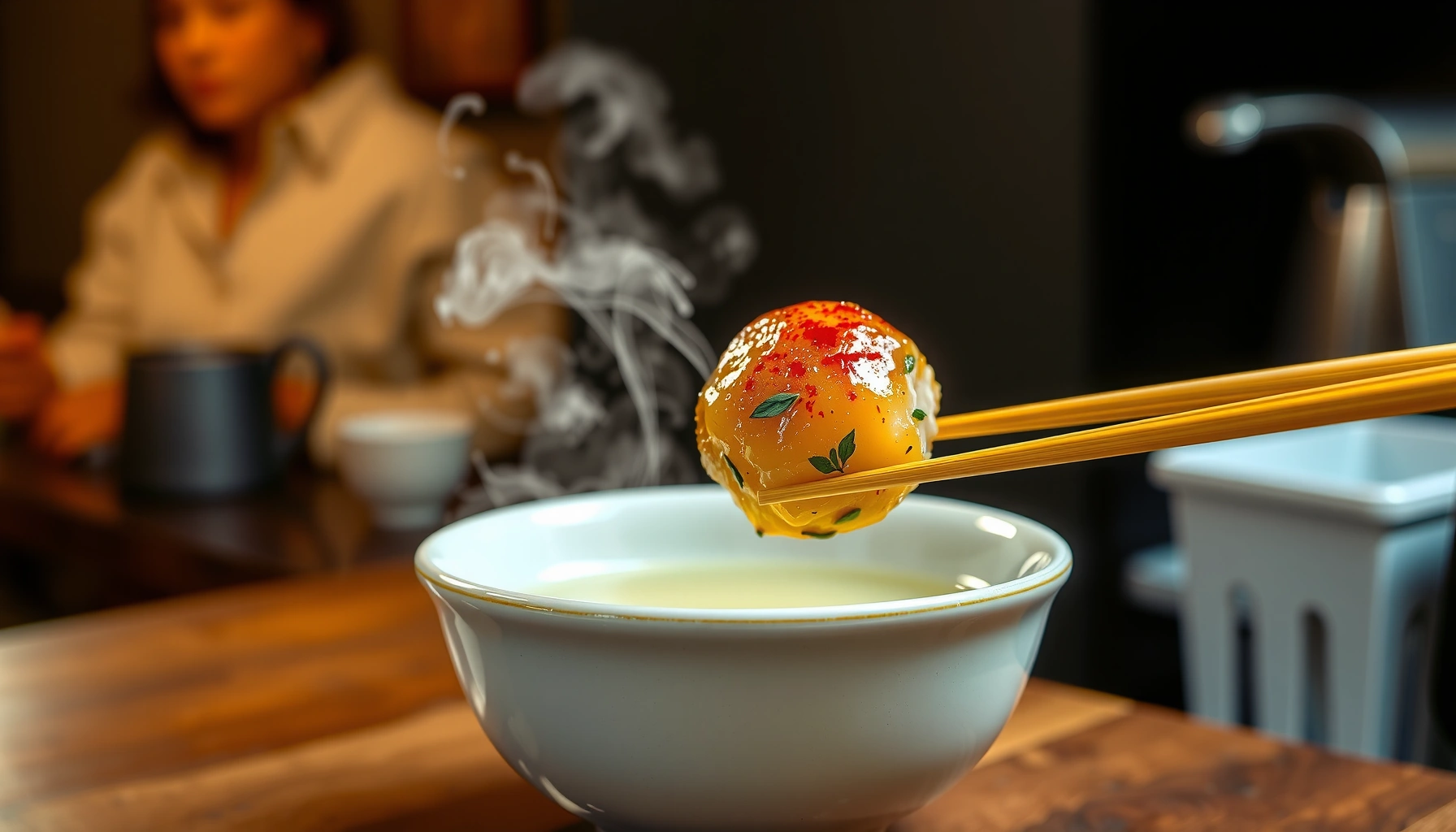
You can make fish balls that are tender, springy, and full of flavor with this fish balls recipe—no guesswork, just reliable steps. This method answers how to grind, season, and shape fish balls so they stay smooth and don’t turn rubbery. If you want restaurant-style results at home, follow these easy instructions and cook them to the perfect texture.
Fish balls are easy to make when you use the right binding technique (starch + thorough mixing), then cook them gently until just done. In this guide, you’ll get a reliable, step-by-step method for tender fish balls—plus practical fixes to stop them from breaking, crumbling, or turning rubbery.
What You Need for Fish Balls
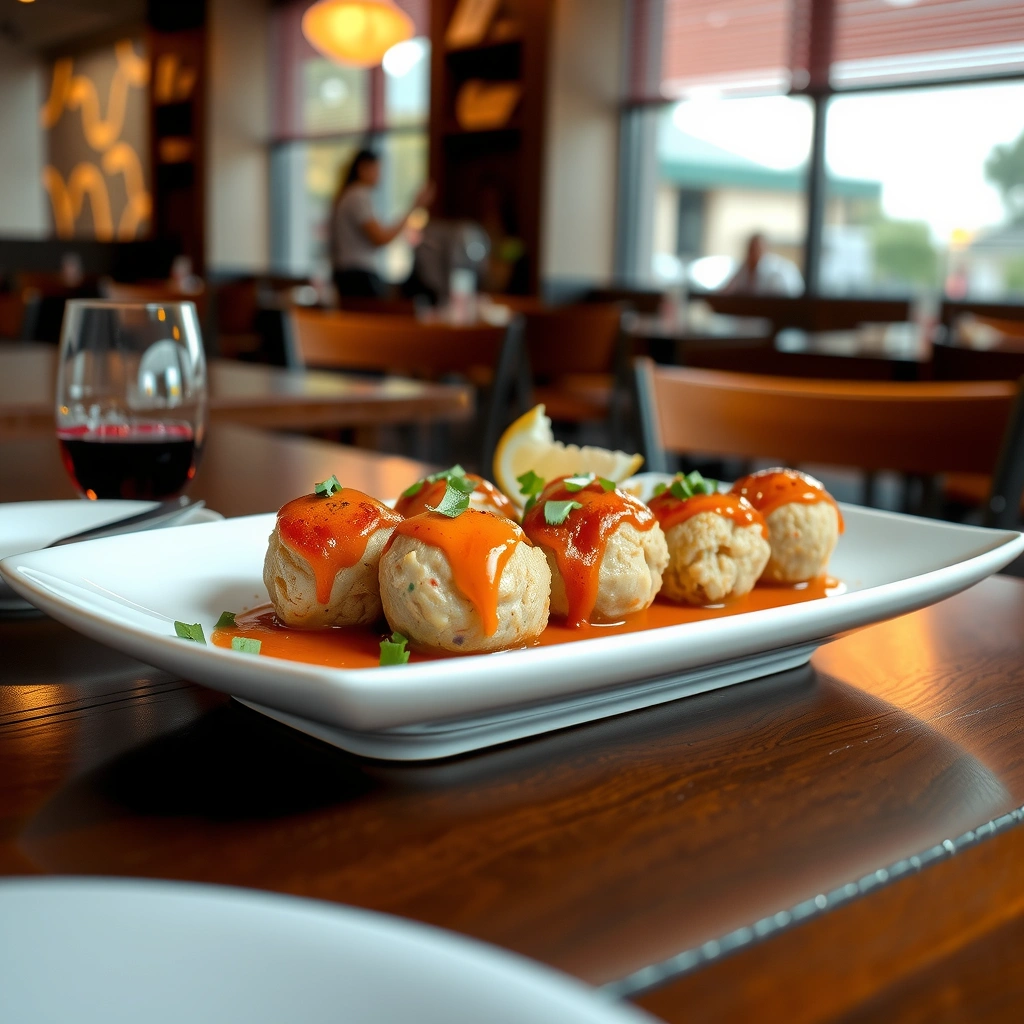
To make tender, flavorful fish balls, start with ingredients that support structure (binding) and moisture retention (juiciness).
– Choose fish (minced) or high-quality fish paste for best texture
– If using fresh fish, choose a firm, mild fish (e.g., pollock, cod, hake, or tilapia) and mince very finely.
– If using store-bought fish paste, look for a product that is already ground smooth; it saves time and improves consistency.
– A key principle: the smoother and more uniform the fish mixture, the fewer cracks and gaps you’ll see when cooking.
– Gather seasonings like salt, sugar, white pepper, and aromatics (optional)
– Salt boosts flavor and helps protein structure hold together.
– A small amount of sugar balances the fishy note and improves overall roundness.
– White pepper is traditional and pairs well with seafood without overpowering.
– Optional aromatics: minced ginger, garlic, scallion—use sparingly so you don’t introduce excess liquid.
– Use starch (such as tapioca or cornstarch) to help binding and bounce
– Tapioca starch often gives a springier bite.
– Cornstarch tends to create a smoother texture and helps prevent breakage.
– The “sweet spot” is enough starch to bind, but not so much that the balls become overly dense.
Recommended Ingredient Ratios for Tender Fish Balls (Per 500 g Fish)
| # | Ingredient | Typical Amount | Function | Impact on Texture |
|---|---|---|---|---|
| 1 | Fish (minced or paste) | 500 g | Main protein base | ★★★★★ |
| 2 | Salt | 6–10 g (about 1.2–2 tsp) | Flavor + protein binding | ★★★★☆ |
| 3 | Sugar (optional) | 2–5 g (about 0.5–1 tsp) | Balances fish flavor | ★★★☆☆ |
| 4 | White pepper | 0.8–1.5 g (about 1–1½ tsp) | Aroma without heat | ★★★☆☆ |
| 5 | Tapioca starch | 25–40 g | Springy chew + bounce | ★★★★★ |
| 6 | Cornstarch (alt.) | 20–35 g | Smooth structure + hold | ★★★★☆ |
| 7 | Chill rest (min.) | 15–30 min | Improves consistency | ★★★★☆ |
Prep the Fish Mixture
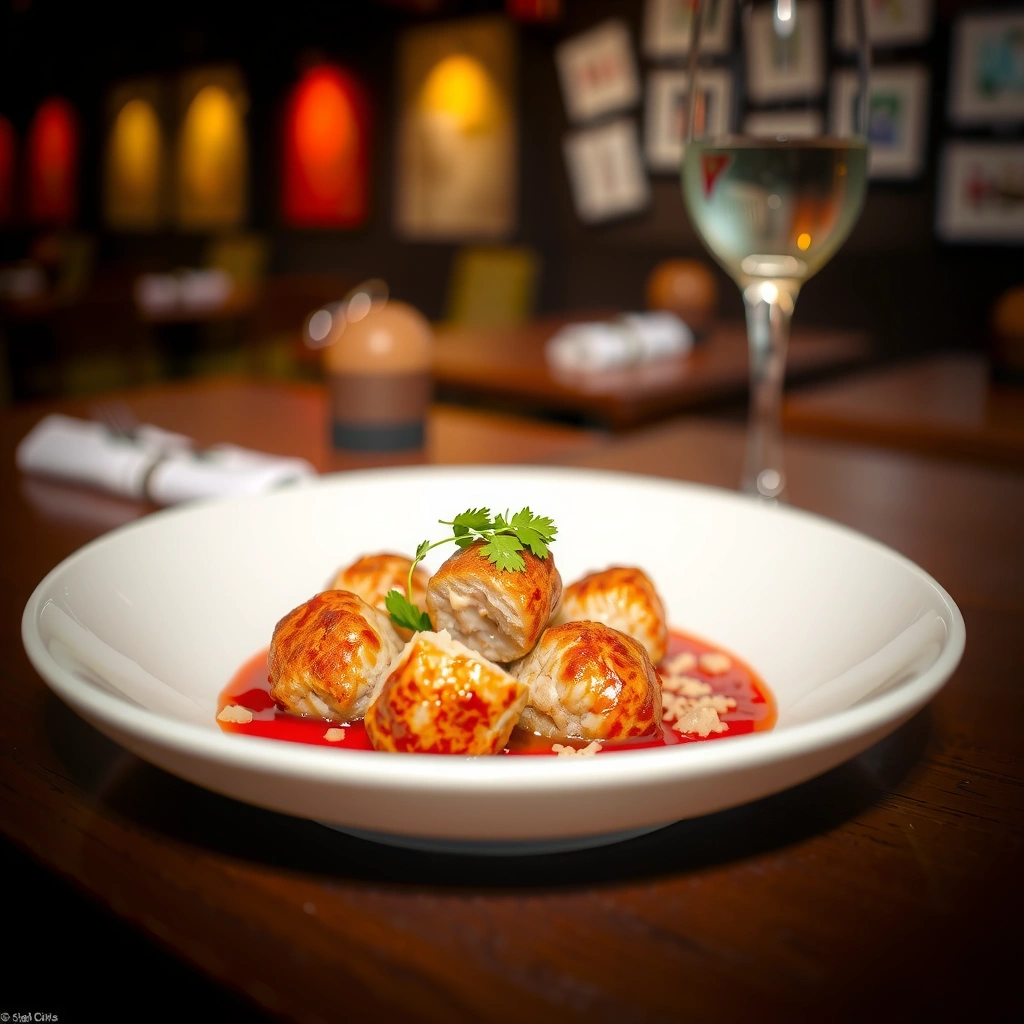
This is where “easy” becomes “excellent.” Tender fish balls rely on protein development and proper hydration from starch.
– Blend or mince until smooth for a springy, uniform texture
– If you’re using fresh fish, mince finely first, then blend in short pulses to avoid turning it watery.
– Overly coarse fish often leads to uneven cooking—some parts tighten before others are fully done.
– Mix thoroughly with seasonings and starch until the mixture turns cohesive
– Mix until the paste feels sticky but cohesive, not grainy.
– For best results, use a consistent direction and spend enough time to develop a slightly elastic texture.
– A practical test: when you lift a portion with a spoon, it should hold together and slowly slump back rather than falling apart.
– Rest the mixture briefly to improve consistency before shaping
– Resting gives starch time to hydrate and the proteins time to set.
– Chill for 15–30 minutes (especially if your kitchen is warm). This helps prevent breakage during shaping and cooking.
Pro tip: If the mixture feels too wet or soft, add a small incremental amount of starch (a teaspoon at a time). If it feels too dry or crumbly, add a tablespoon of cold water and mix again—small adjustments keep the texture stable.
Shape and Cook Fish Balls
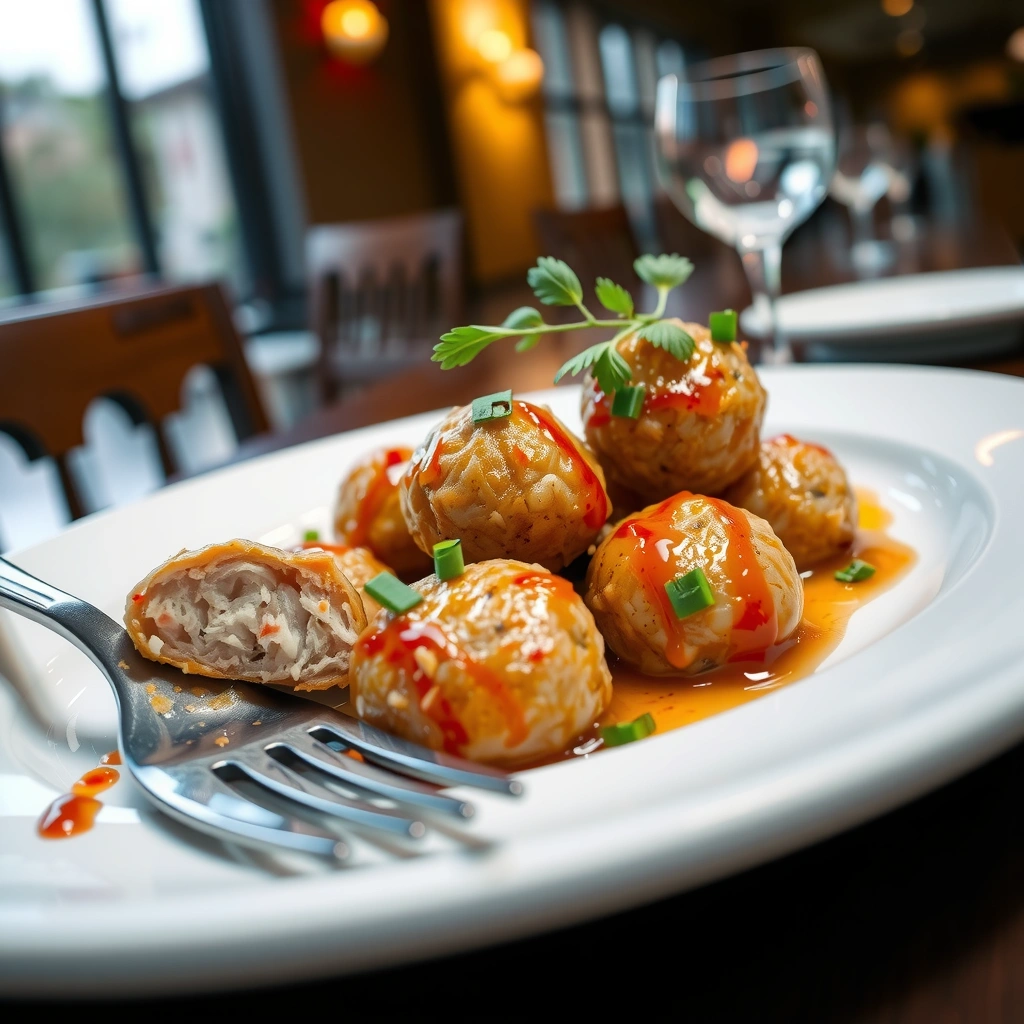
Even shaping and gentle heat are the two biggest levers for avoiding cracks and toughness.
– Form even-size balls for consistent cooking
– Aim for roughly 2–3 cm diameter (about 1 inch).
– Wet your hands lightly (or coat with a thin film of oil) to prevent sticking.
– Consistent size reduces the chance that some balls overcook while others are still raw.
– Simmer gently or steam to avoid toughening the outside
– Boiling/simmering method: Bring water to a gentle simmer first; aggressive boiling can cause ruptures.
– Steaming method: Place balls with spacing so steam circulates evenly; steaming helps maintain a moist interior.
– Cook until they float (for boiling) or firm up fully (for steaming)
– Boiling: When fish balls are fully cooked, they typically float and feel firm but springy when pressed.
– Steaming: They should look slightly matte on the surface and feel bouncy; avoid over-steaming, which can dry the interior.
Timing guidance (use as a starting point):
– Small-to-medium balls: 6–10 minutes simmering or 12–16 minutes steaming, depending on size and thickness.
– If you’re unsure, cut one open—tender fish balls should be opaque throughout, with a smooth interior and no translucent center.
Flavor Variations and Add-Ins
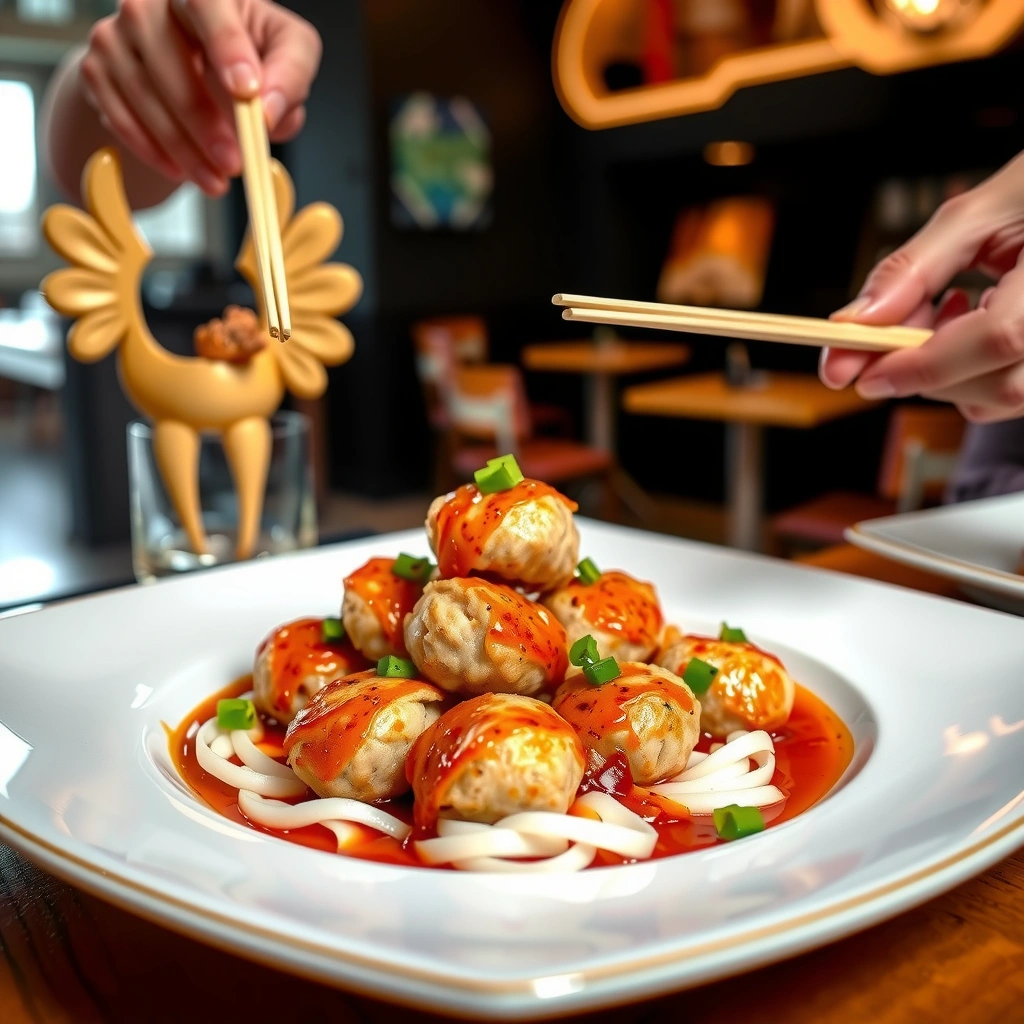
Once you master the base fish ball texture, variations are straightforward. Keep add-ins controlled to avoid loosening the mixture.
– Add chopped shrimp, minced scallion, or garlic for extra aroma
– Shrimp (chopped or finely minced): Adds sweetness and a firmer bite. Keep pieces small for even texture.
– Scallion: Add after mixing or blend in tiny amounts so moisture doesn’t overwhelm the binding.
– Garlic/ginger: Use a light hand; strong aromatics can dominate the fish flavor.
– Try a spicy twist with chili paste or white pepper
– For chili paste, use small amounts and choose paste that isn’t extremely watery.
– You can also increase white pepper slightly for warmth without adding moisture.
– Serve with different broths/sauces to change the flavor profile
– Mild broth showcases natural seafood flavor.
– Stronger sauces (garlic-chili, sesame, or soy-based gravies) turn fish balls into a more robust “main dish.”
Flavor strategy: If you add wet ingredients, compensate by slightly adjusting the starch (or mixing time) so the mixture stays cohesive.
Serving Ideas and Best Pairings
Fish balls are versatile—think of them as a tender protein that “takes” broth and sauce flavors efficiently.
– Serve in soup with noodles, bok choy, and a savory broth
– A classic bowl pairs fish balls with hand-pulled or wheat noodles, bok choy, and a broth seasoned with garlic, ginger, and soy.
– Add leafy greens near the end so they stay bright and crisp.
– Pair with dipping sauce like soy-vinegar, chili oil, or sesame sauce
– Soy-vinegar: Sharp and clean; great for highlighting tender fish texture.
– Chili oil: Adds heat and aroma; best when broth is mild.
– Sesame sauce: Creamy and savory; pairs especially well with garlic and scallion-based seasonings.
– Garnish with green onions and fried shallots for extra richness
– Fried shallots bring crunch and sweetness that complements springy fish balls.
– Finish with fresh green onion for contrast—visual and flavor clarity.
Serving suggestion for consistency: If you’re making a large batch, portion fish balls into the broth you’re serving with minimal “simmer time overlap” so they don’t sit too long and become softer than desired.
Troubleshooting Common Issues
Even experienced cooks run into predictable problems. Here’s how to diagnose and fix them quickly.
– If fish balls fall apart, increase starch or mix longer
– Most often, the mixture didn’t develop enough cohesion.
– Fix: add a small amount of starch (1–2 tsp at a time) and mix thoroughly. For next batch, increase mixing time and rest longer.
– If they’re tough, reduce heat and avoid overcooking
– Toughness typically comes from aggressive boiling or extended cooking.
– Fix: keep the water at a gentle simmer and stop cooking as soon as the balls are just done. For steaming, reduce the steaming time slightly and test again.
– If they’re bland, adjust salt and pepper gradually to taste
– Fish balls can be deceptively mild until paired with broth or sauce.
– Fix: salt the mixture properly first; then fine-tune with white pepper. As a practical approach, cook one test ball and taste it before scaling up.
Quick diagnostic checklist:
– Cracking during cooking → too much heat / mixture too dry / not enough rest.
– Rubbery texture → overcooking or too much starch without sufficient hydration.
– Grainy bite → fish not blended finely enough or insufficient mixing.
Fish balls are best made with a well-mixed, properly rested fish mixture, shaped evenly, and cooked gently until just done. Follow the steps above, choose your favorite seasoning variation, and serve them in your go-to soup or dipping sauce—then make a batch and save leftovers for an easy next meal.
References
- Fish ball
https://en.wikipedia.org/wiki/Fish_ball - Surimi
https://en.wikipedia.org/wiki/Surimi - Google Scholar Google Scholar
https://scholar.google.com/scholar?q=fish+ball+recipe+surimi+gel - Google Scholar Google Scholar
https://scholar.google.com/scholar?q=fisheries+science+fish+balls+surimi+formulation+process - Google Scholar Google Scholar
https://scholar.google.com/scholar?q=fish+ball+heat-induced+gelation+technique - https://pubmed.ncbi.nlm.nih.gov/?term=fish+ball+surimi
https://pubmed.ncbi.nlm.nih.gov/?term=fish+ball+surimi - https://pubmed.ncbi.nlm.nih.gov/?term=fish+paste+ball+surimi+setting+temperature
https://pubmed.ncbi.nlm.nih.gov/?term=fish+paste+ball+surimi+setting+temperature - https://pubmed.ncbi.nlm.nih.gov/?term=fish+ball+processing+salted+surimi+gelation
https://pubmed.ncbi.nlm.nih.gov/?term=fish+ball+processing+salted+surimi+gelation - https://www.sciencedirect.com/search?qs=fish+ball+surimi+gelation+heat
https://www.sciencedirect.com/search?qs=fish+ball+surimi+gelation+heat - https://www.sciencedirect.com/search?qs=surimi+fish+ball+production+procedure
https://www.sciencedirect.com/search?qs=surimi+fish+ball+production+procedure