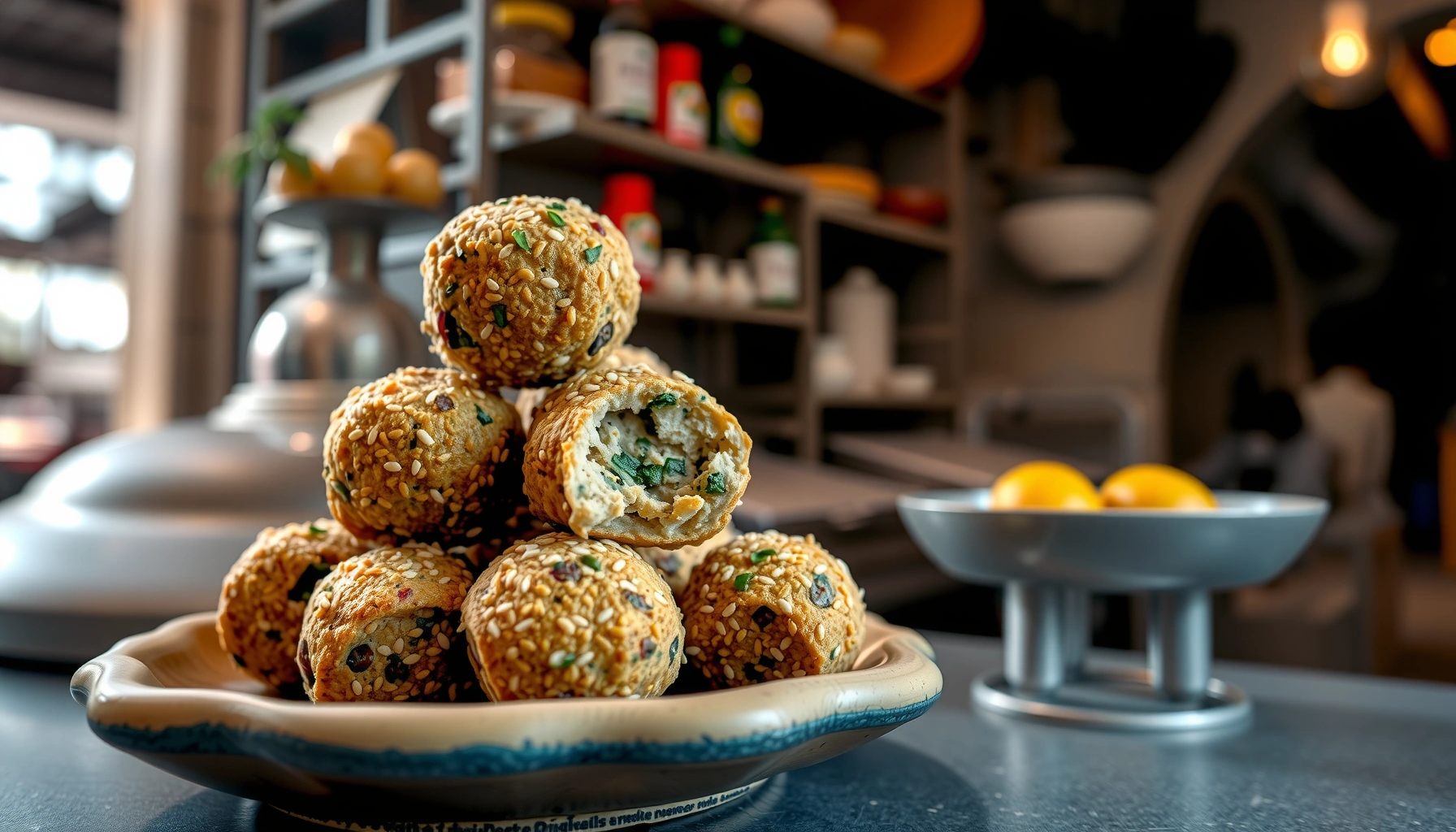
This falafel balls recipe delivers the crispiest, most flavorful homemade falafel by using the right mix of soaked chickpeas, bold spices, and a precise frying technique. You’ll get a clear, step-by-step method that tells you exactly how to shape, fry, and season falafel balls for maximum crunch without a dry center. If you want falafel that tastes restaurant-good, this is the fastest path there.
Make authentic falafel balls by soaking dried chickpeas, blending them into a coarse—never smooth—paste, and cooking until deeply golden (frying for maximum crunch, baking for a lighter finish). With the right texture, seasoning balance, and heat management, you can consistently achieve crisp falafel outside and tender, flavorful interiors that hold together like classic Middle Eastern falafel.
Ingredients for Falafel Balls
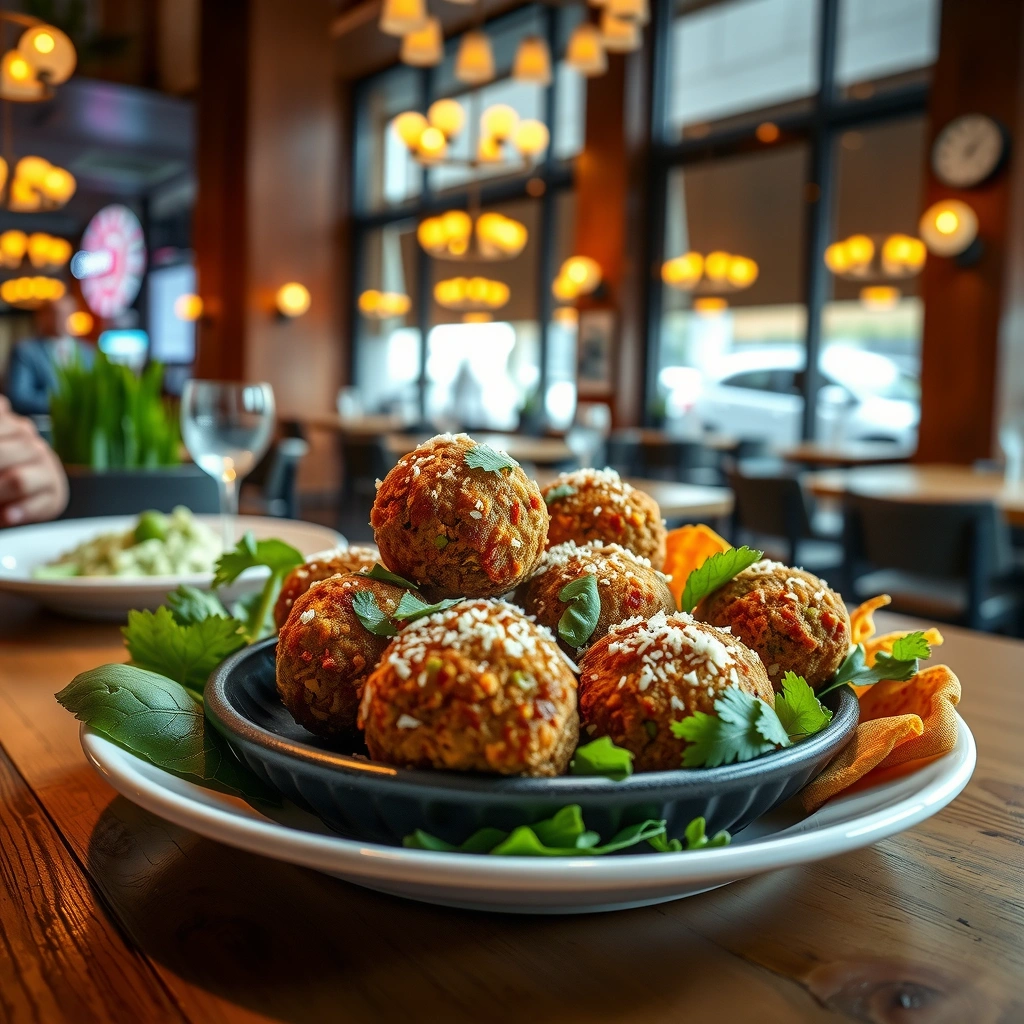
– Chickpeas (soaked) plus fresh parsley and cilantro for bright flavor
– Aromatics and spices like garlic, cumin, coriander, and salt
Homemade falafel is simple in concept—chickpeas + herbs + spices—but it’s technical in execution. The quality of your falafel balls depends on three levers: (1) dry chickpeas that have been properly soaked, (2) a coarse blend that provides structure, and (3) reliable seasoning in a tight flavor profile (savory, herbal, warm, and lightly acidic or bright from lemon).
Here’s what you’ll typically include to make crisp, flavorful falafel from scratch:
– Dry chickpeas (soaked): Soaked chickpeas create a moist, starchy base that binds well without eggs. You’re aiming for chickpeas that are hydrated throughout but not fully falling apart.
– Fresh herbs: Parsley and cilantro add the signature green, fresh aroma. In professional kitchens, herbs are often weighted carefully because they influence both flavor and moisture balance.
– Garlic + onion (optional but recommended): A small amount of onion or garlic provides savory depth; too much onion can push moisture higher and reduce crisping.
– Spices: Cumin and coriander are essential. Cumin drives earthiness and warmth; coriander adds citrusy, floral notes.
– Salt and black pepper: These bring out the herbs and spices. Undersalting is a common reason falafel tastes flat even when the texture is correct.
– Leavening (optional): Some cooks add a pinch of baking powder to help the interior steam slightly and improve tenderness—especially when baking instead of frying.
Practical measure: For consistent falafel balls, weigh ingredients if you can. If not, keep the chickpeas as the anchor and measure spices relative to them (for example, a “cumin-forward but balanced” ratio rather than doubling all spices).
Prep Steps for Perfect Falafel Texture
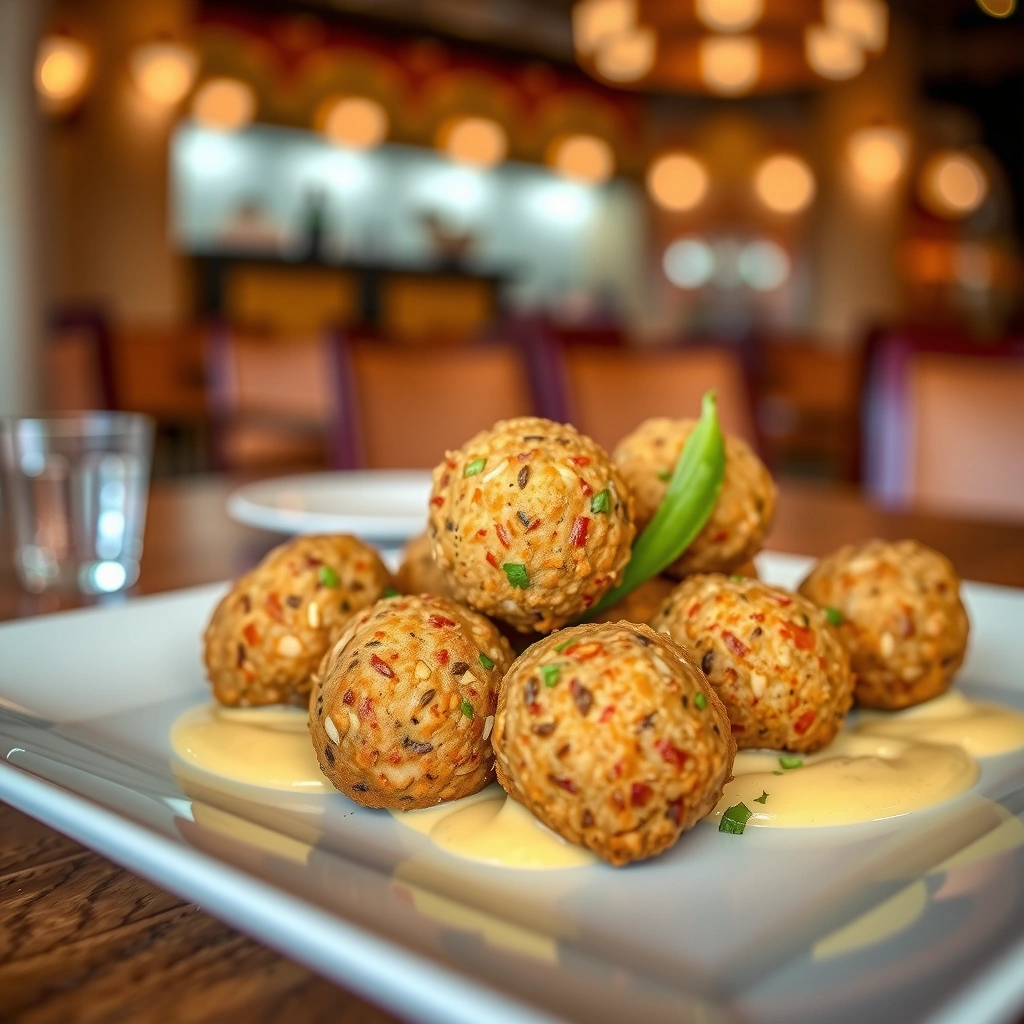
– Soak chickpeas ahead of time (avoid canned for best results)
– Blend until coarse, not smooth, so the balls hold together
The texture of falafel paste is the difference between “crumbly fritter” and “classic falafel ball.” Your goal is a mixture that is cohesive enough to shape, yet still granular enough to create crisp edges when cooked.
Soak strategy: why dried chickpeas matter
For authentic falafel, you should use dried chickpeas. Canned chickpeas are already cooked and waterlogged; they break down too easily and often require extra binders (which changes authenticity and can make falafel heavy). Soaking dried chickpeas gives you:
– controlled hydration (starches released gradually),
– better bite inside,
– improved binding without eggs.
How to soak:
– Rinse chickpeas, then soak in plenty of water for 12–24 hours.
– For best results, refrigerate during soaking (food safety).
– Drain thoroughly afterward; excess water is a common culprit for soggy falafel.
Blend to the right consistency
Blend your soaked chickpeas with herbs, garlic, and spices until coarse—think “meat-grinder texture,” not hummus. If you blend too long:
– the mixture becomes paste-like,
– it holds together but tends to become dense,
– and it can lose the crisp surface you want.
Actionable rule: Stop blending when the mixture looks uniformly chopped but still slightly grainy. If you lift the blade and the mixture forms a rough, tacky mound (not a smooth purée), you’re there.
Binding and moisture control
Falafel paste should be workable. If it feels too wet:
– rest it 10–20 minutes (hydration equalizes and some moisture redistributes),
– and/or fold in a small amount of chickpea flour or breadcrumbs (only if needed).
If it feels too dry:
– add a teaspoon of water at a time.
Be conservative—falafel is not a dough; it’s a structured mash.
Shape and Chill for Easy Frying
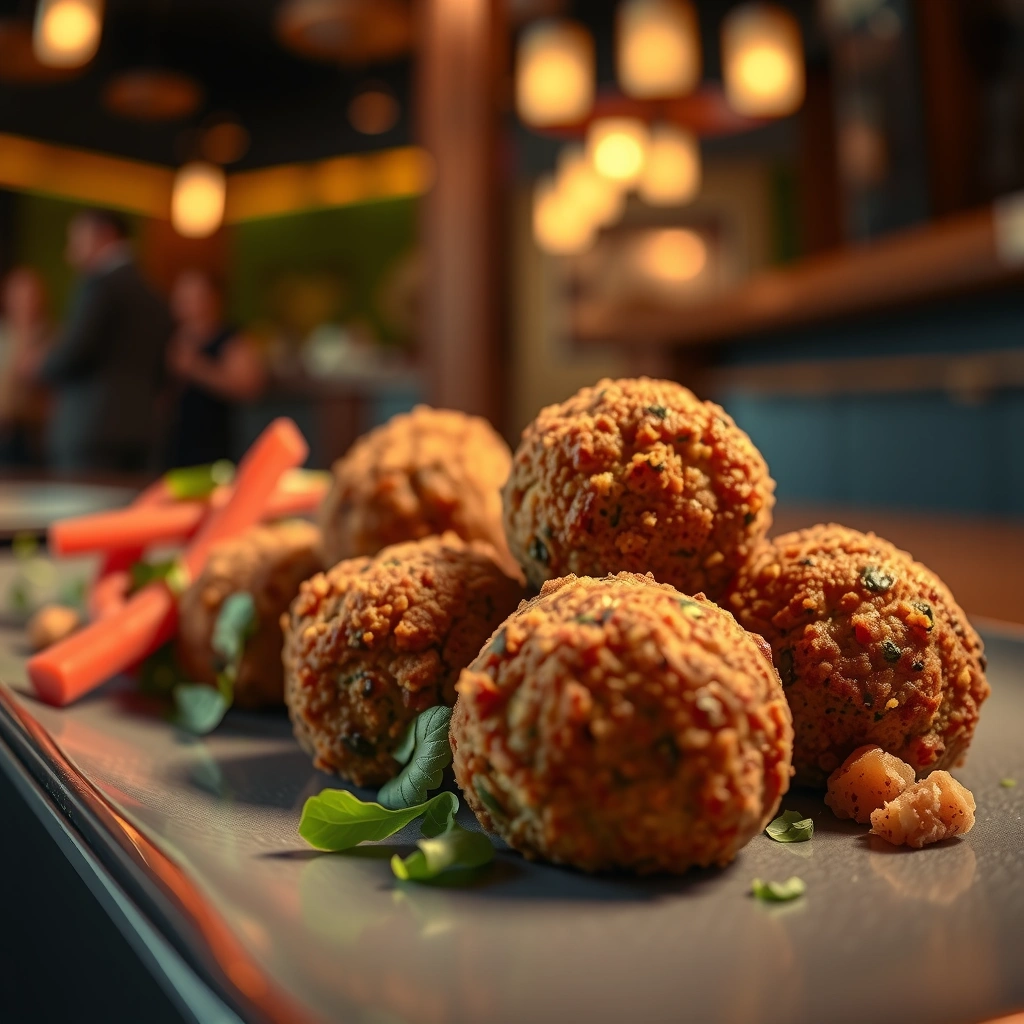
– Form evenly sized falafel balls for consistent cooking
– Chill the mixture briefly to improve binding and reduce oil absorption
Shaping isn’t just aesthetics—it’s process control. Even falafel balls cook at the same rate, developing crispness without burning or leaving the center undercooked.
Shape for consistency
Aim for uniform sizes:
– Falafel balls: about 1.5–2 tablespoons each (roughly golf-ball sized, depending on your preference).
– Thickness target: consistent surface area means consistent browning and cooking time.
If you want the look of many restaurant batches, shape them slightly oblong (like small cylinders) or perfect rounds; either way works if size is consistent.
Chill to improve performance
Chilling is a pro technique that improves:
– binding (less crumbling),
– handling (less sticking),
– and crisping (reduced oil absorption).
Recommended chill time: 20–60 minutes in the refrigerator.
If you’re working in a warm kitchen, don’t skip this step. Warm paste melts your crisping potential by breaking down faster in the oil.
Handling tip for cleaner shaping
Lightly oil your hands or use a small scoop. Avoid excessive flouring—light flour can help if your paste is sticky, but too much dries the surface and can prevent browning.
Frying Falafel Balls (Crispy Method)
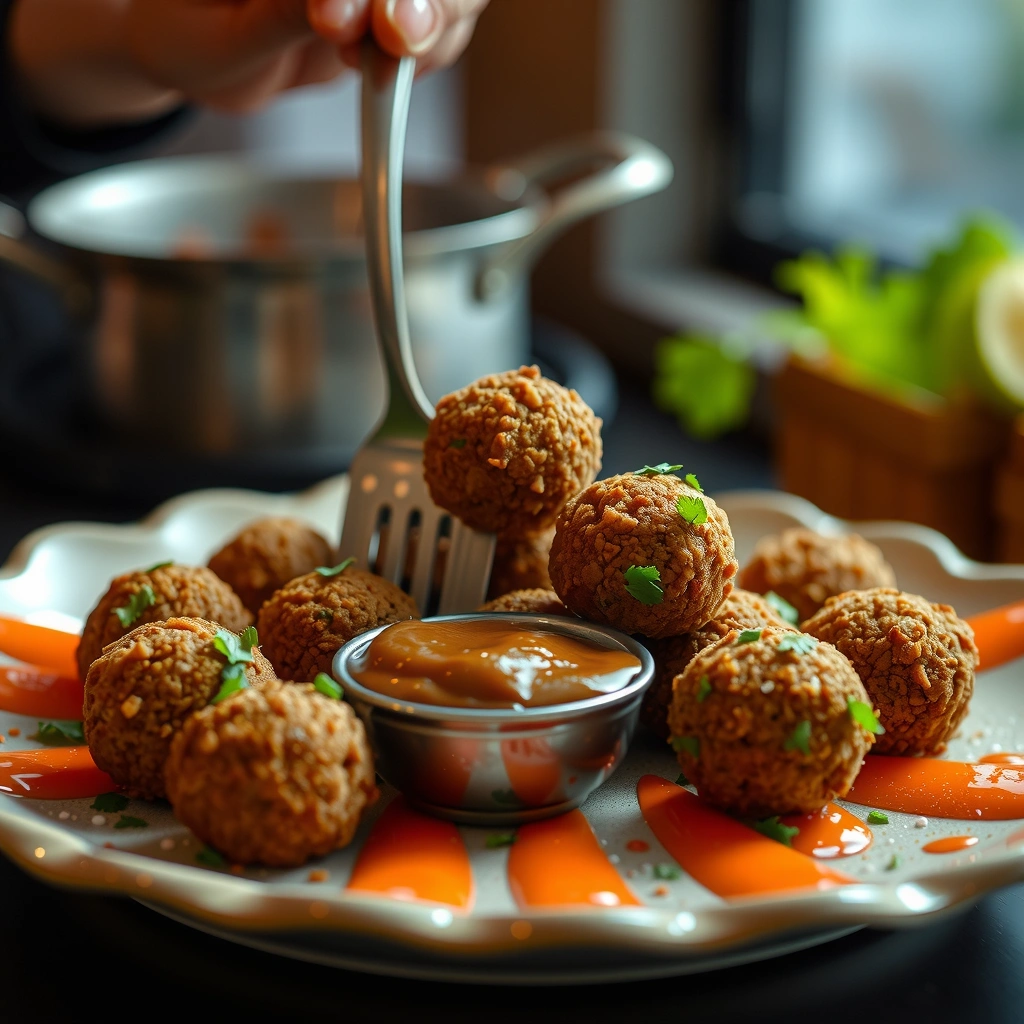
– Heat oil to the right temperature for quick browning
– Fry in small batches and drain well for maximum crispness
Frying is the classic route to crunchy falafel. When done correctly, you’ll get a crisp shell with a tender interior—without greasy heaviness.
Oil temperature matters
Use medium-high heat and aim for about 350°F / 175°C. If your oil is too cool:
– falafel absorbs more oil,
– browning slows,
– and the crust can turn leathery.
If it’s too hot:
– the outside darkens too quickly,
– while the inside remains undercooked.
Restaurant logic: Crisp exteriors form quickly when the surface seizes (starches + proteins set) while the interior continues to steam and heat.
Fry in small batches
Crowding lowers oil temperature and causes steaming. Instead:
– fry a few at a time,
– leave space for bubbling and circulation,
– and avoid moving them constantly (let the crust form).
A typical fry time is 3–5 minutes, depending on size and how aggressively your oil maintains temperature. You’re looking for a deep golden brown all over.
Drain like a pro
Remove falafel using a slotted spoon and place on a rack or paper towels briefly. For best crispness:
– use a wire rack if you have one,
– avoid long rests on thick paper (trapped steam softens crust).
Once drained, serve promptly—crispy falafel is best fresh.
Baking Falafel Balls (Lighter Option)
– Use a hot oven and parchment/tray prep to help browning
– Spray lightly with oil and flip halfway for even crisp edges
Baking can absolutely deliver a satisfying falafel experience—especially if you control moisture, heat, and surface contact. It won’t be identical to deep-frying, but you can get a crisp edge and flavorful interior.
Preheat thoroughly
Preheat your oven to 425°F / 220°C (or higher if your oven runs cool). A hot oven helps the surface brown quickly before the interior dries out.
For better results:
– line a sheet pan with parchment or use a lightly oiled tray,
– preheat the tray (if your equipment allows) so the base begins crisping immediately.
Oil for browning (lightly)
Mist or brush lightly with oil. Too much oil can pool and turn the outside uneven, while too little prevents browning. A thin, even coating is the goal.
Flip for uniform crisping
Bake for about 18–25 minutes total, flipping halfway at roughly 10–12 minutes. The flip matters because one side often bakes and dries faster than the other.
Best practice: Bake until deeply golden, not just lightly browned. If you pull them early, the crust won’t set fully.
Ingredients Benchmark (So You Can Tune Your Falafel Like a Pro)
Falafel Paste Consistency: What “Right” Looks Like
| # | Batch Signal | Typical Outcome | Recommended Fix | Cook Score |
|---|---|---|---|---|
| 1 | Coarse blend; mound holds shape without smoothing | Crisp shell + tender center | No change—shape and chill | 9.4/10 |
| 2 | Sticky paste; won’t cleanly release from scoop | Cracking or oiliness | Chill 30–45 min; add 1–2 tbsp chickpea flour only if needed | 6.7/10 |
| 3 | Too smooth (over-blended); resembles hummus | Dense interior, reduced crust | Pulse in a handful of chopped chickpeas to regain grit | 5.9/10 |
| 4 | Dry and crumbly; won’t bind without pressure | Breakage during frying/baking | Add 1–2 tsp water; rest 10 min | 6.1/10 |
| 5 | Herb-forward aroma; visible green flecks | Bright, restaurant-like flavor | Adjust salt last; avoid over-wetting | 8.8/10 |
| 6 | Over-salted paste tastes sharp raw | Mouthfeel ok, flavor harsh | Add more chickpeas (next batch) or serve with lemon/tahini | 6.3/10 |
| 7 | Well-chilled paste; firm shape after scooping | Lower oil absorption, stronger crust | Proceed to frying/baking without over-handling | 9.1/10 |
Serving Ideas and Storage Tips
– Serve with pita, tahini sauce, lemon, and salad for classic presentation
– Store leftovers refrigerated and reheat for best texture
Falafel balls are at their best when served with complementary flavors and crisp handling. Since the patties are savory and herbaceous, pairing matters as much as the recipe itself.
Classic serving options
For a traditional, crowd-friendly plate:
– Warm pita (or flatbread) to scoop
– Tahini sauce (thick, nutty, tangy)
– Lemon wedges for brightness
– Chopped salad (cucumber, tomato, red onion)
– Optional: pickles or a drizzle of chili sauce for heat
Business-friendly approach (catering or meal prep): Assemble components separately. Keep falafel and sauces separate until service so you preserve crispness and control portioning.
Storage and reheating
Falafel can be reheated, but the goal is to re-crisp the exterior without drying out the interior.
– Refrigerate: Store in an airtight container for up to 3–4 days.
– Reheat best method: Use an oven or air fryer at 375°F / 190°C for 8–12 minutes (flip if needed).
– Microwave caution: Microwaving softens the crust quickly; it’s convenient but less ideal for crisp texture.
Freezing (if you want to plan ahead)
If you make a large batch:
– freeze uncooked shaped falafel on a tray until solid,
– then transfer to a freezer bag.
When ready, fry or bake straight from frozen (add a few minutes to cooking time). This is a highly efficient method for weekly meal prep.
Falafel balls also freeze well after cooking—reheat in the oven/air fryer for best results.
Falafel balls turn out best when you use soaked chickpeas, blend to a coarse texture, shape evenly, and cook until deeply golden—frying for maximum crunch or baking for a lighter bite. Pick your preferred method, follow the steps above, and try a batch today with your favorite sauce and sides.
References
- Falafel
https://en.wikipedia.org/wiki/Falafel - Tahini
https://en.wikipedia.org/wiki/Tahini - Chickpea
https://en.wikipedia.org/wiki/Chickpea - https://en.wikipedia.org/wiki/Falafel_sandwich
https://en.wikipedia.org/wiki/Falafel_sandwich - Deep frying
https://en.wikipedia.org/wiki/Deep_frying - Gram flour
https://en.wikipedia.org/wiki/Chickpea_flour - Falafel | Middle Eastern, Chickpeas, Spices | Britannica
https://www.britannica.com/topic/falafel - Google Scholar Google Scholar
https://scholar.google.com/scholar?q=falafel+recipe+chickpeas - Google Scholar Google Scholar
https://scholar.google.com/scholar?q=falafel+frying+oil+absorption+study - Google Scholar Google Scholar
https://scholar.google.com/scholar?q=falafel+chickpeas+herbs+garlic+processing