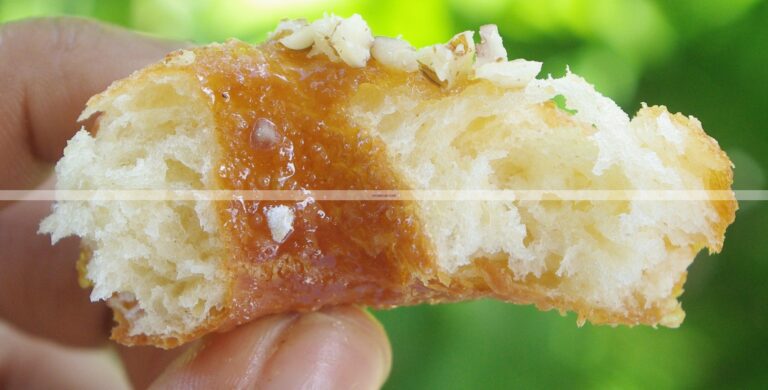
Making yeast donuts at home is simpler than you might think, and with this easy recipe, you’ll be able to whip up perfectly fluffy and delicious donuts in no time. This guide will walk you through the essential ingredients, step-by-step instructions, and some tips for achieving the best results.
Essential Ingredients for Yeast Donuts
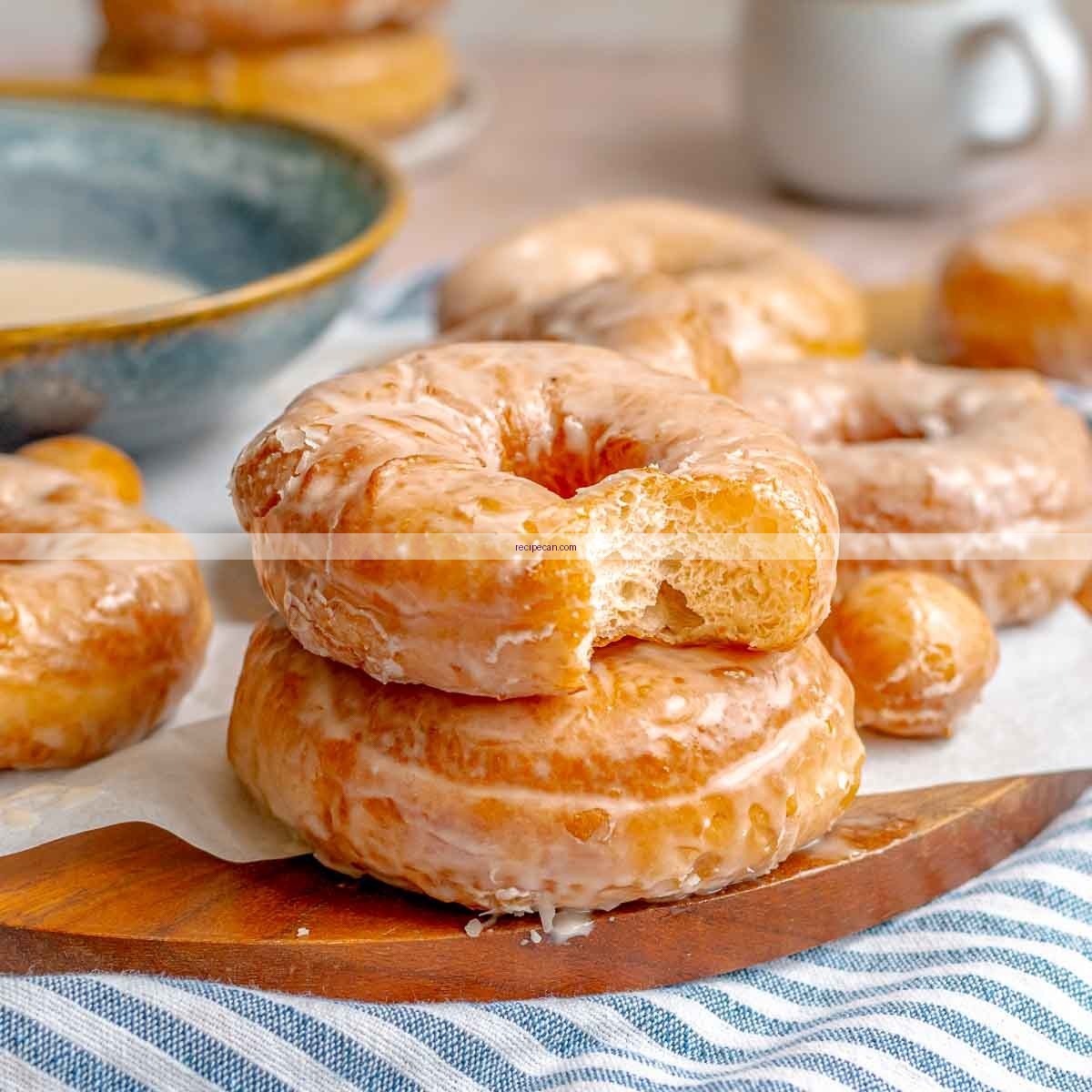
To create the perfect yeast donuts, it’s crucial to start with the right ingredients. Here’s what you’ll need:
– All-purpose flour: This is the foundation of your donuts. It provides the necessary structure and texture, allowing the donuts to rise beautifully while remaining soft and fluffy.
– Active dry yeast: The key ingredient that causes the dough to rise. It ferments and produces carbon dioxide, which creates the light and airy texture that we all love in donuts.
– Sugar: Not only does sugar sweeten the dough, but it also helps activate the yeast, leading to a better rise. A little sugar goes a long way in achieving that perfect balance of sweetness.
Step-by-Step Instructions

Making yeast donuts is a delightful process that involves several key steps. Follow these instructions for the best results:
– Mixing the dough: Start by combining your dry ingredients—flour, sugar, salt, and yeast—in a large bowl. Once well mixed, add the wet ingredients, which typically include warm milk, eggs, and melted butter. Stir until a cohesive dough forms.
– Kneading: Transfer the dough to a floured surface and knead it for about 8-10 minutes. The dough should become smooth and elastic; this process helps develop gluten, essential for a chewy texture.
– First rise: Place the dough in a greased bowl, cover it with a clean kitchen towel, and let it rise in a warm, draft-free area until it doubles in size. This usually takes about 1-2 hours, depending on the temperature of your kitchen.
Shaping Your Donuts
Once your dough has risen, it’s time to shape your donuts:
– Rolling out the dough: Roll the dough on a floured surface to about half an inch thick. This thickness is ideal to ensure your donuts maintain a good height when fried.
– Cutting shapes: Use a donut cutter or two round cookie cutters (one larger and one smaller for the hole) to cut out the donuts. Be sure to press down firmly to get clean cuts.
– Second rise: Once shaped, place the donuts on a floured baking sheet. Cover them again and let them rise for about 30-45 minutes. This second rise is critical for achieving that light, airy texture.
Frying the Donuts
Frying is where the magic happens, transforming your dough into delectable donuts:
– Oil temperature: Heat oil in a deep fryer or a heavy-bottomed pot to around 350°F (175°C). It’s crucial to maintain this temperature to ensure the donuts fry evenly without becoming greasy.
– Frying time: Carefully place donuts in the hot oil, frying each side for about 1-2 minutes or until they turn golden brown. Avoid overcrowding the fryer, as this can lower the oil temperature.
Top 7 Ingredients for Yeast Donuts
| # | Ingredient | Amount (per batch) | Role |
|---|---|---|---|
| 1 | All-Purpose Flour | 4 cups | Base structure |
| 2 | Active Dry Yeast | 2 ¼ tsp | Leavening agent |
| 3 | Granulated Sugar | ½ cup | Sweetener |
| 4 | Milk | 1 cup | Moisture |
| 5 | Eggs | 2 large | Binding agent |
| 6 | Butter | ½ cup, melted | Flavor & richness |
| 7 | Salt | 1 tsp | Flavor enhancer |
Glazing and Toppings
Once your donuts are fried and cooled slightly, it’s time to add some finishing touches:
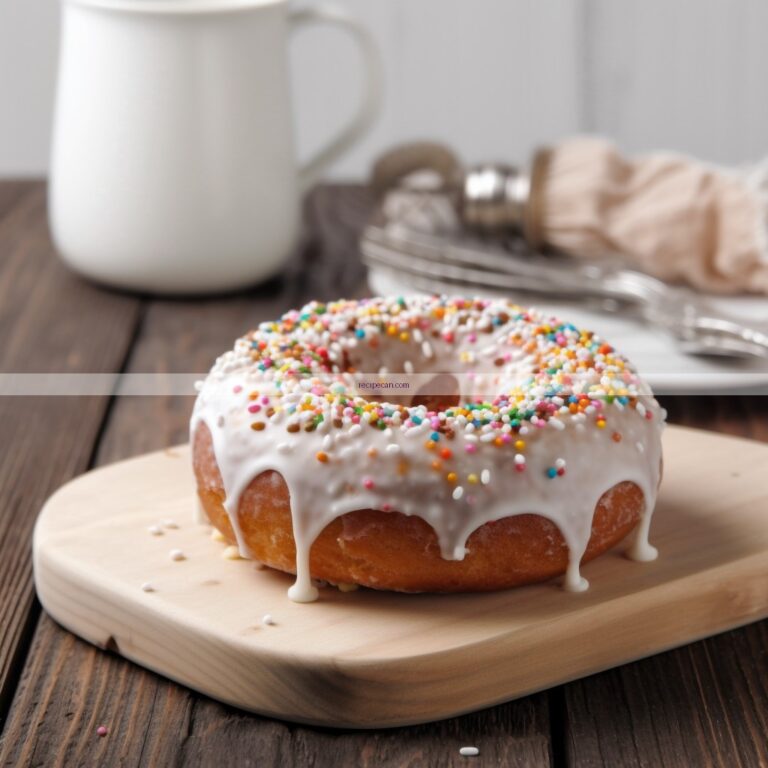
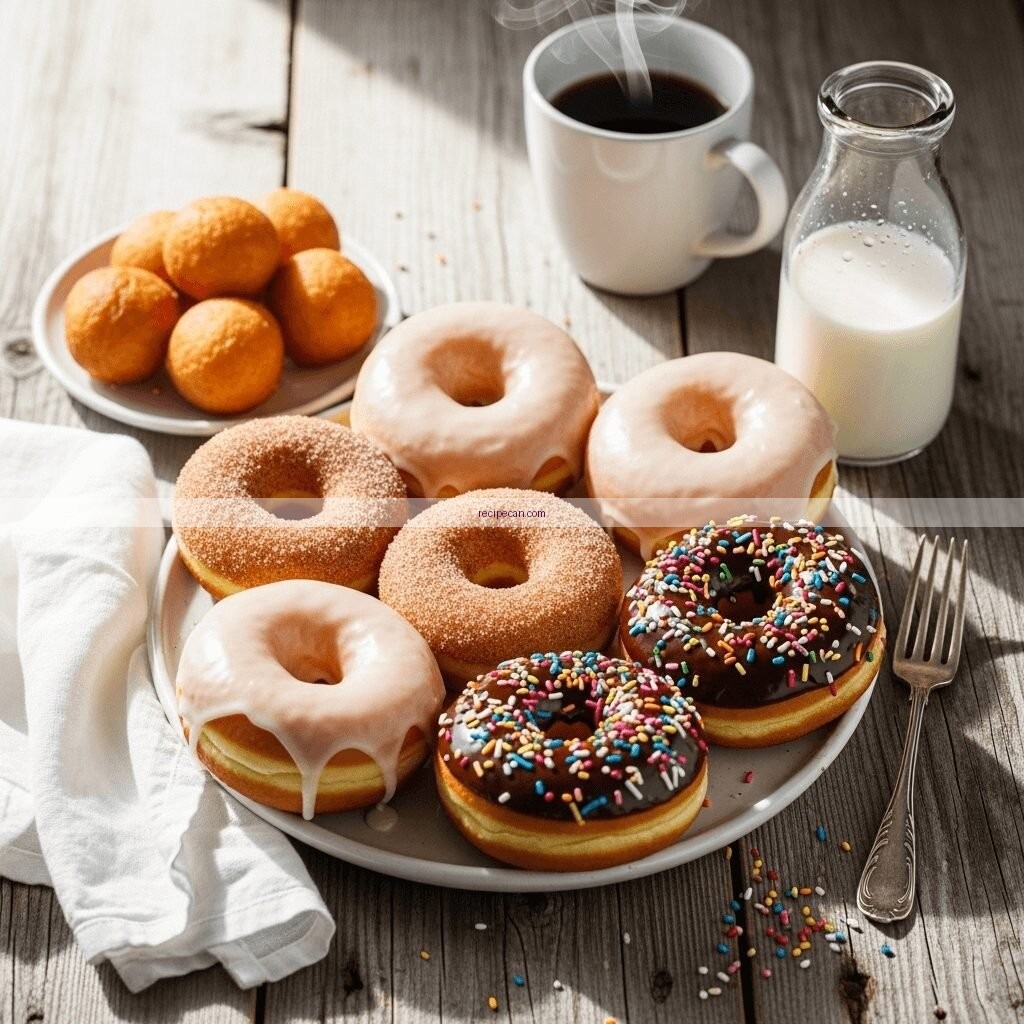
– Basic glaze: A simple glaze can be made by mixing powdered sugar with milk or water until you reach the desired consistency. Dip the top of each donut in the glaze and allow it to set.
– Topping ideas: To elevate your donuts, consider adding sprinkles, chocolate glaze, or cinnamon sugar. These toppings not only enhance flavor but also add an appealing visual element.
Troubleshooting Common Issues
Baking can sometimes present challenges, but knowing how to troubleshoot can save your donut-making experience:
– Donuts too dense: If your donuts turn out dense, ensure your yeast is fresh and properly activated. Also, kneading the dough sufficiently is crucial for developing gluten structure.
– Oil absorption: If your donuts are greasy, it may be due to the oil temperature being too low. Ensure the oil is at the recommended 350°F (175°C) before frying.
Storage and Serving Suggestions
To enjoy your freshly made donuts to the fullest:
– Best enjoyed fresh: Serve your donuts warm for the best flavor and texture. Freshly fried donuts are a delightful treat that can be enjoyed with a cup of coffee or tea.
– Storing leftovers: If you have leftover donuts, store them in an airtight container at room temperature for up to two days. For longer storage, consider freezing them in a single layer, then transferring to a freezer bag for up to a month.
Frying Time vs. Donut Texture
Enjoy making your own yeast donuts at home with this straightforward recipe. With these tips and instructions, you’ll impress your family and friends with your baking skills. So, gather your ingredients, roll up your sleeves, and get ready to indulge in these fluffy treats!
Frequently Asked Questions
What ingredients do I need for a basic yeast donuts recipe?
To make a basic yeast donuts recipe, you will need all-purpose flour, active dry yeast, sugar, milk, eggs, butter, and a pinch of salt. These ingredients come together to create a soft and fluffy donut base that can be flavored or glazed as desired.
How long does it take to make yeast donuts from scratch?
Making yeast donuts from scratch typically takes about 2 to 3 hours, including rising time. This includes approximately 1 hour for the dough to rise and about 30 minutes for the donuts to fry, plus time for preparation and cooling before glazing.
Why did my yeast donuts turn out dense instead of fluffy?
Dense yeast donuts can result from using old yeast that has lost its potency, not allowing the dough to rise sufficiently, or overworking the dough. To achieve light and fluffy donuts, ensure your yeast is fresh, follow rising times closely, and handle the dough gently.
What is the best frying oil for yeast donuts?
The best frying oils for yeast donuts are those with a high smoke point, such as vegetable oil, canola oil, or peanut oil. These oils not only help achieve the perfect frying temperature but also contribute to a crisp texture without imparting strong flavors.
Which toppings are popular for homemade yeast donuts?
Popular toppings for homemade yeast donuts include classic glaze, chocolate icing, powdered sugar, and sprinkles. You can also get creative with fillings like custard, jam, or fruit preserves, enhancing the flavor and presentation of your delicious yeast donuts.
References
- Doughnut
https://en.wikipedia.org/wiki/Donut - Doughnut | Definition, History, Types, & Origins | Britannica
https://www.britannica.com/topic/doughnut - Google Scholar Google Scholar
https://scholar.google.com/scholar?q=yeast+donut+recipe - Google Scholar Google Scholar
https://scholar.google.com/scholar?q=yeast+donuts - https://www.sciencedirect.com/topics/food-science/doughnut
https://www.sciencedirect.com/topics/food-science/doughnut - https://pubmed.ncbi.nlm.nih.gov/15197605/
https://pubmed.ncbi.nlm.nih.gov/15197605/ - https://www.ncbi.nlm.nih.gov/pmc/articles/PMC7000491/
https://www.ncbi.nlm.nih.gov/pmc/articles/PMC7000491/ - https://www.ncbi.nlm.nih.gov/pmc/articles/PMC7328865/
https://www.ncbi.nlm.nih.gov/pmc/articles/PMC7328865/ - https://www.cdc.gov/nutrition/resources-publications/healthy-eating.html
https://www.cdc.gov/nutrition/resources-publications/healthy-eating.html - https://www.nature.com/articles/s41598-020-75538-2
https://www.nature.com/articles/s41598-020-75538-2