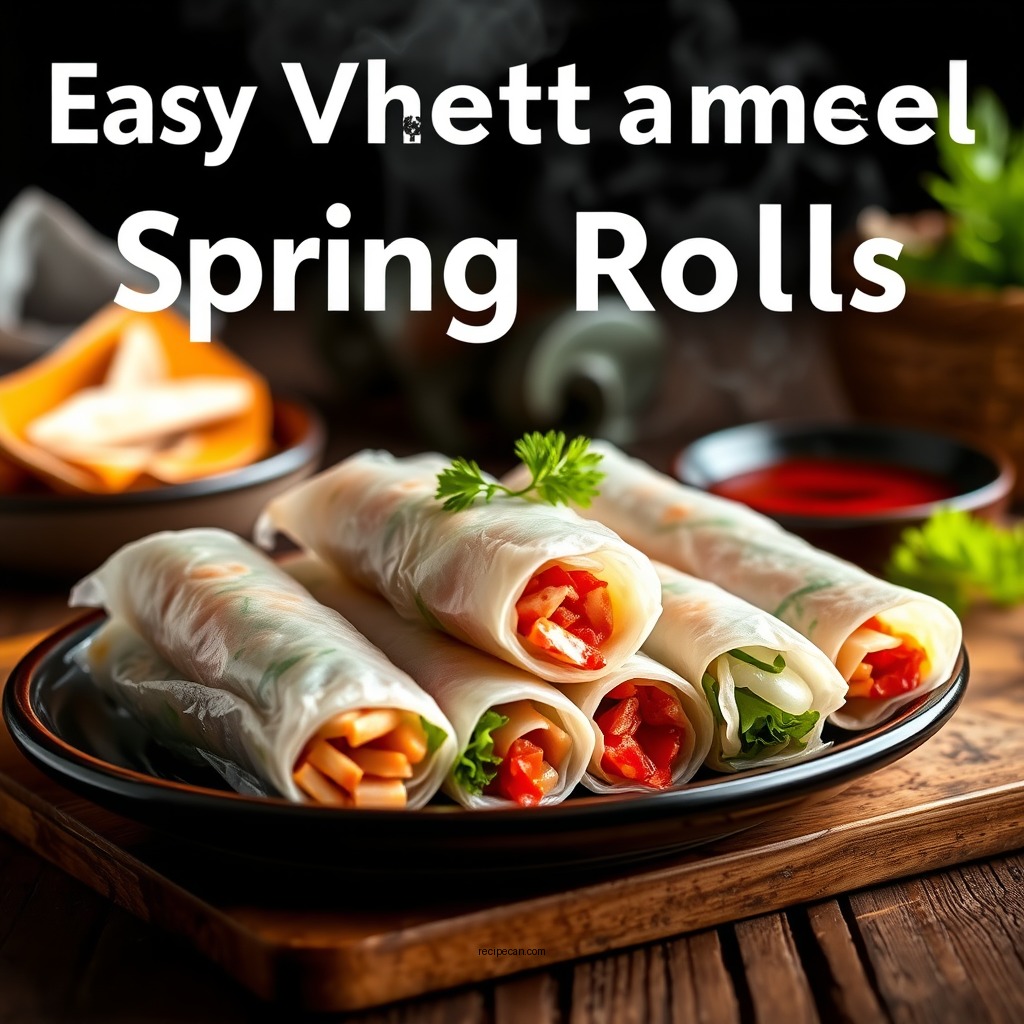
Making Vietnamese spring rolls is simple and rewarding, allowing you to enjoy fresh, vibrant flavors at home. This recipe will guide you through the process, from selecting ingredients to rolling the perfect spring rolls that are bursting with flavor. Let’s dive into creating this delicious dish!
Understanding Vietnamese Spring Rolls
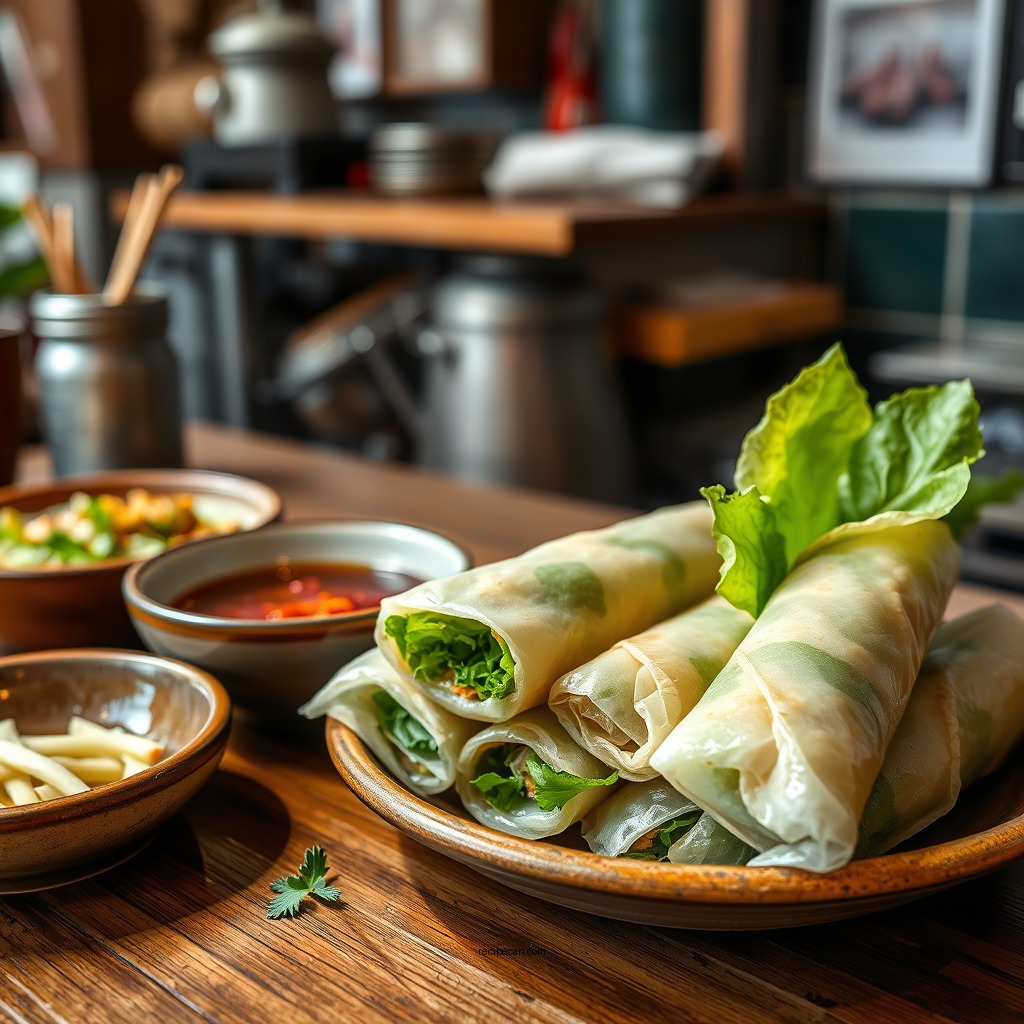
Vietnamese spring rolls, or “gỏi cuốn,” come in two main varieties: fresh and fried. Fresh spring rolls are often made with rice paper wrappers and filled with fresh vegetables, proteins, and herbs, making them a light and healthy option. On the other hand, fried spring rolls, known as “chả giò,” are wrapped in a thicker pastry and deep-fried until golden and crispy. Each type offers a unique taste and texture, appealing to different culinary preferences.
Traditional ingredients for both types of spring rolls include shrimp, pork, tofu, vermicelli noodles, lettuce, mint, and cilantro. These ingredients contribute to the fresh and aromatic flavor profile characteristic of Vietnamese cuisine. Understanding the differences between these rolls will help you choose the right recipe based on your taste and occasion.
Essential Ingredients for Spring Rolls
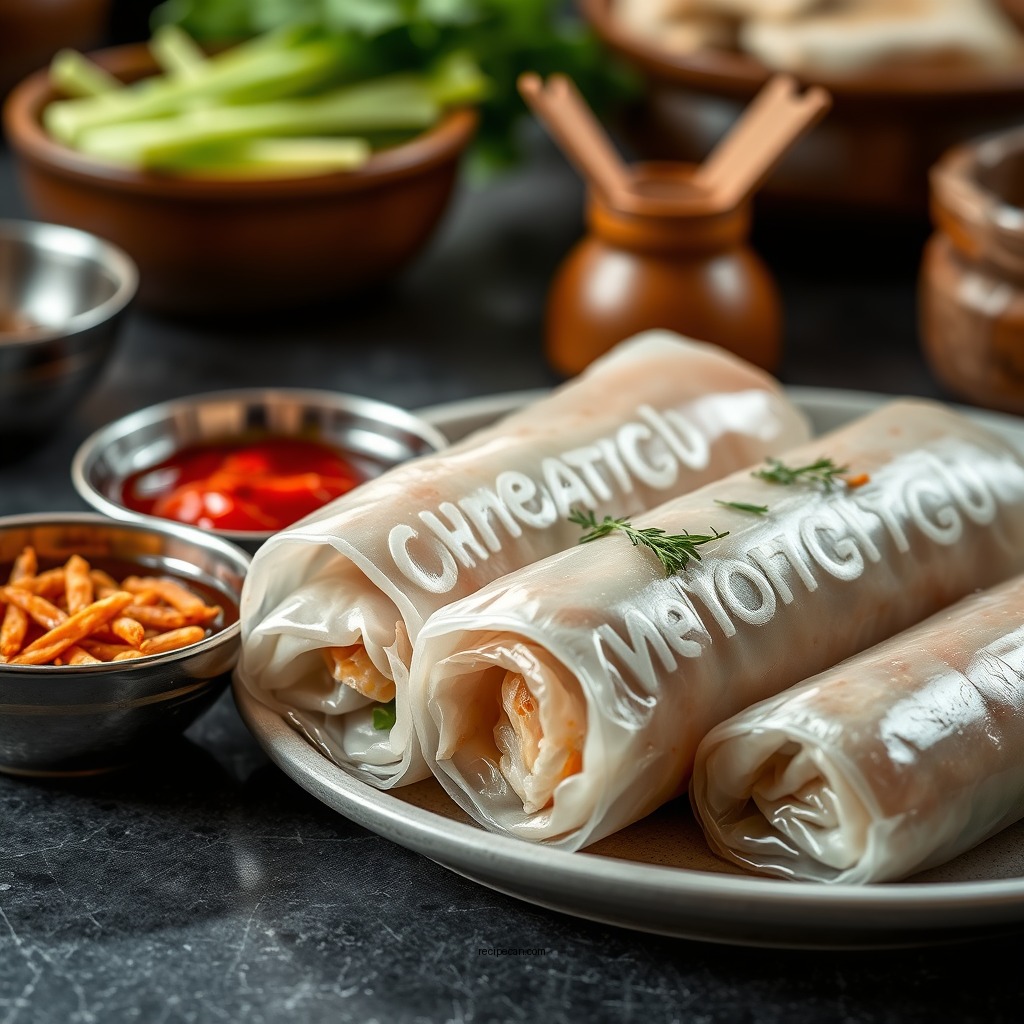
To create delicious Vietnamese spring rolls, you’ll need a selection of fresh ingredients:
– Fresh Vegetables: Lettuce (preferably butter lettuce), mint, and cilantro are essential for freshness. You can also add cucumbers, carrots, or bell peppers for added crunch and flavor.
– Proteins: Consider using cooked shrimp, marinated tofu, or grilled chicken. Each protein brings its own flavor, so choose based on your dietary preferences or what you have available.
– Rice Paper Wrappers: Look for thin rice paper wrappers, typically available in Asian grocery stores. They come in various sizes, but a standard size of about 22 cm (9 inches) is ideal for spring rolls.
Selecting high-quality, fresh ingredients is crucial for achieving the best flavor in your spring rolls. The vibrant colors and textures of the ingredients will not only enhance the taste but also make your dish visually appealing.
Preparing the Fillings
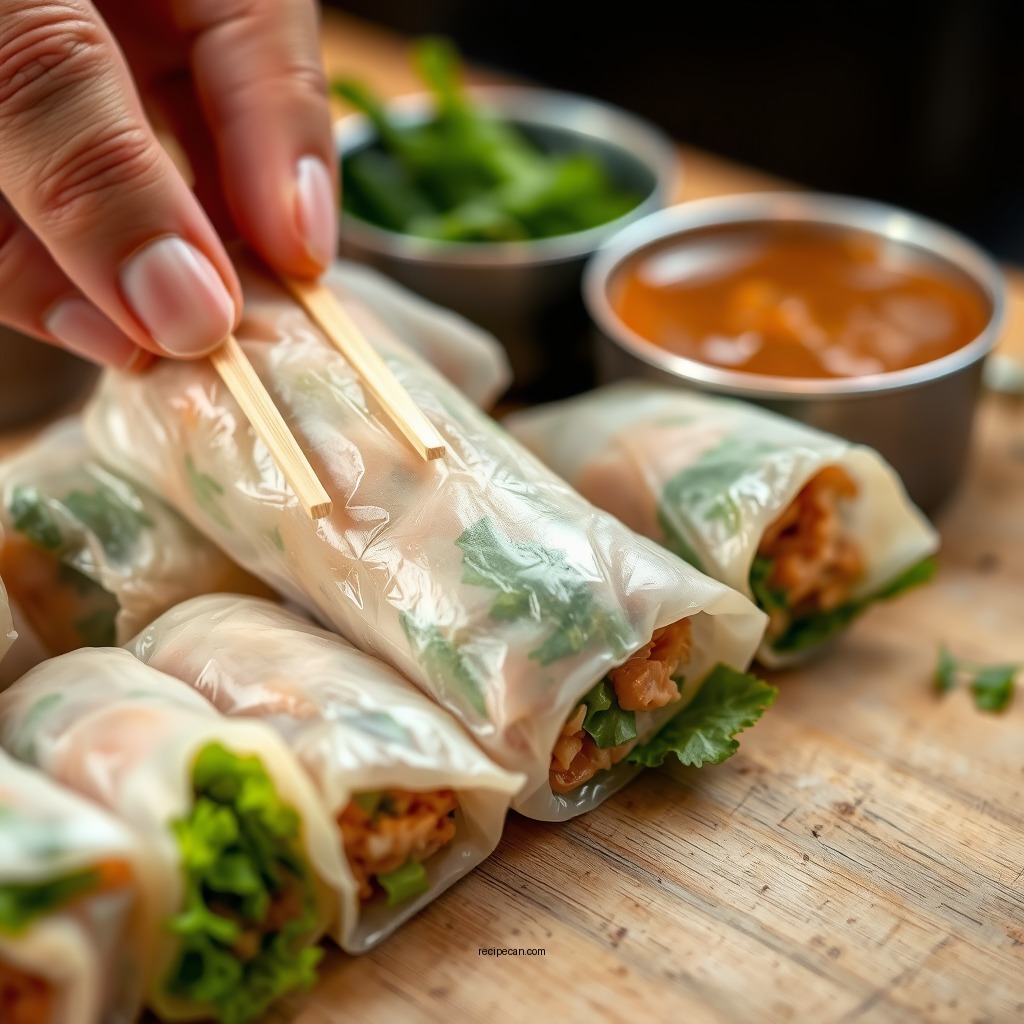
– Cooking and Seasoning Proteins: If you’re using shrimp, boil or steam them until opaque. For tofu, consider marinating it in soy sauce or sesame oil before pan-frying for added flavor. Grilled chicken should be seasoned simply with salt, pepper, and a splash of lime juice to highlight its natural taste.
– Chopping Vegetables: When preparing your vegetables, aim for uniform sizes that are easy to roll. For instance, julienne cucumbers and carrots into thin strips, and keep lettuce leaves whole for easy wrapping. The right texture helps with the overall mouthfeel of the spring rolls.
📋 Essential Ingredients for Spring Rolls
Essential Ingredients for Vietnamese Spring Rolls
| # | Ingredient | Type | Preparation Method |
|---|---|---|---|
| 1 | Shrimp | Protein | Boiled |
| 2 | Tofu | Protein | Pan-fried |
| 3 | Chicken | Protein | Grilled |
| 4 | Lettuce | Vegetable | Whole leaves |
| 5 | Mint | Herb | Whole leaves |
| 6 | Cilantro | Herb | Whole leaves |
| 7 | Rice Noodles | Carb | Cooked |
The Art of Rolling Spring Rolls
Rolling spring rolls may seem challenging at first, but with practice, it becomes a straightforward process. Here’s how to do it:
1. Wet the Rice Paper: Fill a shallow dish with warm water. Dip one rice paper wrapper into the water for about 10-15 seconds until it becomes pliable. Be careful not to soak it too long as it can become too soft and tear easily.
2. Fill the Wrapper: Lay the wet wrapper flat on a clean surface. Start by placing a small handful of your fillings (proteins and vegetables) in the center of the wrapper, leaving space on the sides.
3. Rolling Technique: Fold the bottom of the wrapper over the filling, then fold in the sides tightly. Roll it away from you to form a tight cylinder. The key is to roll firmly but gently to avoid tearing the rice paper.
4. Sealing the Roll: Once you reach the end of the wrapper, dab a bit of water on the edge to seal it. This will help keep your spring roll intact.
With a little practice, you’ll be able to roll perfect spring rolls every time, creating a beautiful and tasty presentation.
📈 Spring Roll Rolling Techniques
Rolling Techniques for Spring Rolls
Dipping Sauces to Complement Your Spring Rolls
No Vietnamese spring roll is complete without a delicious dipping sauce. Two popular options are:
– Peanut Sauce: To make this creamy sauce, mix together peanut butter, hoisin sauce, and a splash of water until smooth. For added flavor, consider adding crushed peanuts and a drizzle of lime juice.
– Nuoc Cham: This traditional Vietnamese dipping sauce combines fish sauce, sugar, lime juice, garlic, and chili. The result is a tangy, sweet, and spicy sauce that perfectly complements the freshness of the spring rolls.
For those who prefer alternatives, consider using sweet chili sauce, soy sauce, or even a simple vinegar-based dip. These sauces not only enhance the flavor of the rolls but also add a delightful dipping experience.
Serving Suggestions and Pairings
When serving your Vietnamese spring rolls, presentation is key. Arrange the rolls on a platter and garnish them with fresh herbs or edible flowers for an attractive display. You can also slice the rolls in half to showcase the colorful fillings.
Pair your spring rolls with refreshing beverages such as iced tea, coconut water, or a light Vietnamese beer. For a complete meal, consider serving them alongside a light salad or a bowl of pho. The combination of flavors and textures will create a memorable dining experience.
Common Mistakes to Avoid
While making spring rolls is fun, it’s important to avoid common pitfalls that can ruin your dish:
– Overfilling: It can be tempting to add too many ingredients, but this may lead to tearing and difficulty in rolling. Stick to a small handful of fillings for easy rolling.
– Using Dry Rice Paper: Ensure your rice paper is adequately soaked before using it. If it’s too dry, it will crack and break.
– Not Sealing Properly: If your rolls are falling apart, check your sealing technique. A dab of water on the edge of the rice paper will help keep your rolls intact.
By being mindful of these common mistakes, you can create beautiful, intact spring rolls that are both delicious and visually pleasing.
Enjoy these fresh and tasty Vietnamese spring rolls as a light meal or an appetizer for your next gathering. With the right ingredients and techniques, you can impress your friends and family with your culinary skills. Get started today and savor the delightful flavors of this classic dish!
Frequently Asked Questions
What ingredients are essential for making traditional Vietnamese spring rolls?
To create authentic Vietnamese spring rolls, you will need rice paper wrappers, fresh vegetables like lettuce, mint, and cilantro, and protein such as shrimp, pork, or tofu. Additionally, rice vermicelli noodles are often included for texture, while dipping sauces like hoisin or peanut sauce complement the fresh flavors.
How do you properly wrap Vietnamese spring rolls?
To wrap Vietnamese spring rolls, start by soaking a rice paper wrapper in warm water for about 10-15 seconds until it becomes pliable. Lay the wrapper flat, place your filling in the center, and fold the sides over the filling before rolling it tightly from the bottom up. Practice makes perfect, so don’t be discouraged if your first few rolls aren’t perfect!
Why are fresh ingredients important in a Vietnamese spring roll recipe?
Fresh ingredients are crucial in a Vietnamese spring roll recipe because they enhance the flavor and texture of the rolls, providing a crunchy and vibrant experience. The use of fresh herbs like mint and cilantro not only adds aromatic qualities but also contributes to the traditional taste that makes these rolls so popular.
What is the best dipping sauce for Vietnamese spring rolls?
The best dipping sauce for Vietnamese spring rolls is a sweet and savory hoisin-peanut sauce, which perfectly complements the fresh ingredients and adds depth to each bite. Alternatively, a spicy fish sauce mix can be used for those who enjoy a tangy kick. Experimenting with different sauces can elevate your spring roll experience.
Which types of protein can be used in Vietnamese spring rolls?
In Vietnamese spring rolls, you can use a variety of proteins such as shrimp, grilled pork, chicken, or tofu for a vegetarian option. Each protein offers a unique flavor and texture, allowing you to customize your rolls based on dietary preferences or what you have on hand.
References
- Spring roll
https://en.wikipedia.org/wiki/Spring_roll - https://www.ncbi.nlm.nih.gov/pmc/articles/PMC6816640/
https://www.ncbi.nlm.nih.gov/pmc/articles/PMC6816640/ - https://www.sciencedirect.com/topics/food-science/spring-roll
https://www.sciencedirect.com/topics/food-science/spring-roll - https://www.bbc.com/food/recipes/vietnamese_spring_rolls_78327
https://www.bbc.com/food/recipes/vietnamese_spring_rolls_78327 - https://www.verywellfit.com/vietnamese-spring-rolls-5110270
https://www.verywellfit.com/vietnamese-spring-rolls-5110270 - https://www.nytimes.com/2021/08/11/dining/vietnamese-spring-rolls-recipe.html
https://www.nytimes.com/2021/08/11/dining/vietnamese-spring-rolls-recipe.html - https://www.health.harvard.edu/recipe/vietnamese-spring-rolls
https://www.health.harvard.edu/recipe/vietnamese-spring-rolls - Google Scholar Google Scholar
https://scholar.google.com/scholar?q=vietnamese+spring+roll+recipe - Google Scholar Google Scholar
https://scholar.google.com/scholar?q=how+to+make+spring+rolls - https://scholar.google.com/scholar?q=Vietnamese+cuisine+spring+rolls Google Scholar
https://scholar.google.com/scholar?q=Vietnamese+cuisine+spring+rolls