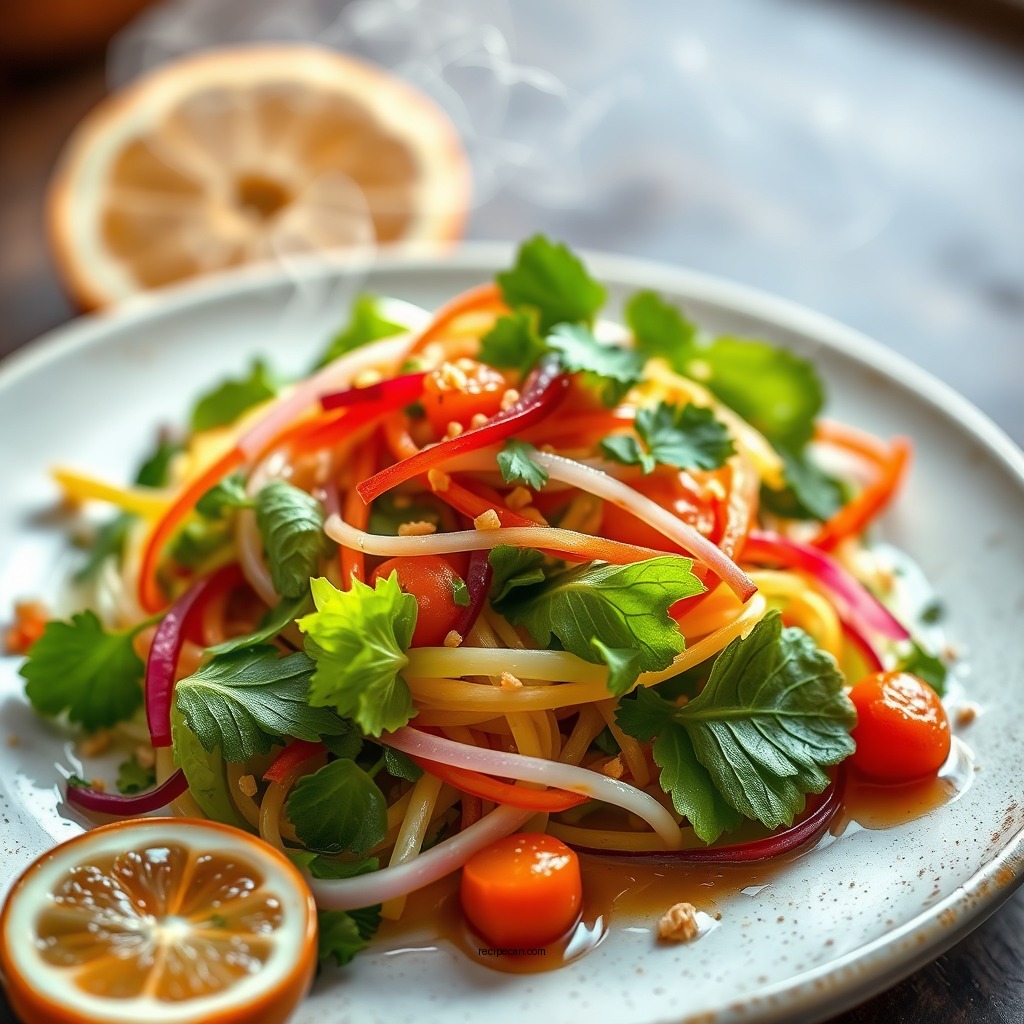
Creating a delightful Vietnamese salad dressing is simple and will elevate your salads with vibrant flavors. This dressing combines the perfect balance of tangy, sweet, and savory elements that make Vietnamese cuisine so refreshing. In this article, you’ll learn how to whip up a delicious dressing that can transform any salad into a culinary experience. With just a few ingredients and straightforward steps, you can enjoy a homemade dressing that enhances not only salads but also a variety of dishes.
Ingredients You’ll Need
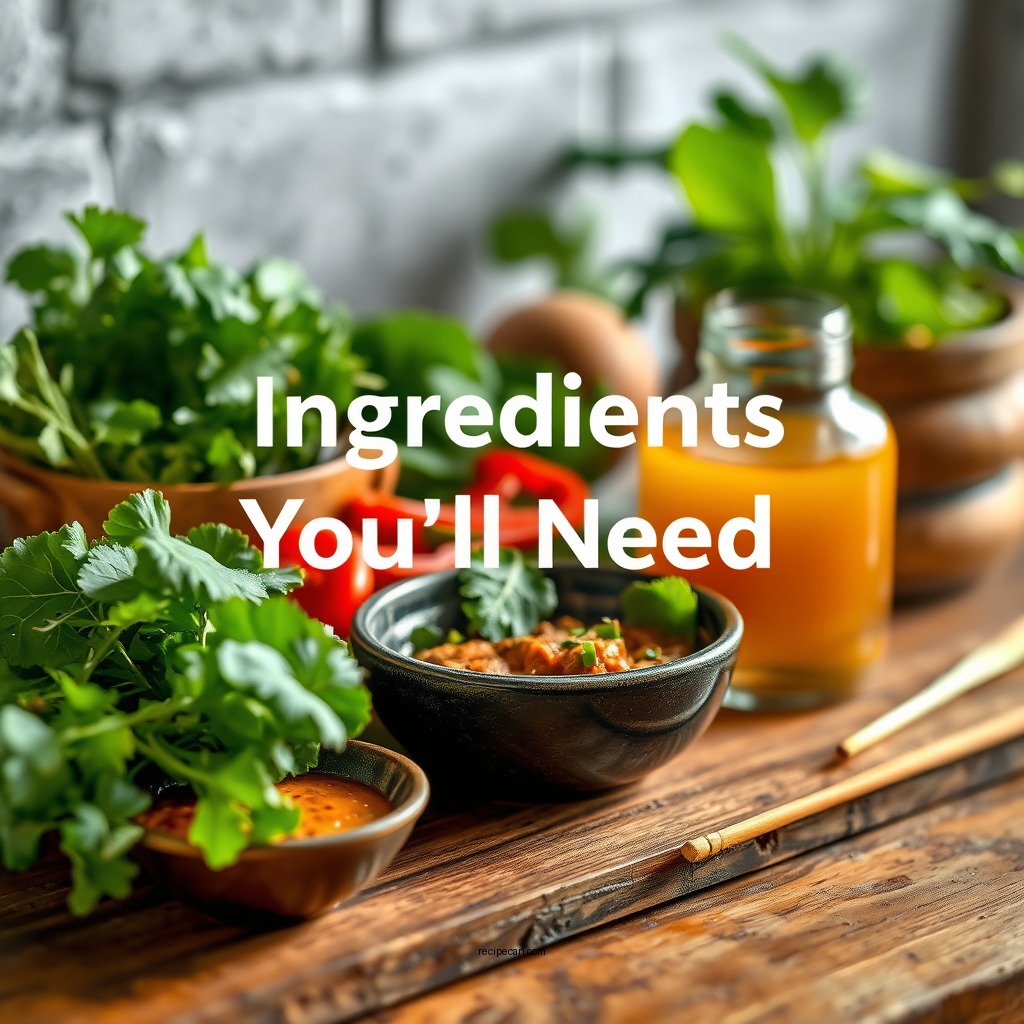
To create the perfect Vietnamese salad dressing, you will need the following key ingredients:
– Fresh Lime Juice: This provides the necessary acidity that brightens up the flavors in the dressing. Lime juice is a quintessential component of Vietnamese cooking and adds a refreshing zing.
– Fish Sauce: Known for its umami flavor, fish sauce is a staple in Vietnamese cuisine. It brings depth and complexity to the dressing, making it savory and satisfying.
– Sugar or Honey: This ingredient balances the acidity and saltiness of the lime juice and fish sauce. Sugar or honey adds a touch of sweetness, creating a well-rounded flavor profile.
These three ingredients form the base of your dressing, but you can certainly enhance it with additional flavors.
Preparation Steps
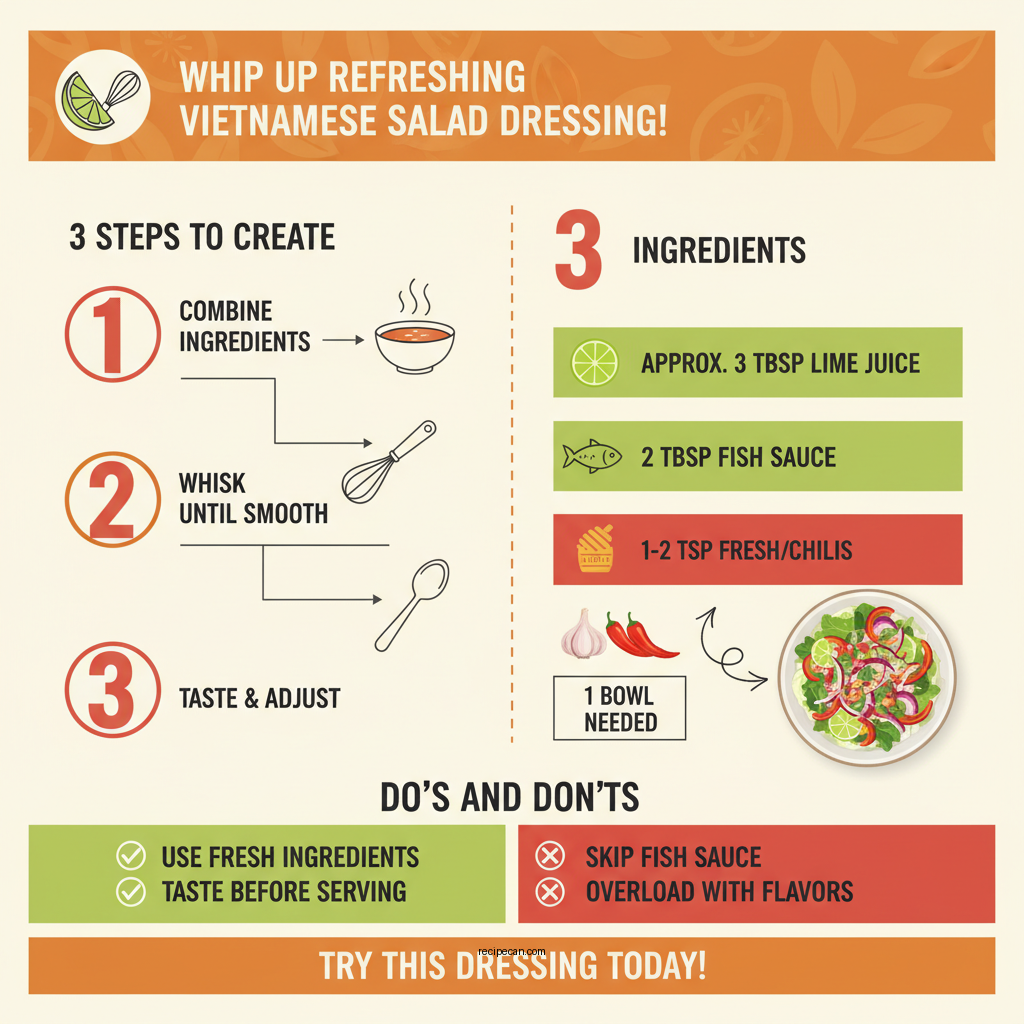
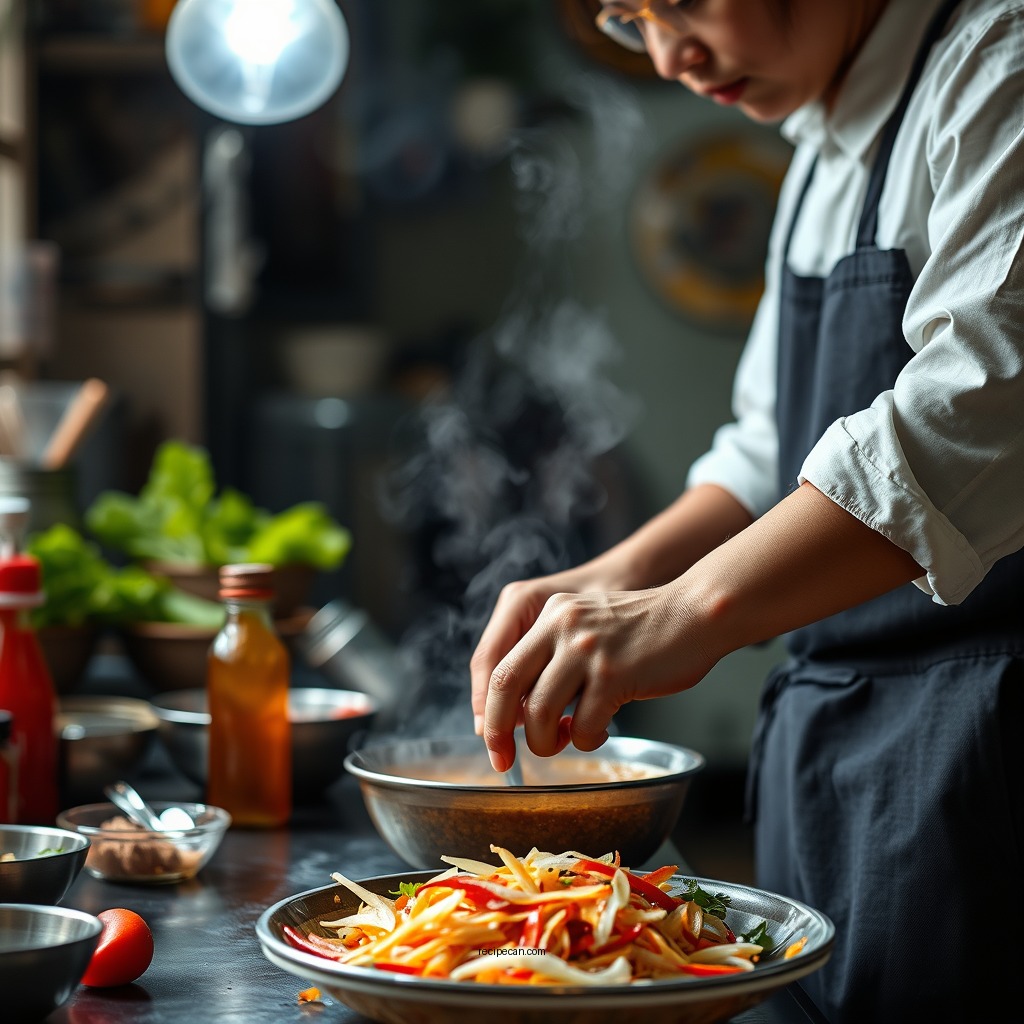
Making your Vietnamese salad dressing is straightforward. Follow these simple steps:
1. Combine Ingredients: In a medium-sized bowl, pour in the fresh lime juice (approximately 3 tablespoons), add 2 tablespoons of fish sauce, and 1 tablespoon of sugar (or honey).
2. Whisk: Using a whisk, mix the ingredients together until the sugar or honey dissolves completely. This ensures that the dressing has a smooth consistency. The mixture should be well blended with no visible granules of sugar remaining.
Once your dressing is prepared, you can taste and adjust the flavors according to your preference. If you prefer a tangier dressing, add more lime juice; for more sweetness, increase the sugar or honey.
Flavor Enhancements
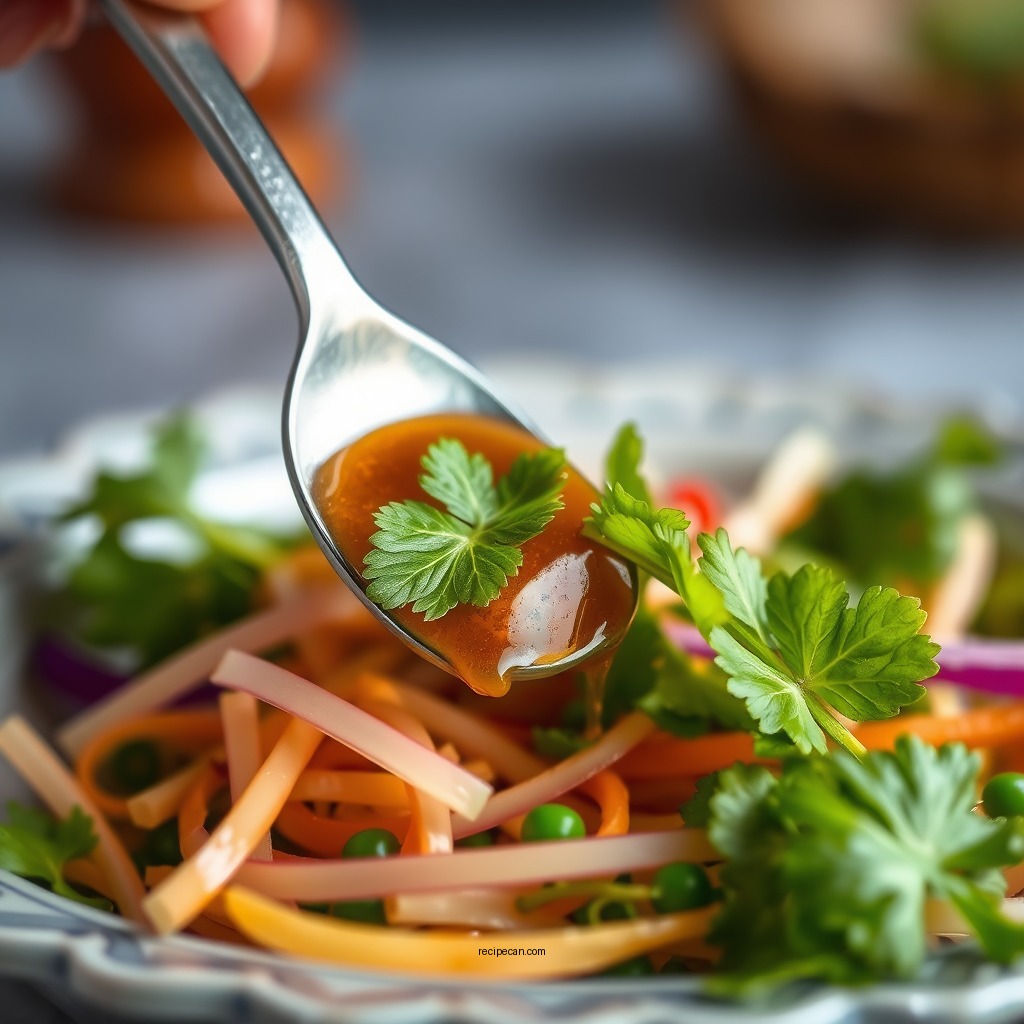
To elevate your dressing further, consider incorporating these additional flavor enhancements:
– Minced Garlic: Adding minced garlic will introduce a robust aroma and depth of flavor to your dressing. A clove or two, finely chopped, will add a delightful kick.
– Chopped Chili: If you enjoy a bit of heat, adding fresh or dried chili will infuse the dressing with spice. This not only enhances the flavor but also adds an exciting visual element.
These enhancements can be tailored to your taste. For instance, if you prefer a milder dressing, you might skip the chili or use a less spicy variety.
Variations of the Dressing
The beauty of this dressing lies in its versatility. Here are some variations that you can try:
– Citrus Swap: Instead of lime, you can substitute lemon juice for a different citrus flavor. Lemon provides a similar acidity but with a slightly different profile, which can be refreshing in its own right.
– Vegetarian Option: For those who follow a vegetarian or vegan diet, substituting fish sauce with soy sauce will create a suitable alternative. Soy sauce still offers a savory depth, making it a great choice for those avoiding seafood.
Experimenting with these variations can lead to discovering your personal favorite version of this dressing.
How to Use the Dressing
This Vietnamese salad dressing is incredibly versatile and can be used in various ways:
– Salad Drizzle: Drizzle the dressing over a mix of greens, herbs, and vegetables. It pairs beautifully with fresh ingredients like lettuce, cucumbers, carrots, and herbs such as mint and cilantro.
– Marinade: Use the dressing as a marinade for grilled meats or tofu. The acid from the lime juice will tenderize proteins while infusing them with flavor, making any grilled dish more delectable.
For a complete meal, consider tossing this dressing with rice noodles and fresh vegetables for a Vietnamese-inspired noodle salad.
Storage Tips
To keep your dressing fresh, follow these storage tips:
– Refrigeration: Store the dressing in an airtight container in the refrigerator to maintain its freshness.
– Shelf Life: For optimal flavor, consume within one week. Over time, the flavors may intensify, but the freshness of the ingredients will diminish.
Always give the dressing a good shake or stir before using it again, as some ingredients may settle.
Serving Suggestions
Here are a few serving suggestions to make the most of your Vietnamese salad dressing:
– Noodle Salads: Pair the dressing with traditional Vietnamese noodle salads, such as bún. This dressing complements the complex flavors of rice noodles and fresh vegetables beautifully.
– Dipping Sauce: Use it as a dipping sauce for fresh vegetables or spring rolls. The tangy, sweet, and savory profile will enhance the flavors of your appetizers.
By following this simple recipe and tips, you can create a delicious Vietnamese salad dressing that adds a burst of flavor to any dish. Experiment with the ingredients to find your perfect balance, and don’t hesitate to share this recipe with friends or incorporate it into your meal prep. Enjoy your culinary adventure with this refreshing dressing!
Top 7 Ingredients for Vietnamese Salad Dressing (2024)
| # | Ingredient | Flavor Profile | Common Usage |
|---|---|---|---|
| 1 | Fresh Lime Juice | Tangy & Bright | Dressing Base |
| 2 | Fish Sauce | Savory & Umami | Dressing & Marinade |
| 3 | Sugar | Sweet | Balancing Flavor |
| 4 | Minced Garlic | Aromatic | Flavor Enhancer |
| 5 | Chopped Chili | Spicy | Flavor Enhancer |
| 6 | Lemon Juice | Citrusy | Dressing Variation |
| 7 | Soy Sauce | Savory | Vegetarian Option |
Flavor Profile Breakdown of Vietnamese Dressing Ingredients
In conclusion, this easy Vietnamese salad dressing recipe not only enhances the flavor of your salads but also serves as a versatile accompaniment to various dishes. By understanding the core ingredients and how to modify them, you can create a dressing that suits your palate perfectly. Enjoy experimenting with this recipe and share it with friends to bring a taste of Vietnam to your dining experience.
Frequently Asked Questions
What are the key ingredients in a Vietnamese salad dressing?
A traditional Vietnamese salad dressing typically includes lime juice, fish sauce, sugar, garlic, and chili. These ingredients create a balance of sour, salty, sweet, and spicy flavors that are essential to Vietnamese cuisine. You can also add fresh herbs like cilantro or mint for an extra layer of flavor.
How do you make a simple Vietnamese salad dressing at home?
To make a simple Vietnamese salad dressing, combine 3 tablespoons of fish sauce, 2 tablespoons of lime juice, 1 tablespoon of sugar, minced garlic to taste, and a chopped chili pepper. Whisk the ingredients together until the sugar dissolves, and adjust the flavors according to your preference for sweetness or acidity. This dressing pairs perfectly with fresh salads or grilled meats.
Why is fish sauce important in Vietnamese salad dressing?
Fish sauce is a crucial component of Vietnamese salad dressing as it imparts a distinct umami flavor that enhances the overall taste of the dish. It provides the salty element that balances out the acidity of lime juice and the sweetness of sugar. Using high-quality fish sauce can significantly elevate the flavor profile of your salad dressing.
What is the best way to store homemade Vietnamese salad dressing?
The best way to store homemade Vietnamese salad dressing is in an airtight container in the refrigerator. It can last up to two weeks, but the flavors may intensify over time. Before using, give it a good shake or stir to re-combine the ingredients, especially if the sugar has settled at the bottom.
Which salads pair well with Vietnamese salad dressing?
Vietnamese salad dressing is versatile and pairs wonderfully with various salads, including green papaya salad, mixed vegetable salads, and even coleslaw. It’s also excellent on noodle salads or as a dipping sauce for fresh spring rolls. The vibrant flavors of the dressing complement fresh vegetables and proteins beautifully, making it a popular choice for many dishes.
References
- Vietnamese cuisine
https://en.wikipedia.org/wiki/Vietnamese_cuisine - https://www.ncbi.nlm.nih.gov/pmc/articles/PMC5638827/
https://www.ncbi.nlm.nih.gov/pmc/articles/PMC5638827/ - https://www.ncbi.nlm.nih.gov/pmc/articles/PMC6931659/
https://www.ncbi.nlm.nih.gov/pmc/articles/PMC6931659/ - https://www.ncbi.nlm.nih.gov/pmc/articles/PMC4202322/
https://www.ncbi.nlm.nih.gov/pmc/articles/PMC4202322/ - https://www.sciencedirect.com/topics/agricultural-and-biological-sciences/vietnamese-salad
https://www.sciencedirect.com/topics/agricultural-and-biological-sciences/vietnamese-salad - https://www.bbc.co.uk/food/recipes/vietnamese_noodle_salad_10318
https://www.bbc.co.uk/food/recipes/vietnamese_noodle_salad_10318 - https://www.theguardian.com/food/2020/jul/24/vietnamese-salad-recipe-northern-style
https://www.theguardian.com/food/2020/jul/24/vietnamese-salad-recipe-northern-style - Google Scholar Google Scholar
https://scholar.google.com/scholar?q=vietnamese+salad+dressing+recipe - Google Scholar Google Scholar
https://scholar.google.com/scholar?q=vietnamese+cuisine+salad+dressing - Google Scholar Google Scholar
https://scholar.google.com/scholar?q=vietnamese+culinary+traditions+salad+recipes