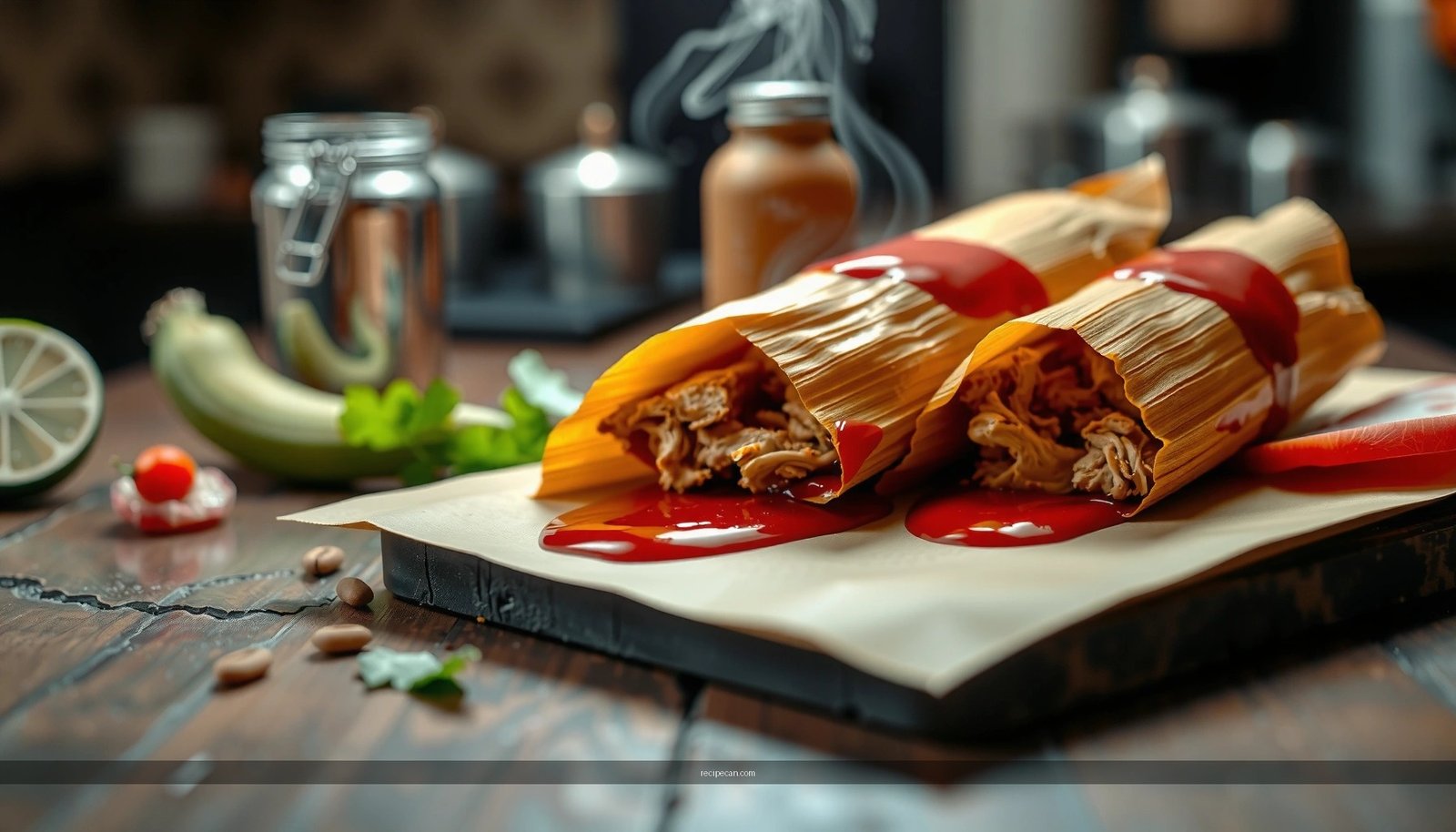
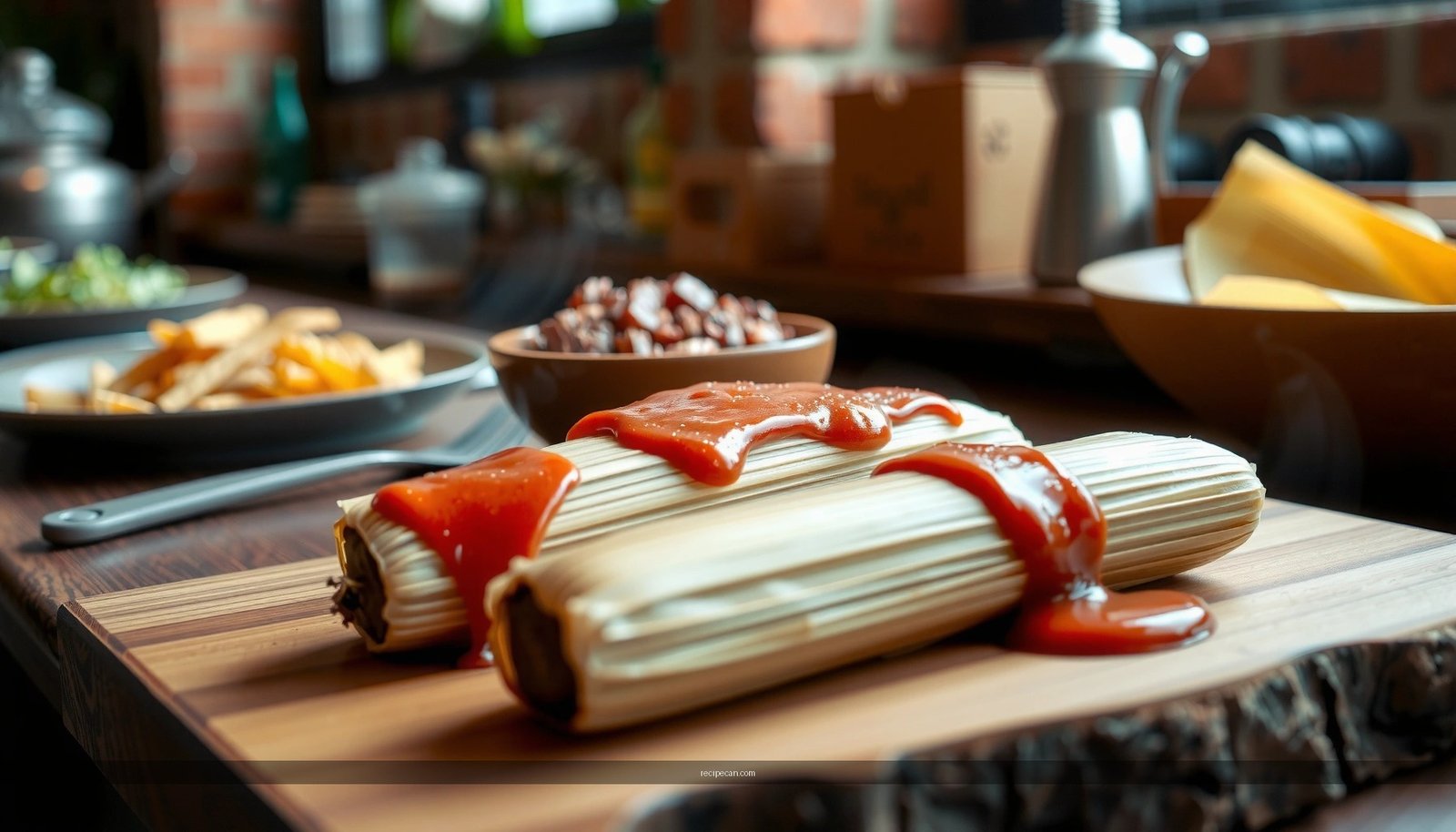
This easy tamales recipe delivers perfectly formed homemade tamales using simple, repeatable steps—no guesswork, no complicated technique. You’ll get the clearest answer to how to prepare flavorful masa, assemble fillings, and steam tamales so they set up right every time. Follow these instructions closely and you’ll produce tamales that taste like they took all day, even when you don’t have all day.
You can make tender, flavorful homemade tamales with a straightforward masa mixture, a few reliable filling options, and steady steaming until the corn husks lift cleanly. This easy tamales recipe breaks the process into clear steps—so your tamales come out well-seasoned, sliceable, and ready to serve without guesswork.
What You’ll Need for This Easy Tamales Recipe
Successful tamales start with the right building blocks: masa harina (corn flour), corn husks, a liquid base (broth or water), and seasoning. For an easy tamales recipe, keep your pantry list simple and focus on ratios and timing rather than complicated techniques.
Gather:
– Masa harina (corn flour) — the base of the tamale masa
– Corn husks — dried husks that hydrate and steam around the filling
– Broth or water — broth adds flavor; water works if you season well
– Seasonings — typically salt, cumin, garlic powder (and optionally chili powder)
Choose a filling (prep ahead for speed):
– Chicken tamales: shredded chicken cooked with onion, garlic, and a mild chili-based sauce
– Pork tamales: braised pork shoulder shredded with chile, cumin, and oregano
– Cheese tamales: firm cheese (like queso fresco-style alternatives or Oaxaca-style cheese) plus a little seasoning
If you’re aiming for “simple steps,” choose fillings you can prepare in parallel. For example, you can braise or slow-cook your protein the day before, then assemble tamales in batches on steaming day.
Tamales: Batch Planning by Masa & Yield (US Units)
| # | Masa Harina Used | Estimated Tamales | Liquids (Broth/Water) | Prep-to-Steam Fit |
|---|---|---|---|---|
| 1 | 1 lb (454 g) | 14–16 | ~2 cups | Good for 2–3 people |
| 2 | 2 lb (907 g) | 28–32 | ~4 cups | Ideal for family gatherings |
| 3 | 3 lb (1.36 kg) | 42–48 | ~6 cups | Best for meal prep |
| 4 | 4 lb (1.81 kg) | 56–64 | ~8 cups | Requires large steamer |
| 5 | 1 kg (about 2.2 lb) | 30–35 | ~4.5 cups | Great for mixed fillings |
| 6 | 500 g (1.1 lb) | 17–20 | ~2.25 cups | Works for a trial batch |
| 7 | 2.5 lb (1.13 kg) | 35–40 | ~5 cups | Balanced for weekend cooking |
Prepare the Corn Husks
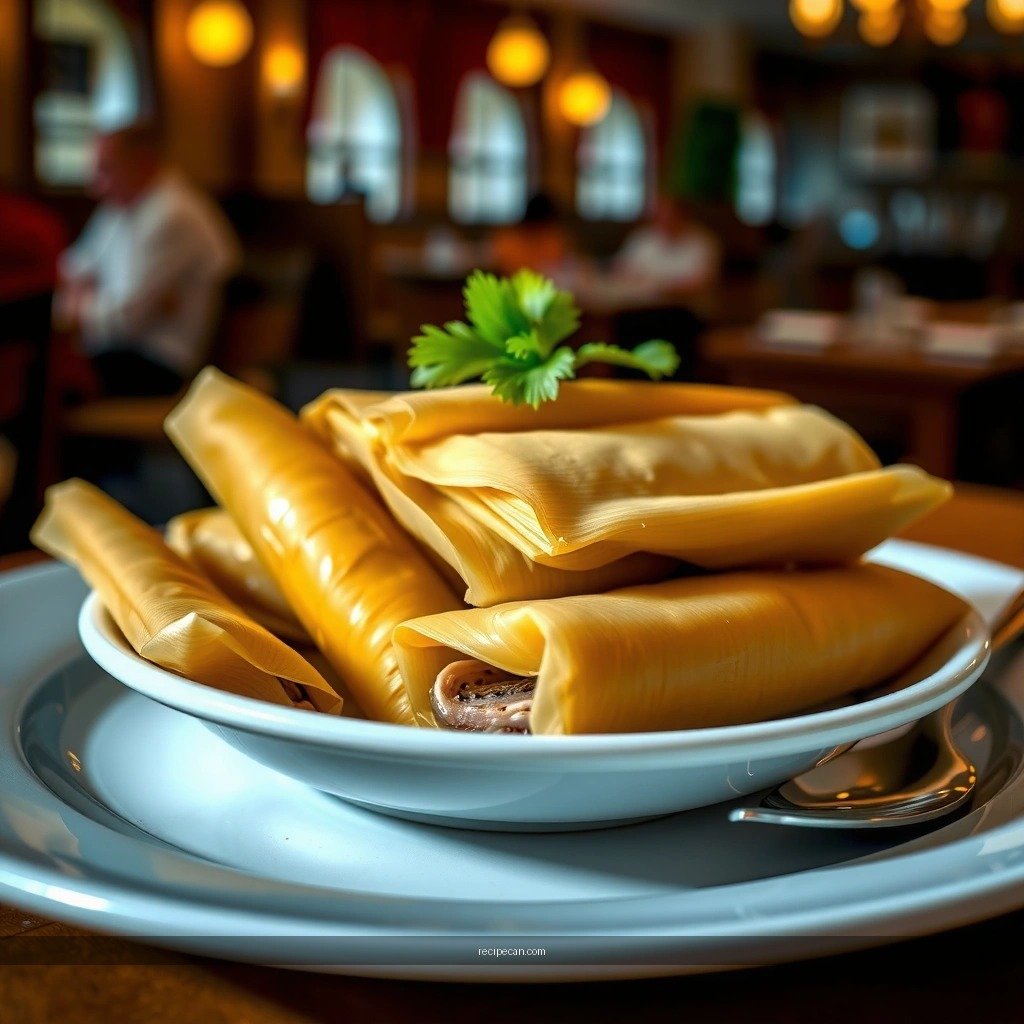
Corn husk preparation is where “easy” becomes “consistent.” If husks are under-soaked, masa can steam unevenly and the husks won’t peel cleanly. If they’re over-soaked or left uncovered, they can dry out or get brittle.
What to do:
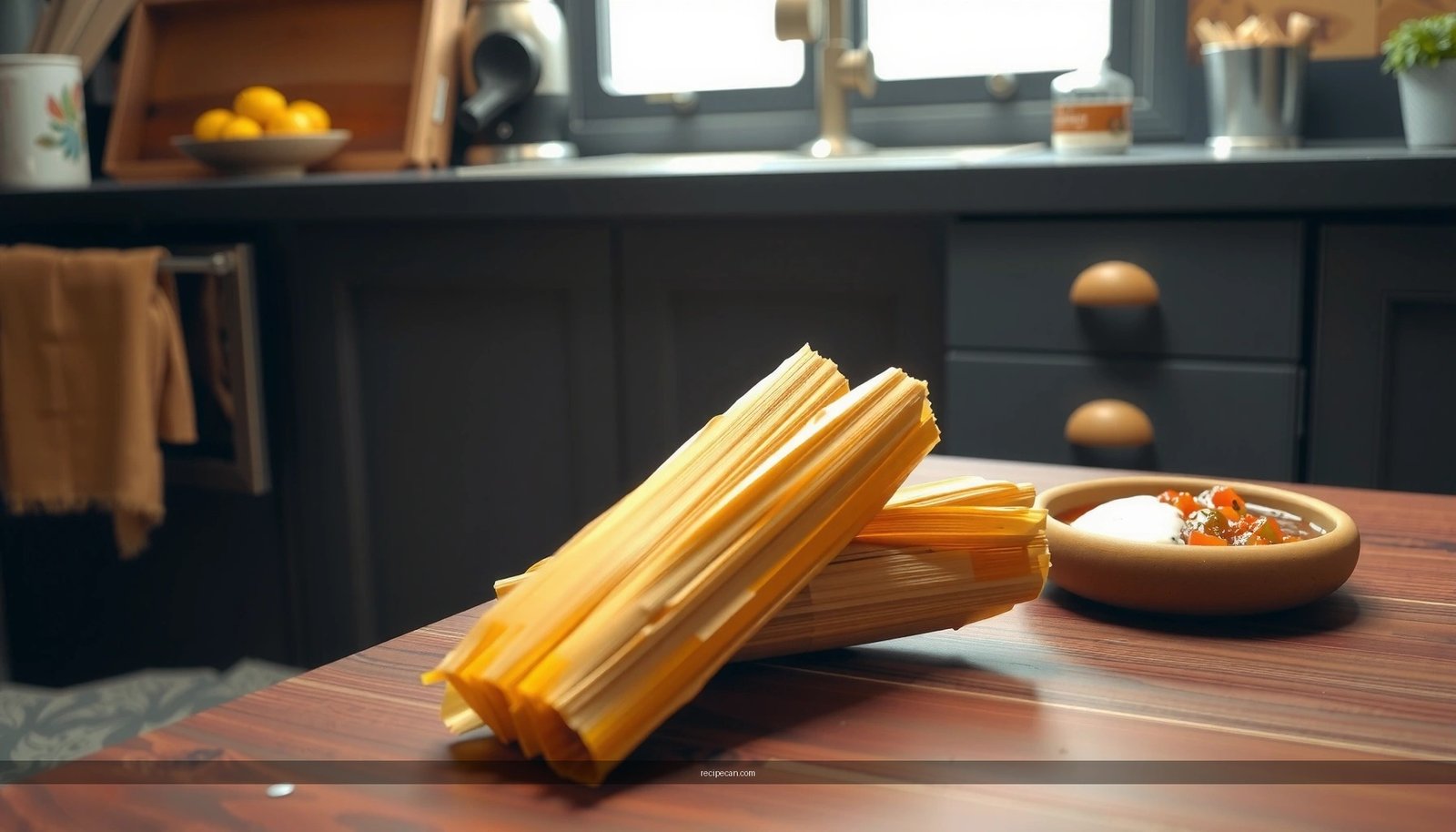
– Soak corn husks in warm water until pliable—typically 30–60 minutes
– Separate and loosen layers after soaking to reduce tearing during assembly
– Keep covered with damp paper towels or the soaking water so they remain flexible
Operational tip: If you plan to assemble slowly, remove only the number of husks you’ll use in the next 20–30 minutes. You’ll reduce breakage and keep everything workable.
Quality indicator: A properly soaked husk should bend without cracking, and the edges should feel soft—not dry or stiff.
Make the Masa (Easy and Flavorful)
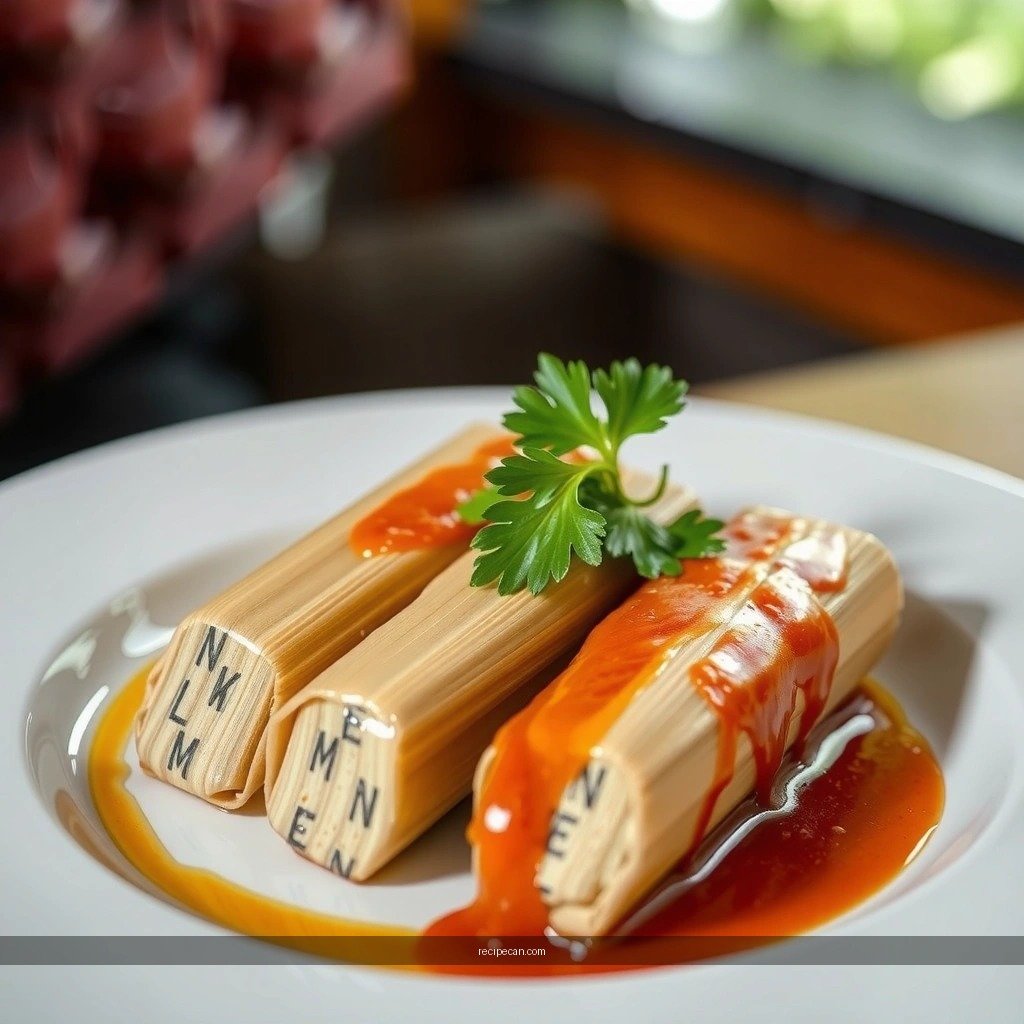
Your masa consistency determines whether your tamales are tender or dense. For a truly simple tamale masa, aim for a spreadable texture—like thick frosting.
Core method (simple and repeatable):
– In a mixing bowl, combine masa harina with broth or water
– Add salt and optional spices (commonly cumin, garlic powder, and chili powder)
– Mix until smooth and fully hydrated—then adjust with small additions of liquid as needed
Consistency test (don’t skip this):
– Dip a spoon: masa should spread easily
– It should not be runny enough to flow like batter
– If it holds peaks too firmly, add 1–2 tablespoons liquid at a time
Why broth matters: Broth distributes flavor throughout the masa, so you don’t need heavy filling seasoning to get a well-balanced bite. For chicken or pork tamales, broth also complements the savory profile.
Professional texture goal: When properly mixed, masa should adhere to the husk but still steam to a light, tender structure rather than turning gummy.
Assemble Your Tamales
Assembly is less about artistry and more about uniformity. If each tamale has a similar thickness of masa and a similar filling portion, steaming becomes predictable and your tamales peel cleanly.
Step-by-step assembly:
– Pat or spread masa onto the softened husk, leaving enough margin to seal
– Place your filling (chicken, pork, or cheese) in the center
– Fold the husk to enclose filling
– Arrange seam-side down in the steamer for even shaping and fewer leaks
Filling strategy for ease:
– Chicken/pork: Use shredded filling that’s not overly watery. Excess liquid can loosen masa or cause separation.
– Cheese: Pair cheese with a small amount of seasoning or sauce so it melts flavorfully rather than turning bland.
Batch efficiency tip: Create an assembly line:
1) Husks laid out
2) Masa scooped
3) Filling portioned
4) Folding secured
This minimizes fatigue and keeps masa from drying out while you work.
Steam the Tamales Until Done
Steaming is where patience pays off. Tamales typically need time for masa to fully set and for flavors to meld without drying out.
Steaming approach (steady and controlled):
– Use a steamer insert or rack and a pot with simmering water
– Steam in batches if your steamer is small—crowding can lead to uneven cooking
– Maintain a steady simmer, not a rolling boil (boiling can cause husk separation and inconsistent texture)
Timing:
– Cook until tamales firm up and husks peel back easily: about 1–2 hours
– Thinner tamales may be closer to 60–75 minutes; thicker or larger ones may need longer
Doneness indicators:
– Masa looks set (no wet, raw spots)
– Tamales feel firm when lifted carefully
– Husks pull back cleanly, with masa releasing without tearing
Quality and safety note: If you’re using meat fillings, ensure the filling is already fully cooked before assembly (braised shredded meats are ideal). The steaming process then concentrates flavors and finishes the masa—not the filling.
Serve and Store Your Tamales
Resting improves texture and makes handling easier. Tamales are hot, but they also continue to set as steam releases, so a short wait helps them “settle” properly.
Serving best practices:
– Let tamales rest briefly (5–10 minutes) before serving
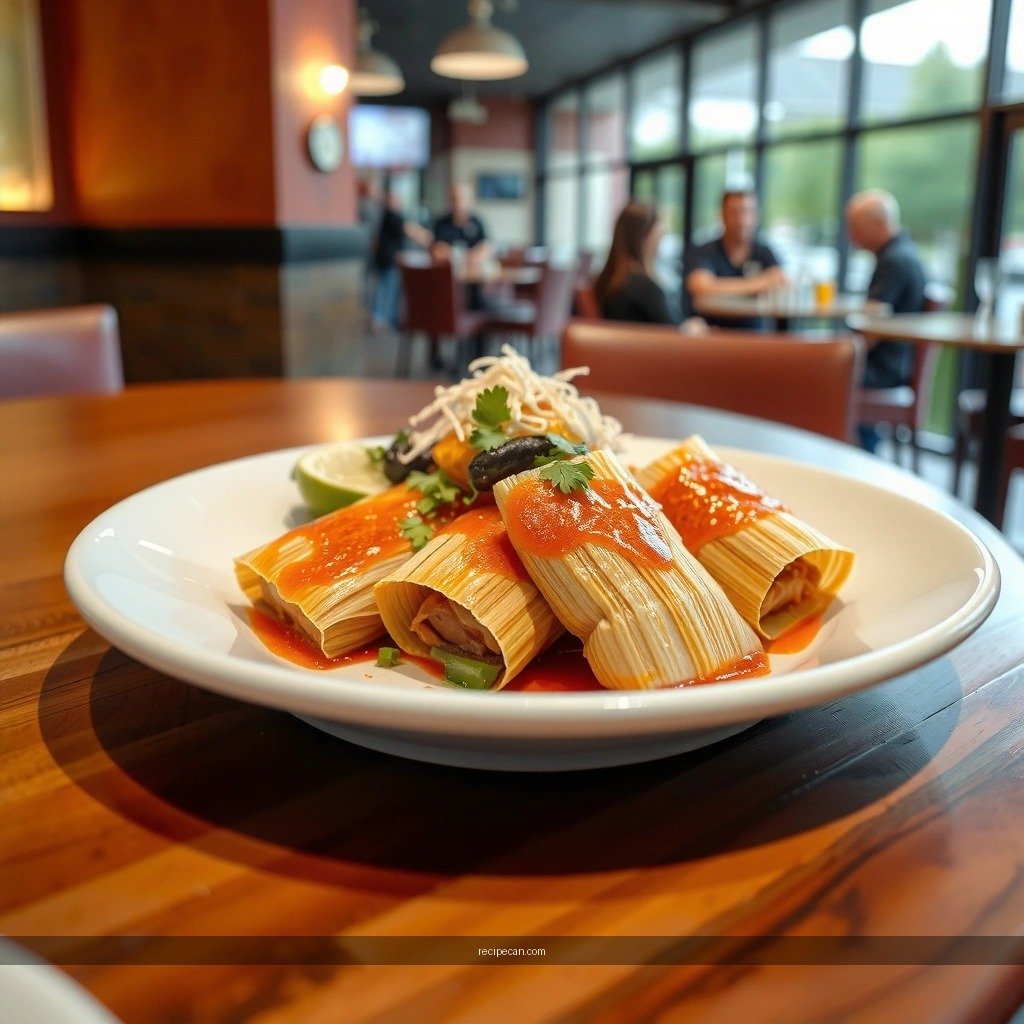
– Serve with classic sides like salsa, crema, chopped onions, cilantro, or a squeeze of lime
– If serving later in the meal, re-steam lightly so they stay moist
Storage and reheating:
– Refrigerate leftovers promptly
– Reheat by steaming for best texture, or microwave with moisture (such as covering with a damp paper towel)
Freezing guidance (for planning ahead):
– Cool tamales fully before freezing
– Wrap individually to prevent freezer burn
– Reheat from thawed or partially thawed using steaming for more consistent results
Practical recommendation: Freeze in meal-size portions. Tamales reheat more evenly when they’re not piled too thickly.
After steaming, these easy tamales should be tender and easy to peel—so you can enjoy them right away or save them for later. Follow the husk prep, masa consistency, and steady steaming time, then make your next batch with your favorite filling. Try it today and share your results!
Making homemade tamales doesn’t need to be complicated. With properly soaked husks, a spreadable masa that holds structure, filling options that are seasoned but not watery, and consistent steaming until the husks lift cleanly, you’ll reliably produce tender, flavorful tamales that taste like real comfort food.
Frequently Asked Questions
What is an easy tamales recipe for beginners?
An easy tamales recipe for beginners usually uses simple ingredients like masa harina, warm broth or water, baking powder, salt, and a straightforward filling such as shredded chicken or pork. Choose a ready-to-use filling, then focus on spreading masa evenly on soaked corn husks and wrapping tightly for consistent steaming. A common beginner-friendly approach is to steam until the masa pulls away slightly from the husk and the filling is hot all the way through.
How do I make tamales with masa that spreads easily?
For easy tamales, use masa harina and gradually add warm broth until the masa is soft and spreadable but not runny. A helpful test is the “float test”: mix until a small piece of masa floats in water, indicating good hydration. Also, keep the masa covered while you work so it doesn’t dry out, and aim for an even layer to prevent uneven steaming.
How long should I steam tamales, and how do I know they’re done?
Most easy tamales recipes require steaming for about 60–90 minutes, depending on tamale size and your steamer’s temperature. Check periodically to ensure water stays at a steady simmer but isn’t boiling dry. Tamales are done when the masa looks set and the wrapper husk peels away easily, and the filling is fully heated.
Why do my tamales turn out dry or tough?
Dry or tough tamales usually come from under-hydrated masa, steaming too long, or letting the masa dry out while assembling. Make sure your masa is properly mixed for a smooth, spreadable texture and that corn husks are soaked long enough to wrap without cracking. Keep a steady steaming pace and avoid lifting the lid too often, which can disrupt cook time and moisture.
Which filling is best for an easy tamales recipe?
The best filling for an easy tamales recipe is one that’s already flavorful and easy to portion, such as shredded chicken in a mild green chile sauce or pork in red chile sauce. If you want the simplest option, use pre-cooked or slow-cooked meat and mix it with salsa verde or red chile to reduce prep time. This helps beginners focus on wrapping and steaming while still getting classic tamale flavor.
References
- Tamale
https://en.wikipedia.org/wiki/Tamal - https://www.britannica.com/food/tamale
https://www.britannica.com/food/tamale - Masa
https://en.wikipedia.org/wiki/Masa_harina - Husk
https://en.wikipedia.org/wiki/Corn_husk - Steaming
https://en.wikipedia.org/wiki/Steaming - Google Scholar Google Scholar
https://scholar.google.com/scholar?q=easy+tamales+recipe - Google Scholar Google Scholar
https://scholar.google.com/scholar?q=tamales+masa+harina+corn+husk+steaming - Google Scholar Google Scholar
https://scholar.google.com/scholar?q=traditional+Mexican+tamales+recipe+corn+dough+filling - https://pubmed.ncbi.nlm.nih.gov/?term=tamales
https://pubmed.ncbi.nlm.nih.gov/?term=tamales - Google Scholar Google Scholar
https://scholar.google.com/scholar?q=tamales+traditional+preparation+nixtamalized+corn+dough