
Making sushi rolls at home is not only enjoyable but also surprisingly easy with the right guidance. This step-by-step guide will help you master the art of sushi rolling, whether you’re just starting out or looking to refine your culinary skills. With a few essential ingredients and techniques, you can create delicious sushi rolls that will impress your friends and family.
Essential Ingredients for Sushi Rolls
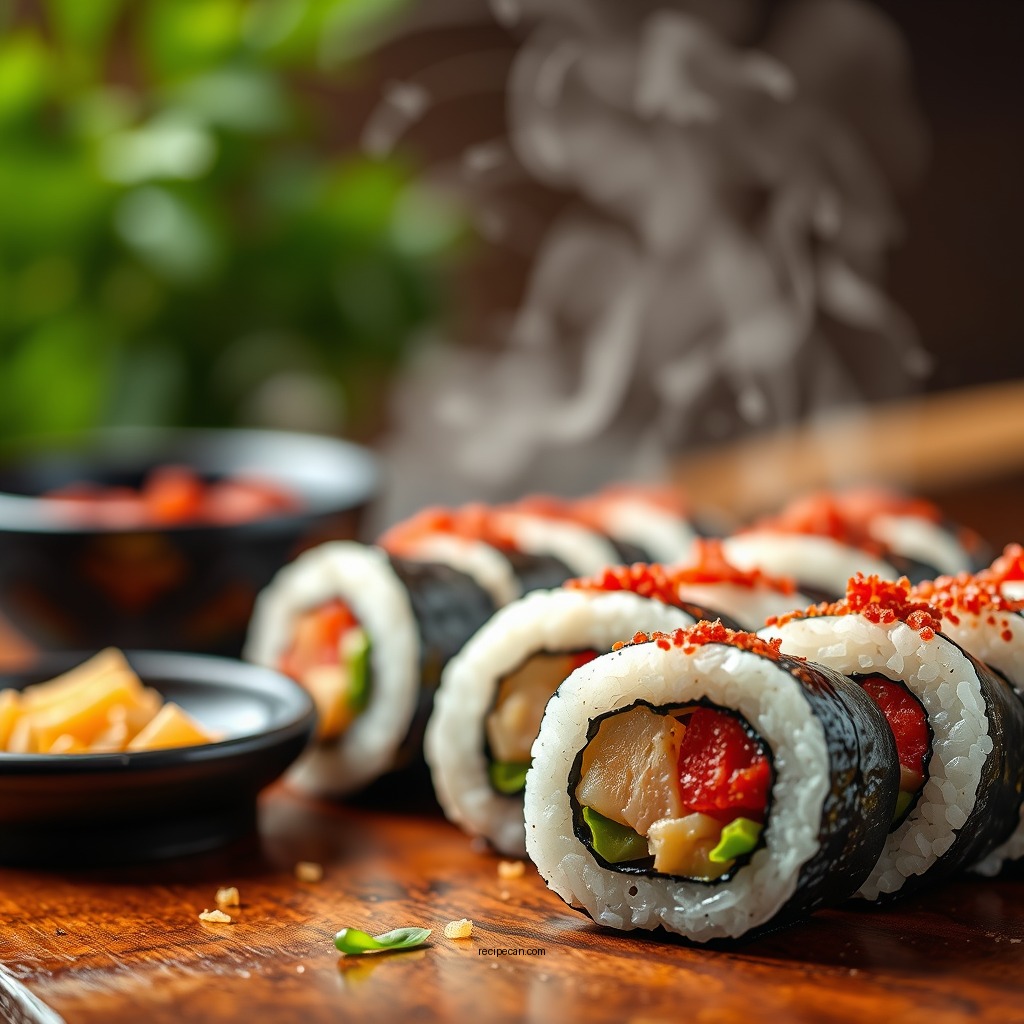
To create perfect sushi rolls, you’ll need a handful of essential ingredients that form the backbone of your sushi-making experience.
– Sushi Rice: The foundation of any sushi roll is sushi rice, which is a short-grain rice known for its sticky texture. This stickiness is critical as it helps the rice hold together when rolling. You can find sushi rice at most grocery stores or Asian markets.
– Nori Sheets: These are thin sheets of seaweed that serve as the outer layer of the sushi roll. Nori not only holds the fillings but also adds a delightful umami flavor. Ensure you choose high-quality nori for the best taste.
– Fillings: The fillings are where you can get creative. Traditional options include fresh fish like tuna and salmon, as well as vegetables like cucumber, avocado, and carrots. You can also experiment with unique fillings such as spicy mayo, tempura shrimp, or pickled vegetables to suit your palate.
Preparing Sushi Rice
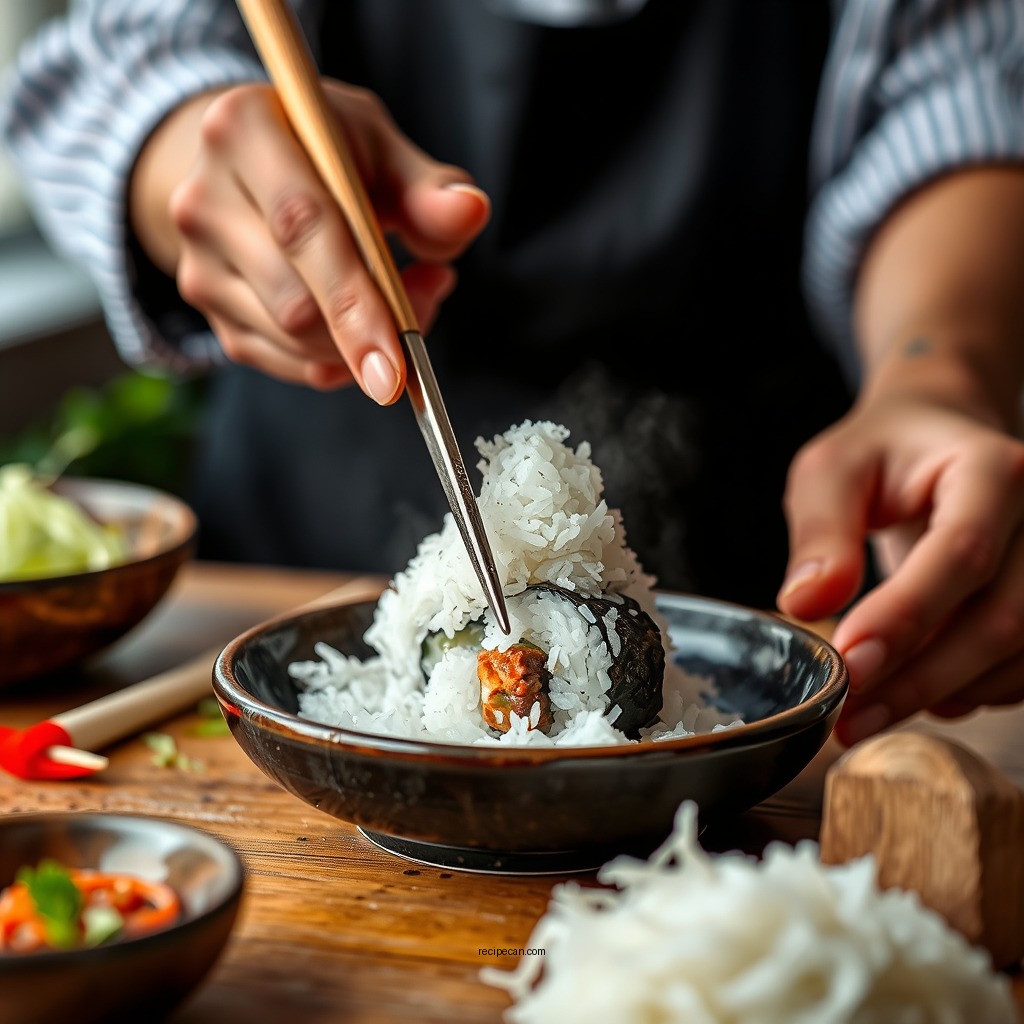
Perfect sushi rice is crucial for a successful sushi roll. Here’s how to prepare it:
– Rinse the Rice: Begin by rinsing the sushi rice under cold water until the water runs clear. This process removes excess starch, ensuring the rice cooks up fluffy and sticky instead of gummy.
– Cook and Season: Cook the rinsed rice according to package instructions, typically using a rice cooker or stovetop method. Once cooked, transfer the rice to a bowl and season with a mixture of rice vinegar, sugar, and salt. This seasoning enhances the flavor and gives the rice that quintessential sushi taste.
Choosing Your Fillings
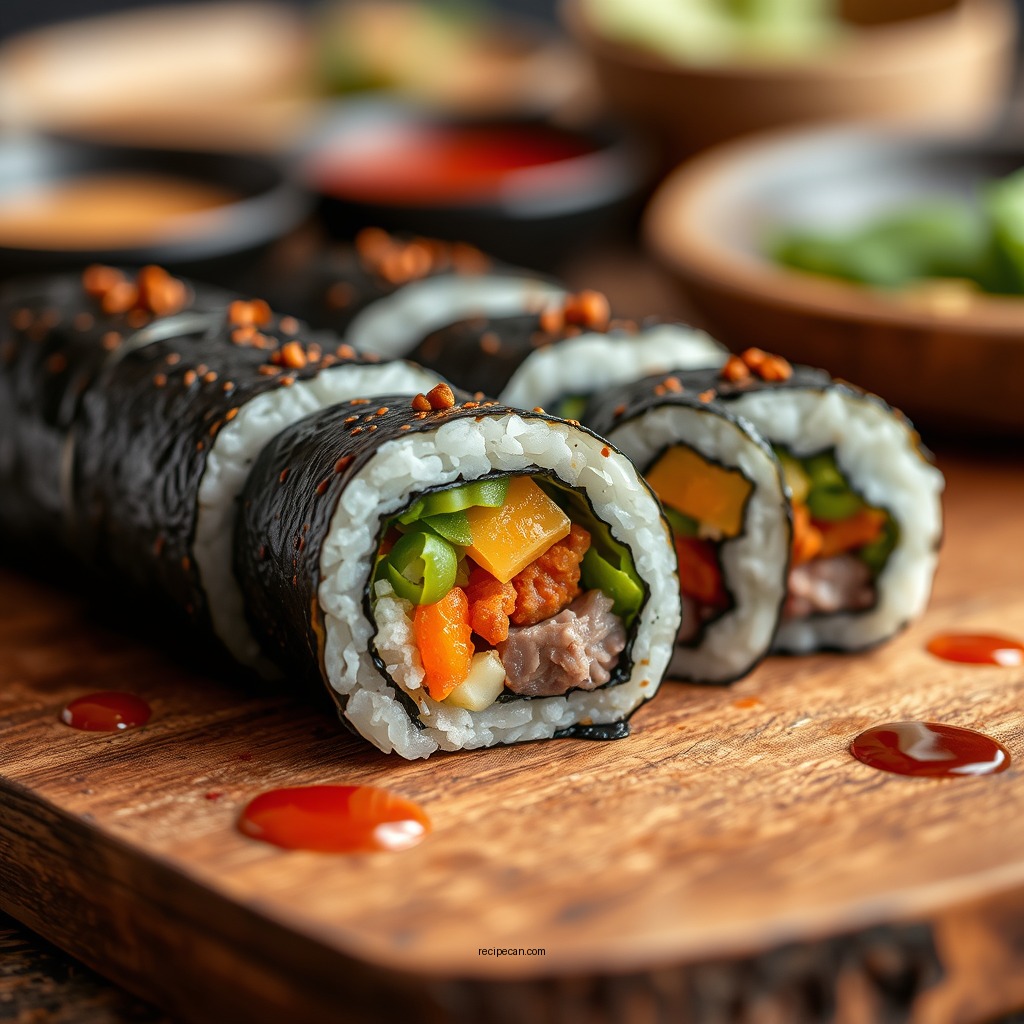
The choice of fillings can significantly impact the flavor and appeal of your sushi rolls. Here are some classic and creative options to consider:
– Traditional Options: Start with classic ingredients such as fresh tuna, salmon, and creamy avocado. These ingredients not only taste great together but also provide a beautiful contrast in texture.
– Creative Choices: For those looking to innovate, consider fillings like cucumber sticks, spicy mayo, tempura shrimp, or even fruits like mango or pineapple. These additions can add unexpected flavor profiles to your sushi rolls.
Popular Sushi Fillings and Their Flavor Profiles
| # | Filling | Taste Profile | Texture |
|---|---|---|---|
| 1 | Tuna | Savory, Rich | Soft, Tender |
| 2 | Salmon | Buttery, Creamy | Soft, Silky |
| 3 | Avocado | Creamy, Mild | Soft, Smooth |
| 4 | Cucumber | Fresh, Light | Crisp, Crunchy |
| 5 | Tempura Shrimp | Savory, Crunchy | Crispy, Tender |
| 6 | Spicy Mayo | Spicy, Creamy | Smooth, Thick |
| 7 | Mango | Sweet, Tropical | Soft, Juicy |
Rolling Techniques
Rolling sushi may seem daunting, but with practice, it becomes a simple and rewarding process.
– Use a Bamboo Mat: A bamboo sushi mat (makisu) is essential for rolling sushi. It helps achieve a tight and uniform roll. Lay a sheet of nori shiny side down on the mat.
– The Rolling Process: Spread an even layer of sushi rice over the nori, leaving about an inch at the top edge. Place your choice of fillings in the center. Begin rolling from the bottom, using the mat to help guide the roll. Apply gentle pressure to keep the roll tight, but be careful not to squish the rice out. Once rolled, press gently to seal the edge.
Sushi Rolling Techniques and Their Popularity
Cutting and Serving
Once your sushi rolls are complete, cutting and serving them properly enhances the overall experience.
– Proper Slicing: Use a sharp knife and dip it in water to ensure clean cuts. This technique prevents the rice from sticking to the blade, resulting in neat, uniform pieces. Aim for slices that are about 1-inch thick for optimal bite-sized portions.
– Presentation Tips: Arrange the sushi rolls on a plate, ideally with garnishes such as wasabi and pickled ginger. These not only complement the flavors but also enhance the visual appeal of your dish. Consider adding a sprinkle of sesame seeds or a drizzle of soy sauce for an added touch.
Common Mistakes to Avoid
When making sushi rolls, there are several common pitfalls to be mindful of:
– Not Using Enough Rice: An even layer of rice is essential for proper rolling. Insufficient rice will make it difficult to hold the fillings and achieve a cohesive roll.
– Overfilling: While it may be tempting to add as many ingredients as possible, overstuffing leads to messy rolls that are hard to cut. Stick to a moderate amount of filling for the best results.
Variations and Customizations
Once you’ve mastered the basics, consider experimenting with different styles and dietary adaptations to suit your preferences:
– Different Styles: Explore various sushi styles, such as inside-out rolls (uramaki), where the rice is on the outside, or hand rolls (temaki), which are cone-shaped and easier to make.
– Dietary Adaptations: For those with dietary restrictions, there are plenty of vegetarian or gluten-free options. Replace fish with tofu or use gluten-free soy sauce to accommodate those needs.
Summarizing the steps to make sushi rolls, anyone can enjoy this fun and rewarding cooking experience. With the right ingredients and some practice, you’ll soon be able to impress friends and family with your homemade sushi. Ready to roll? Grab your ingredients and start creating today!
Frequently Asked Questions
What ingredients do I need for a basic sushi roll recipe?
To make a basic sushi roll, you’ll need sushi rice, nori (seaweed sheets), fresh fish such as salmon or tuna, and vegetables like cucumber and avocado. Additionally, soy sauce, wasabi, and pickled ginger are essential for serving. Be sure to use high-quality, sushi-grade fish for the best flavor and safety.
How do I properly roll sushi at home?
To roll sushi at home, start by placing a sheet of nori on a bamboo mat, shiny side down. Spread a thin layer of sushi rice over the nori, leaving a small border at the top, then add your fillings in a line across the center. Using the mat, carefully roll the sushi away from you, applying gentle pressure to create a tight roll, and seal the edge with a little water.
Why is my sushi roll falling apart?
If your sushi roll is falling apart, it may be due to insufficient moisture in the sushi rice or not rolling it tightly enough. Make sure to use the right amount of water when cooking the rice and allow it to cool properly before assembling. Additionally, practice your rolling technique to ensure the roll holds together better.
What is the best type of rice for sushi rolls?
The best type of rice for sushi rolls is short-grain Japanese rice, often labeled as sushi rice. This rice variety is sticky when cooked, which helps hold the roll together. For optimal results, rinse the rice before cooking to remove excess starch, and season it with rice vinegar, sugar, and salt after cooking.
Which sushi roll recipes are beginner-friendly?
Beginner-friendly sushi roll recipes include the California roll, which features imitation crab, cucumber, and avocado, and the cucumber roll, which is simply cucumber wrapped in rice and nori. These rolls require minimal ingredients and are easy to assemble, making them perfect for those new to sushi making.
References
- Sushi
https://en.wikipedia.org/wiki/Sushi - https://www.ncbi.nlm.nih.gov/pmc/articles/PMC6442112/
https://www.ncbi.nlm.nih.gov/pmc/articles/PMC6442112/ - https://www.mayoclinic.org/healthy-lifestyle/nutrition-and-healthy-eating/in-depth/sushi/art-20045538
https://www.mayoclinic.org/healthy-lifestyle/nutrition-and-healthy-eating/in-depth/sushi/art-20045538 - https://www.cdc.gov/foodsafety/communication/sushi.html
https://www.cdc.gov/foodsafety/communication/sushi.html - https://www.sciencedirect.com/science/article/pii/S235197891630117X
https://www.sciencedirect.com/science/article/pii/S235197891630117X - https://www.bbc.com/food/recipes/sushi_18333
https://www.bbc.com/food/recipes/sushi_18333 - https://www.theguardian.com/lifeandstyle/2017/oct/03/how-to-make-sushi-at-home
https://www.theguardian.com/lifeandstyle/2017/oct/03/how-to-make-sushi-at-home - https://www.nytimes.com/2021/03/03/dining/sushi-recipe.html
https://www.nytimes.com/2021/03/03/dining/sushi-recipe.html - Google Scholar Google Scholar
https://scholar.google.com/scholar?q=sushi+recipe+roll - Google Scholar Google Scholar
https://scholar.google.com/scholar?q=sushi+making+techniques