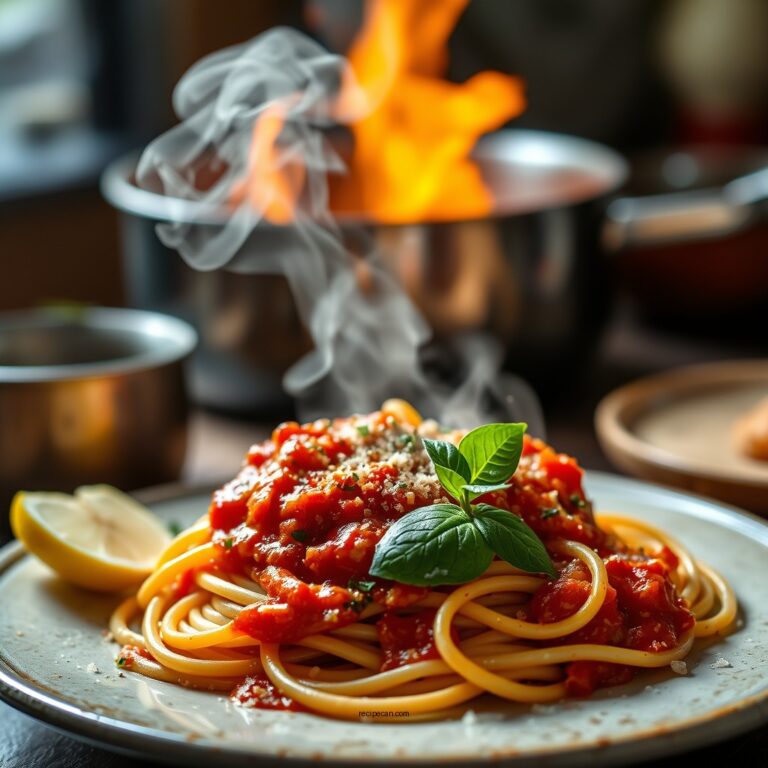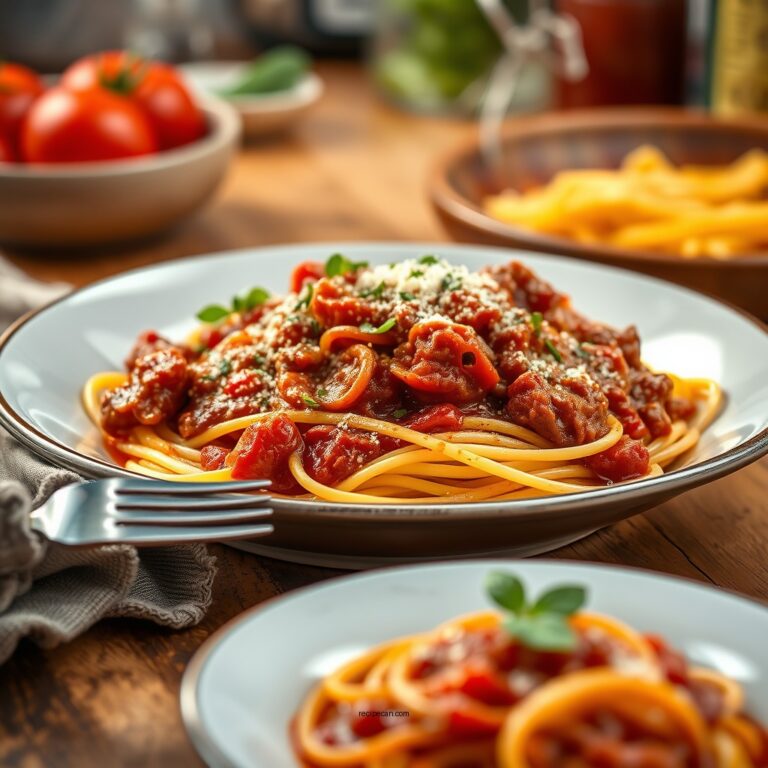
Making a delicious spaghetti sauce is simpler than you might think! In just a few steps, you can create a rich, flavorful sauce that elevates any pasta dish. This recipe combines fresh ingredients with essential spices to bring your spaghetti to life. Whether you’re cooking for a busy weeknight dinner or a weekend gathering, this easy spaghetti sauce will impress your family and friends.
Ingredients You’ll Need
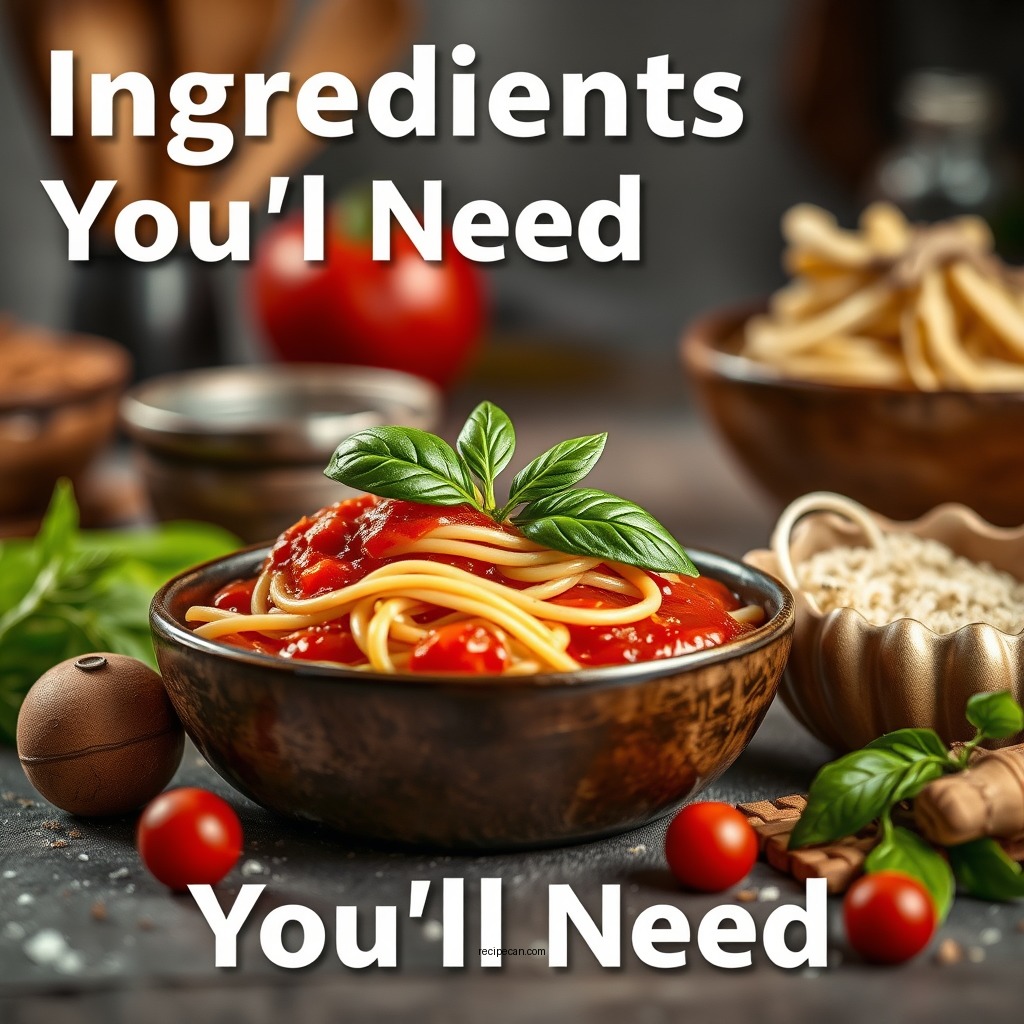
To create a flavorful and authentic spaghetti sauce, you will need the following ingredients:
– Fresh tomatoes or canned tomatoes: Fresh tomatoes provide a vibrant taste, while canned tomatoes offer convenience and consistency. For this recipe, you can use either, but crushed tomatoes often yield the best results for a smooth sauce.
– Garlic, onions, and herbs: These aromatics form the backbone of the sauce, adding depth and complexity. Fresh garlic and onions sautéed together release a delightful aroma and flavor.
– Olive oil: This is essential for sautéing the vegetables and adding richness to the sauce. High-quality extra virgin olive oil will enhance the overall flavor profile.
Preparing the Base
The preparation of the base is crucial for developing the foundational flavors of your spaghetti sauce.
– Sautéing onions and garlic: Begin by heating a generous amount of olive oil in a large saucepan over medium heat. Once hot, add finely chopped onions and sauté until they become translucent and slightly golden, which should take about 5-7 minutes. Next, add minced garlic and continue to sauté for another minute, allowing the garlic to infuse its flavor into the oil.
– Adding chopped tomatoes: After the onions and garlic are perfectly sautéed, it’s time to add your chopped fresh tomatoes or canned tomatoes. If using fresh tomatoes, consider blanching them for easy peeling. Once added, stir the mixture well and bring it to a gentle simmer. Allow the sauce to cook for about 10 minutes, letting the tomatoes break down and release their natural juices.
Adding Flavor and Spices
Once your base is prepared, it’s time to elevate the flavor with herbs and spices.
– Incorporate herbs: Fresh or dried herbs such as basil and oregano are traditional choices for spaghetti sauce. If using fresh herbs, add them towards the end of cooking to preserve their flavor. Dried herbs can be added earlier in the cooking process to allow their flavors to meld into the sauce.
– Seasoning: Don’t forget to season your sauce. Add salt and pepper to taste, and consider adding a pinch of sugar to balance the acidity of the tomatoes. This small addition can significantly enhance the overall flavor of your sauce.
Simmering for Perfection
Simmering is a crucial step in the spaghetti sauce-making process.
– Allow the sauce to simmer: For optimal flavor, let your sauce simmer for at least 30 minutes. This allows the flavors to deepen and develop. If time permits, simmering for up to an hour can yield even richer results.
– Stir occasionally: While simmering, make sure to stir the sauce every 10 minutes or so to prevent it from sticking to the bottom of the pan. Taste the sauce periodically and adjust the seasoning as needed to ensure the perfect balance of flavors.
Top 7 Ingredients for Spaghetti Sauce (2024)
| # | Ingredient | Usage Percentage | Flavor Profile |
|---|---|---|---|
| 1 | Tomatoes | 60% | Sweet, Tangy |
| 2 | Garlic | 15% | Savory, Pungent |
| 3 | Onions | 10% | Sweet, Earthy |
| 4 | Basil | 7% | Herbaceous, Sweet |
| 5 | Oregano | 5% | Warm, Earthy |
| 6 | Olive Oil | 3% | Fruity, Rich |
| 7 | Pepper | 2% | Spicy, Pungent |
Optional Ingredients for Variation
While the basic spaghetti sauce is delicious on its own, you can enhance it with optional ingredients for added complexity.
– Red wine or balsamic vinegar: Adding a splash of red wine during the simmering stage can infuse the sauce with a rich depth of flavor. Alternatively, a splash of balsamic vinegar can provide a hint of sweetness and acidity that complements the sauce beautifully.
– Vegetables: For a nutritious twist, consider adding diced bell peppers, zucchini, or mushrooms. These ingredients not only add nutrients but also enhance the sauce’s texture and flavor. Sauté these vegetables along with the onions and garlic at the start for a well-rounded sauce.
Serving Suggestions
Once your spaghetti sauce is ready, it’s time to serve and enjoy!
– Pairing with pasta: This sauce is perfect with your favorite pasta, whether it’s spaghetti, penne, or fettuccine. Cook the pasta al dente according to package instructions, then toss it in the sauce just before serving.
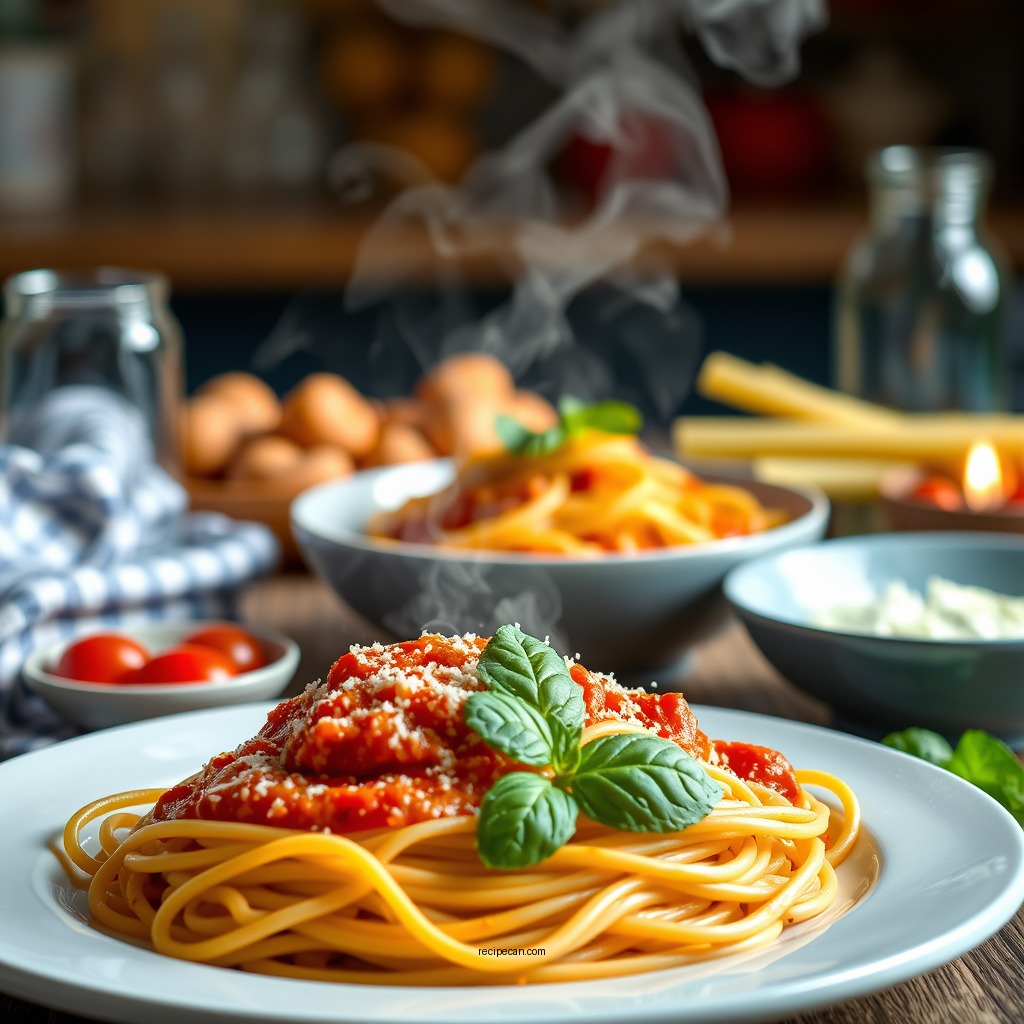
– Presentation: To elevate your dish, garnish with freshly grated Parmesan cheese and a sprinkle of chopped basil. This will not only enhance the flavor but also provide an appealing visual contrast.
Top 5 Types of Pasta for Spaghetti Sauce (2024)
Wrapping up the process, you’ll find that making your own spaghetti sauce not only enhances your meals but also brings a sense of accomplishment. The joy of cooking with fresh ingredients and creating a dish that reflects your personal touch is unmatched. Try out this easy recipe for a delectable homemade sauce, and don’t forget to share your culinary creations with friends and family!
Frequently Asked Questions
What are the key ingredients for a classic spaghetti sauce recipe?
A classic spaghetti sauce typically includes ripe tomatoes (fresh or canned), olive oil, garlic, onions, and a blend of herbs such as basil and oregano. For added depth, many recipes also incorporate ground meat, red wine, or vegetables like bell peppers and mushrooms. These ingredients combine to create a rich and flavorful sauce that enhances the taste of spaghetti.
How do I make spaghetti sauce from scratch?
To make spaghetti sauce from scratch, start by sautéing finely chopped onions and garlic in olive oil until they are translucent. Then, add crushed tomatoes, salt, pepper, and your choice of herbs, allowing the mixture to simmer for at least 30 minutes to develop flavor. For a thicker sauce, let it simmer longer, stirring occasionally, and feel free to adjust the seasoning to suit your taste.
Why does my spaghetti sauce taste bland, and how can I improve it?
A bland spaghetti sauce often stems from insufficient seasoning or cooking time. To enhance the flavor, try adding a pinch of salt, fresh herbs, or a splash of balsamic vinegar. Simmering the sauce longer allows the flavors to meld, while incorporating ingredients like red pepper flakes or Parmesan cheese can add depth and richness.
What is the best type of tomato to use for spaghetti sauce?
The best type of tomato for spaghetti sauce is San Marzano tomatoes, known for their sweetness and low acidity, making them ideal for a rich sauce. If fresh tomatoes are preferred, look for plum tomatoes like Roma, as they have fewer seeds and thicker flesh. Canned whole tomatoes are also an excellent option for convenience and flavor.
Which herbs and spices work best in spaghetti sauce?
The most popular herbs for spaghetti sauce include fresh basil, oregano, and thyme, which add aromatic depth. For a bit of heat, consider adding red pepper flakes, while bay leaves can enhance the overall flavor profile. Experimenting with these herbs can help create a personalized sauce that complements your spaghetti perfectly.
References
- Spaghetti
https://en.wikipedia.org/wiki/Spaghetti - https://www.bbc.co.uk/food/recipes/spaghetti_bolognese_41338
https://www.bbc.co.uk/food/recipes/spaghetti_bolognese_41338 - NYT Cooking – Recipes and Cooking Guides From The New York Times
https://www.nytimes.com/recipes/1019834/basic-tomato-sauce - https://www.sciencedirect.com/topics/food-science/spaghetti-sauce
https://www.sciencedirect.com/topics/food-science/spaghetti-sauce - https://www.verywellfit.com/spaghetti-sauce-nutrition-facts-4690478
https://www.verywellfit.com/spaghetti-sauce-nutrition-facts-4690478 - https://www.britannica.com/topic/spaghetti-sauce
https://www.britannica.com/topic/spaghetti-sauce - Google Scholar Google Scholar
https://scholar.google.com/scholar?q=spaghetti+sauce+recipe - https://scholar.google.com/scholar?q=spaghetti+sauce+nutrition Google Scholar
https://scholar.google.com/scholar?q=spaghetti+sauce+nutrition - Google Scholar Google Scholar
https://scholar.google.com/scholar?q=spaghetti+sauce+cooking+techniques - https://www.ncbi.nlm.nih.gov/pmc/articles/PMC6840665/
https://www.ncbi.nlm.nih.gov/pmc/articles/PMC6840665/