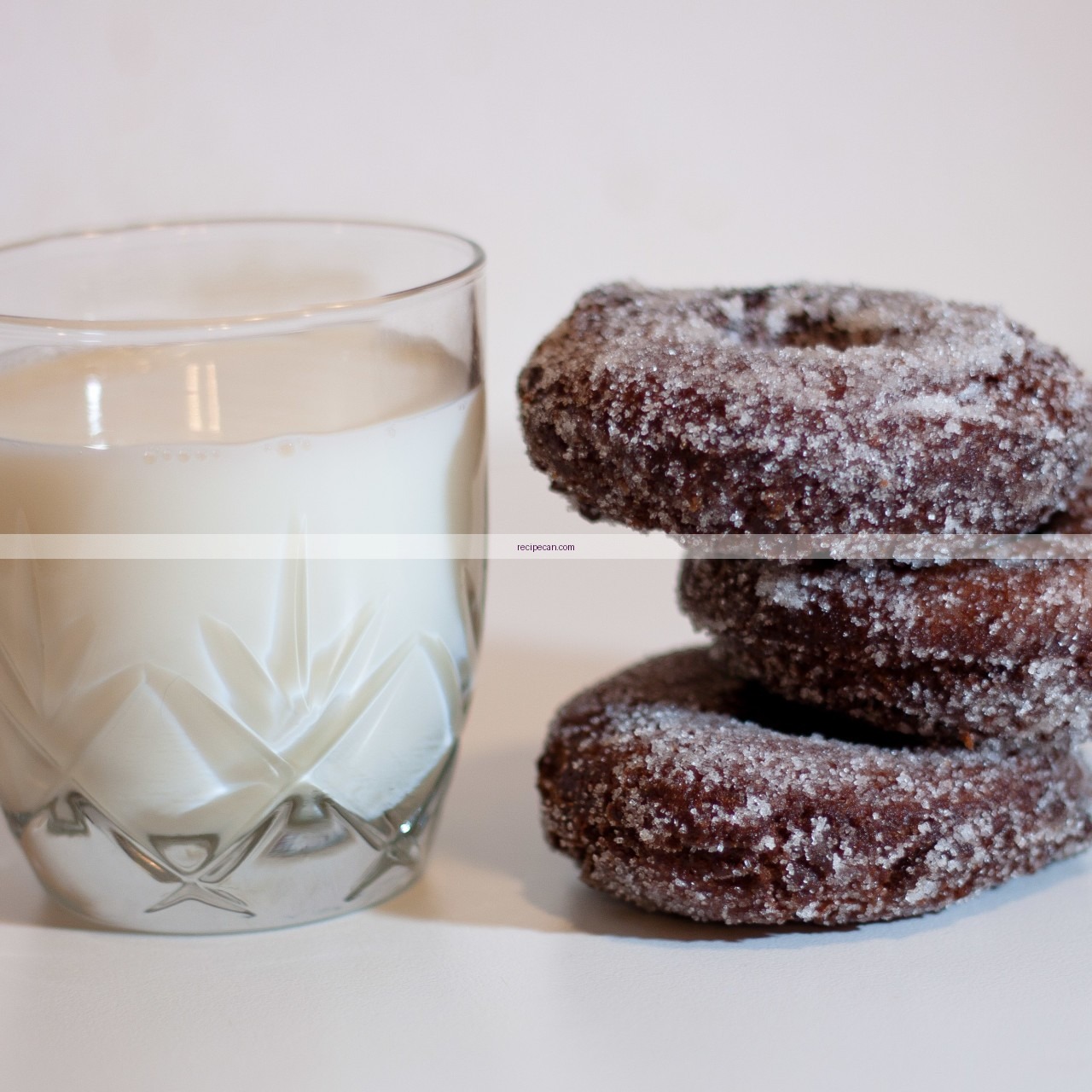
Making raised donuts at home is simpler than you might think! With the right ingredients and a few straightforward steps, you can enjoy fluffy, delicious donuts that rival those from your favorite bakery. This article will guide you through a foolproof recipe, along with tips for perfecting your raised donuts. Whether you’re an experienced baker or a novice, this recipe will help you create delightful treats that are sure to impress.
Ingredients You’ll Need

To create the perfect raised donuts, you’ll need a few essential ingredients. Each of these plays a crucial role in achieving the desired texture and flavor:
– All-purpose flour: This is the base of your donut dough, providing the structure necessary for the donuts to hold their shape.
– Yeast: Essential for that light, airy texture characteristic of raised donuts, yeast ferments the dough and causes it to rise.
– Sugar: Adds sweetness to the donuts and provides food for the yeast, helping it activate and create the perfect rise.
In addition to these core ingredients, you may want to include milk, eggs, and butter for a richer, more flavorful dough. These additions contribute to the overall taste and texture of the donuts, making them irresistibly delicious.
Preparing the Dough

The key to great raised donuts is in the dough preparation. Follow these steps for a successful batch:
– Combine dry ingredients: In a large mixing bowl, whisk together the all-purpose flour, sugar, and yeast. Ensure that the yeast is evenly distributed within the flour to promote uniform rising.
– Add wet ingredients: Warm the milk slightly and combine it with eggs and melted butter. Gradually add this mixture to the dry ingredients, stirring until a shaggy dough forms. The warmth of the milk helps activate the yeast, leading to a better rise.
– Knead the dough: Transfer the dough to a floured surface and knead for about 5-10 minutes. This process develops the gluten in the flour, giving the donuts their characteristic chewy texture. When finished, the dough should be smooth and elastic.
Rising and Shaping
Once your dough is prepared, it’s time to let it rise and shape your donuts:
– First rise: Place the kneaded dough in a greased bowl, cover it with a clean kitchen towel, and let it rest in a warm, draft-free area until it doubles in size. This typically takes about an hour.
– Punch down: After the dough has risen, gently deflate it by pressing down on it with your fist. This process redistributes the yeast cells, preparing the dough for shaping.
– Cut out donuts: Roll the dough out to about 1/2 inch thick on a floured surface. Use a donut cutter or two round cutters (one larger for the outer ring and one smaller for the center) to cut out the classic donut shape. Place the cutouts on a floured baking sheet and allow them to rest for another 30-45 minutes to rise again.
Frying the Donuts
Frying is where the magic happens, transforming your dough into delicious raised donuts:
– Heat oil: Use a deep fryer or a heavy pan filled with at least 2 inches of oil. Heat the oil to 350°F (175°C), which is the optimal temperature for frying donuts.
– Test the temperature: To ensure the oil is hot enough, drop a small piece of dough into the oil; it should sizzle and rise to the surface. If it browns too quickly, the oil is too hot; if it doesn’t rise, the oil needs to be hotter.
– Fry in batches: Carefully place a few donuts at a time into the hot oil, avoiding overcrowding. Fry each side for about 1-2 minutes or until golden brown. Use a slotted spoon to remove the donuts and place them on paper towels to drain excess oil.
Glazing and Toppings
Once your donuts are fried to perfection, it’s time to add some finishing touches:
– Prepare the glaze: For a simple glaze, mix powdered sugar with a bit of milk or water until smooth. Adjust the consistency to your liking; add more liquid for a thinner glaze or more sugar for a thicker one.
– Customize toppings: Consider additional toppings like sprinkles, cinnamon sugar, or melted chocolate. These extras can elevate the flavor and presentation of your donuts.
– Dip and decorate: While the donuts are still warm, dip them into the glaze, ensuring an even coating. For added texture, sprinkle your desired toppings immediately after glazing.
Storing and Serving
To enjoy your raised donuts over the following days, proper storage is essential:
– Store properly: Keep any leftover donuts in an airtight container at room temperature. This will help maintain their freshness for up to two days. If you want to keep them longer, consider freezing them.
– Reheat tips: When you’re ready to enjoy a donut, warm it in the microwave for a few seconds to regain that fresh taste. Alternatively, you can reheat in an oven at a low temperature.
– Serve with coffee: Pairing your donuts with coffee or tea enhances the experience, making for a delightful breakfast or afternoon snack.
You can enjoy making these delightful raised donuts right at home! With a little practice and the steps outlined above, you’ll impress your friends and family with homemade treats. Don’t forget to share your creations and variations on social media!
Top 7 Donut Recipes by Popularity (2024)
| # | Donut Type | Ingredients | Prep Time | Popularity Rating |
|---|---|---|---|---|
| 1 | Classic Glazed | Flour, Yeast, Sugar | 2 hours | ★★★★☆ |
| 2 | Chocolate Frosted | Chocolate, Cream, Sugar | 2 hours | ★★★★★ |
| 3 | Maple Bar | Maple Syrup, Sugar | 2.5 hours | ★★★★☆ |
| 4 | Jelly-Filled | Jelly, Flour, Sugar | 2 hours | ★★★★☆ |
| 5 | Cinnamon Sugar | Cinnamon, Sugar, Flour | 1.5 hours | ★★★★☆ |
| 6 | Powdered Sugar | Flour, Sugar, Cream | 2 hours | ★★★★☆ |
| 7 | Old-Fashioned | Flour, Yeast, Sugar | 2 hours | ★★★★☆ |
Most Popular Donut Toppings (2024)
In conclusion, making raised donuts at home is an enjoyable and rewarding experience. With just a few simple ingredients and steps, you can create delicious treats that will impress everyone. By following the outlined recipe and tips, you can achieve bakery-quality donuts that are perfect for any occasion. So roll up your sleeves, gather your ingredients, and start your donut-making adventure today!
Frequently Asked Questions
What ingredients do I need for a raised donuts recipe?
To make raised donuts, you will typically need all-purpose flour, sugar, yeast, milk, eggs, butter, and salt. These ingredients work together to create a soft, fluffy texture that is characteristic of raised donuts. Using fresh yeast and high-quality ingredients will enhance the flavor and rise of your donuts.
How do I ensure my raised donuts rise properly?
To ensure your raised donuts rise properly, it’s important to activate the yeast correctly by using warm milk (around 110°F) and allowing it to sit until frothy. Additionally, let the dough rise in a warm, draft-free environment until it has doubled in size, which usually takes about 1 to 2 hours. Patience is key, as under-proofed dough will lead to dense donuts.
Why are my raised donuts dense instead of fluffy?
Dense raised donuts can result from several factors, including using too much flour, not allowing the dough to rise sufficiently, or using expired yeast. It’s crucial to measure your flour accurately and to ensure the yeast is active before mixing it into your dough. Additionally, proper kneading and adequate resting time are essential for achieving that light and airy texture.
What is the best way to fry raised donuts?
The best way to fry raised donuts is to use a deep fryer or a heavy-bottomed pot with vegetable oil heated to around 350°F to 375°F. Fry the donuts in batches to avoid overcrowding, which can lower the oil temperature and result in soggy donuts. Make sure to drain the donuts on paper towels immediately after frying to remove excess oil.
Which toppings are ideal for raised donuts?
Ideal toppings for raised donuts include classic options like powdered sugar, glaze, or chocolate icing, as well as more adventurous choices like sprinkles, nuts, or coconut flakes. For a gourmet twist, consider fillings such as custard, jelly, or cream. Experimenting with flavors and textures can enhance your raised donuts and make them even more enjoyable.
References
- Doughnut
https://en.wikipedia.org/wiki/Donut - https://www.nytimes.com/2020/05/20/dining/doughnut-recipe.html
https://www.nytimes.com/2020/05/20/dining/doughnut-recipe.html - https://www.sciencedirect.com/topics/food-science/doughnut
https://www.sciencedirect.com/topics/food-science/doughnut - Diversified Farming and Food Systems Team
https://www.purdue.edu/dffs/foodscience/publications/foodscience.html - Google Scholar Google Scholar
https://scholar.google.com/scholar?q=raised+donuts+recipe - Google Scholar Google Scholar
https://scholar.google.com/scholar?q=doughnut+preparation+methods - Google Scholar Google Scholar
https://scholar.google.com/scholar?q=doughnut+history - Doughnut | Definition, History, Types, & Origins | Britannica
https://www.britannica.com/topic/doughnut - https://www.ncbi.nlm.nih.gov/pmc/articles/PMC7281280/
https://www.ncbi.nlm.nih.gov/pmc/articles/PMC7281280/ - raised donuts recipe – Search results
https://en.wikipedia.org/wiki/Special:Search?search=raised+donuts+recipe