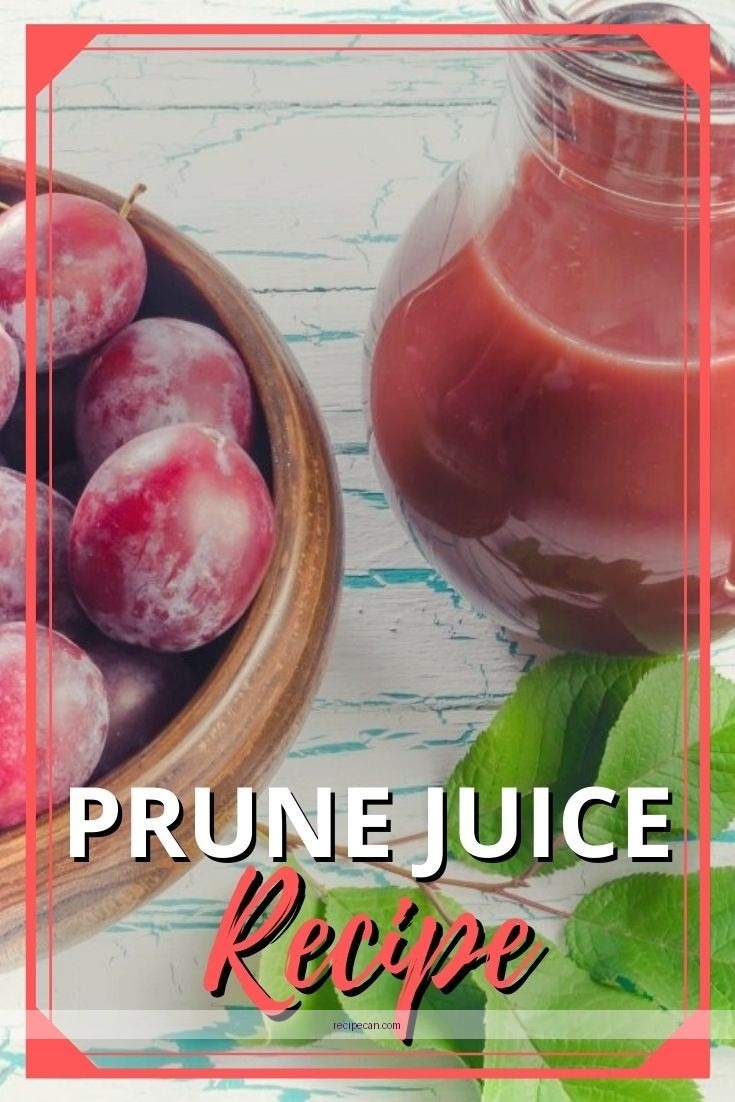
This easy prune juice recipe offers a delicious and effective way to boost your health, especially for improving digestion. Packed with nutrients and natural sweetness, it stands out as the best choice for those seeking a quick remedy for constipation. Follow these simple steps to create a revitalizing drink that not only tastes great but also enhances your well-being.
Making your own prune juice at home is an effortless process that offers a wealth of health benefits. By using just a handful of ingredients and following a few straightforward steps, you can create a delicious, nutrient-dense beverage that not only aids digestion but also provides a natural energy lift. This article will guide you through the process of making your own prune juice, complete with tips to enhance its flavor and maximize its health benefits.
Recipe Overview

Prune juice is a naturally sweet, thick drink made from dried plums, renowned for their high fiber content and natural laxative properties. This homemade version is fresher and devoid of the additives often found in commercial juices. Perfect for those looking to improve their digestive health or simply enjoy a flavorful drink, this recipe yields about 4 servings and is simple enough for kitchen novices to master.
Time Required
– 🕐 Prep Time : 5 minutes
– 🍳 Cook Time : 15 minutes
– ⏱ Total Time : 20 minutes
Ingredients
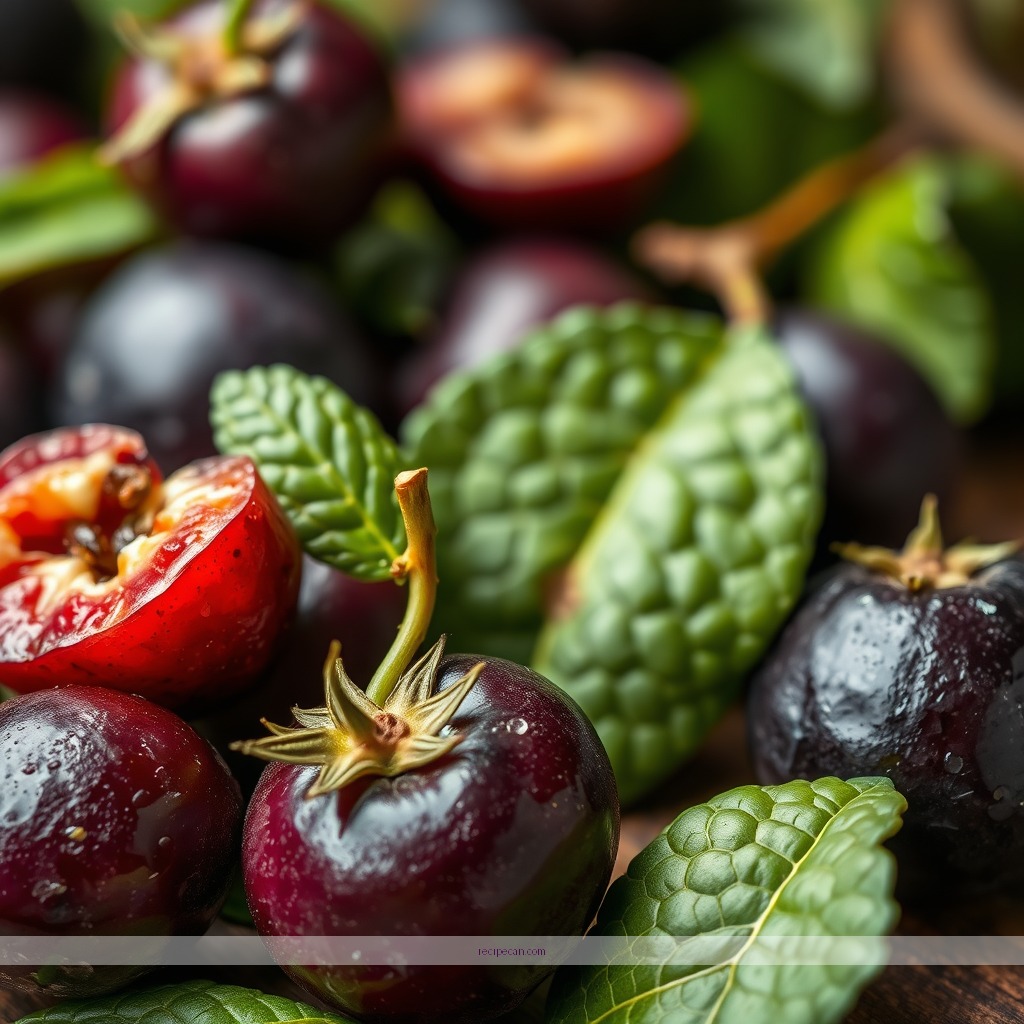
The star ingredient in this recipe is, of course, prunes! These dried fruits are not only rich in fiber but also packed with essential vitamins and minerals, making them a powerhouse for health. For the best results, choose high-quality, pitted prunes, which will yield a smoother juice. You’ll also need water to achieve your desired consistency and sweetness.
Main Ingredients
– 1 cup pitted prunes
– 4 cups water (plus more for soaking)
Step-by-Step Instructions
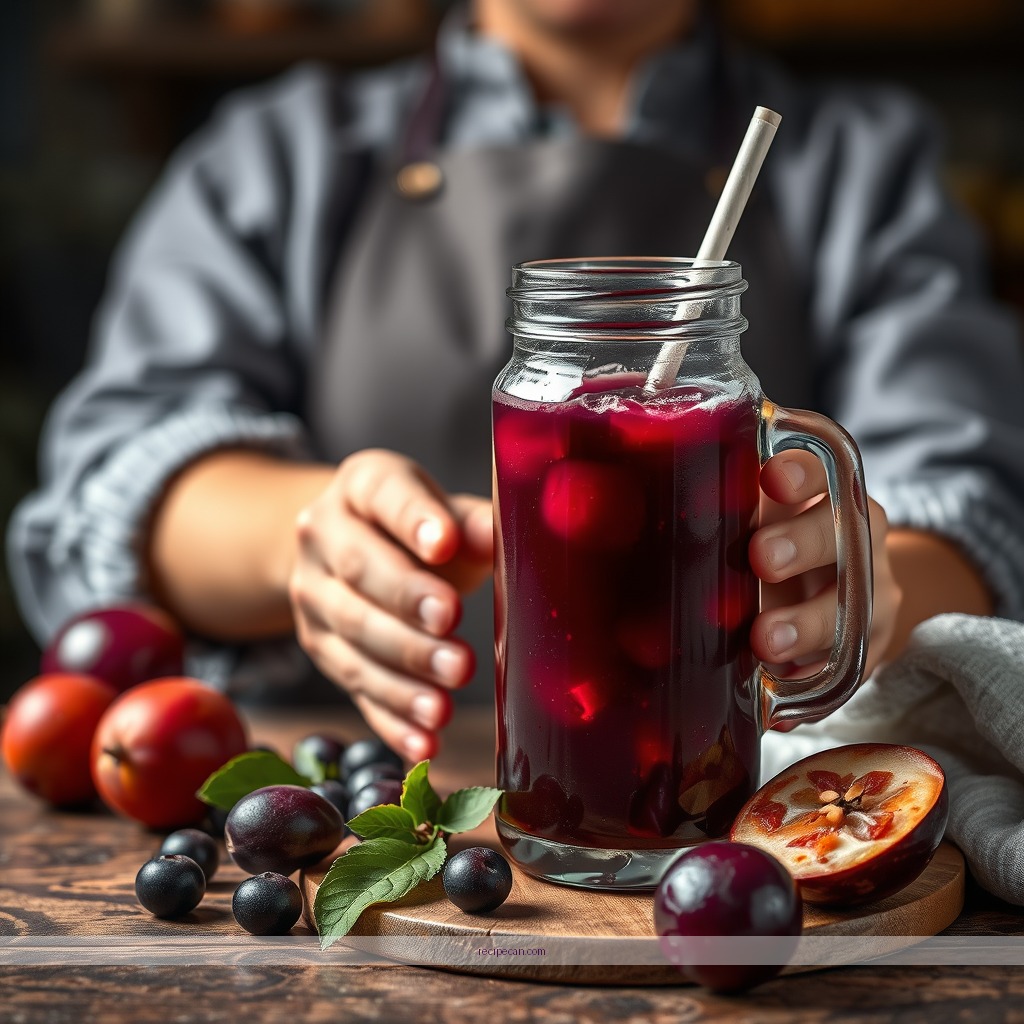
1. Soak the Prunes: Begin by soaking the pitted prunes in warm water for about 10 minutes. This step is crucial as it softens the prunes and helps release their natural sugars, yielding a smoother juice.
2. Blend: Once the prunes are softened, drain them and transfer them to a blender. Add 4 cups of fresh water to the blender.
3. Blend Until Smooth: Blend the mixture on high speed for 1-2 minutes, or until it is completely smooth. This ensures that the prunes are fully liquefied and the juice is well combined.
4. Strain: Pour the blended mixture through a fine-mesh strainer or cheesecloth into a large bowl or pitcher. This process separates the juice from the pulp. Use a spatula to press down on the mixture and extract as much liquid as possible.
5. Adjust Consistency: Taste the juice and adjust the consistency by adding more water if you prefer a thinner juice. For those who like a hint of sweetness, consider adding honey or a splash of lemon juice for added flavor.
6. Chill and Serve: Refrigerate the juice for about 30 minutes before serving. Enjoy it chilled or over ice for a refreshing boost!
What to Avoid & Precautions
While making prune juice is generally straightforward, there are a few common pitfalls to avoid that can affect the final product.
Over-blending
While blending well is important for a smooth texture, over-blending can introduce excess air into the mixture, creating a foamy layer. Blend just until smooth to maintain that rich, thick consistency.
Not Straining
Neglecting the straining step can result in a gritty texture in your juice. Take the extra time to strain thoroughly for a refined drinking experience.
Common Mistakes & How to Fix Them
Too Thick Juice
If your juice ends up thicker than you desire, simply add more water to achieve your preferred consistency. Blend the mixture briefly again to combine.
Unpleasant Taste
If the juice turns out to be too strong or bitter, a splash of lemon juice or a bit of honey can help balance the flavors and enhance the overall taste.
How to Serve
Plating & Presentation
Serve your freshly made prune juice in chilled glasses, garnished with a slice of lemon or a sprig of mint for an elegant touch. This not only enhances the visual appeal but also adds a refreshing aroma.
What Goes Well With It
This juice pairs beautifully with breakfast items such as oatmeal, yogurt, or even pancakes, making it a great addition to your morning routine.
Serving Temperature
Prune juice is typically served chilled. It can also be enjoyed over ice for a refreshing drink on hot days.
Storage & Reheating
Any leftover juice can be stored in a sealed container in the refrigerator for up to a week. Remember to give it a good shake before serving again, as natural separation may occur.
Top 7 Health Benefits of Prunes
| # | Benefit | Nutritional Value | Rating |
|---|---|---|---|
| 1 | Digestive Health | High Fiber | ★★★★☆ |
| 2 | Bone Health | Vitamin K | ★★★★☆ |
| 3 | Antioxidant Properties | Phenolic Compounds | ★★★★★ |
| 4 | Heart Health | Potassium | ★★★★☆ |
| 5 | Weight Management | Low Calorie | ★★★★☆ |
| 6 | Natural Energy Boost | Natural Sugars | ★★★★★ |
| 7 | Boosts Immunity | Vitamins A, C | ★★★★★ |
In conclusion, making your own prune juice is not only a healthier option but also a gratifying experience in the kitchen. With minimal effort and a few simple ingredients, you can enjoy a delicious and nutritious drink that can significantly enhance your well-being. So, gather your ingredients, follow the steps, and savor the delightful benefits of homemade prune juice. Your body will thank you!
Frequently Asked Questions
What are the ingredients needed for a basic prune juice recipe?
A basic prune juice recipe typically requires just two ingredients: dried prunes and water. You can start with about one cup of dried prunes and two cups of water. This simple combination provides a rich source of fiber and natural sugars, making it effective for digestive health.
How do I make homemade prune juice from dried prunes?
To make homemade prune juice, begin by soaking one cup of dried prunes in two cups of water for several hours or overnight. Once softened, blend the prunes and soaking water in a blender until smooth, then strain the mixture through a fine mesh sieve or cheesecloth to separate the juice from the pulp. This process yields a fresh, nutritious prune juice that can be enjoyed on its own or mixed with other juices.
Why is prune juice beneficial for digestive health?
Prune juice is beneficial for digestive health primarily due to its high fiber content, particularly soluble fiber known as sorbitol, which helps to soften stools and promote regular bowel movements. Additionally, the natural sugars in prune juice can stimulate the digestive tract and aid in relieving constipation. Regular consumption of prune juice can support overall gut health.
What is the best time to drink prune juice for digestive benefits?
The best time to drink prune juice for digestive benefits is in the morning, preferably on an empty stomach. This allows the natural sugars and fiber to work effectively in stimulating digestion and can help promote bowel movements throughout the day. However, it can also be consumed in the evening if preferred, as its effects can vary from person to person.
Which variations can I try to enhance the flavor of homemade prune juice?
To enhance the flavor of homemade prune juice, consider adding ingredients such as fresh lemon juice for a zesty kick, ginger for a warming spice, or even apple juice for added sweetness. Blending in some spinach or kale can also provide nutritional benefits while modifying the taste. Experimenting with these variations can make your prune juice more enjoyable while still reaping its health benefits.
References
- Prune
https://en.wikipedia.org/wiki/Prune - Checking your browser – reCAPTCHA
https://www.ncbi.nlm.nih.gov/pmc/articles/PMC6113970/ - https://www.mayoclinic.org/healthy-lifestyle/nutrition-and-healthy-eating/in-depth/prunes/art-20045914
https://www.mayoclinic.org/healthy-lifestyle/nutrition-and-healthy-eating/in-depth/prunes/art-20045914 - https://medlineplus.gov/ency/article/002461.htm
https://medlineplus.gov/ency/article/002461.htm - https://www.healthline.com/nutrition/prunes-benefits
https://www.healthline.com/nutrition/prunes-benefits - Prune | fruit | Britannica
https://www.britannica.com/topic/prune - Checking your browser – reCAPTCHA
https://www.ncbi.nlm.nih.gov/pmc/articles/PMC6322394/ - Google Scholar Google Scholar
https://scholar.google.com/scholar?q=prune+juice+recipe - Google Scholar Google Scholar
https://scholar.google.com/scholar?q=health+benefits+of+prunes - Google Scholar Google Scholar
https://scholar.google.com/scholar?q=nutritional+value+of+prunes