Creating delicious donuts without yeast is simpler than you might think! In this article, you’ll learn how to whip up soft, fluffy no-yeast donuts using basic ingredients you probably already have at home. Get ready to enjoy a sweet, homemade treat in no time.
Understanding No-Yeast Donuts

No-yeast donuts rely on baking powder or baking soda for leavening. This means that instead of depending on yeast to create the airy texture we associate with traditional donuts, these quick versions offer a faster solution without compromising on taste. The absence of yeast not only simplifies the process, allowing for instant gratification, but also makes it easier for home bakers who may feel intimidated by yeast-based recipes. With no need for rising time, you can be enjoying fresh donuts in under an hour.
The appeal of no-yeast donuts is further heightened by their versatility. They can be easily flavored or decorated to suit a variety of tastes and occasions. Whether you prefer classic glazed, chocolate-frosted, or sprinkled with cinnamon sugar, the possibilities are endless.
Key Ingredients You Need

Creating no-yeast donuts is achievable with a handful of basic pantry staples. Here’s what you’ll need:
1. All-Purpose Flour: The foundation of your donut dough. Ensure it is sifted for a lighter texture.
2. Sugar: Granulated sugar sweetens the batter, while powdered sugar can be used for toppings.
3. Baking Powder: This leavening agent adds fluffiness to your donuts.
4. Milk: Use whole milk for a richer flavor, or substitute with almond or oat milk for a dairy-free option.
5. Eggs: They help bind the ingredients together and add richness to the dough.
Simple Step-by-Step Instructions
Making no-yeast donuts is a straightforward process. Follow these simple steps for perfect results:
1. Prepare Your Ingredients: Gather your ingredients and preheat your oven to 350°F (175°C) if you opt to bake your donuts.
2. Mix the Dry Ingredients: In a mixing bowl, combine 2 cups of all-purpose flour, 1 cup of sugar, and 2 teaspoons of baking powder. Whisk them together until well blended.
3. Combine the Wet Ingredients: In another bowl, whisk together 1 cup of milk, 2 eggs, and 1 teaspoon of vanilla extract. You may also add a pinch of salt for enhanced flavor.
4. Combine Mixtures: Gradually add the wet ingredients to the dry ingredients. Stir until just combined; be careful not to overmix as this can result in dense donuts.
5. Shape the Donuts: If you have a donut cutter, use it to cut out the shapes from the dough. If not, you can simply roll the dough into balls and then flatten them slightly.
6. Bake or Fry: If baking, place your donuts on a greased baking sheet and bake for 10-12 minutes until golden brown. For frying, heat oil in a deep skillet and fry the donuts for about 2-3 minutes on each side until golden.
7. Cool and Serve: Allow the donuts to cool slightly before glazing or topping.
Top 7 Ingredients for No-Yeast Donuts
| # | Ingredient | Amount | Purpose |
|---|---|---|---|
| 1 | All-Purpose Flour | 2 cups | Base of dough |
| 2 | Granulated Sugar | 1 cup | Sweetener |
| 3 | Baking Powder | 2 tsp | Leavening agent |
| 4 | Milk | 1 cup | Moisture |
| 5 | Eggs | 2 | Binding agent |
| 6 | Vanilla Extract | 1 tsp | Flavor enhancer |
| 7 | Salt | Pinch | Enhances flavor |
Cooking Methods: Baking vs. Frying
When it comes to preparing no-yeast donuts, you have two primary cooking methods: baking and frying. Each method yields different textures and flavors, allowing you to choose based on your health preferences and desired outcomes.
Baking
Baking is generally regarded as the healthier option. It yields lighter, less greasy donuts since they are cooked in an oven rather than submerged in oil. This method allows for more even cooking and can result in a fluffy texture that many people enjoy. Baking also requires less hands-on time compared to frying, making it a convenient choice for busy bakers.
Frying
Frying, on the other hand, delivers that classic donut texture, golden brown and slightly crispy on the outside while remaining soft and tender within. This traditional method requires more oil and careful temperature control to avoid greasy results. Frying can be seen as a special treat, often associated with fairground-style donuts. If you choose to fry, ensure your oil is heated to the right temperature (around 375°F or 190°C) to achieve the best results.
Baking vs. Frying: Donut Texture Comparison
Icing and Toppings for Your Donuts
The fun doesn’t stop with just the donuts themselves; toppings and icings are where creativity can truly shine. Here are some popular choices to consider:
1. Powdered Sugar: A classic choice for a simple, sweet finish.
2. Chocolate Glaze: Melted chocolate mixed with a bit of cream creates a rich, indulgent topping.
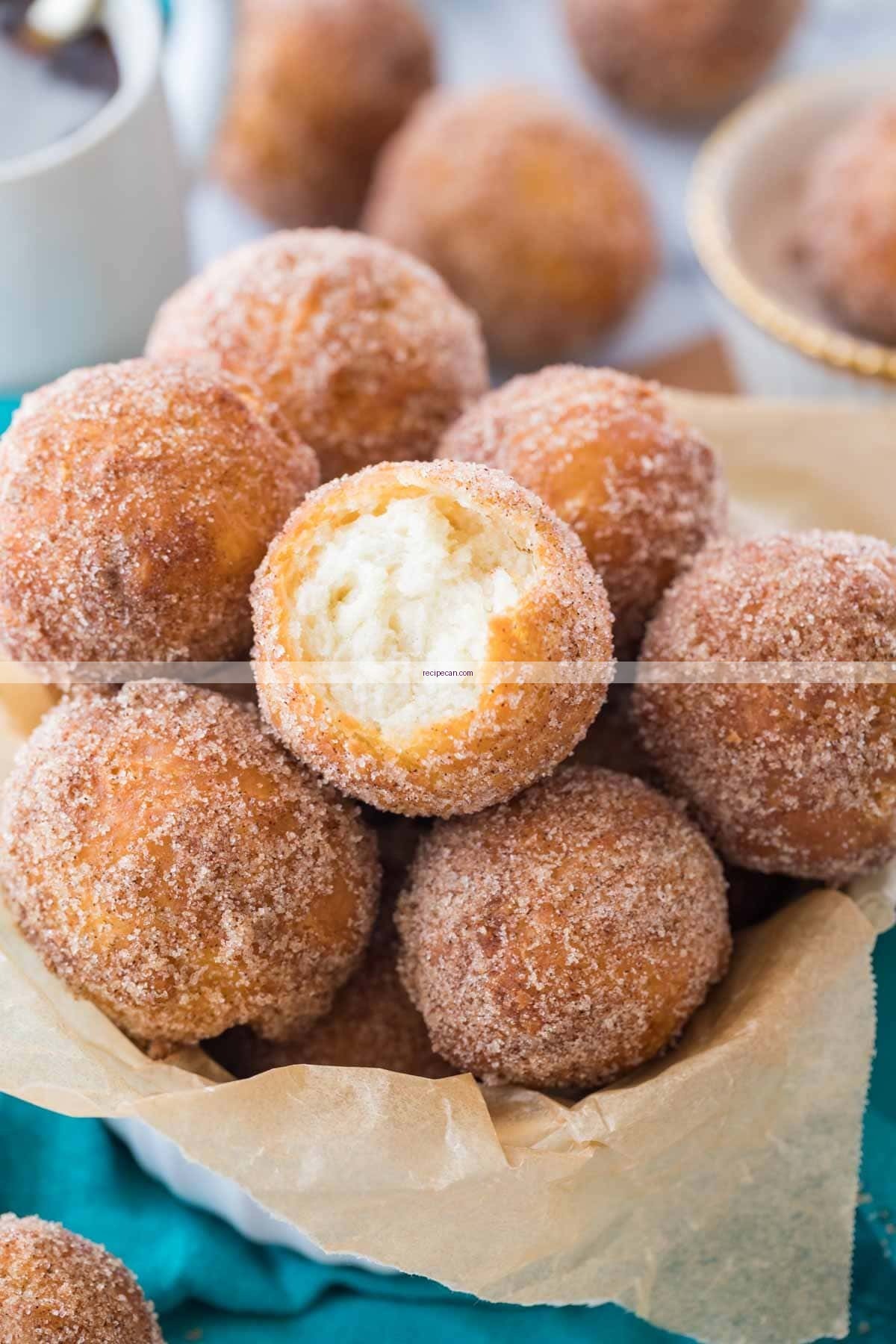
3. Cinnamon Sugar: A mixture of sugar and ground cinnamon creates a delightful coating that enhances the flavor profile.
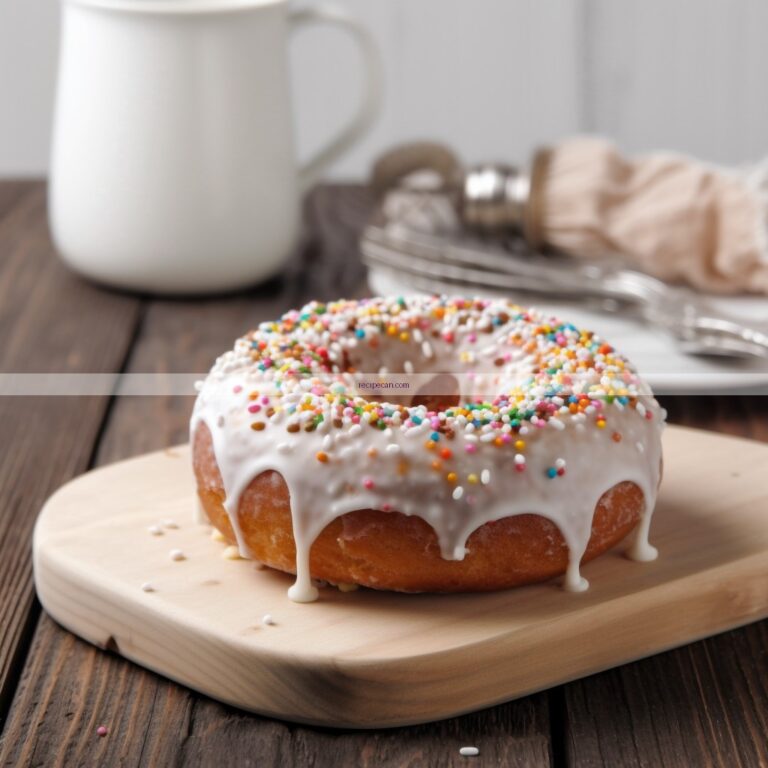
4. Sprinkles: Colorful sprinkles add a festive touch, perfect for celebrations.
5. Fruit Preserves: Fill your donuts with jam or jelly for a delicious surprise.
Experimenting with different flavors like maple, lemon, or cream cheese icing can elevate your no-yeast donuts further. You can even consider drizzling honey or caramel for an added layer of sweetness.
Storing Your No-Yeast Donuts
To keep your no-yeast donuts fresh, store them in an airtight container at room temperature for up to two days. They are best enjoyed fresh, but can also be frozen for longer storage. To freeze, place them in a single layer on a baking sheet until solid, then transfer them to a freezer-safe bag or container.
When you’re ready to enjoy them, simply reheat in a microwave or toaster oven for a few seconds. This will help restore some of their original texture and warmth.
Creative Variations to Try
No-yeast donuts offer a fantastic canvas for creativity. Here are some variations to consider:
1. Pumpkin Spice Donuts: Incorporate pumpkin puree and spices for a seasonal treat.
2. Matcha Donuts: Add matcha powder for a unique flavor and vibrant color.
3. Chocolate Chip Donuts: Fold in chocolate chips for a sweet surprise in every bite.
4. Filled Donuts: Experiment with fillings like pastry cream, fruit, or even Nutella to create your own gourmet version.
The beauty of no-yeast donuts lies in their versatility. Whether you’re cooking for a crowd or just satisfying your sweet tooth, there’s always a new variation to explore.
Enjoy making these easy no-yeast donuts, perfect for breakfast or a sweet snack. With just a few ingredients and simple techniques, you can indulge in a delightful treat that satisfies your sweet tooth. Try out the recipe today and share your creations with family and friends!
Frequently Asked Questions
What are the main ingredients for a no yeast donut recipe?
A no yeast donut recipe typically requires basic ingredients such as all-purpose flour, baking powder, sugar, milk, eggs, and butter. These ingredients come together to create a fluffy texture without the need for yeast fermentation, making it a quick and easy option for delicious homemade donuts.
How do I make no yeast donuts fluffy?
To achieve fluffy no yeast donuts, ensure you use fresh baking powder and don’t overmix the batter. Gently folding the wet and dry ingredients together helps maintain air pockets that create a light texture. Additionally, frying the donuts at the right temperature (around 350°F) ensures they cook evenly without becoming dense.
Why choose a no yeast donut recipe over a traditional one?
Choosing a no yeast donut recipe can save time and simplify the cooking process, as it eliminates the need for proofing and rising time associated with yeast-based recipes. This makes it ideal for those who want to whip up a quick treat or who may be new to baking and prefer an easier method.
What are the best toppings for no yeast donuts?
The best toppings for no yeast donuts include classic options like powdered sugar, glaze, or chocolate icing. For a unique twist, consider adding sprinkles, cinnamon sugar, or crushed nuts to enhance flavor and texture. These toppings can elevate your donuts and make them visually appealing.
Which cooking method is best for no yeast donuts: frying or baking?
Both frying and baking can yield delicious no yeast donuts, but frying typically provides a richer flavor and a classic donut texture with a crispy exterior. Baking is a healthier alternative that results in a softer donut but may lack the traditional fried taste. Choose based on your dietary preferences and the texture you’re aiming for.
References
- https://www.foodnetwork.com/recipes/articles/how-to-make-donuts
https://www.foodnetwork.com/recipes/articles/how-to-make-donuts - https://www.thekitchn.com/how-to-make-doughnuts-without-yeast-221248
https://www.thekitchn.com/how-to-make-doughnuts-without-yeast-221248 - https://www.nytimes.com/2020/10/01/dining/doughnuts-recipe.html
https://www.nytimes.com/2020/10/01/dining/doughnuts-recipe.html - https://scholar.google.com/scholar?q=donut+recipe+no+yeast Google Scholar
https://scholar.google.com/scholar?q=donut+recipe+no+yeast - Google Scholar Google Scholar
https://scholar.google.com/scholar?q=yeast-free+donut+recipes - Google Scholar Google Scholar
https://scholar.google.com/scholar?q=easy+donut+recipes+no+yeast - donut recipe no yeast – Search results
https://en.wikipedia.org/wiki/Special:Search?search=donut+recipe+no+yeast - https://www.ncbi.nlm.nih.gov/search/research-articles/?term=donut+recipe+no+yeast
https://www.ncbi.nlm.nih.gov/search/research-articles/?term=donut+recipe+no+yeast