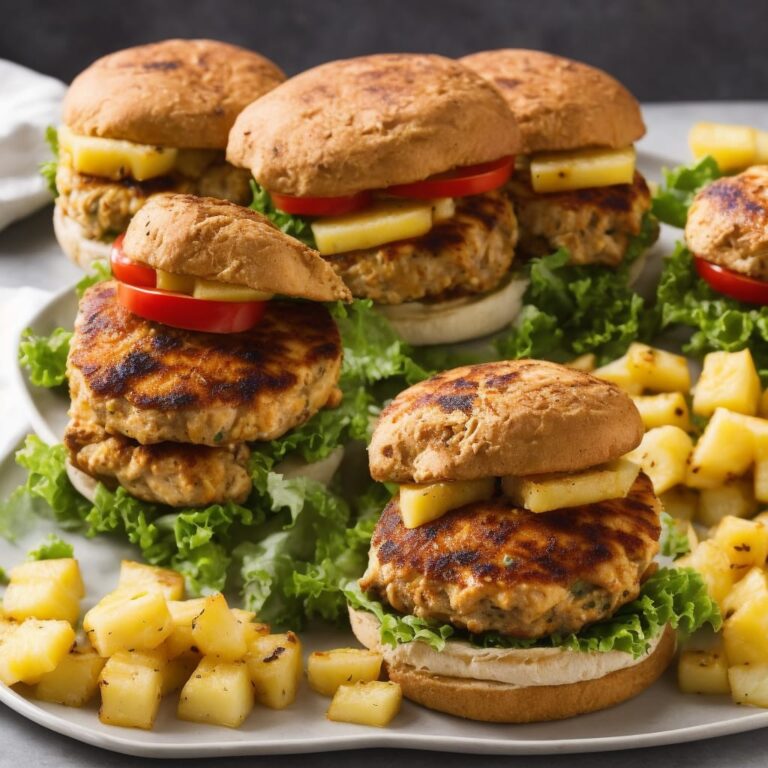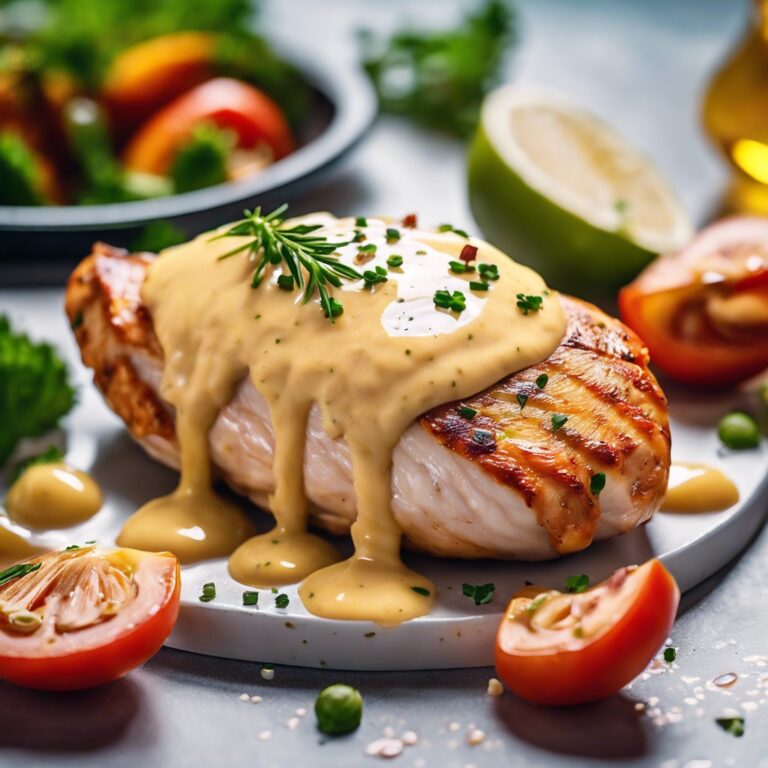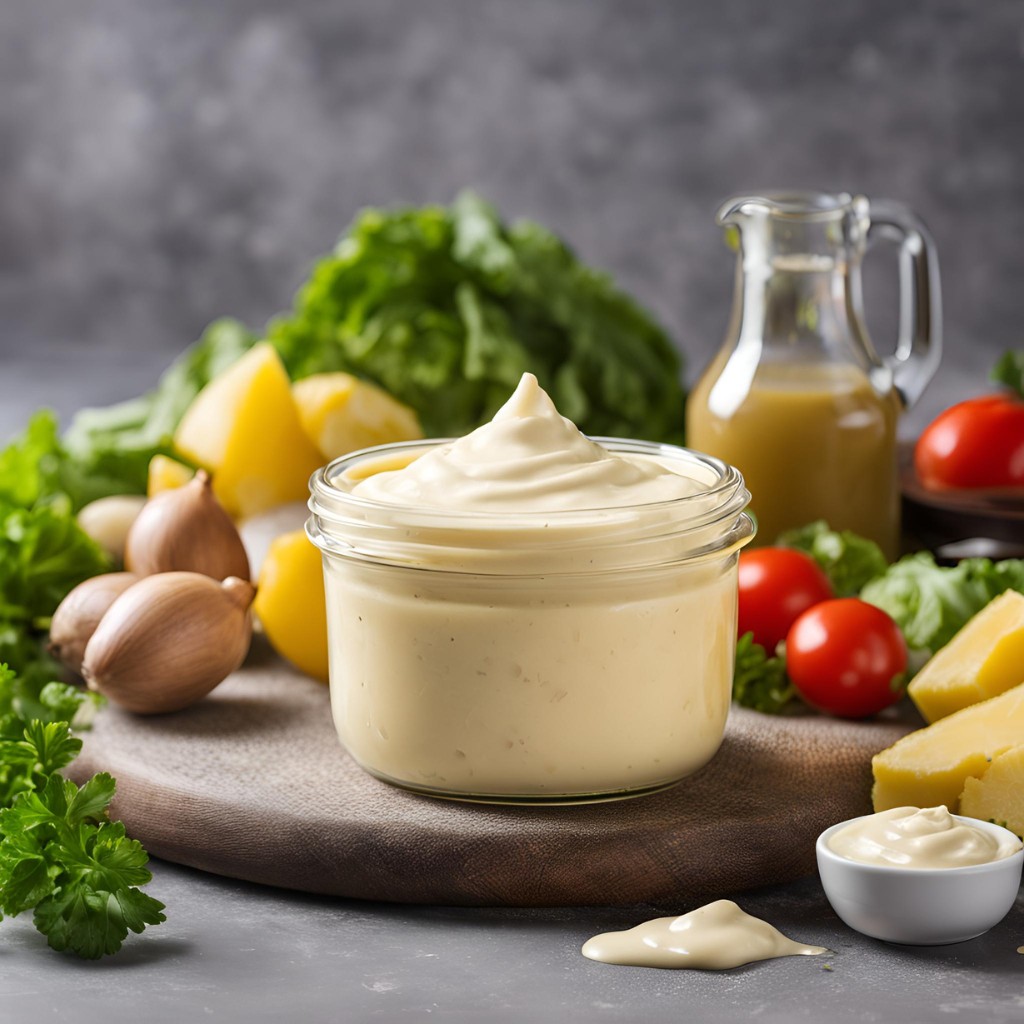
This easy mayonnaise dressing recipe is the ultimate solution for transforming your salads into mouthwatering culinary experiences. With just a few simple ingredients, you can create a creamy, flavorful dressing that elevates even the most basic greens. Say goodbye to store-bought options and discover how simple it is to make your own delicious mayonnaise dressing at home. Your salads will never be the same again.
Mayonnaise dressing is a quick and delicious way to elevate your salads and sandwiches. With just a few simple ingredients, you can make a creamy, flavorful dressing that complements any dish. In this article, you’ll learn how to whip up an easy mayonnaise dressing that’s perfect for all occasions, providing a versatile addition to your culinary repertoire.
Ingredients You’ll Need
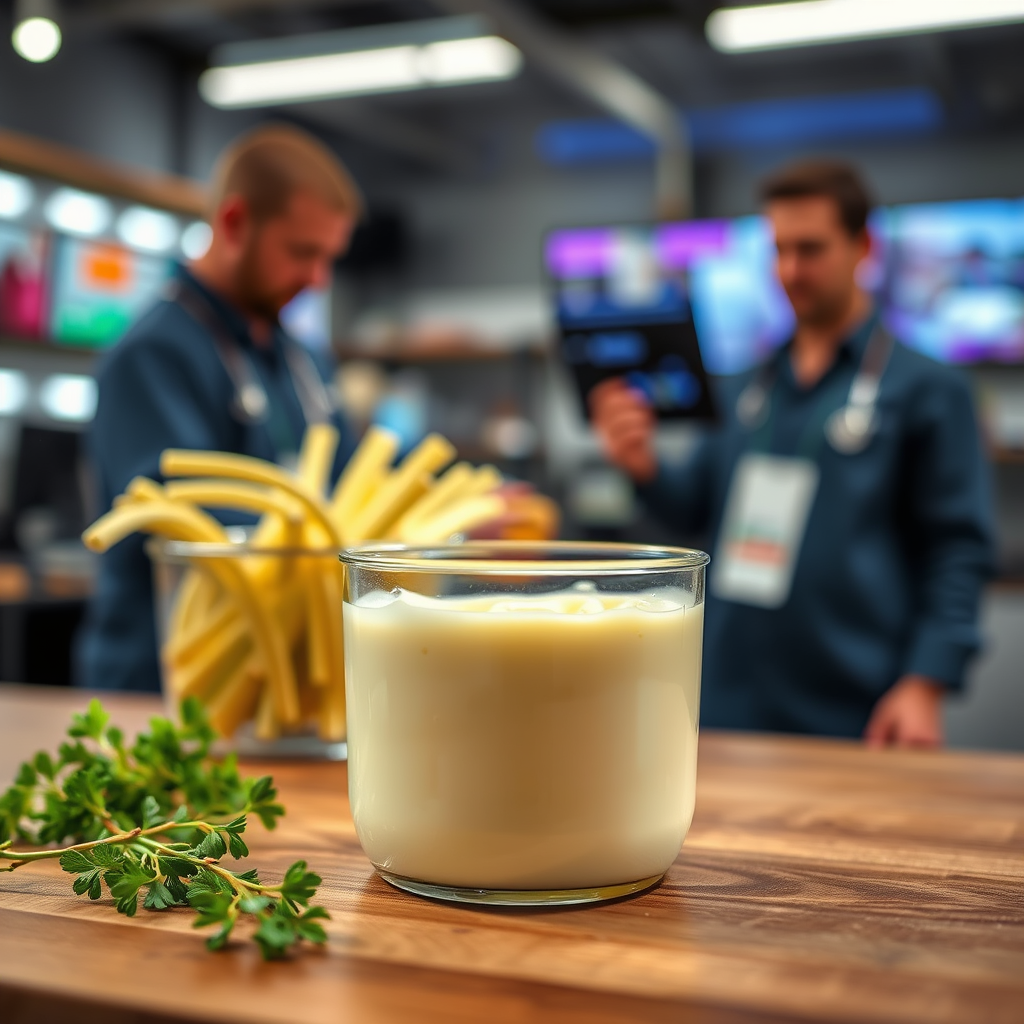
To create a delectable mayonnaise dressing, you’ll need the following key ingredients:
– Mayonnaise: This serves as the base of your dressing, imparting a rich creaminess that enhances the texture of your salads and sandwiches. Opt for high-quality mayonnaise for the best flavor.
– Vinegar or Lemon Juice: These ingredients add a necessary punch of acidity and brightness. You can choose from a variety of vinegars—such as apple cider vinegar, red wine vinegar, or balsamic vinegar—or use fresh lemon juice depending on your flavor preference.
– Optional Seasonings: To elevate the flavor profile, consider adding garlic powder, salt, and pepper. These ingredients can transform a simple dressing into a gourmet experience. You might also experiment with additional spices or herbs based on your personal taste.
Step-by-Step Preparation
Making your own mayonnaise dressing is a straightforward process. Follow these simple steps to create a base that you can customize to your liking:
1. Combine the Mayonnaise and Vinegar/Lemon Juice: Start by adding a cup of mayonnaise to a mixing bowl. Then, pour in about one to two tablespoons of your chosen vinegar or lemon juice. This ratio can be adjusted based on how tangy you prefer your dressing.
2. Whisk Until Smooth: Using a whisk or a fork, vigorously blend the mayonnaise and vinegar/lemon juice until the mixture is smooth and homogenous. Ensure there are no lumps for the best texture.
3. Taste and Adjust Seasoning: After mixing, taste the dressing. If it’s lacking in flavor, add a pinch of salt, a sprinkle of pepper, or any other desired seasonings. Feel free to adjust the acidity by adding more vinegar or lemon juice if necessary.
Variations to Try
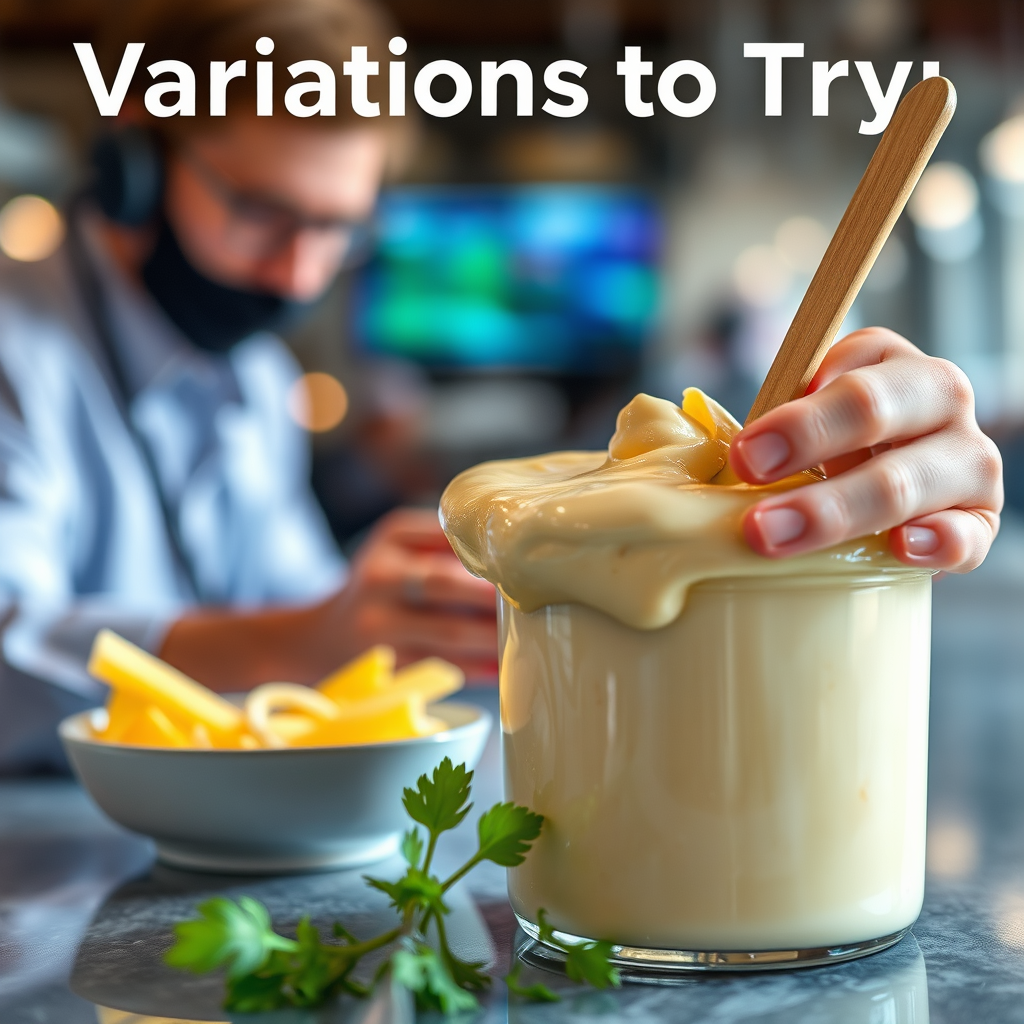
This basic mayonnaise dressing serves as a great canvas for numerous variations. Here are a few suggestions to personalize your dressing:
– Add Herbs: Fresh herbs can bring a garden-fresh taste to your dressing. Consider finely chopping dill, parsley, or chives, and mixing them in for a vibrant flavor boost.
– Spicy Kick: If you enjoy heat, add a dash of hot sauce or a pinch of cayenne pepper. This will not only enhance the flavor but also add an exciting twist to your dressing.
– Sweet Twist: For a different flavor profile, try mixing in a teaspoon of honey or maple syrup. This sweetness can balance the acidity and make your dressing pleasantly complex.
Top 7 Mayonnaise Brands and Their Special Features (2024)
| # | Brand | Flavor Profiles | Packaging Size (oz) | Allergen Info |
|---|---|---|---|---|
| 1 | Hellmann’s | Classic, Organic | 15, 30 | Egg |
| 2 | Duke’s | Classic, Spicy | 12, 24 | Egg |
| 3 | Best Foods | Classic, Light | 15, 30 | Egg |
| 4 | Kraft | Classic, Honey | 12, 30 | Egg |
| 5 | Sir Kensington’s | Classic, Avocado | 11, 24 | Egg |
| 6 | Nature’s Promise | Organic, Classic | 16 | None |
| 7 | Primal Kitchen | Organic, Avocado | 12 | None |
Serving Suggestions
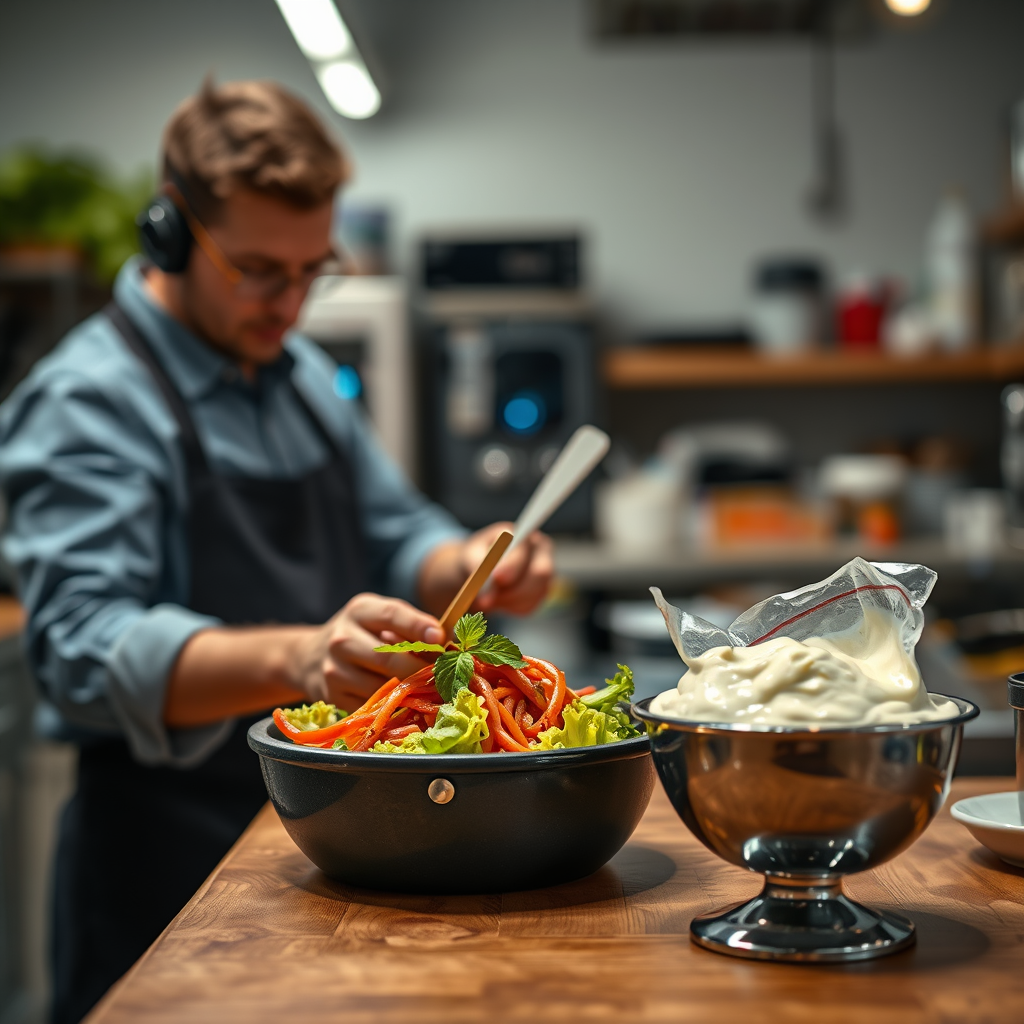
Your homemade mayonnaise dressing is incredibly versatile and can be used in various ways:
– Use as a Salad Dressing: Drizzle it over mixed greens, pasta salads, or grain bowls for a rich flavor. It works beautifully with both hearty and light salads.
– Sandwich Spread: This dressing is an excellent alternative to traditional sandwich spreads. It pairs well with turkey, roast beef, or veggie sandwiches, adding a creamy texture and flavor.
– Dip: Your mayonnaise dressing can also serve as a delightful dip for fresh vegetables, chips, or even chicken tenders. Its creaminess enhances the overall snacking experience.
Storage Tips

To ensure your mayonnaise dressing remains fresh and flavorful, follow these storage tips:
– Refrigerate: After preparing your dressing, store it in an airtight container in the refrigerator. It should last for up to a week, but always check for freshness before using.
– Check for Freshness: Before using the dressing after a few days, always give it a quick smell and taste. If it has developed an off smell or flavor, it’s best to discard it.
Common Mistakes to Avoid

When making your mayonnaise dressing, be mindful of these common pitfalls:
– Over-Mixing: While it’s essential to achieve a smooth consistency, over-mixing can lead to a dressing that is too thick. Whisk just until combined for the best results.
– Skipping Seasoning: Salt and pepper are crucial for enhancing flavor. Don’t forget to season your dressing as this can make a significant difference in taste.
– Using Expired Ingredients: Always check the freshness of your mayonnaise and other ingredients. Using expired products can compromise the quality of your dressing.
Your easy mayonnaise dressing is now ready to enhance your meals! Whether you’re drizzling it on a salad, using it as a dip, or spreading it on a sandwich, this simple recipe is sure to impress. Enjoy experimenting with variations and serving ideas, and don’t forget to share your creations!
Frequently Asked Questions
What ingredients do I need for a basic mayonnaise dressing recipe?
To make a basic mayonnaise dressing, you will need mayonnaise, vinegar or lemon juice, mustard, salt, and pepper. You can customize your dressing by adding herbs, garlic, or other seasonings to enhance its flavor, making it perfect for salads or sandwiches.
How can I make a healthier version of mayonnaise dressing?
To create a healthier mayonnaise dressing, consider using Greek yogurt or avocado as a base instead of traditional mayonnaise. You can mix in lemon juice, Dijon mustard, and herbs to achieve a creamy texture while reducing calories and fat, making it a nutritious alternative.
Why is my homemade mayonnaise dressing not emulsifying properly?
If your homemade mayonnaise dressing isn’t emulsifying, it could be due to adding the oil too quickly or using ingredients at different temperatures. To fix this, ensure that all ingredients are at room temperature and add the oil slowly while whisking vigorously to create a stable emulsion.
What are the best uses for mayonnaise dressing besides salads?
Mayonnaise dressing can be used in various ways beyond salads; it works wonderfully as a sandwich spread, a dip for vegetables or chips, or a base for coleslaw. You can also incorporate it into pasta salads or use it to enhance the flavor of grilled meats and fish.
Which herbs and spices can I add to my mayonnaise dressing for extra flavor?
You can elevate your mayonnaise dressing by adding fresh herbs like dill, parsley, or chives, or spices such as paprika, garlic powder, or black pepper. Experimenting with different combinations will help you create a personalized dressing that complements your dishes perfectly.
References
- Mayo
https://en.wikipedia.org/wiki/Mayo - https://www.ncbi.nlm.nih.gov/pmc/articles/PMC6105718/
https://www.ncbi.nlm.nih.gov/pmc/articles/PMC6105718/ - https://www.ncbi.nlm.nih.gov/pmc/articles/PMC6122456/
https://www.ncbi.nlm.nih.gov/pmc/articles/PMC6122456/ - Mayonnaise | Description, Emulsion, & Variations | Britannica
https://www.britannica.com/topic/mayonnaise - https://www.healthline.com/nutrition/mayo-nutrition
https://www.healthline.com/nutrition/mayo-nutrition - https://scholar.google.com/scholar?q=mayonnaise+dressing+recipe Google Scholar
https://scholar.google.com/scholar?q=mayonnaise+dressing+recipe - https://scholar.google.com/scholar?q=mayonnaise+history Google Scholar
https://scholar.google.com/scholar?q=mayonnaise+history - Google Scholar Google Scholar
https://scholar.google.com/scholar?q=mayonnaise+nutritional+value - https://www.foodnetwork.com/recipes/articles/how-to-make-mayonnaise
https://www.foodnetwork.com/recipes/articles/how-to-make-mayonnaise - https://www.sciencedirect.com/topics/food-science/mayonnaise
https://www.sciencedirect.com/topics/food-science/mayonnaise