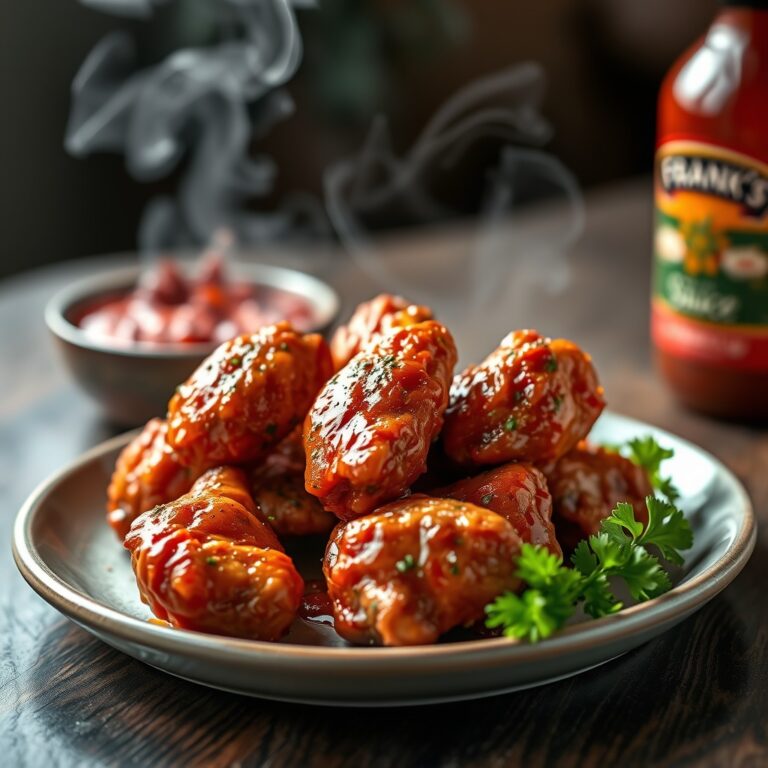
Creating a delightful Korean barbecue sauce at home is not only simple but also a rewarding culinary experience. This sauce embodies the perfect balance of sweet and savory flavors, making it an excellent accompaniment for grilled meats, vegetables, and even stir-fry dishes. With essential ingredients like soy sauce, brown sugar, garlic, and ginger, you can easily whip up this flavorful condiment to elevate your next barbecue or Asian-inspired meal.
Key Ingredients for Korean Barbecue Sauce
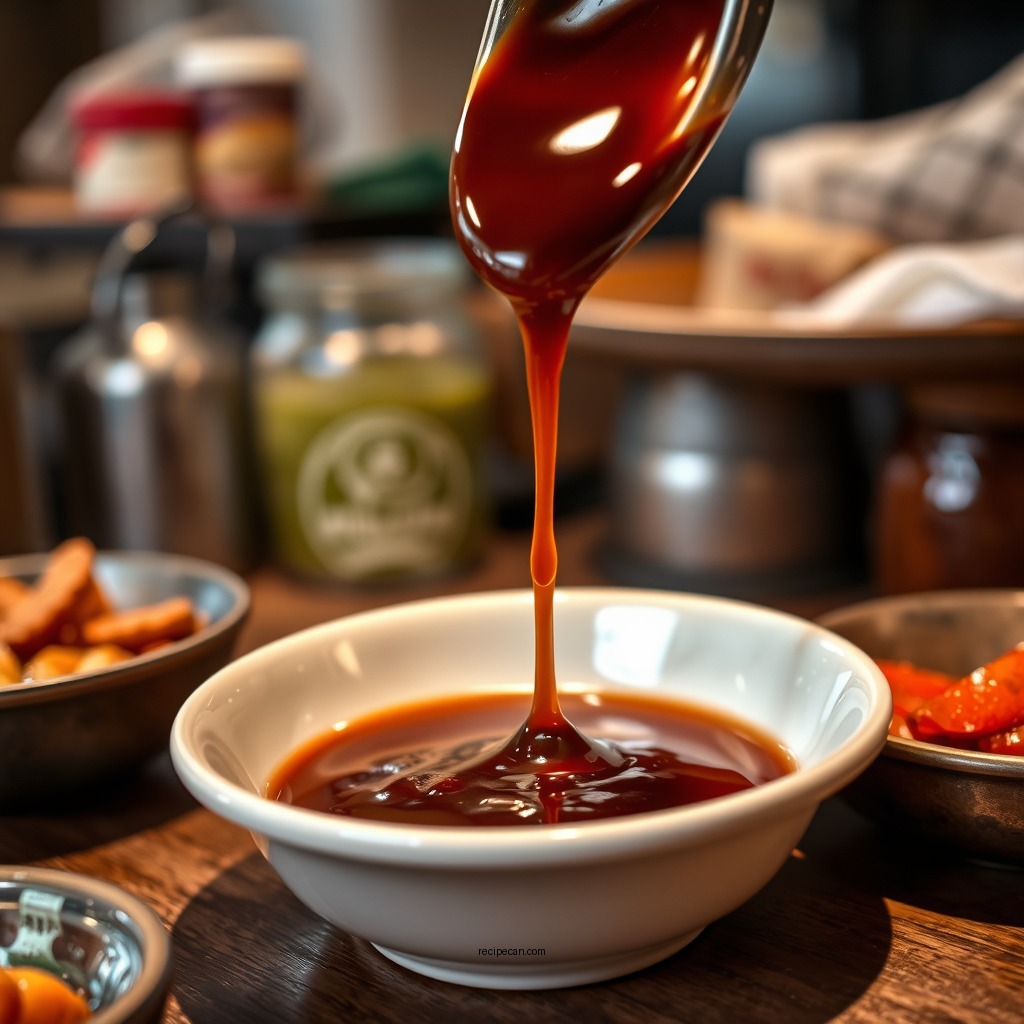
To craft the perfect Korean barbecue sauce, there are a few key ingredients that form the foundation of its unique flavor profile:
– Soy Sauce: This essential ingredient provides the salty base of the sauce. It is rich in umami, which is critical for achieving that authentic Korean taste. Opt for a high-quality soy sauce for the best results.
– Brown Sugar: This ingredient adds a touch of sweetness that balances the salty flavor of the soy sauce. The molasses content in brown sugar contributes to a deeper flavor and a darker color in the sauce.
– Garlic and Ginger: These aromatics are indispensable in Korean cuisine. Garlic imparts a pungent flavor, while ginger adds warmth and a hint of spice, enhancing the overall taste of the sauce.
– Sesame Oil: While not always included in the basic recipe, a splash of sesame oil can add a nutty richness that complements the other flavors beautifully.
– Black Pepper: A pinch of freshly ground black pepper can elevate the flavor, providing a subtle heat that rounds out the sauce.
These ingredients come together to create a sauce that can be used in various culinary applications, making it a versatile addition to your kitchen.
Steps to Make the Sauce

Making your own Korean barbecue sauce is a straightforward process that can be completed in just a few steps:
– Combine Ingredients: In a medium mixing bowl, combine ½ cup of soy sauce, ¼ cup of brown sugar, 1 tablespoon of sesame oil, 3 minced garlic cloves, and 1 tablespoon of freshly grated ginger. Stir these ingredients together until the sugar is fully dissolved.
– Simmer: Pour the mixture into a small saucepan and heat it over low to medium heat. Allow it to simmer gently for about 5-10 minutes, stirring occasionally. As the sauce heats, you will notice it thickening slightly, which enhances its texture and flavor.
– Taste and Adjust: After simmering, taste the sauce. You can adjust the sweetness by adding more brown sugar or introduce a bit of heat by adding red pepper flakes or more ginger. This step is crucial to tailor the sauce to your personal preference.
Variations of the Sauce
While the basic recipe is delicious on its own, there are numerous variations you can explore to suit different tastes and dietary needs:
– Spicy Version: For those who enjoy a kick, consider adding 1-2 tablespoons of gochujang (Korean chili paste) to the mixture. This addition not only brings heat but also an additional layer of flavor.
– Fruity Twist: Incorporating fruit purees, such as pear or apple, can add a unique sweetness and complexity to the sauce. Simply blend the fruit and mix it in with the other ingredients.
– Gluten-Free Option: If you require a gluten-free alternative, substitute regular soy sauce with tamari or a gluten-free soy sauce. This ensures that everyone can enjoy the rich flavors without dietary restrictions.
How to Use Korean Barbecue Sauce
The versatility of Korean barbecue sauce makes it a fantastic addition to various dishes:
– Marinade: Use the sauce to marinate meats such as beef, chicken, or pork. Allow the meat to soak in the flavors for at least 2 hours or ideally overnight before grilling, ensuring a deliciously rich flavor.
– Dipping Sauce: Serve the sauce alongside grilled items like Korean-style ribs or vegetables as a flavorful dip. It also pairs excellently with dumplings and rice cakes.
– Stir-Fry Enhancer: Drizzle the sauce over stir-fried vegetables and proteins to add depth to your dish. The sauce not only enhances flavor but also creates a beautiful glaze.
Storage Tips
Proper storage ensures that you can enjoy your homemade Korean barbecue sauce for an extended period:
– Refrigeration: Store any leftover sauce in an airtight container in the refrigerator. The sauce can last for up to two weeks, making it convenient for meal prep or last-minute additions to dishes.
– Freezing: For longer storage, pour the sauce into ice cube trays and freeze. Once frozen, transfer the cubes to a zip-top bag. This allows for easy portioning and can keep the sauce fresh for up to three months.
Serving Suggestions
To maximize your enjoyment of Korean barbecue sauce, consider these serving suggestions:
– Pair with Grilled Meats: The sauce is particularly well-suited for classic Korean BBQ dishes like bulgogi (marinated beef) or galbi (barbecued short ribs). The sauce’s sweet and savory profile complements the rich flavors of grilled meats perfectly.
– Accompany with Sides: Serve your grilled meats with traditional sides like steamed rice, kimchi, or pickled vegetables. These sides not only enhance the meal’s authenticity but also provide a balanced dining experience.
Top Ingredients for Homemade Korean Barbecue Sauce
| # | Ingredient | Quantity | Flavor Profile | Nutrition Value (per serving) |
|---|---|---|---|---|
| 1 | Soy Sauce | ½ cup | Salty, Umami | 11g Protein |
| 2 | Brown Sugar | ¼ cup | Sweet | 15g Carbohydrates |
| 3 | Garlic | 3 cloves | Pungent | 0.2g Protein |
| 4 | Ginger | 1 tbsp | Spicy, Warm | 0.1g Protein |
| 5 | Sesame Oil | 1 tbsp | Nutty | 0g Protein |
| 6 | Black Pepper | Pinch | Spicy | 0g Protein |
Korean Barbecue Sauce Flavor Components
By following this easy recipe and using these tips, you can enjoy homemade Korean barbecue sauce that elevates your dishes to a new level. This sauce not only enhances the flavor of grilled meats and vegetables but also offers a delightful experience for your taste buds. Try it today and explore the delicious possibilities it brings to your cooking!
Frequently Asked Questions
What are the essential ingredients for a homemade Korean barbecue sauce?
A traditional Korean barbecue sauce typically includes soy sauce, sesame oil, garlic, sugar, and gochujang (Korean red chili paste) for heat. You may also add ingredients like ginger, green onions, and rice vinegar for added depth of flavor. These ingredients combine to create a balance of salty, sweet, and spicy notes that enhance grilled meats.
How do I make a simple Korean barbecue sauce from scratch?
To make a simple Korean barbecue sauce, mix 1/2 cup of soy sauce, 1/4 cup of brown sugar, 2 tablespoons of sesame oil, 2 tablespoons of gochujang, and minced garlic to taste. Stir until the sugar dissolves and the sauce is well combined. For a bit of tang, you can add a splash of rice vinegar or lemon juice.
Why is gochujang important in Korean barbecue sauce?
Gochujang is a fermented Korean chili paste that provides a unique depth of flavor to Korean barbecue sauce. It contributes both heat and umami, making it an essential ingredient for achieving an authentic taste. Without gochujang, the sauce would lack the signature spice and richness that characterizes Korean barbecue.
What is the best way to use Korean barbecue sauce when grilling meat?
The best way to use Korean barbecue sauce is as a marinade and finishing glaze for your meat. Marinate your proteins, such as beef or chicken, for at least 30 minutes or up to overnight to allow the flavors to penetrate. Brush additional sauce on during grilling for a delicious caramelized finish that enhances the meat’s flavor.
Which meats pair best with Korean barbecue sauce?
Korean barbecue sauce pairs excellently with various meats, including beef (especially short ribs), pork belly, and chicken. The sweet and savory profile of the sauce complements the richness of these meats, making them ideal for grilling. Additionally, the sauce can also enhance tofu or vegetables for a delicious vegetarian option.
References
- Korean barbecue
https://en.wikipedia.org/wiki/Korean_barbeque - https://www.sciencedirect.com/topics/food-science/korean-barbecue-sauce
https://www.sciencedirect.com/topics/food-science/korean-barbecue-sauce - https://pubmed.ncbi.nlm.nih.gov/29279787/
https://pubmed.ncbi.nlm.nih.gov/29279787/ - https://www.ncbi.nlm.nih.gov/pmc/articles/PMC4783665/
https://www.ncbi.nlm.nih.gov/pmc/articles/PMC4783665/ - https://www.bbc.com/food/recipes/korean_bbq_chicken_67099
https://www.bbc.com/food/recipes/korean_bbq_chicken_67099 - https://www.theguardian.com/food/2021/jul/15/five-korean-dishes-you-need-to-try
https://www.theguardian.com/food/2021/jul/15/five-korean-dishes-you-need-to-try - https://www.nytimes.com/2020/05/08/dining/korean-bbq.html
https://www.nytimes.com/2020/05/08/dining/korean-bbq.html - Google Scholar Google Scholar
https://scholar.google.com/scholar?q=korean+barbecue+sauce+recipe - Google Scholar Google Scholar
https://scholar.google.com/scholar?q=korean+cuisine+flavor+profile - Google Scholar Google Scholar
https://scholar.google.com/scholar?q=barbecue+sauce+ingredients+in+korean+cooking