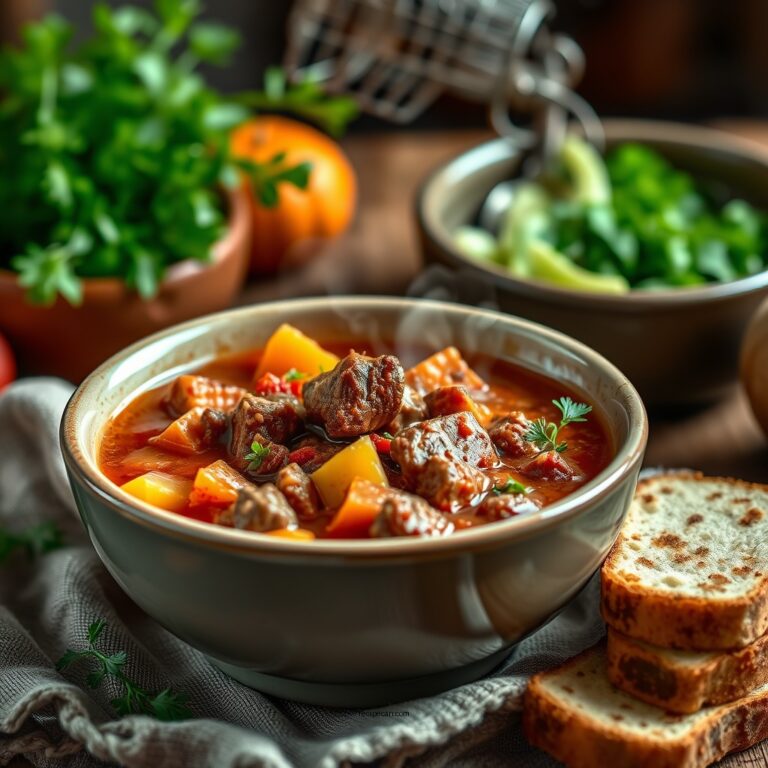
Kapusta soup is a nourishing and satisfying dish that merges the rich, earthy flavors of cabbage with a variety of savory ingredients, making it an ideal comfort food for any occasion. This easy kapusta soup recipe is straightforward to prepare and promises to deliver delightful warmth and satisfaction to your table. Whether you’re looking for a quick weeknight dinner or a dish to impress your guests, this recipe offers a simple approach to a beloved classic.
Ingredients You’ll Need
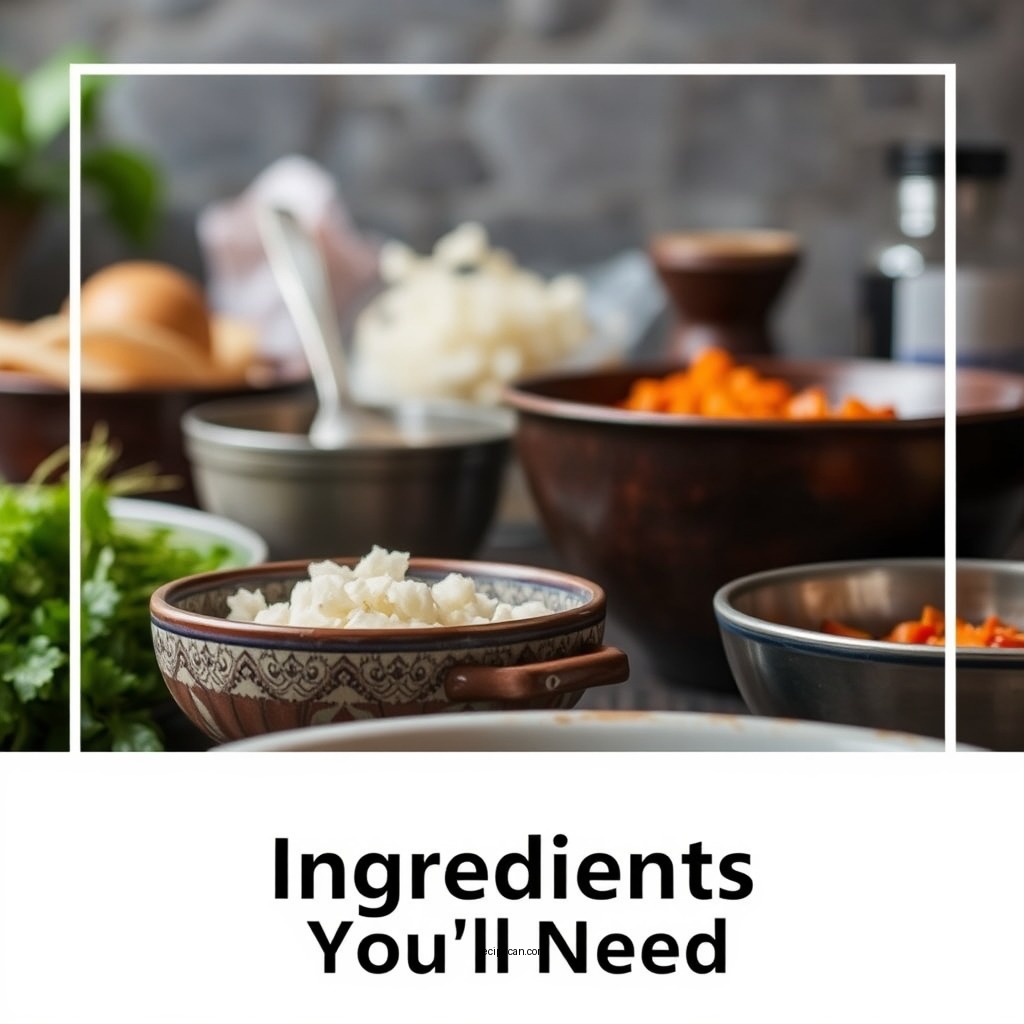
To prepare a delicious kapusta soup, gather the following ingredients:
– Fresh Cabbage: Opt for green or savoy cabbage for a sweet and tender base.
– Vegetables: Use a selection of vegetables such as carrots, onions, and potatoes to enhance the soup’s texture and flavor.
– Broth or Stock: Choose either vegetable or chicken broth to provide a rich and savory foundation for the soup. Homemade stock can elevate the dish, but store-bought options are perfectly suitable for convenience.
Preparation Steps
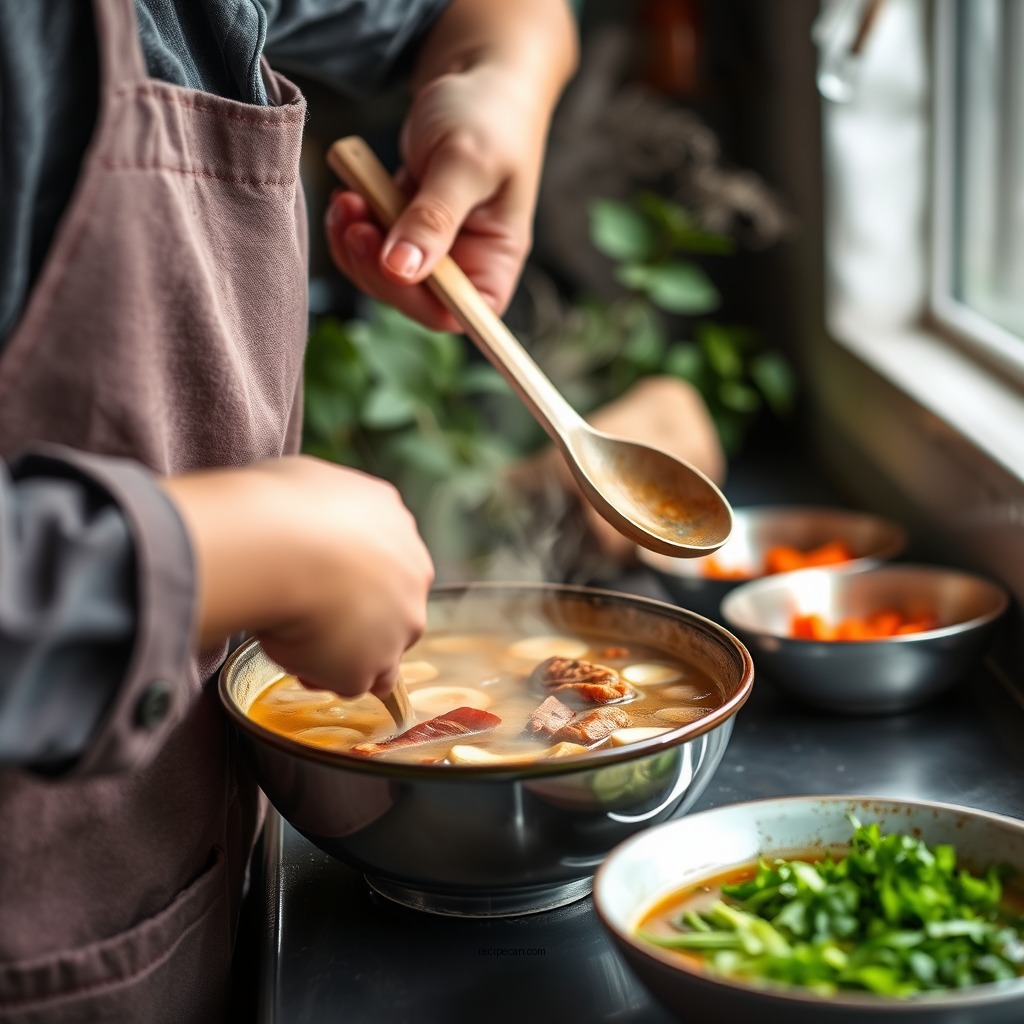
Preparing kapusta soup is a straightforward process that can be broken down into simple steps:
1. Chop the Vegetables: Start by finely chopping the cabbage and other vegetables into bite-sized pieces. This ensures even cooking and a pleasant texture in the finished soup.
2. Sauté the Aromatics: In a large pot, heat a small amount of oil over medium heat. Add the chopped onions and carrots, sautéing them until softened and fragrant. This step builds a flavorful base for your soup. Once the onions become translucent, stir in the chopped cabbage and continue to sauté for an additional 3-5 minutes.
Cooking Instructions
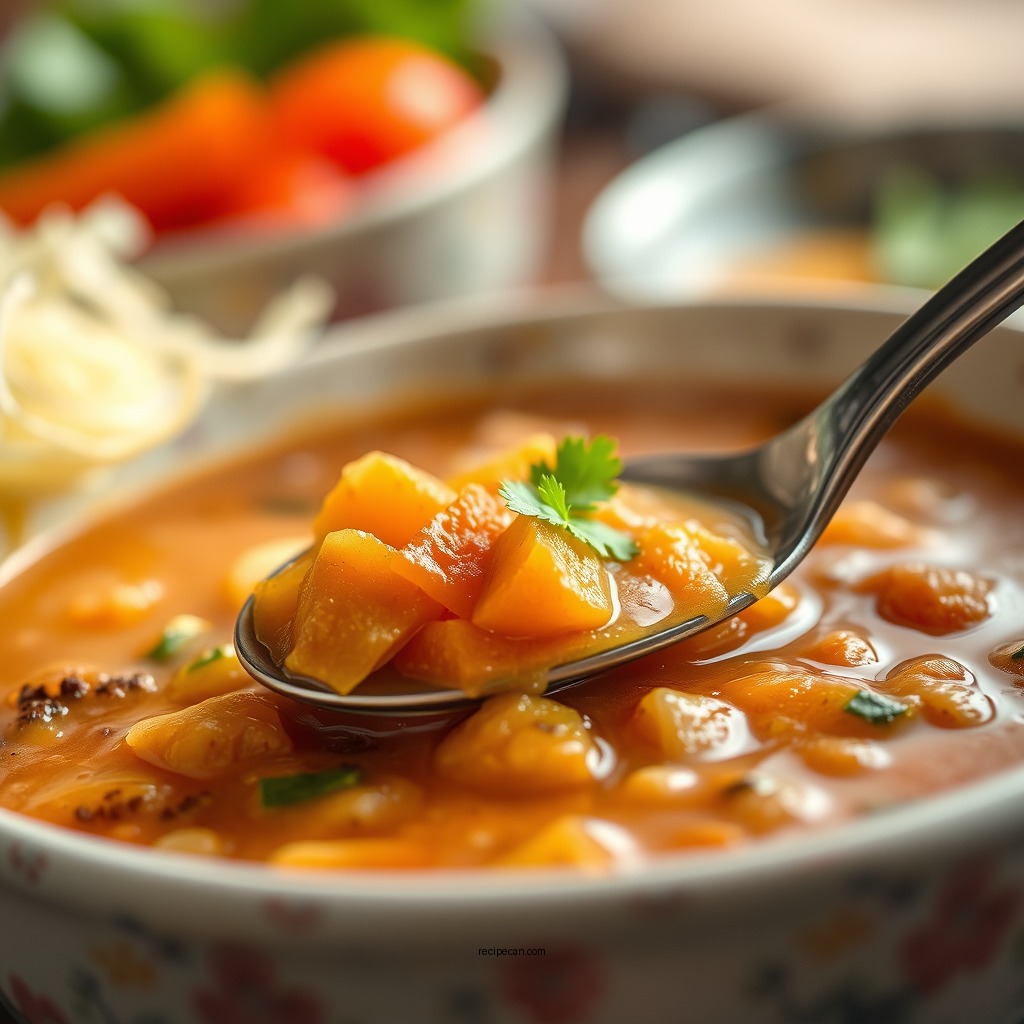
Once your vegetables are ready, follow these instructions to bring your soup to life:
1. Add the Broth: Pour in the broth or stock, ensuring that all the vegetables are submerged. Bring the mixture to a rolling boil over high heat.
2. Simmer: Reduce the heat to a gentle simmer and cover the pot. Allow the soup to simmer for at least 30 minutes; this time allows the flavors to meld beautifully. You can simmer longer if you wish, as the flavors will deepen the longer they cook.
Kapusta Soup Ingredient Nutritional Breakdown (Per Serving)
| # | Ingredient | Calories | Protein (g) | Carbs (g) | Fiber (g) |
|---|---|---|---|---|---|
| 1 | Cabbage (1 cup) | 22 | 1 | 5 | 2 |
| 2 | Carrots (1 medium) | 25 | 1 | 6 | 2 |
| 3 | Onion (1 medium) | 45 | 1 | 11 | 2 |
| 4 | Potato (1 medium) | 130 | 3 | 30 | 2 |
| 5 | Vegetable Broth (1 cup) | 15 | 1 | 3 | 0 |
| 6 | Sausage (1 oz, optional) | 75 | 5 | 0 | 0 |
| 7 | Total per Serving | 307 | 12 | 85 | 8 |
Flavor Enhancements
To elevate the flavor profile of your kapusta soup, consider the following enhancements:
– Spices and Herbs: Adding spices such as bay leaves, freshly cracked black pepper, or caraway seeds can introduce additional depth to your soup. These ingredients complement the cabbage and vegetables beautifully, enhancing the overall taste experience.
– Protein Additions: For a heartier meal, consider including proteins like smoked sausage, kielbasa, or even canned beans. These additions will not only enrich the soup’s flavor but also increase its nutritional value.
Serving Suggestions
How you serve your kapusta soup can greatly enhance the dining experience:
– Accompaniments: Serve your soup warm with crusty bread for dipping or a dollop of sour cream on top for a creamy finish. The bread absorbs the flavors beautifully, making each bite more satisfying.
– Pairing Options: A light salad on the side can help balance the richness of the soup. Consider a simple green salad with a vinaigrette to refresh the palate between bites.
Kapusta Soup Cooking Time Comparison
Variations to Try
The beauty of kapusta soup lies in its versatility. Here are a few variations to consider:
– Cabbage Types: Experiment with different types of cabbage, such as red cabbage or Napa cabbage, for unique flavor profiles and colors.
– Seasonal Vegetables: Incorporate seasonal vegetables like zucchini in the summer or root vegetables in the fall to keep the soup fresh and exciting.
– Vegetarian Option: For a vegetarian version, simply replace the broth with vegetable stock and omit any meat. You can also enhance the soup with legumes like lentils or chickpeas for added protein.
Kapusta soup is a comforting dish that can be easily customized to suit your taste. This simple recipe will not only warm your soul but also impress your family and friends with its delicious flavors. Get started on your kapusta soup today and enjoy a bowl of warmth and satisfaction!
Frequently Asked Questions
What ingredients do I need for a traditional kapusta soup recipe?
A traditional kapusta soup recipe typically includes ingredients such as sauerkraut, smoked sausage or ham, potatoes, onions, carrots, and various spices like bay leaves and black pepper. For a vegetarian version, you can substitute the meat with mushrooms or vegetable broth to maintain a rich flavor.
How long does it take to cook kapusta soup from start to finish?
Cooking kapusta soup generally takes about 1.5 to 2 hours. This includes preparation time of about 20 minutes and simmering time of 1 to 1.5 hours to allow the flavors to meld beautifully, ensuring a hearty and warming dish.
Why is kapusta soup considered a comfort food?
Kapusta soup is considered a comfort food because of its rich, hearty flavors and the nostalgic connection many people have to it, especially in Eastern European cultures. The combination of savory ingredients and the warm, filling broth creates a satisfying meal that evokes feelings of home and warmth.
What are the best variations of kapusta soup for different dietary needs?
The best variations of kapusta soup can include vegetarian options by using vegetable broth and adding beans for protein, or gluten-free versions by ensuring all ingredients are gluten-free. You can also spice it up with additional vegetables or herbs, such as garlic, bell peppers, or dill, to cater to diverse dietary preferences.
Which type of sauerkraut is best for making kapusta soup?
The best type of sauerkraut for making kapusta soup is unpasteurized, naturally fermented sauerkraut, as it has a more robust flavor and retains beneficial probiotics. Look for brands that use minimal additives or consider making your own for the freshest taste and optimal health benefits.
References
- Cabbage soup
https://en.wikipedia.org/wiki/Cabbage_soup - https://www.bbc.co.uk/food/recipes/cabbage_soup_19406
https://www.bbc.co.uk/food/recipes/cabbage_soup_19406 - https://www.sciencedirect.com/science/article/pii/S2212670816300145
https://www.sciencedirect.com/science/article/pii/S2212670816300145 - https://www.ncbi.nlm.nih.gov/pmc/articles/PMC7848720/
https://www.ncbi.nlm.nih.gov/pmc/articles/PMC7848720/ - NYT Cooking – Recipes and Cooking Guides From The New York Times
https://www.nytimes.com/recipes/1019820/cabbage-soup - https://www.mayoclinic.org/healthy-lifestyle/nutrition-and-healthy-eating/in-depth/cabbage-soup-diet/art-20048275
https://www.mayoclinic.org/healthy-lifestyle/nutrition-and-healthy-eating/in-depth/cabbage-soup-diet/art-20048275 - Google Scholar Google Scholar
https://scholar.google.com/scholar?q=kapusta+soup+recipe - Google Scholar Google Scholar
https://scholar.google.com/scholar?q=cabbage+soup+nutritional+benefits - Google Scholar Google Scholar
https://scholar.google.com/scholar?q=traditional+recipes+cabbage+soup - https://www.britannica.com/topic/cabbage-soup
https://www.britannica.com/topic/cabbage-soup