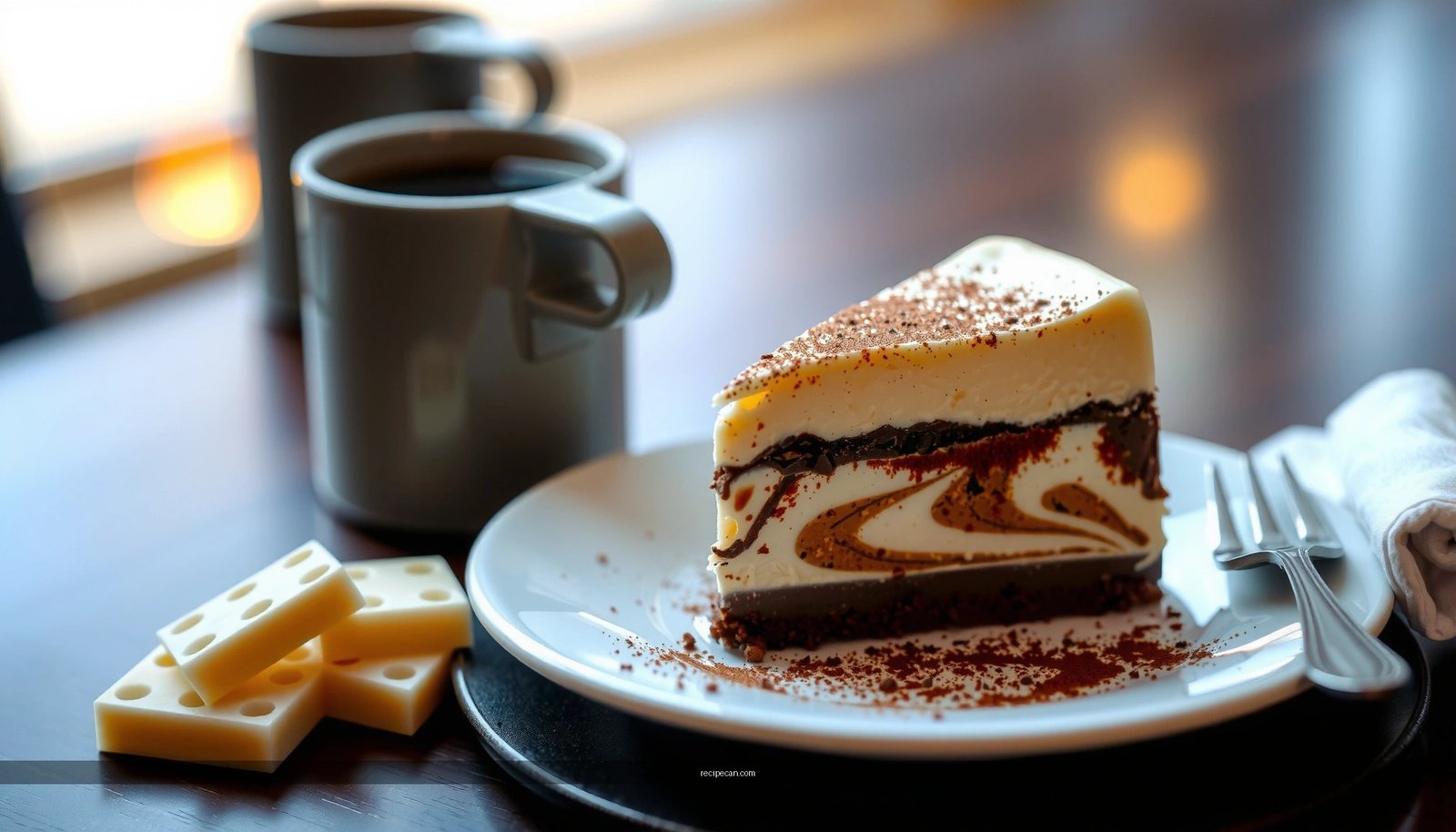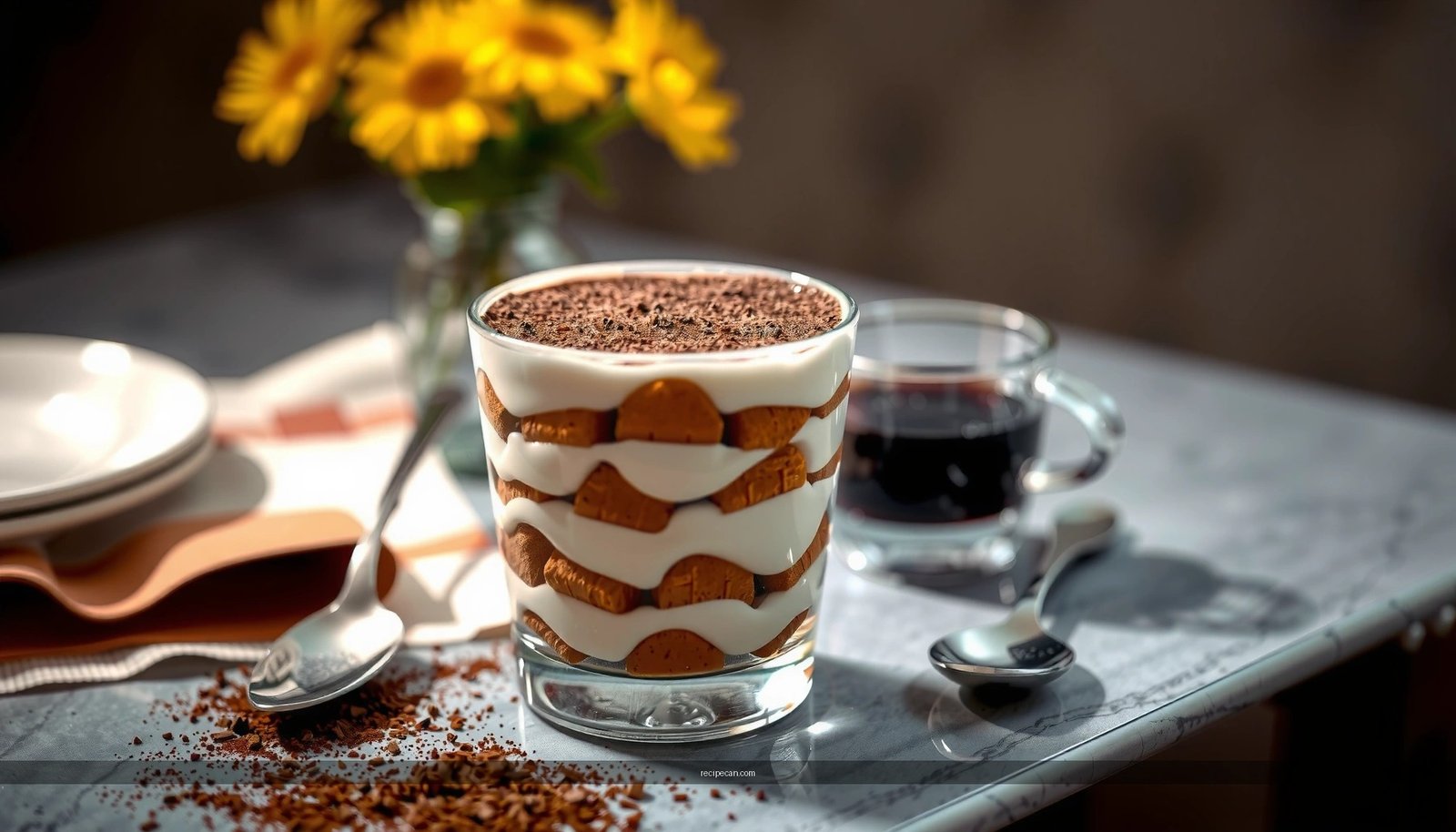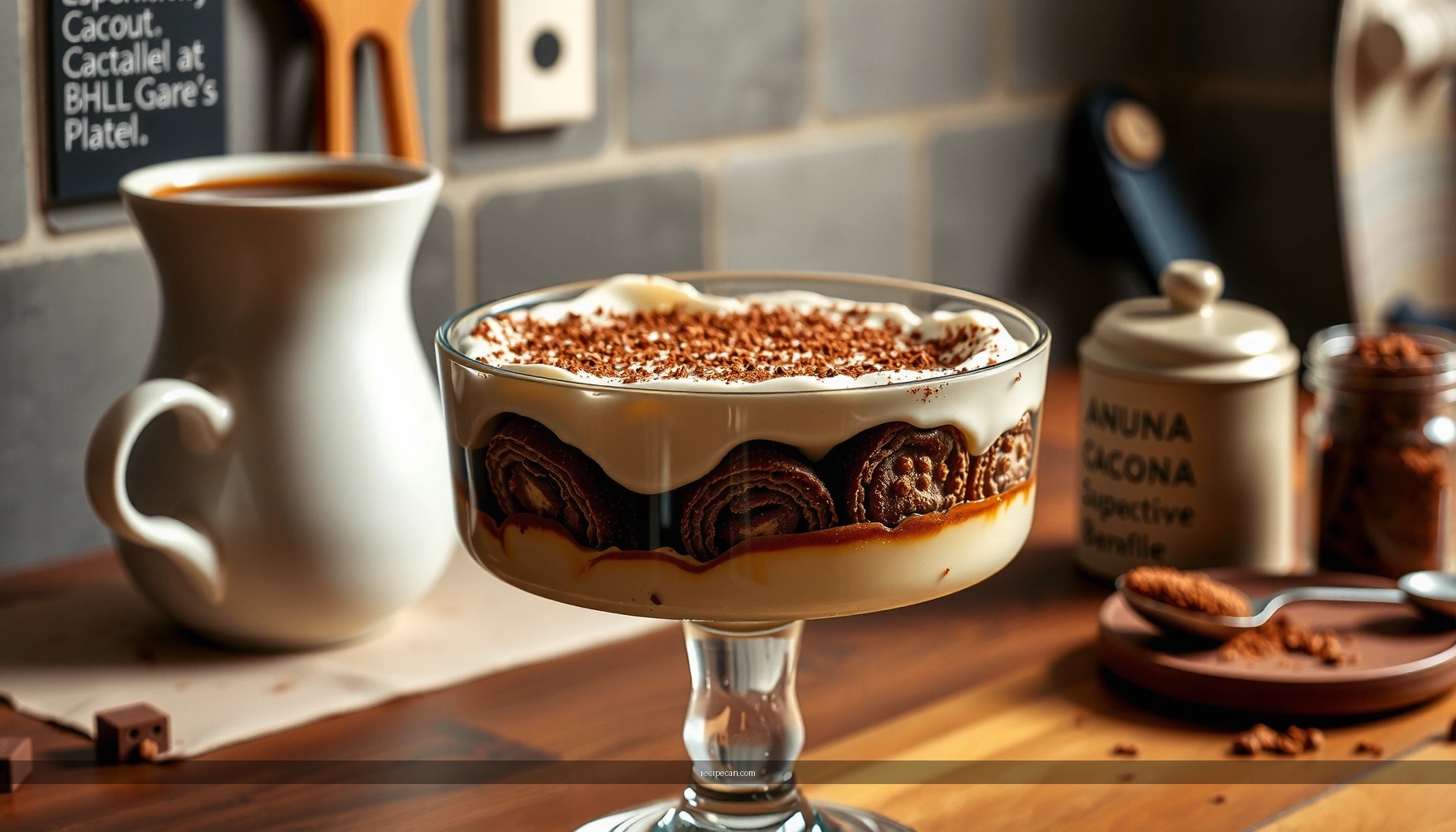
This easy Italian tiramisu recipe delivers a quick, classic dessert that actually sets—every time, even if you’re new to making tiramisu. You’ll get the foolproof method for layering espresso-soaked ladyfingers, mascarpone cream, and cocoa for clean slices without guesswork. If your goal is the fastest reliable tiramisu with the right texture and bold coffee flavor, this is the one to follow.
Yes—you can make a classic Italian tiramisù in about 20 minutes and get a creamy, sliceable result every time by using cooled espresso, thick mascarpone cream, and controlled ladyfinger dipping (not soaking). In this guide, you’ll follow a simple step-by-step process for layering, chilling, and serving, plus the most common failure points—so your tiramisu tastes “restaurant quality” without advanced skills.
What You Need for Easy Italian Tiramisu

To make an easy Italian tiramisu recipe that’s both classic and foolproof, focus on ingredients that create structure (the cream and set) as well as flavor contrast (coffee and cocoa). Most problems come from shortcuts here—especially thin cream, warm coffee, or watery assembly.
Core ingredients (classic):
– Mascarpone cheese: the creamy base that provides body and richness
– Strong espresso (or strong coffee): the flavor anchor for tiramisù
– Ladyfingers: the sponge-like layer that absorbs espresso quickly
– Sugar: balances bitterness and sweetens the mascarpone
– Cocoa powder: for the classic dusted finish (Dutch-process is common)
Optional upgrades (still classic-adjacent):
– Coffee liqueur (e.g., Marsala, Amaretto, or Kahlúa-style): adds depth and aroma
– Vanilla extract: rounds out the coffee notes and improves flavor uniformity
– Fine sea salt (pinch): can sharpen sweetness perception and make flavors pop
Practical ingredient guidance (to avoid “runny tiramisu”):
– Use cold mascarpone straight from the fridge for better thickness.
– Brew coffee strong (not weak drip) and let it cool to room temperature (or slightly cool). Warm coffee melts the cream and can turn the dessert watery.
– Choose quality cocoa for dusting—cheap cocoa often tastes flat and can look gray.
Quick Setup vs. Chilling Time for Classic Tiramisu (Practical Home Range)
| # | Process Step | Typical Time | Best-Texture Impact | Outcome Likelihood |
|---|---|---|---|---|
| 1 | Brew & cool espresso | 10–15 min | Prevents thinning | High |
| 2 | Mix mascarpone + sugar | 3–6 min | Sets cream thickness | High |
| 3 | Quick ladyfinger dip | 2–4 sec each | Controls moisture uptake | High |
| 4 | Assemble layers | 8–12 min | Even distribution | High |
| 5 | Chill minimum (covered) | 4 hours | Compacts and sets | Very likely |
| 6 | Chill ideal (overnight) | 10–14 hours | Best slice & flavor meld | Excellent |
| 7 | Assemble too early + serve fast | < 2 hours | Higher risk of softness | Lower |
Quick Prep: Make the Espresso and Cream

The “foolproof” part of an easy Italian tiramisu recipe is controlling temperature and consistency. If your coffee is warm or your cream is thin, the dessert won’t set the way you expect.
Step 1: Brew espresso, then cool
– Brew strong espresso (or a small batch of very strong coffee).
– Let it cool 10–15 minutes. You want it cool enough that it doesn’t soften mascarpone on contact.
If you’re in a hurry: pour coffee into a shallow bowl to cool faster, or refrigerate briefly (but avoid making it so cold that it shocks delicate texture).
Step 2: Mix mascarpone until smooth and thick
A classic approach is mascarpone + sugar (and optionally vanilla and/or coffee liqueur). Mix just until smooth—overmixing can sometimes loosen the texture.
Actionable consistency test:
– When you lift the spatula, the cream should hold soft peaks and look glossy, not runny.
– If it’s too thick, stir in 1–2 teaspoons of room-temperature espresso (not cold water). If it’s too loose, chill the bowl for 5–10 minutes and continue mixing gently.
Pro tip for flavor balance: Start with moderate sugar and taste the cream base if needed. Coffee bitterness varies by roast and brew strength.
Assemble the Tiramisu Layers

Layering is where many homemade tiramisu recipes go wrong—usually from over-dipping ladyfingers or uneven cream distribution. For the best creamy texture, aim for quick contact and consistent coverage.
Step 1: Dip ladyfingers fast—don’t soak
– Dip each ladyfinger into espresso for 2–4 seconds.
– You’re looking for surface saturation, not a fully softened, falling-apart biscuit.
Practical method: Use a shallow dish for espresso and flip quickly. If you notice the ladyfinger is bending excessively, reduce dip time.
Step 2: Layer for structure and even texture
A reliable classic pattern:
1. First layer: dipped ladyfingers (cover the bottom)
2. Cream layer: mascarpone mixture (spread evenly)
3. Repeat: ladyfingers, then cream
4. Finish with cream on top, then cocoa for serving (or dust lightly and re-dust right before serving)
Even coverage matters because it ensures each slice has balanced coffee flavor and creamy body. Press gently at the edges—avoid compressing hard, which can squeeze moisture upward.
Chill for the Best Texture
Chilling is not optional if you want a creamy, set tiramisu rather than a dessert that tastes right but cuts poorly.
Refrigerate at least 4 hours
– Minimum: 4 hours covered in the refrigerator.
– Ideal: overnight (10–14 hours).
Chilling helps:
– Cream firm up into a sliceable structure
– Ladyfingers absorb espresso evenly
– Flavors meld so the dessert tastes integrated rather than layered
Cover it to prevent drying
Tiramisu’s top can dry if left uncovered, and that affects both look and mouthfeel.
– Cover with plastic wrap directly against the surface or use a tight lid.
– If you plan to dust with cocoa, consider dusting right before serving for a fresh, aromatic top.
Timing strategy for gatherings: assemble in the early evening, chill overnight, and dust with cocoa in the final hour before serving.
Serving Tips and Common Mistakes
If your tiramisu tastes good but looks runny, the issue is usually technique—specifically coffee temperature, dip time, or insufficient chilling.
Serving tips that consistently improve results
– Dust generously with cocoa powder right before serving. This keeps the cocoa fragrant and prevents it from dissolving into moisture.
– Let the tray sit at cool room temperature for 5–10 minutes before slicing—cold tiramisu releases cleaner from the dish.
Common mistakes (and how to prevent them)
1. Watery tiramisu from warm coffee
– Fix: cool espresso to room temperature (or slightly cool).
2. Over-soaked ladyfingers
– Fix: reduce dip time; use a shallow dish.
3. Thin cream from overmixing or improper temperature
– Fix: keep mascarpone cold; mix gently until smooth; chill cream if needed.
4. Not enough chilling
– Fix: refrigerate at least 4 hours; overnight is best.
Quality check before serving
When you slice:
– The top should stay intact (cream should not collapse into a pool).
– Ladyfinger texture should be tender but defined, not gummy or soggy.
Easy Variations (Without Losing the Classic)
Classic tiramisu is about the balance of coffee, cream, and cocoa. Variations can be introduced safely as long as they don’t break that balance.
1) Add cinnamon or use chocolate shavings
– Add a pinch of cinnamon into the cocoa dusting for extra warmth.
– Or swap some cocoa dust with finely shaved dark chocolate for a more elegant finish.
When it works best: use these as a top garnish right before serving so aroma and texture stay fresh.
2) Use espresso + milk for a softer flavor (optional)
Some home bakers blend part of the espresso with a small amount of milk to soften bitterness.
– Keep the mixture still strong, because tiramisu needs coffee identity.
– Dip ladyfingers the same way—briefly—to avoid excess moisture.
3) Coffee liqueur and vanilla (best controlled upgrade)
– A teaspoon or two of coffee liqueur can deepen flavor without making the dessert overly boozy.
– Vanilla improves perceived sweetness and smooths sharp edges in the coffee profile.
Best practice: if you’re making tiramisu for guests who avoid alcohol, omit the liqueur and rely on vanilla and strong espresso.
4) A practical “business-ready” serving approach
If you’re making tiramisu for a workplace event:
– Assemble the tray the night before.
– Dust with cocoa right before presentation.
– Slice with a warm knife (run under hot water and wipe dry) for clean portions.
Tiramisu Adjustment Matrix: Choose Your Path (Classic Texture Preserved)
| # | Method Option | Skill Level | Best For | Verdict |
|---|---|---|---|---|
| 1 | Pure mascarpone + sugar | Beginner | Classic reliability | ★★★☆☆ |
| 2 | Mascarpone + sugar + vanilla | Beginner | Softer aroma | ★★★★☆ |
| 3 | Espresso-only dipping | Beginner | Bold coffee taste | ★★★★☆ |
| 4 | Espresso + splash of milk | Intermediate-lite | Gentler bitterness | ★★★☆☆ |
| 5 | Coffee liqueur in cream (optional) | Beginner | Enhanced depth | ★★★★☆ |
After chilling, your easy Italian tiramisu recipe should be creamy, set, and ready to serve—an ideal dessert for impressing guests without stress. Make it once with the classic method, then try one variation (vanilla, cinnamon cocoa, or espresso + milk) so you can dial the flavor to your audience. If you’re planning ahead, bake-and-chill style works perfectly: assemble the tray, cover well, and refrigerate overnight for the best texture and cleanest slices.
In conclusion, the “secret” to an easy Italian tiramisu recipe isn’t complicated technique—it’s disciplined fundamentals: cool espresso, thick mascarpone cream, brief ladyfinger dipping, and sufficient covered chilling. Get those four elements right and you’ll produce a classic, creamy tiramisu with consistent results every time, whether you’re serving family or delivering a polished dessert for a professional event.
Frequently Asked Questions
What is the easiest Italian tiramisu recipe for beginners?
The easiest Italian tiramisu recipe uses just a few classic ingredients: mascarpone, espresso (or strong coffee), ladyfingers, eggs (optional), sugar, and cocoa powder. Start by dipping ladyfingers quickly in cooled espresso, then layer them with a mascarpone mixture, repeating once or twice. Chill for at least 4 hours so the flavors blend and the texture sets like traditional tiramisu.
How do you make tiramisu without raw eggs using a simple method?
If you want an easy Italian tiramisu recipe without raw eggs, use a mascarpone mixture without yolks or choose a no-egg option with sweetened mascarpone whipped to soft peaks. Another beginner-friendly option is to make zabaglione-style filling by gently cooking egg yolks with sugar over a simmering water bath, then cooling before mixing with mascarpone. Either approach keeps your tiramisu creamy and safe while still tasting authentic.
How long should you chill tiramisu before serving?
For the best results, chill your easy Italian tiramisu recipe for at least 4 hours, or ideally overnight. This resting time allows the coffee-soaked ladyfingers to soften and absorb flavor, creating the signature creamy layers. If you serve too soon, the dessert may taste more like separate components and feel less cohesive.
Which coffee works best for an authentic-tasting Italian tiramisu?
Use strong espresso or very strong brewed coffee for the most authentic flavor in your Italian tiramisu. Let the coffee cool completely before dipping the ladyfingers so they don’t become too soggy. For extra depth, choose a slightly bitter coffee and optionally add a small splash of rum or marsala to match classic Italian tiramisu profiles.
Why does my tiramisu turn watery, and how can I fix it?
Watery tiramisu usually happens when ladyfingers soak too long or when the mascarpone mixture is too loose. Dip each ladyfinger quickly—just a second or two per side—then layer immediately to keep the structure. Also chill the mascarpone filling and avoid overmixing; if it’s runny, fold gently and consider adding a thicker mascarpone base or chilling longer before serving.
References
- Tiramisu
https://en.wikipedia.org/wiki/Tiramisu - Tiramisu | Meaning, Ingredients, Origin, Desserts, & Taste | Britannica
https://www.britannica.com/topic/tiramisu - Mascarpone
https://en.wikipedia.org/wiki/Mascarpone - Lady finger
https://en.wikipedia.org/wiki/Ladyfinger - Espresso
https://en.wikipedia.org/wiki/Espresso - Cocoa powder
https://en.wikipedia.org/wiki/Cocoa_powder - Google Scholar Google Scholar
https://scholar.google.com/scholar?q=easy+italian+tiramisu+recipe+mascarpone+ladyfingers - Google Scholar Google Scholar
https://scholar.google.com/scholar?q=tiramisu+recipe+traditional+preparation+coffee+cocoa - Google Scholar Google Scholar
https://scholar.google.com/scholar?q=italian+dessert+tiramisu+ingredient+mascarpone+specifications - Google Scholar Google Scholar
https://scholar.google.com/scholar?q=easy+italian+tiramisu+recipe