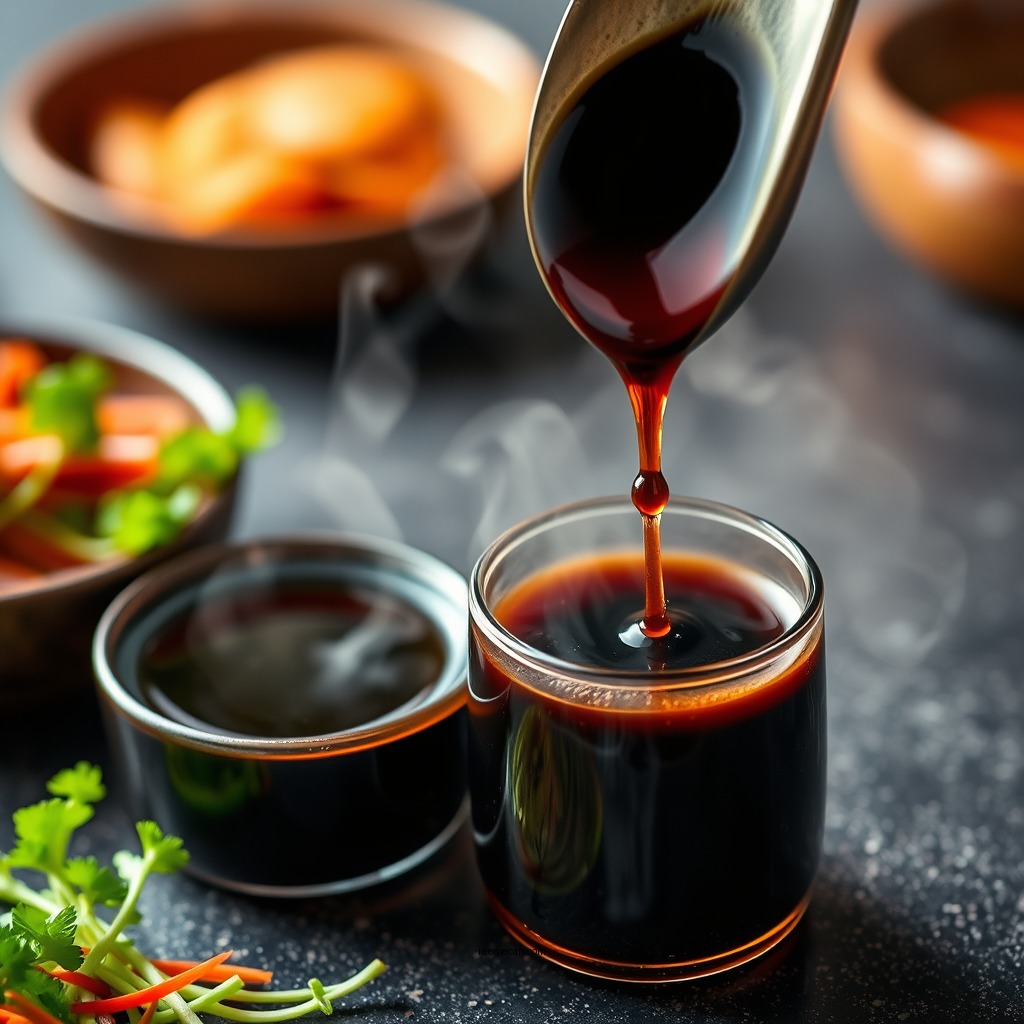
Making your own soy sauce at home is simpler than you might think, and it allows you to customize flavors to your liking. In this guide, you’ll learn a straightforward recipe to create delicious soy sauce using common kitchen ingredients. This DIY approach not only saves money but also empowers you to tailor the flavor profile to suit your culinary preferences.
Understanding Soy Sauce Ingredients
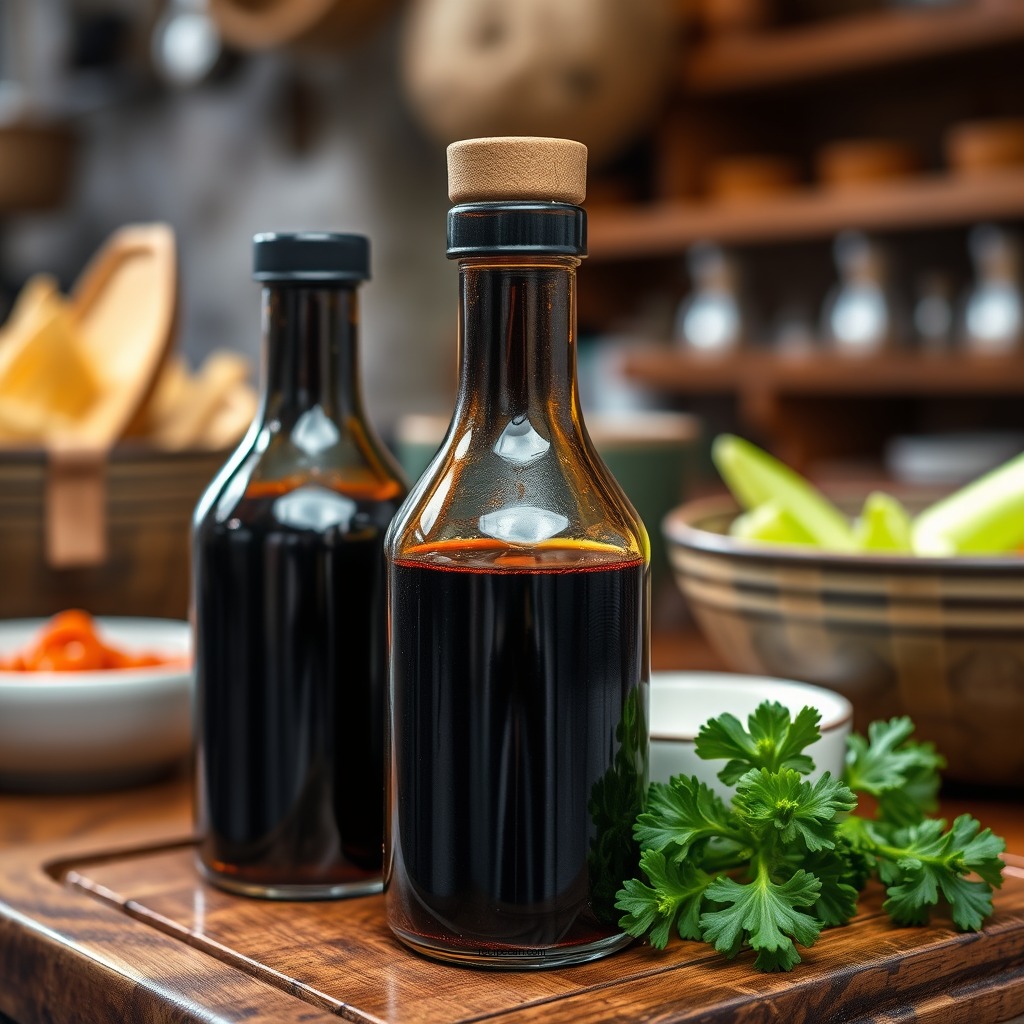
Creating a rich and flavorful soy sauce begins with understanding its essential ingredients:
– Soybeans: The primary ingredient, soybeans are rich in protein and provide the umami flavor that is characteristic of soy sauce. They undergo a fermentation process that enhances their natural flavors.
– Wheat: Wheat is traditionally included in many soy sauce recipes, contributing sweetness and complexity to the sauce. For those with gluten sensitivities, gluten-free alternatives like rice or corn can be used instead.
– Salt: Salt is crucial not only for flavor but also for preservation. It plays a key role in the fermentation process, inhibiting the growth of unwanted bacteria while allowing beneficial cultures to thrive.
Understanding these ingredients will help you appreciate the delicate balance of flavors in your homemade soy sauce.
The Fermentation Process
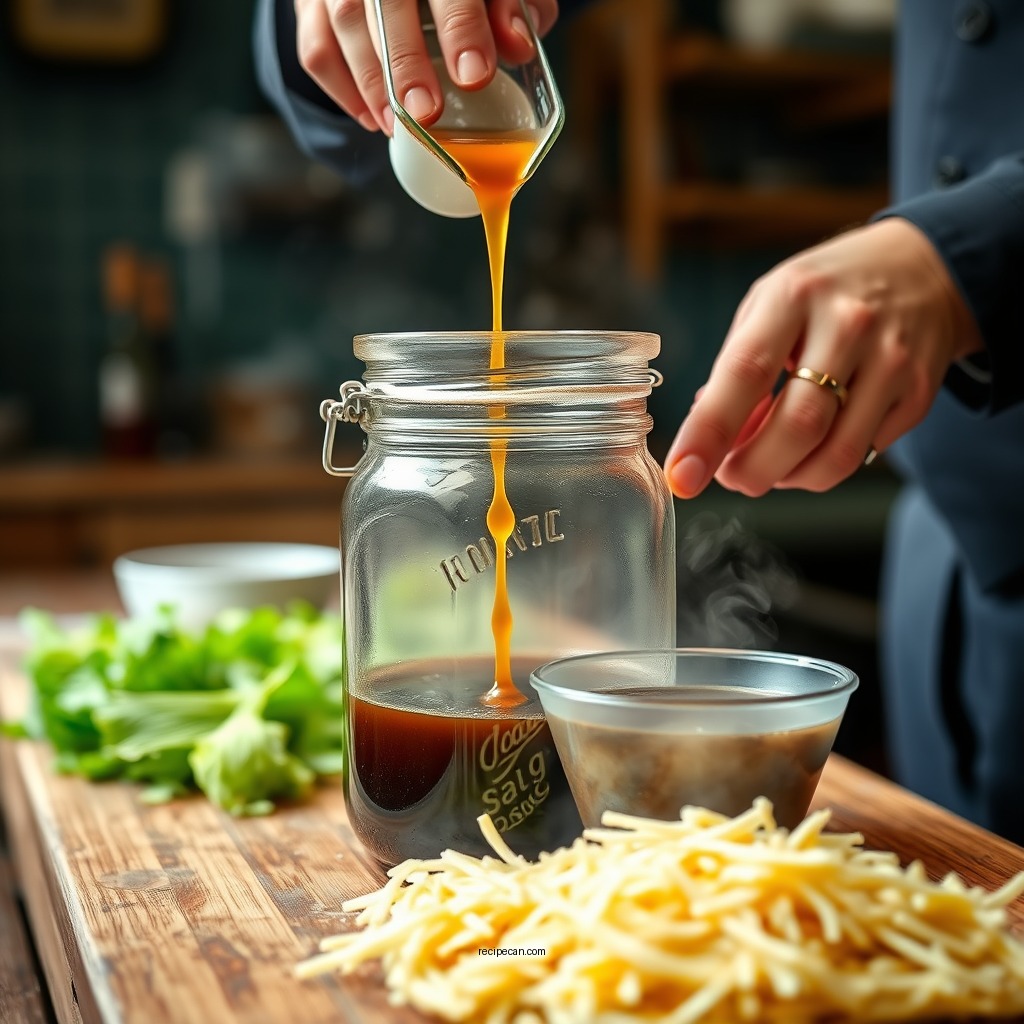
The fermentation process is what transforms your mixture of soybeans, wheat, and salt into a flavorful soy sauce:
– Importance of Fermentation: This step is essential, as it allows the flavors to develop complexity. During fermentation, enzymes break down the proteins and starches into amino acids and sugars, resulting in the rich taste profile we associate with soy sauce.
– Timeframe: Typically, soy sauce requires several weeks of fermentation to reach optimal flavor. Depending on your taste preference, you may choose to ferment for anywhere between six weeks to several months.
– Environmental Factors: Choose a warm, dark place for fermentation. The ideal temperature is between 60°F to 75°F (15°C to 24°C), as this range encourages the growth of beneficial microbes while preventing spoilage.
Understanding the fermentation process is key to achieving the desired flavor and aroma in your soy sauce.
Step-by-Step Soy Sauce Recipe
Now that you understand the ingredients and fermentation process, here is a simple step-by-step recipe to create your own soy sauce:
1. Prepare the Ingredients: Begin by soaking 1 cup of soybeans in water for 12 hours. After soaking, cook the soybeans in boiling water for about 2 hours until they are soft. Drain and let them cool. Meanwhile, toast 1 cup of wheat flour in a pan until it turns light brown.
2. Combine and Ferment: In a large mixing bowl, combine the cooled soybeans and toasted wheat. Add 1/2 cup of salt and 4 cups of water, stirring until the salt dissolves. Transfer the mixture to a fermentation container, ensuring it is covered loosely to allow for air circulation.
3. Monitor Progress: Store the container in a warm, dark place and check it periodically. Stir the mixture gently every week. After about six weeks, taste your soy sauce; if it’s not flavorful enough, you can let it ferment longer.
Here’s a helpful visual summary of the process:
Soy Sauce Fermentation Timeline
| Week | Flavor Development |
|---|---|
| 1 | Initial fermentation starts, soy flavor begins to develop. |
| 2 | Complex flavors start to emerge; monitor closely. |
| 3 | Flavor enhancement; stir the mixture weekly. |
| 4 | Taste testing; adjust fermentation time based on desired flavor. |
| 5 | Flavor deepening; check for signs of spoilage. |
| 6 | Optimal flavor reached; ready for bottling. |
Flavor Variations to Try
Once you’ve mastered the basic soy sauce recipe, consider experimenting with various flavor profiles:
– Adding Spices: Enhance your soy sauce by mixing in spices such as minced garlic, grated ginger, or chili flakes. Each spice adds a unique kick, allowing for personalized flavor adjustments.
– Alternative Sweeteners: Instead of using traditional sugar, try natural sweeteners like honey or brown sugar. These can introduce a different flavor dimension to your soy sauce.
– Aging Techniques: If you want to deepen the flavor, consider aging your soy sauce in different containers (such as oak barrels) or for extended periods. This can impart additional complexity and richness to the final product.
Experimenting with these variations can make your homemade soy sauce truly your own.
Storing Your Homemade Soy Sauce
Proper storage is essential for maintaining the quality of your homemade soy sauce:
– Proper Containers: Use glass jars or bottles to store your soy sauce. Metal containers can react with the acid in the sauce, altering its flavor.
– Shelf Life: When stored in a cool, dark place, homemade soy sauce can last for several months. However, be sure to label your containers with the date of bottling.
– Signs of Spoilage: Monitor for any off-smells, discoloration, or mold. If you notice any of these signs, it’s safest to discard the sauce.
Storing your soy sauce correctly will ensure that you enjoy its full flavor for as long as possible.
Using Your Soy Sauce
Your homemade soy sauce is versatile and can be used in a variety of culinary applications:
– Culinary Applications: Use your soy sauce in marinades for meats, as a flavor enhancer in stir-fries, or as a dipping sauce for sushi and dumplings. Its umami flavor makes it a perfect complement to many dishes.
– Pairing Suggestions: Consider pairing soy sauce with rice, noodles, or grilled vegetables. It can elevate the overall taste of your meals significantly.
– Cooking Tips: Use your homemade soy sauce as a seasoning in soups, salad dressings, or even in braising liquid for meats. Its rich flavor can enhance numerous dishes.
Incorporating your homemade soy sauce into your cooking can transform ordinary meals into extraordinary culinary experiences.
Homemade soy sauce is a rewarding culinary project that enhances your dishes with rich flavors. By following this easy recipe and experimenting with variations, you can create a personalized condiment that elevates your meals. Get started today and enjoy the satisfaction of making your own soy sauce from scratch!
Frequently Asked Questions
What ingredients do I need to make homemade soy sauce?
To create homemade soy sauce, you’ll need soybeans, wheat flour, water, and a specific type of mold called Aspergillus oryzae for fermentation. Additionally, you will require a starter culture of koji, salt, and sometimes additional flavorings like sugar or vinegar to enhance the taste.
How long does it take to ferment soy sauce at home?
The fermentation process for homemade soy sauce typically takes between 6 months to 2 years, depending on the method and desired flavor profile. During this time, the mixture undergoes complex biochemical reactions, developing the rich umami flavor that soy sauce is known for.
Why is my homemade soy sauce too salty?
If your homemade soy sauce is too salty, it may be due to an excess of salt added during the fermentation process. To mitigate this, consider diluting it with water or using it sparingly in recipes until you find the right balance, as homemade soy sauce often has a stronger flavor than store-bought versions.
What is the best way to store homemade soy sauce?
The best way to store homemade soy sauce is in a cool, dark place, ideally in a glass or ceramic container to prevent any chemical reactions. Once opened, it can be refrigerated to maintain its flavor and freshness, extending its shelf life significantly.
Which types of soy sauce can I make at home?
At home, you can make various types of soy sauce, including light soy sauce, dark soy sauce, and tamari. Each type has a unique flavor profile and usage; for example, light soy sauce is typically saltier and used for seasoning, while dark soy sauce is richer and adds color to dishes.
References
- Soy sauce
https://en.wikipedia.org/wiki/Soy_sauce - Soy sauce | Definition, Origin, Benefits, & History | Britannica
https://www.britannica.com/topic/soy-sauce - https://www.ncbi.nlm.nih.gov/pmc/articles/PMC6521094/
https://www.ncbi.nlm.nih.gov/pmc/articles/PMC6521094/ - https://www.nytimes.com/2021/04/28/dining/soy-sauce.html
https://www.nytimes.com/2021/04/28/dining/soy-sauce.html - https://www.sciencedirect.com/topics/food-science/soy-sauce
https://www.sciencedirect.com/topics/food-science/soy-sauce - https://www.verywellfit.com/how-to-make-soy-sauce-4782910
https://www.verywellfit.com/how-to-make-soy-sauce-4782910 - https://www.healthline.com/nutrition/soy-sauce
https://www.healthline.com/nutrition/soy-sauce - Google Scholar Google Scholar
https://scholar.google.com/scholar?q=soy+sauce+recipe - Google Scholar Google Scholar
https://scholar.google.com/scholar?q=soy+sauce+fermentation - Google Scholar Google Scholar
https://scholar.google.com/scholar?q=soy+sauce+health+benefits