This easy homemade mayonnaise recipe delivers rich flavor and creamy texture in just minutes, making it the clear choice for anyone looking to enhance their dishes effortlessly. Skip the store-bought options filled with preservatives and embrace the simplicity of fresh ingredients. Whether for sandwiches, salads, or dips, this recipe ensures you’ll never settle for less.
Making homemade mayonnaise is simple and requires just a few ingredients: eggs, oil, and vinegar or lemon juice. This quick and delicious recipe allows you to whip up creamy mayonnaise in just minutes, providing a fresh alternative to store-bought versions. Perfect for enhancing sandwiches, salads, and dips, homemade mayonnaise is not only flavorful but also customizable to suit your taste preferences.
Essential Ingredients for Homemade Mayonnaise
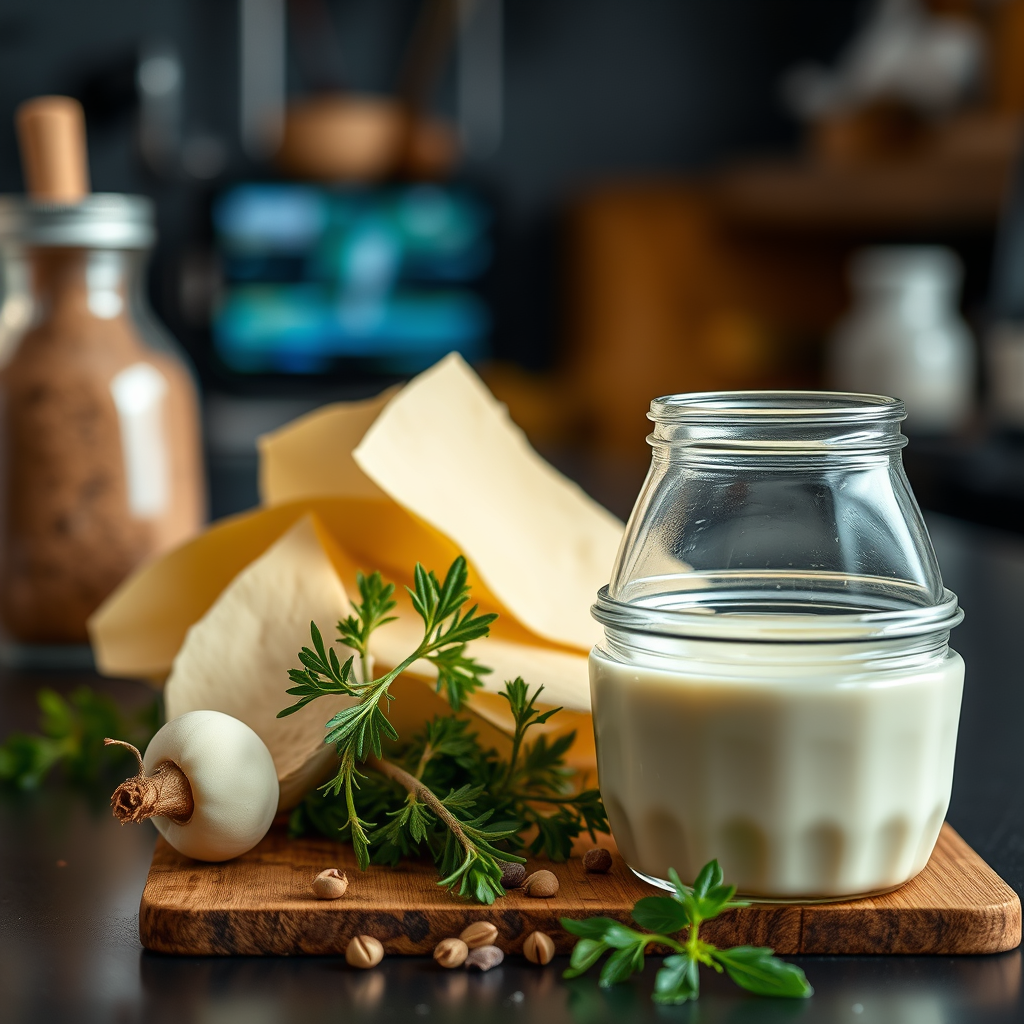
To create your own mayonnaise, you’ll need a few essential ingredients. Each component plays a critical role in achieving the perfect texture and flavor.
– Fresh eggs: It is vital to use fresh eggs for the best results. Eggs should be at room temperature to facilitate proper emulsification, which is the process of blending oil and water-based ingredients to create a stable mixture.
– Oil: The type of oil you select significantly affects the flavor of your mayonnaise. Neutral oils like vegetable or canola oil are popular choices because they provide a mild base that allows other flavors to shine. If you’re feeling adventurous, you could experiment with olive oil for a more robust taste, though this can lead to a stronger flavor profile.
– Acid: An acid, such as lemon juice or vinegar, is essential to balance the richness of the oil. It not only adds flavor but also helps stabilize the emulsion. Fresh lemon juice gives a bright flavor, while vinegar can add a slight tang, depending on the variety you choose.
Step-by-Step Instructions

Creating homemade mayonnaise involves a straightforward process. Follow these steps to ensure a smooth and creamy result:
1. Combine ingredients: Start by adding one large egg and one tablespoon of acid (lemon juice or vinegar) to a blender or food processor. Ensure that your equipment is clean to avoid any contamination.
2. Gradually add oil: Begin blending on a low speed, slowly drizzling in about one cup of oil. This careful addition is crucial; if added too quickly, the mixture can break, leading to a separated mayonnaise. Keep blending until the mixture thickens and emulsifies into a silky texture.
Tips for Perfect Consistency

Achieving the ideal consistency for your homemade mayonnaise can sometimes be tricky. Here are some tips to help you perfect your emulsion:
– Adjust oil quantity: If you prefer thicker mayonnaise, use less oil. Conversely, for a thinner consistency, add a bit more oil during the blending process.
– Blend time: Ensure you blend long enough to achieve the desired creaminess. Typically, this will take about 30 seconds to a minute, depending on your equipment. If the mayonnaise seems too thin, continue blending until it thickens.
Flavor Variations to Try
Once you’ve mastered the basic recipe, consider experimenting with a variety of flavors to customize your mayonnaise:
– Garlic aioli: By simply adding minced garlic to your mayonnaise, you can create a zesty garlic aioli. This variation is perfect for dipping vegetables or as a spread for sandwiches.
– Herbed mayonnaise: Incorporate fresh herbs, such as dill, basil, or chives, into your mayonnaise for a flavorful twist. This herbed version works wonderfully as a salad dressing or a topping for grilled meats.
Storage and Shelf Life

To enjoy your homemade mayonnaise safely and effectively, follow these storage guidelines:
– Refrigeration: Store your mayonnaise in an airtight container in the refrigerator. It will typically last for up to one week. Always label the container with the date to keep track of its freshness.
– Freezing: Freezing mayonnaise is not recommended, as the texture can become grainy and separate once thawed.
Common Mistakes to Avoid
When making mayonnaise, there are several common pitfalls to watch out for:
– Using cold eggs: Always ensure your eggs are at room temperature before starting the emulsification process. Cold eggs can hinder the emulsification, leading to a failure in achieving the desired consistency.
– Adding oil too quickly: As mentioned earlier, adding oil too rapidly can cause the mayonnaise to split. Take your time during this step for the best results.
Troubleshooting Your Mayonnaise
If your homemade mayonnaise doesn’t turn out as expected, here are solutions to common issues:
– Separation: If your mayonnaise splits, don’t despair. Simply add a teaspoon of water and blend the mixture again. This often helps re-emulsify the sauce.
– Flavor adjustments: If your mayonnaise tastes bland, try adding a pinch of salt or more acid to enhance the overall flavor. A bit of mustard can also add depth and complexity.
Homemade Mayonnaise Variations and Their Popularity
| # | Variation | Popularity (%) | Rating |
|---|---|---|---|
| 1 | Classic Mayonnaise | 45% | ★★★★☆ |
| 2 | Garlic Aioli | 30% | ★★★★★ |
| 3 | Herbed Mayonnaise | 15% | ★★★☆☆ |
| 4 | Chipotle Mayonnaise | 5% | ★★☆☆☆ |
| 5 | Sriracha Mayo | 5% | ★★☆☆☆ |
| 6 | Truffle Mayonnaise | 3% | ★★☆☆☆ |
| 7 | Wasabi Mayonnaise | 2% | ★☆☆☆☆ |
By following this easy homemade mayonnaise recipe, you’ll enjoy fresh, flavorful mayo in no time. The best part is that you can experiment with different flavors and variations to find your favorite version. Whether you’re making a classic sandwich spread or a unique aioli, homemade mayonnaise is a simple and rewarding addition to your culinary repertoire.
Frequently Asked Questions
What ingredients do I need for an easy homemade mayonnaise recipe?
To make easy homemade mayonnaise, you’ll need just a few simple ingredients: one large egg, one tablespoon of Dijon mustard, one tablespoon of white vinegar or lemon juice, and one cup of neutral oil such as canola or avocado oil. Salt and pepper can be added to taste for extra flavor.
How do I make mayonnaise from scratch without a blender?
You can make mayonnaise without a blender by using a whisk or an immersion blender. Start by whisking the egg, mustard, and vinegar together in a bowl, then slowly drizzle in the oil while continuously whisking until the mixture emulsifies and thickens. This method can take a bit more effort but yields delicious homemade mayonnaise.
Why is my homemade mayonnaise too runny, and how can I fix it?
If your homemade mayonnaise is too runny, it may be due to adding the oil too quickly or not using enough egg. To fix it, try adding a teaspoon of water or a bit more mustard to the mixture and whisking vigorously to help it thicken. Alternatively, you can start a new batch with an egg and slowly incorporate the runny mayonnaise to achieve the desired consistency.
What is the best way to store homemade mayonnaise for freshness?
The best way to store homemade mayonnaise is in an airtight container in the refrigerator, where it can last for about one week. Be sure to label the container with the date you made it. For optimal freshness, always use clean utensils when scooping out mayonnaise to avoid introducing bacteria.
Which oils are best for making homemade mayonnaise?
The best oils for making homemade mayonnaise include neutral-flavored oils like canola, sunflower, or grapeseed oil, which won’t overpower the taste. However, olive oil can also be used for a richer flavor, although it may create a more intense taste. Choose an oil based on your flavor preference and dietary needs for the best homemade mayonnaise experience.
References
- Mayonnaise
https://en.wikipedia.org/wiki/Mayonnaise - https://www.ncbi.nlm.nih.gov/pmc/articles/PMC7062265/
https://www.ncbi.nlm.nih.gov/pmc/articles/PMC7062265/ - https://www.mayoclinic.org/healthy-lifestyle/nutrition-and-healthy-eating/expert-answers/mayonnaise/faq-20058007
https://www.mayoclinic.org/healthy-lifestyle/nutrition-and-healthy-eating/expert-answers/mayonnaise/faq-20058007 - https://www.bbc.co.uk/food/recipes/mayonnaise_87485
https://www.bbc.co.uk/food/recipes/mayonnaise_87485 - https://www.sciencedirect.com/topics/agricultural-and-biological-sciences/mayonnaise
https://www.sciencedirect.com/topics/agricultural-and-biological-sciences/mayonnaise - https://www.healthline.com/nutrition/mayonnaise-healthy
https://www.healthline.com/nutrition/mayonnaise-healthy - https://www.reuters.com/article/us-health-foods-mayonnaise-idUSKBN2B00Y9
https://www.reuters.com/article/us-health-foods-mayonnaise-idUSKBN2B00Y9 - https://www.theguardian.com/food/2020/jul/06/how-to-make-mayonnaise
https://www.theguardian.com/food/2020/jul/06/how-to-make-mayonnaise - Google Scholar Google Scholar
https://scholar.google.com/scholar?q=easy+homemade+mayonnaise+recipe - Google Scholar Google Scholar
https://scholar.google.com/scholar?q=mayonnaise+nutritional+benefits