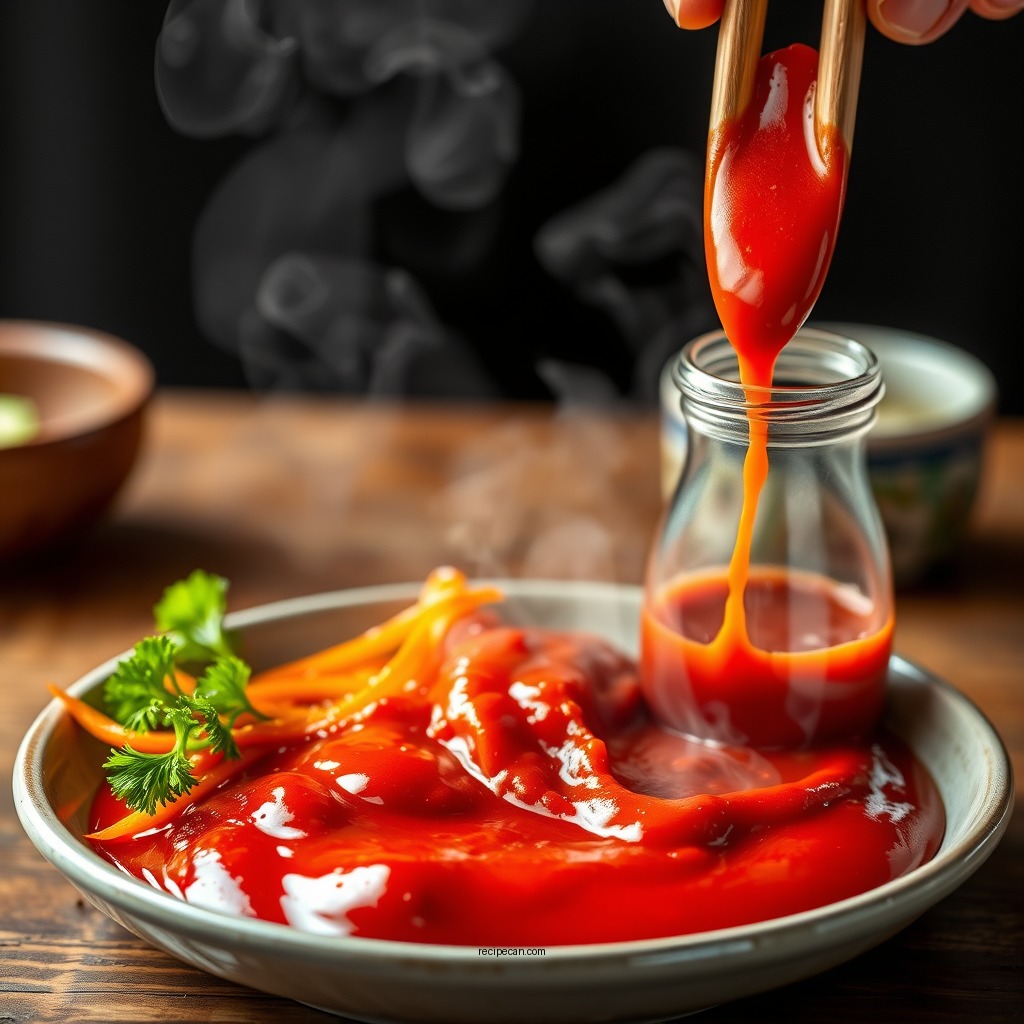
Gochujang sauce is a versatile and flavorful Korean condiment that you can effortlessly prepare at home using just a handful of ingredients. This sauce not only adds a spicy kick to your dishes but also offers a unique blend of sweet and savory notes that can elevate any meal, from marinades to dips. In this article, you’ll learn how to create your own gochujang sauce and discover its culinary applications, customization tips, and storage recommendations.
What is Gochujang?

Gochujang is a staple in Korean cuisine, characterized by its rich, complex flavor profile. It is a fermented chili paste made from red chili powder, glutinous rice, fermented soybeans, and salt. The fermentation process contributes to its depth of flavor, resulting in a condiment that is both spicy and slightly sweet. The umami undertones derived from the fermented soybeans make gochujang a beloved ingredient not just in Korea, but globally.
The paste can be used in various culinary applications, from enhancing stews like kimchi jjigae (kimchi stew) to serving as a base for sauces and marinades. Its ability to meld well with different flavors makes it a favorite among chefs and home cooks alike.
Ingredients for Gochujang Sauce
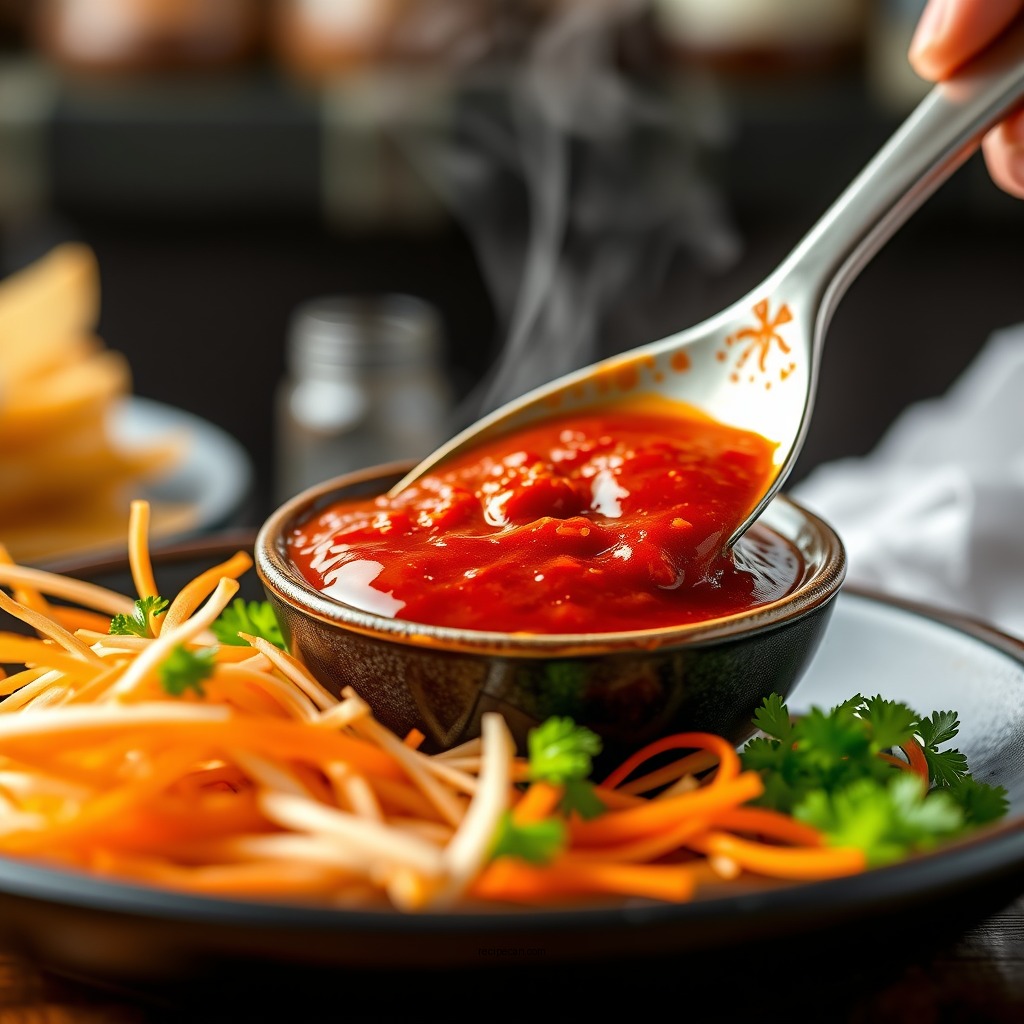
To create your own gochujang sauce, you will need the following key ingredients:
– Gochujang Paste: The star ingredient that provides the primary flavor.
– Soy Sauce: Adds saltiness and depth.
– Honey or Sugar: Balances the heat with sweetness.
– Rice Vinegar: Introduces acidity to round out the flavors.
– Sesame Oil: Adds nuttiness and richness.
Optional Ingredients for Enhanced Flavor
To further customize your gochujang sauce, you can incorporate optional ingredients such as:
– Garlic: Freshly minced garlic can provide a pungent kick.
– Ginger: Adds warmth and depth.
– Lime Juice: A splash can brighten the sauce, making it more refreshing.
These optional components allow you to tailor the sauce to your taste preferences, creating a unique flavor profile that suits your dishes.
Step-by-Step Recipe
Creating your own gochujang sauce is a straightforward process. Follow these simple steps:
1. In a mixing bowl, combine 3 tablespoons of gochujang paste with 2 tablespoons of soy sauce.
2. Add 1 tablespoon of honey (or sugar) and 1 tablespoon of rice vinegar, mixing until smooth.
3. Finish with a drizzle of sesame oil for richness. For an extra layer of flavor, feel free to add minced garlic or ginger to the mixture.
This recipe yields a delicious sauce that can be adjusted to your preferred spice level and sweetness.
Top 7 Ingredients for Gochujang Sauce
| # | Ingredient | Quantity | Purpose |
|---|---|---|---|
| 1 | Gochujang Paste | 3 tbsp | Base flavor |
| 2 | Soy Sauce | 2 tbsp | Salinity |
| 3 | Honey/Sugar | 1 tbsp | Sweetness |
| 4 | Rice Vinegar | 1 tbsp | Acidity |
| 5 | Sesame Oil | 1 tsp | Richness |
| 6 | Garlic (optional) | 1 clove | Pungency |
| 7 | Ginger (optional) | 1 tsp | Warmth |
Tips for Customizing Your Sauce
Customizing your gochujang sauce allows you to make it uniquely yours. Here are some tips:
– Adjust Spiciness: If you prefer a milder sauce, reduce the amount of gochujang paste. Conversely, if you enjoy heat, add more paste or include fresh chili peppers for an extra kick.
– Experiment with Sweetness: Play around with the quantity of honey or sugar. If you enjoy a sweeter sauce, increase the sweetener. Alternatively, for a more savory profile, reduce it.
– Add Fresh Ingredients: Incorporating fresh herbs like cilantro or green onions can introduce a refreshing note to the sauce.
Finding the right balance of flavors will enhance your culinary experiences and help you create the perfect gochujang sauce for your needs.
How to Use Gochujang Sauce
Gochujang sauce is incredibly versatile and can be used in various ways:
– Marinades: Use it as a marinade for meats such as chicken, pork, or tofu. The sauce penetrates the protein, adding depth and an irresistible flavor during grilling or baking.
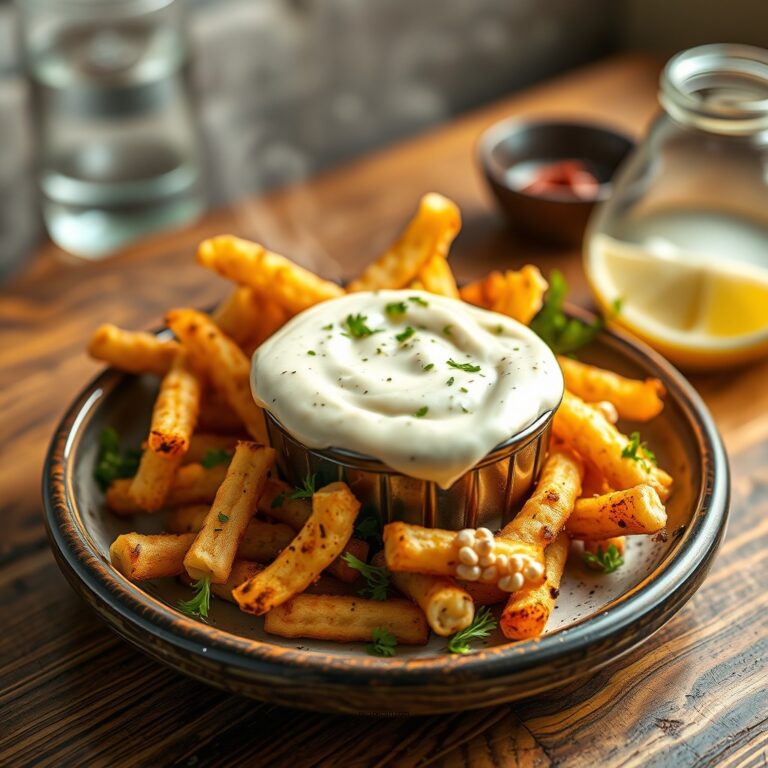
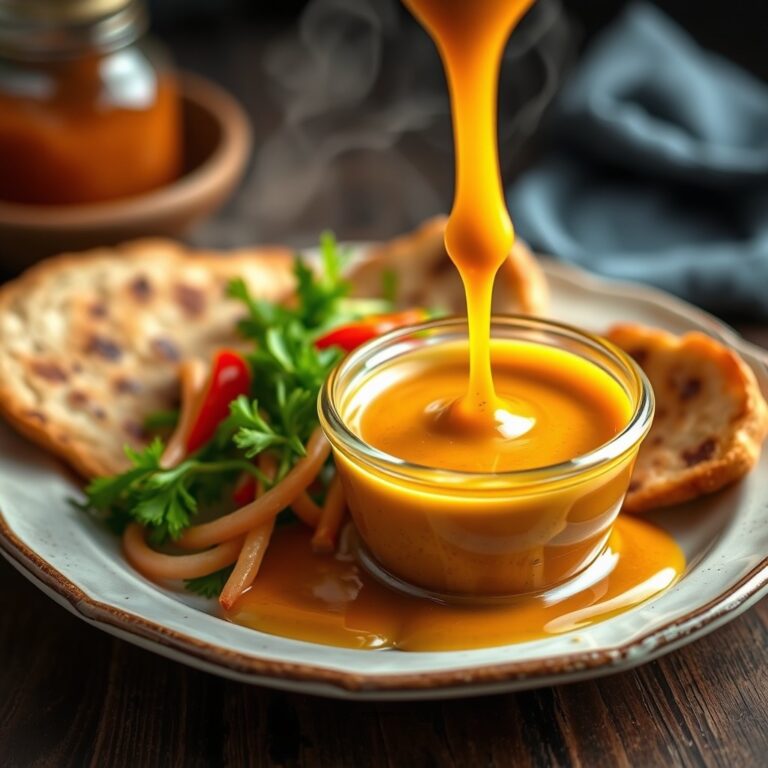
– Dipping Sauce: It serves as an excellent dipping sauce for fresh vegetables, dumplings, or spring rolls. You can serve it alongside a plate of crudités for a delightful appetizer.
– Dressings: Mix gochujang sauce with yogurt or mayonnaise to create a unique salad dressing or sandwich spread. This adds a spicy twist to your regular dishes.
Incorporating gochujang sauce into your meals will not only enhance the flavor but also introduce an authentic Korean element to your cuisine.
Usage of Gochujang Sauce in Various Dishes
Storage and Shelf Life
Proper storage of your gochujang sauce can extend its shelf life and maintain its flavor. Here are some tips:
– Storage: Keep the sauce in an airtight container in the refrigerator. This will help preserve its freshness.
– Shelf Life: The sauce can last for up to a month when stored correctly. However, it is best used fresh to enjoy its optimal flavor profile.
Always check for any changes in appearance or smell before using the sauce, as this can indicate spoilage.
Using this easy gochujang sauce recipe, you can elevate your dishes with its rich and complex flavors. Whether you’re making a spicy stir-fry or a zesty dip, this versatile sauce is sure to impress. Don’t hesitate to try out your homemade version and enjoy the unique taste of Korean cuisine right at home!
Frequently Asked Questions
What ingredients do I need for a basic gochujang sauce recipe?
To make a basic gochujang sauce, you will need gochujang (Korean red chili paste), soy sauce, honey or sugar, rice vinegar, and sesame oil. These ingredients work together to create a flavorful and spicy sauce that can enhance your dishes. You can also add garlic or ginger for additional depth of flavor.
How can I adjust the spiciness of my gochujang sauce?
To adjust the spiciness of your gochujang sauce, you can either increase or decrease the amount of gochujang you use. If you prefer a milder sauce, try mixing in more honey or sugar to balance the heat. Alternatively, adding a splash of water can dilute the spice without compromising the overall flavor.
Why is gochujang sauce popular in Korean cuisine?
Gochujang sauce is popular in Korean cuisine due to its unique combination of heat, sweetness, and umami. This versatile sauce can be used in various dishes, from marinades and stir-fries to dipping sauces, making it a staple in many Korean households. Its rich flavor profile adds depth and complexity to a wide range of meals.
What is the best way to store homemade gochujang sauce?
The best way to store homemade gochujang sauce is in an airtight container in the refrigerator. This will help preserve its freshness and flavor for up to a month. For longer storage, you can freeze the sauce in ice cube trays and transfer the cubes to a resealable bag for easy use in future recipes.
Which dishes pair well with gochujang sauce?
Gochujang sauce pairs well with a variety of dishes, including grilled meats, roasted vegetables, and stir-fried noodles. It also makes a fantastic dipping sauce for dumplings and spring rolls. Additionally, drizzling it over rice bowls or salads can elevate your meals with its spicy and savory flavor.
References
- Gochujang
https://en.wikipedia.org/wiki/Gochujang - https://www.ncbi.nlm.nih.gov/pmc/articles/PMC6680530/
https://www.ncbi.nlm.nih.gov/pmc/articles/PMC6680530/ - Google Scholar Google Scholar
https://scholar.google.com/scholar?q=gochujang+sauce+recipe - https://www.sciencedirect.com/topics/food-science/gochujang
https://www.sciencedirect.com/topics/food-science/gochujang - https://www.bbc.com/food/recipes/gochujang_marinade_83776
https://www.bbc.com/food/recipes/gochujang_marinade_83776 - https://www.ncbi.nlm.nih.gov/pmc/articles/PMC5508382/
https://www.ncbi.nlm.nih.gov/pmc/articles/PMC5508382/ - Google Scholar Google Scholar
https://scholar.google.com/scholar?q=gochujang+ingredients - Page Not Found – Site Help – Mayo Clinic
https://www.mayoclinic.org/healthy-lifestyle/nutrition-and-healthy-eating/expert-answers/sauces-and-condiments/faq-20057950 - https://www.theguardian.com/food/2020/mar/20/how-to-make-gochujang-sauce-recipe
https://www.theguardian.com/food/2020/mar/20/how-to-make-gochujang-sauce-recipe - https://www.nytimes.com/2021/10/24/magazine/gochujang-what-is-it.html
https://www.nytimes.com/2021/10/24/magazine/gochujang-what-is-it.html