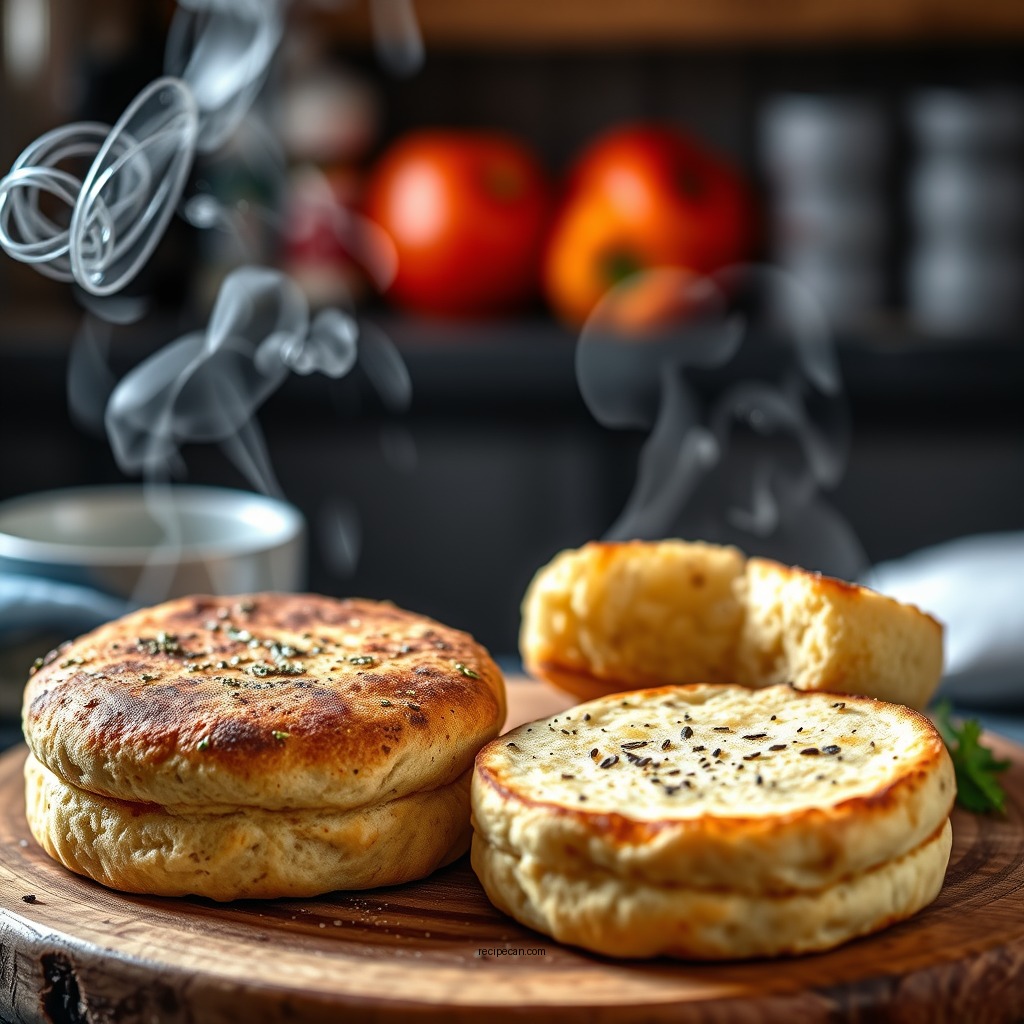
Making homemade English muffins is simpler than you might think. With just a few ingredients and some patience, you can create delicious, toasted muffins perfect for breakfast or snacks. This article will guide you through a straightforward recipe, ensuring you achieve that perfect nooks-and-crannies texture that makes English muffins so beloved.
English muffins are beloved breakfast staples that can be enjoyed in various ways—from being slathered with butter and jam to serving as the base for a hearty Eggs Benedict. The satisfaction of baking your own muffins at home not only enhances the flavor but also elevates your breakfast experience. Let’s delve into the details of making your own English muffins from scratch.
Ingredients You’ll Need
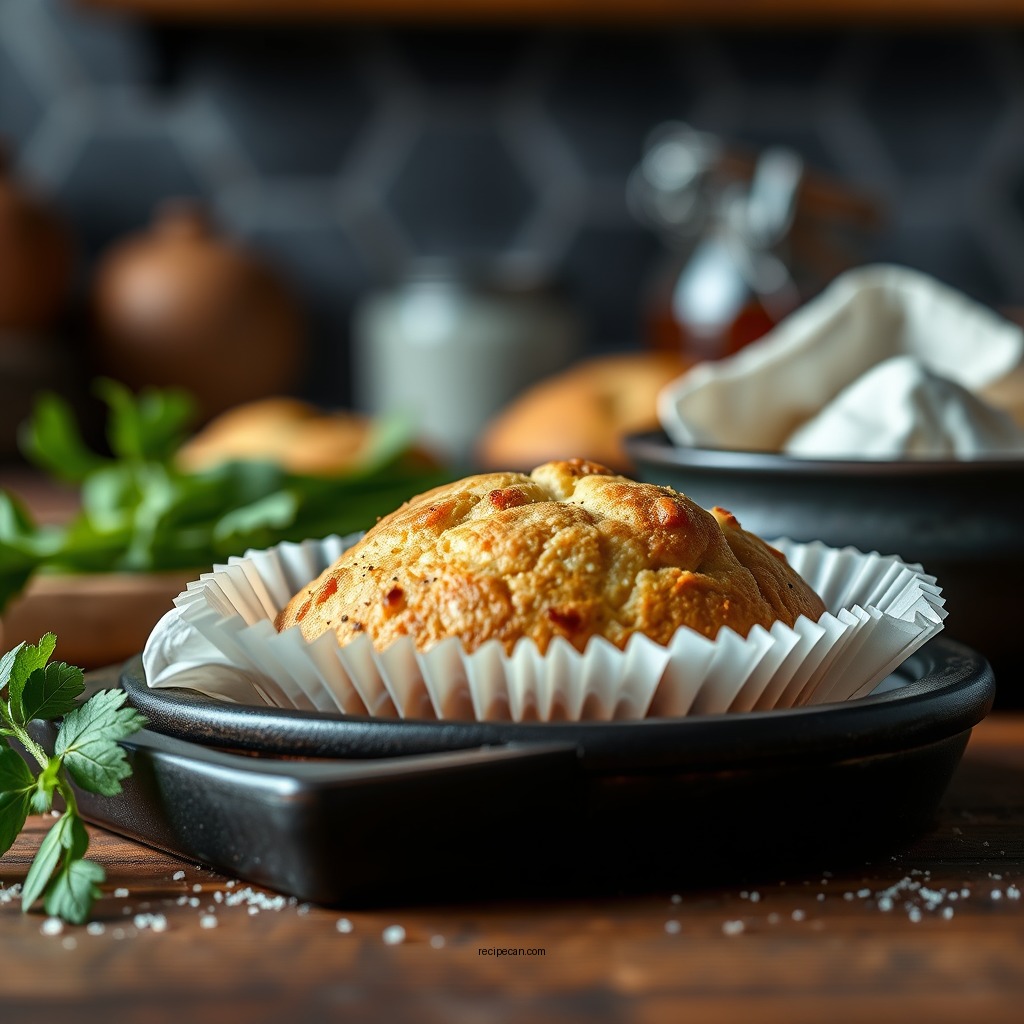
To create delightful homemade English muffins, you will need the following ingredients:
– All-purpose flour: This will serve as the base for your muffins, providing structure and texture.
– Yeast: The key ingredient for leavening, which helps the muffins rise and develop that desirable fluffy texture.
– Milk and water: These ingredients are essential for creating a rich, moist dough. Warm liquids also help activate the yeast.
– Sugar and salt: Sugar adds a hint of sweetness while salt enhances the overall flavor of the muffins.
These basic ingredients come together to create a delightful breakfast treat that is both easy and rewarding to make.
Preparing the Dough
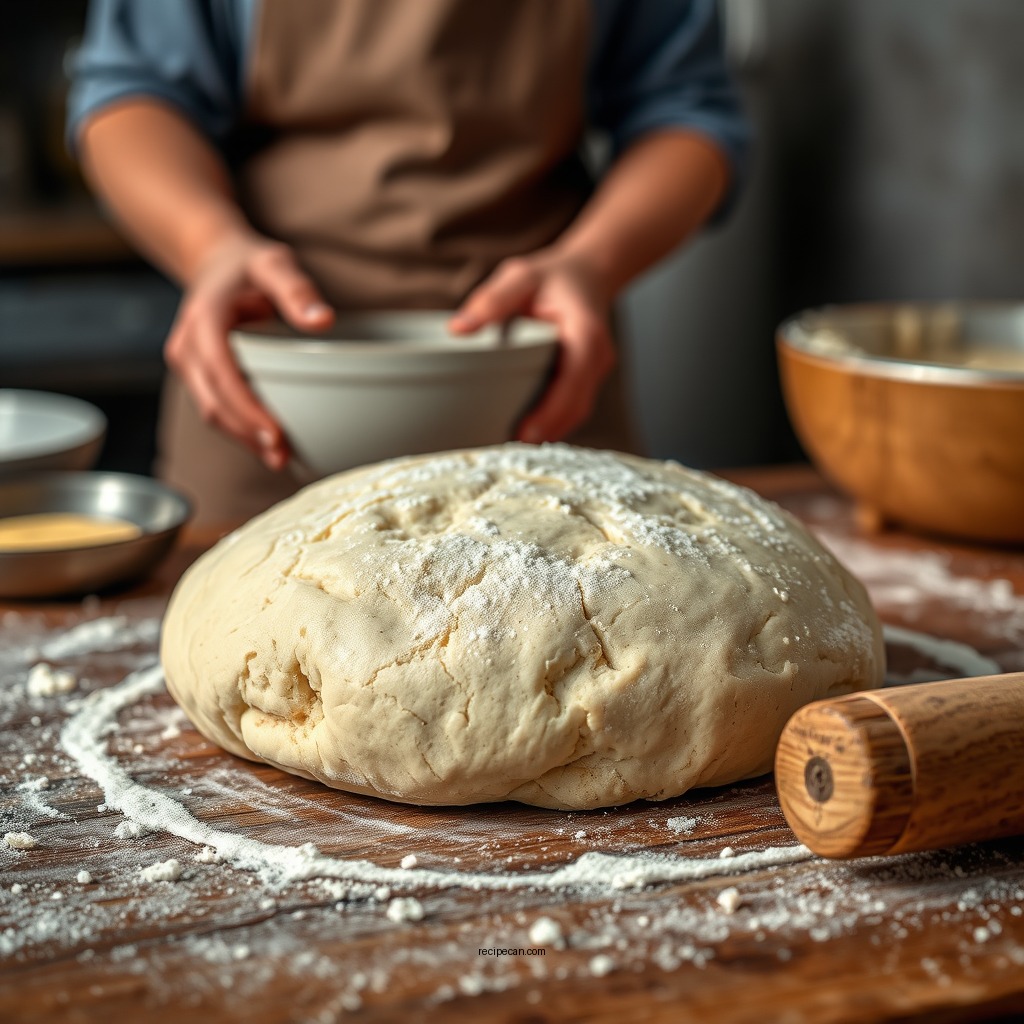
The process of making English muffins begins with preparing the dough. Here’s how to do it effectively:
– Combine dry ingredients: In a large mixing bowl, start by mixing together 4 cups of all-purpose flour, 2 teaspoons of instant yeast, 2 tablespoons of sugar, and 1 teaspoon of salt. This step is crucial as it ensures that the yeast is evenly distributed throughout the flour.
– Add liquids: Gradually mix in 1 cup of warm milk and 1 cup of warm water to the dry ingredients. Use a wooden spoon or your hands to combine until a shaggy dough forms.
– Knead: Transfer the dough to a floured surface and knead for about 8-10 minutes, or until the dough becomes smooth and elastic. Proper kneading will help develop the gluten, leading to a chewier texture in the final product.
Letting the Dough Rise
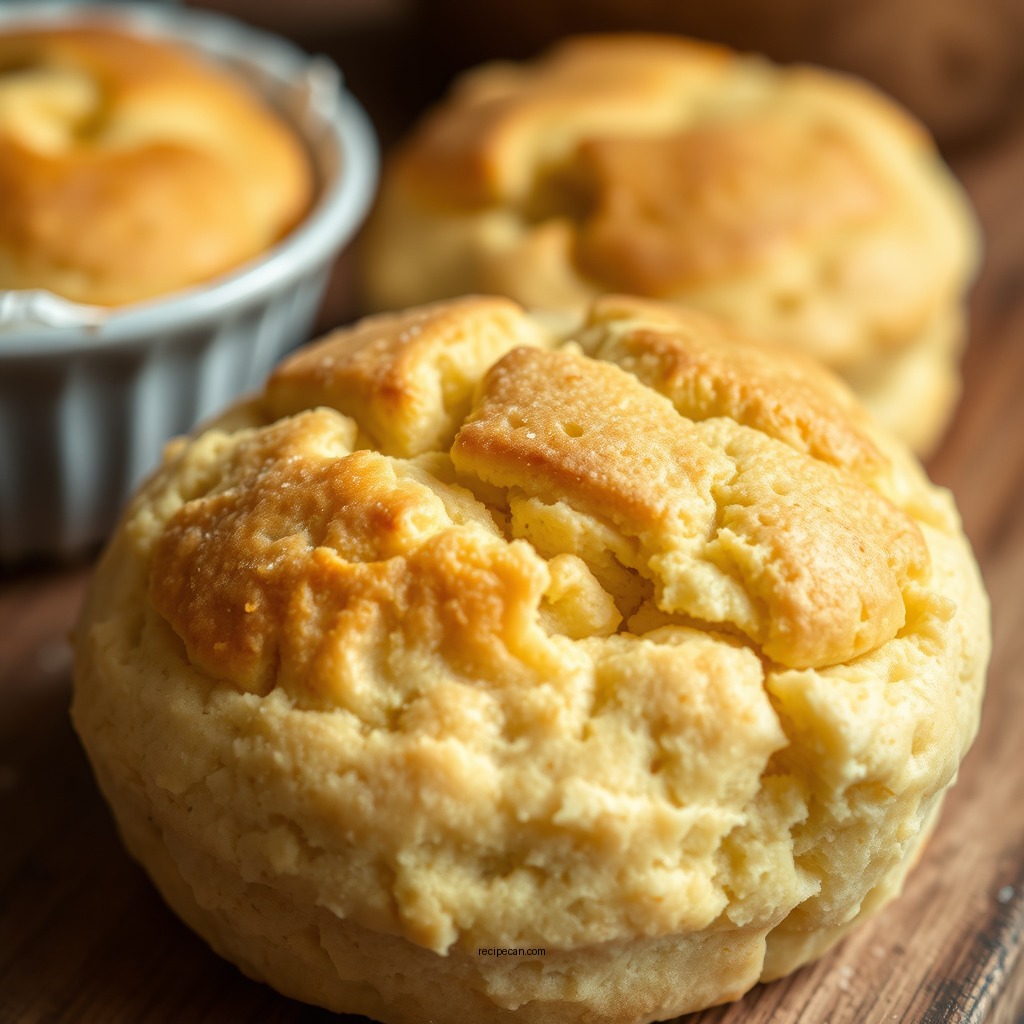
Allowing the dough to rise is a vital step that contributes to the texture of your muffins:
– First rise: Once kneaded, place the dough in a lightly greased bowl, cover it with a damp cloth, and let it rest in a warm area for about an hour. The dough should double in size, indicating that the yeast is active and doing its job.
– Punch down: After the first rise, gently punch down the dough to release excess gases. This step is important to ensure a uniform texture in your muffins and prepares the dough for shaping.
Shaping the Muffins
Once the dough has risen, it’s time to shape your muffins:
– Divide the dough: Turn the dough out onto a lightly floured surface and divide it into equal portions, ideally 8-12 pieces depending on your desired muffin size.
– Shape: Roll each piece of dough into a ball and flatten it gently to form a round muffin shape, ensuring the edges are sealed. This step is crucial for maintaining the nooks and crannies that are characteristic of English muffins.
Cooking the Muffins
Cooking your muffins correctly is essential for achieving the perfect texture:
– Cook on a griddle: Preheat a griddle or a skillet over medium heat. Place each muffin on the griddle, making sure not to overcrowd the pan. Cook each muffin for about 5-7 minutes on each side, or until they are golden brown and cooked through.
– Check for doneness: You can check if the muffins are done by tapping them lightly; they should sound hollow. Additionally, you can use a food thermometer to check that the internal temperature reaches 190°F (88°C).
Storing and Serving Suggestions
After your muffins are cooked, it’s important to store them properly to maintain their freshness:
– Cool completely: Allow the muffins to cool on a wire rack before storing them. This prevents moisture from building up, which can lead to sogginess.
– Best ways to serve: Toast the muffins and serve them with butter, preserves, or even as a base for poached eggs. They also pair well with savory toppings like avocado or smoked salmon for a more gourmet breakfast experience.
Top Ingredients for English Muffins (2023)
| # | Ingredient | Usage (%) | Nutritional Value | Cost per lb |
|---|---|---|---|---|
| 1 | All-purpose flour | 60% | 364 kcal | $0.50 |
| 2 | Yeast | 5% | 105 kcal | $3.00 |
| 3 | Milk | 15% | 42 kcal | $0.75 |
| 4 | Water | 15% | 0 kcal | $0.00 |
| 5 | Sugar | 5% | 16 kcal | $0.50 |
| 6 | Salt | 5% | 0 kcal | $0.10 |
Homemade English Muffins Cooking Time Comparison (2023)
Summarizing the steps to make homemade English muffins, you now have a delicious recipe to try out. Gather your ingredients, follow the steps, and enjoy your freshly made muffins! Don’t forget to share your baking experience or variations with friends and family. The joy of homemade muffins extends beyond just taste; it’s about creating experiences and memories in your kitchen.
Frequently Asked Questions
What are the key ingredients needed for a basic English muffin recipe?
To make a basic English muffin recipe, you will need all-purpose flour, water, milk, yeast, sugar, salt, and butter. These ingredients work together to create a soft, fluffy texture and the characteristic nooks and crannies that English muffins are known for.
How do you achieve the perfect texture in homemade English muffins?
To achieve the perfect texture in homemade English muffins, it’s essential to knead the dough adequately and allow it to rise until doubled in size. Using a combination of bread flour and all-purpose flour can also enhance the chewiness, while cooking them on a griddle helps develop a nice crust without overcooking the inside.
Why do you need to cook English muffins on a griddle instead of baking them?
Cooking English muffins on a griddle allows for even heat distribution, creating a crispy exterior while keeping the inside soft and airy. This method also helps to develop the signature texture and flavor that makes English muffins unique compared to baked bread.
What is the best way to store homemade English muffins for freshness?
The best way to store homemade English muffins is to let them cool completely, then wrap them in plastic wrap or place them in an airtight container. For longer storage, you can freeze them; just make sure to separate them with parchment paper to prevent sticking, and toast them directly from frozen for a fresh taste.
Which toppings pair well with English muffins for a delicious breakfast?
English muffins are incredibly versatile and can be topped with various ingredients for a delicious breakfast. Popular options include butter and jam, cream cheese and smoked salmon, or classic eggs Benedict with hollandaise sauce. Experimenting with avocado, cheese, or even peanut butter can also elevate your English muffin experience.
References
- English muffin
https://en.wikipedia.org/wiki/English_muffin - https://www.bbc.co.uk/food/recipes/english_muffins_04262
https://www.bbc.co.uk/food/recipes/english_muffins_04262 - https://www.sciencedirect.com/topics/food-science/english-muffin
https://www.sciencedirect.com/topics/food-science/english-muffin - https://www.nutrition.gov/topics/food-safety/recipes
https://www.nutrition.gov/topics/food-safety/recipes - English muffin | food | Britannica
https://www.britannica.com/topic/English-muffin - Google Scholar Google Scholar
https://scholar.google.com/scholar?q=english+muffin+recipe - Google Scholar Google Scholar
https://scholar.google.com/scholar?q=homemade+english+muffin - Google Scholar Google Scholar
https://scholar.google.com/scholar?q=english+muffin+baking+technique - https://www.ncbi.nlm.nih.gov/pmc/articles/PMC7020706/
https://www.ncbi.nlm.nih.gov/pmc/articles/PMC7020706/ - https://www.nature.com/articles/s41598-019-51172-z
https://www.nature.com/articles/s41598-019-51172-z