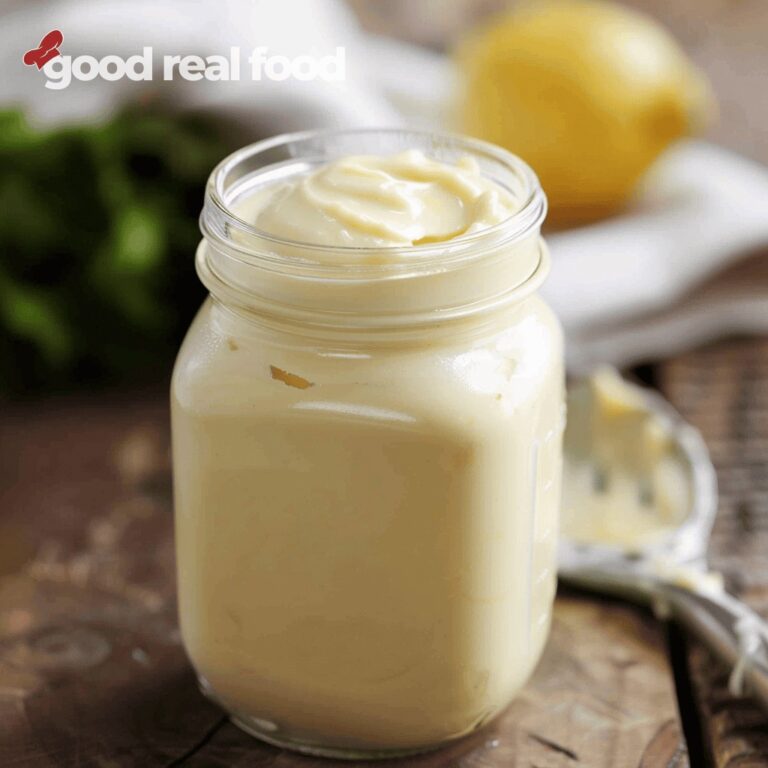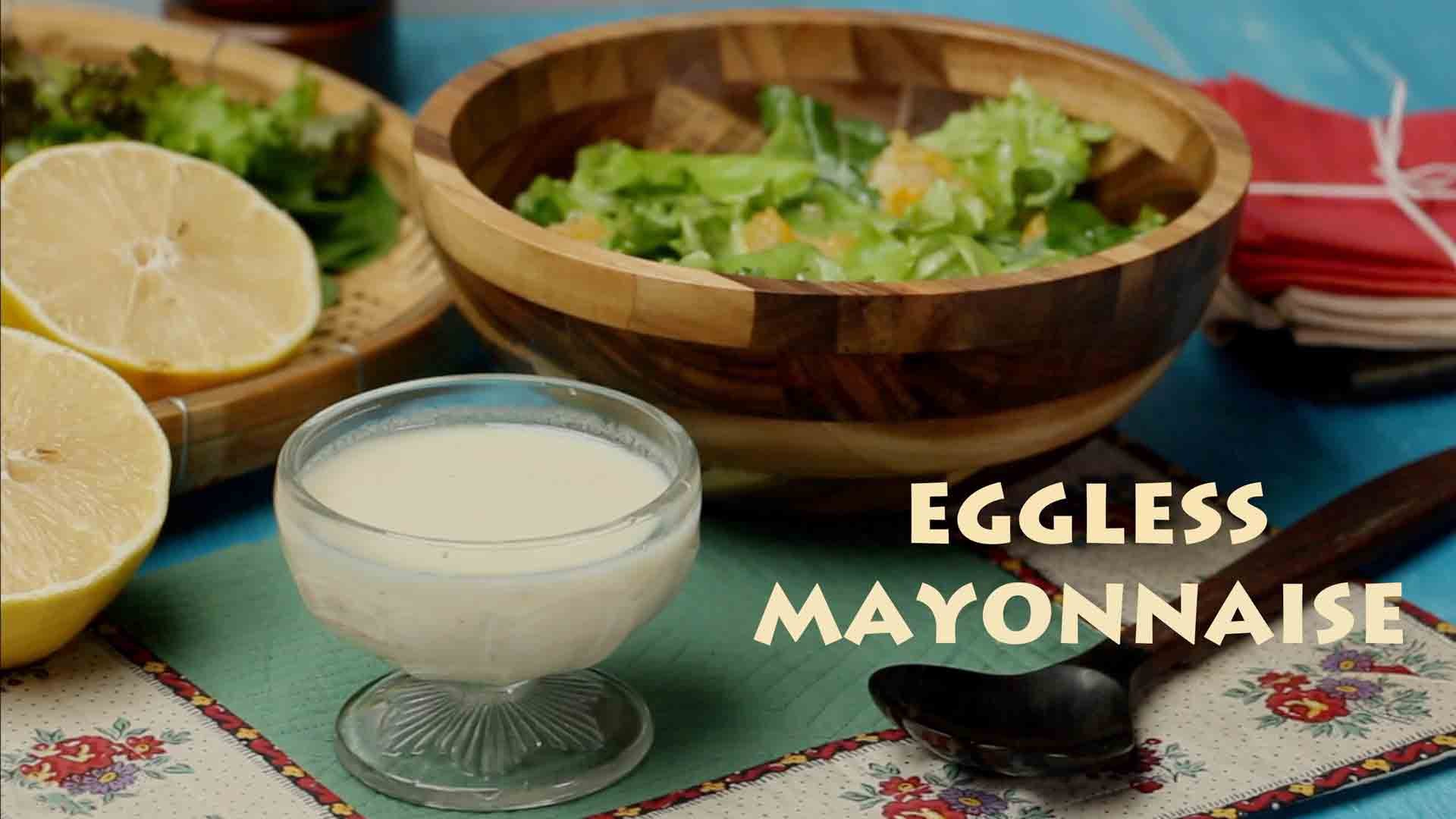
Easy eggless mayonnaise is not only simple to make at home, but it also delivers a rich, creamy texture that rivals traditional mayonnaise. This recipe is perfect for those with egg allergies or anyone seeking a plant-based option without sacrificing flavor. Discover how to create a delicious, versatile condiment that enhances salads, sandwiches, and dips. Say goodbye to store-bought versions and embrace this homemade alternative that satisfies all your culinary needs.
Making eggless mayonnaise is simple and delicious, offering a creamy alternative to traditional mayo without the use of eggs. This homemade eggless mayonnaise not only satisfies your craving for a smooth and rich condiment but also provides a versatile ingredient that can be used in various dishes. In this article, you’ll learn how to whip up a quick and easy eggless mayonnaise that’s perfect for sandwiches, salads, and dips, ensuring that your meals remain both flavorful and inclusive for those with dietary restrictions.
Ingredients Needed for Eggless Mayonnaise
To create a delightful eggless mayonnaise, you’ll need the following common ingredients:
– Tofu: Silken tofu serves as the base, providing creaminess and body without the eggs.
– Olive Oil: A high-quality olive oil adds richness and flavor.
– Mustard: Dijon or yellow mustard contributes a tangy kick.
– Vinegar: White or apple cider vinegar enhances the overall taste and helps with preservation.
– Salt: Essential for seasoning, enhancing the flavors of the other ingredients.
– Lemon Juice: Freshly squeezed lemon juice adds acidity and freshness.
Optional Seasonings
For those looking to elevate the flavor of their mayonnaise, consider adding:
– Garlic Powder: Adds depth and a savory note.
– Nutritional Yeast: Provides a cheesy flavor and additional nutrients.
– Herbs: Fresh or dried herbs like dill, parsley, or basil can create a herbed mayonnaise.
Step-by-Step Instructions

Creating eggless mayonnaise is straightforward. Follow these detailed steps to achieve the perfect texture and taste:
1. Prepare the Tofu: Drain and press the silken tofu to remove excess moisture.
2. Blend Ingredients: In a blender or food processor, combine the tofu, olive oil, mustard, vinegar, salt, and lemon juice.
3. Blend Until Smooth: Start blending on a low speed, gradually increasing to high. Blend for about 1-2 minutes until you achieve a creamy and smooth consistency.
4. Taste and Adjust: Taste the mayonnaise and adjust the seasoning if necessary. You can add more salt, lemon juice, or mustard according to your preference.
5. Store: Transfer the mayonnaise to a clean, airtight container.
Tips for the Right Consistency and Taste
– If your mayonnaise is too thick, add a teaspoon of water to loosen it up.
– For a thinner consistency, consider increasing the amount of olive oil or lemon juice.
Variations of Eggless Mayonnaise
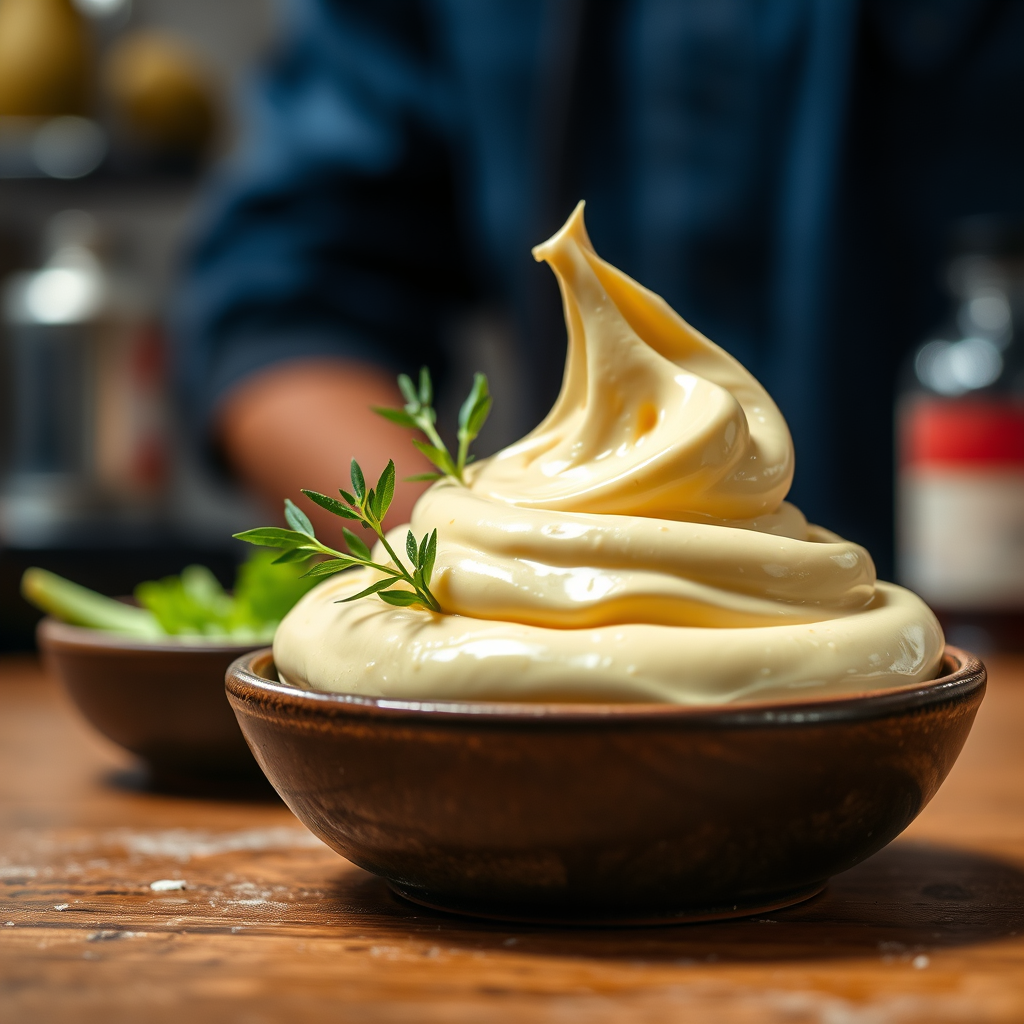
The beauty of homemade eggless mayonnaise lies in its versatility. Here are some delicious variations to try:
– Spicy Mayo: Incorporate sriracha or chili powder for a spicy kick.
– Herbed Mayo: Blend in fresh herbs like dill or chives for a refreshing twist.
– Avocado Mayo: Substitute half of the tofu with ripe avocado for a creamy, nutritious alternative.
– Roasted Red Pepper Mayo: Add roasted red peppers to the base recipe for a smoky flavor profile.
📊 DATA
Nutritional Comparison of Eggless Mayonnaise vs. Traditional Mayonnaise (per 100g)
| # | Nutrient | Eggless Mayonnaise | Traditional Mayonnaise | Difference |
|---|---|---|---|---|
| 1 | Calories | 150 | 680 | -530 |
| 2 | Total Fat | 15g | 75g | -60g |
| 3 | Saturated Fat | 1.5g | 10g | -8.5g |
| 4 | Cholesterol | 0mg | 70mg | -70mg |
| 5 | Sodium | 350mg | 600mg | -250mg |
| 6 | Carbohydrates | 5g | 0g | +5g |
| 7 | Protein | 3g | 1g | +2g |
Storage Tips for Eggless Mayonnaise
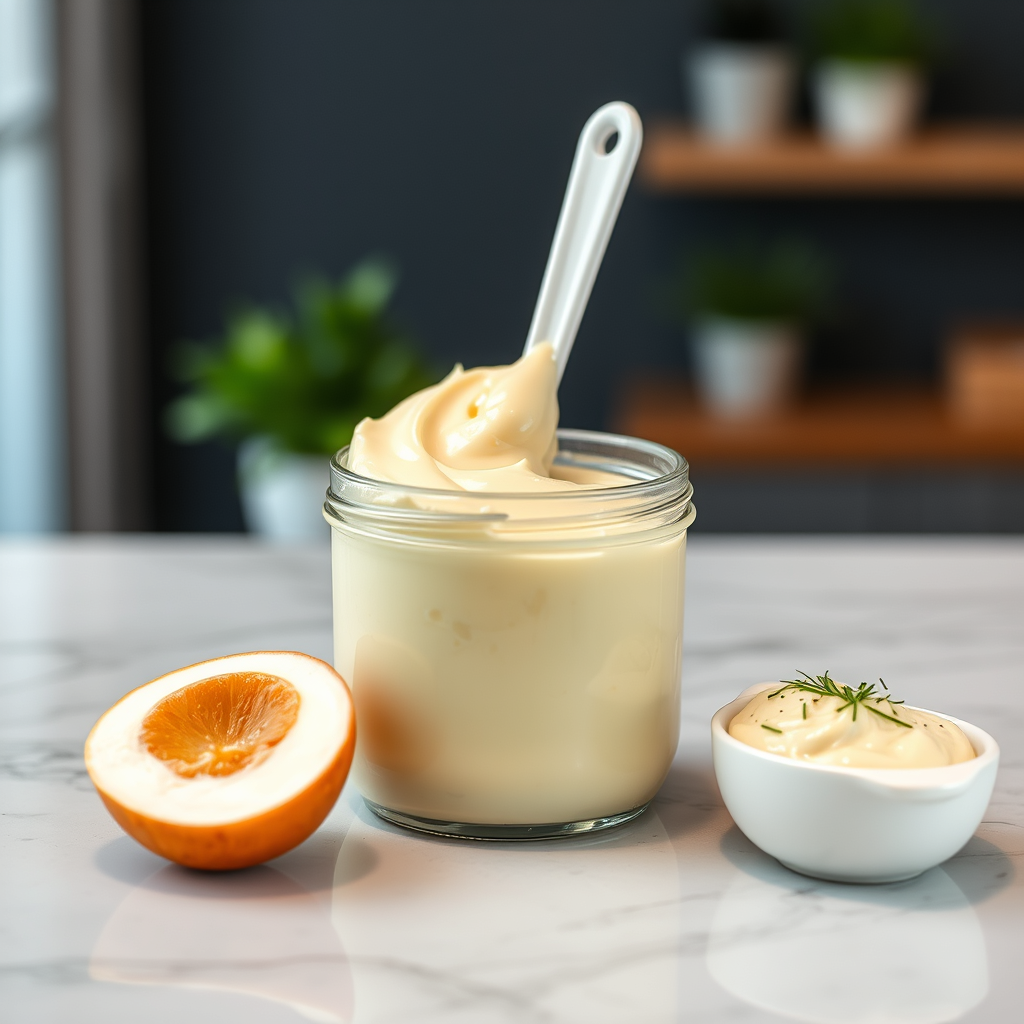
Once you’ve made your homemade eggless mayonnaise, proper storage is crucial to maintain its freshness:
– Refrigeration: Store the eggless mayonnaise in an airtight container in the refrigerator.
– Shelf Life: It typically lasts about 1 week, but always check for any off smells or discoloration as indicators that it may have spoiled.
Signs to Discard
– Off Odor: A sour or rancid smell indicates spoilage.
– Change in Color: If the mayonnaise darkens or develops an unusual hue, it is best to discard it.
– Texture Changes: If it separates or becomes overly watery, it may no longer be good to eat.
Common Mistakes to Avoid

When making eggless mayonnaise, it’s important to be mindful of common pitfalls that can affect the final result:
– Using the Wrong Oil: Stick to neutral oils like canola or light olive oil, as strong-flavored oils can overwhelm the taste.
– Not Blending Long Enough: Insufficient blending can lead to a grainy texture; ensure you blend until completely smooth.
– Overloading on Ingredients: While it may be tempting to add many flavors, start simple and gradually build to avoid overpowering the base flavor.
Troubleshooting Emulsification Issues
If your mayonnaise doesn’t emulsify properly:
– Add More Oil: Slowly drizzle additional oil while blending to help create an emulsion.
– Check Tofu Quality: Ensure that your tofu is fresh and of good quality, as older tofu can affect texture.
Nutritional Benefits of Eggless Mayonnaise
Choosing eggless mayonnaise made with plant-based ingredients comes with several health benefits:
– Lower in Calories and Fats: Eggless mayonnaise typically has fewer calories and lower fat content compared to traditional mayonnaise, making it a healthier choice for those mindful of their caloric intake.
– Plant-Based Proteins: Ingredients like tofu provide protein, which is essential for muscle repair and overall health.
– No Cholesterol: Unlike traditional mayonnaise, eggless versions contain zero cholesterol, which is beneficial for heart health.
Comparison with Traditional Mayonnaise
Traditional mayonnaise is often criticized for its high fat and calorie content, which can contribute to weight gain and health risks if consumed in excess. In contrast, eggless mayonnaise offers a lighter option without sacrificing flavor.
Serving Suggestions
Eggless mayonnaise can be incorporated into a variety of dishes to enhance flavor and texture:
– Sandwiches and Wraps: Spread it on whole-grain bread for a creamy base in sandwiches or wraps.
– Salads: Use as a dressing for potato salad, coleslaw, or pasta salad.
– Dips: Combine with herbs and spices to create a flavorful dip for fresh vegetables or chips.
– Veggie Burgers: Add a dollop on top of veggie burgers for extra moisture and taste.
By experimenting with flavors and applications, you can elevate your meals while adhering to dietary preferences.
Summarizing the process of making eggless mayonnaise, this recipe offers a versatile, easy option for anyone looking to enjoy a creamy spread without eggs. With simple ingredients and straightforward steps, you can create a delicious condiment at home. Try making it today and explore various flavors to suit your taste!
Frequently Asked Questions
What ingredients do I need for a basic eggless mayonnaise recipe?
To make a basic eggless mayonnaise, you’ll need 1 cup of neutral oil (like sunflower or canola), 1 tablespoon of Dijon mustard, 1 tablespoon of apple cider vinegar or lemon juice, and a pinch of salt. You can also add a bit of sugar for sweetness and a dash of garlic powder for flavor enhancement.
How do I make eggless mayonnaise at home?
To prepare eggless mayonnaise, combine the mustard, vinegar or lemon juice, and salt in a blender. Gradually add the oil while blending on low speed until the mixture emulsifies and thickens. Taste and adjust the seasoning as needed; you can also add herbs or spices for additional flavor.
Why should I consider making eggless mayonnaise instead of traditional mayonnaise?
Making eggless mayonnaise is a great alternative for those with egg allergies, vegans, or anyone looking to reduce cholesterol in their diet. Additionally, eggless mayonnaise can often be made with simple pantry ingredients and can be customized to suit your taste preferences.
What is the best oil to use for making eggless mayonnaise?
The best oils for making eggless mayonnaise are neutral oils like sunflower, canola, or grapeseed oil, as they won’t overpower the flavor of the mayonnaise. Olive oil can be used for a more robust taste, but it may result in a stronger flavor profile, so consider using a lighter olive oil if desired.
Which common mistakes should I avoid when making eggless mayonnaise?
Common mistakes to avoid include adding the oil too quickly, which can prevent proper emulsification, and using cold ingredients straight from the fridge, as this can hinder the thickening process. Always ensure your ingredients are at room temperature for the best results and blend on low before gradually increasing speed.
References
- Mayonnaise
https://en.wikipedia.org/wiki/Mayonnaise - Mensch und Maschine: Es geht um eine Transformation des Gesundheitssystems – PMC
https://www.ncbi.nlm.nih.gov/pmc/articles/PMC7171055/ - https://www.sciencedirect.com/topics/food-science/mayonnaise
https://www.sciencedirect.com/topics/food-science/mayonnaise - https://www.mayoclinic.org/diseases-conditions/food-allergy/expert-answers/food-allergy/faq-20058100
https://www.mayoclinic.org/diseases-conditions/food-allergy/expert-answers/food-allergy/faq-20058100 - https://www.healthline.com/nutrition/eggless-mayonnaise-recipe
https://www.healthline.com/nutrition/eggless-mayonnaise-recipe - https://www.thespruceeats.com/eggless-mayonnaise-recipe-1006779
https://www.thespruceeats.com/eggless-mayonnaise-recipe-1006779 - Google Scholar Google Scholar
https://scholar.google.com/scholar?q=eggless+mayonnaise+recipe - Google Scholar Google Scholar
https://scholar.google.com/scholar?q=eggless+mayonnaise - Google Scholar Google Scholar
https://scholar.google.com/scholar?q=homemade+mayonnaise+without+eggs - eggless mayonnaise recipe – Search results
https://en.wikipedia.org/wiki/Special:Search?search=eggless+mayonnaise+recipe