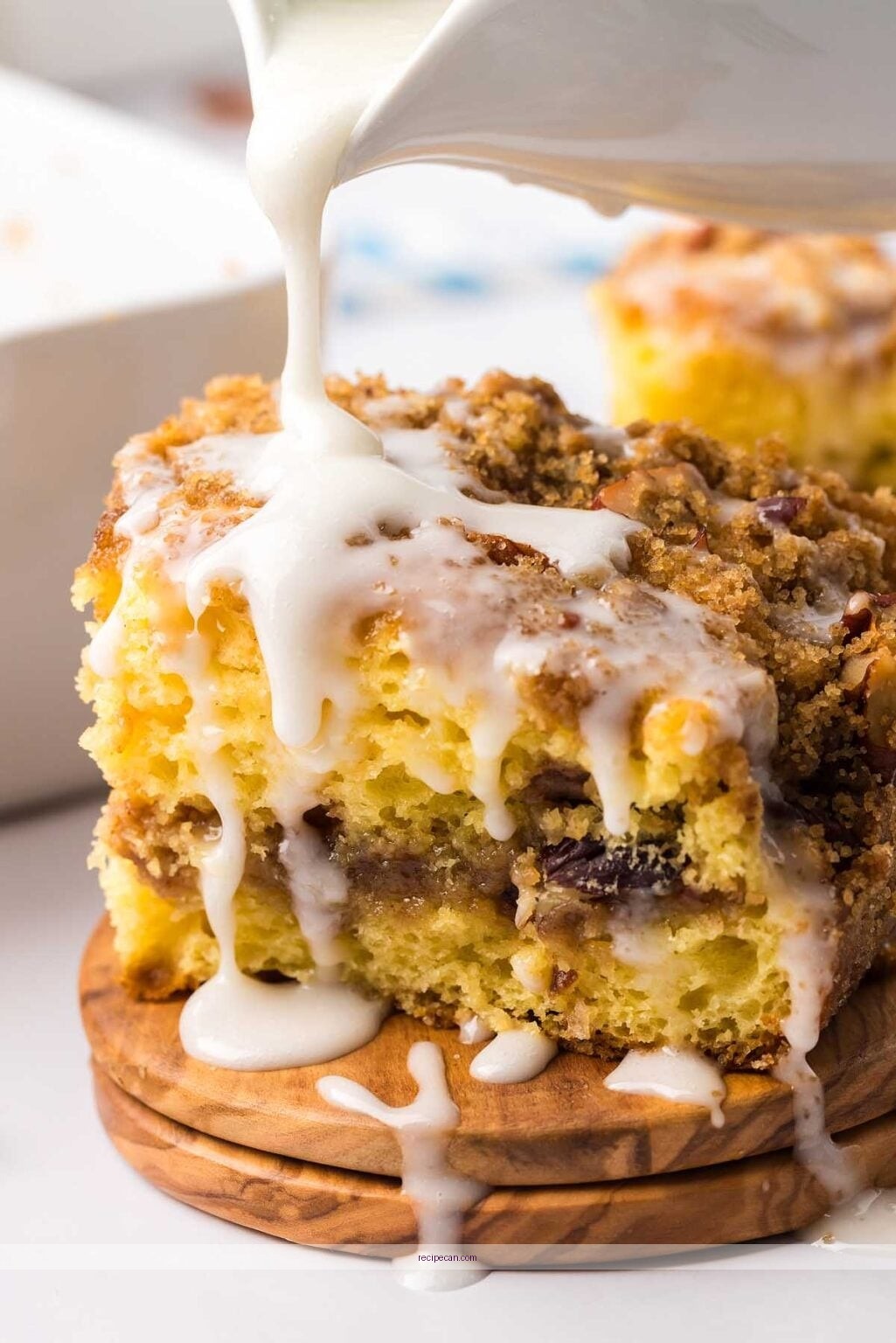
Master the art of creating coffee cake mix from scratch with this complete expert guide, designed for both novice bakers and seasoned chefs. This guide covers precise measurements, techniques, and essential tips to ensure your coffee cake is both delicious and safe to make. Following the right protocol is crucial, as it not only enhances flavor but also ensures food safety and quality in your baking endeavors.
What This Guide Covers (And What It Doesn’t)
This guide offers a comprehensive, step-by-step method for crafting coffee cake mix from scratch, detailing essential ingredients, precise measurements, and specific preparation techniques tailored for coffee cake. It intentionally excludes pre-packaged coffee cake mixes and recipes that diverge significantly from traditional methods, such as gluten-free or vegan adaptations. Aimed at home bakers eager to refine their skills, this guide focuses on achieving a classic coffee cake flavor profile through meticulous measurements and methods. If you’re looking for quick fixes or shortcuts, this guide may not meet your needs, as it delves into the intricacies of creating coffee cake mix from the ground up.
Who Should Read This
This guide is designed for home bakers who possess a fundamental understanding of baking principles, such as accurate ingredient measurement and oven operation. Intermediate bakers seeking to deepen their knowledge of coffee cake preparation will also find it beneficial. If you have experience with baking cakes or quick breads, the insights provided here will be particularly relevant as you work to perfect your coffee cake. However, beginners with no prior baking experience might find the guide challenging, as it assumes familiarity with essential baking tools and techniques.
The Step-by-Step Protocol

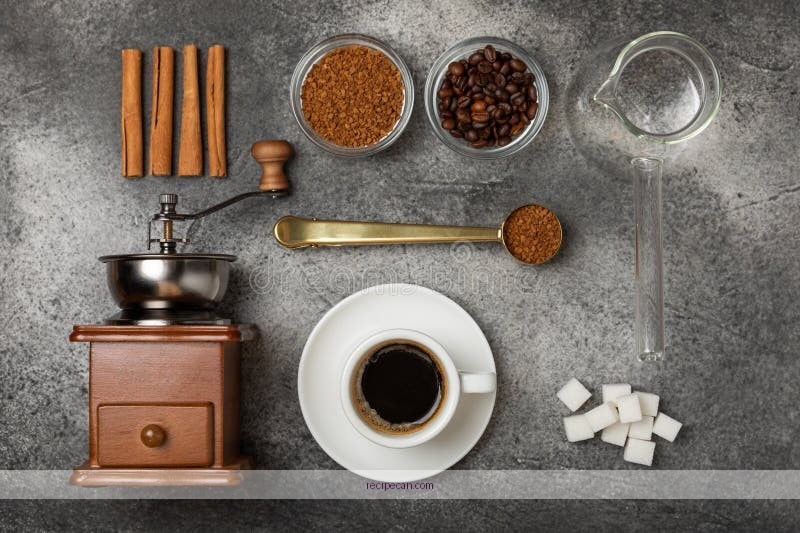
1. Gather Ingredients: Measure out 2 cups of all-purpose flour, 1 cup of granulated sugar, 1 teaspoon of baking powder, ½ teaspoon of baking soda, ½ teaspoon of salt, 2 teaspoons of ground cinnamon, and ½ cup of unsalted butter (softened).
2. Prepare Dry Mixture: In a large mixing bowl, whisk together the flour, sugar, baking powder, baking soda, salt, and cinnamon until evenly combined. This ensures all dry ingredients are well-distributed, which is crucial for achieving consistent texture.
3. Incorporate Butter: Cut the softened butter into the dry mixture using a pastry cutter or your fingers until the mixture resembles coarse crumbs. Make sure there are no large butter chunks remaining; this will help achieve a tender crumb.
4. Store or Use: If using immediately, proceed to make the coffee cake batter. If storing, place the mix in an airtight container and keep it in a cool, dry place for up to 3 months. Proper storage will maintain the freshness of the mix.
Essential Ingredients for Coffee Cake Mix
| # | Ingredient | Quantity | Purpose |
|---|---|---|---|
| 1 | All-Purpose Flour | 2 cups | Structure |
| 2 | Granulated Sugar | 1 cup | Sweetness |
| 3 | Baking Powder | 1 tsp | Leavening |
| 4 | Baking Soda | ½ tsp | Leavening |
| 5 | Salt | ½ tsp | Flavor |
| 6 | Ground Cinnamon | 2 tsp | Flavor |
| 7 | Unsalted Butter | ½ cup | Moisture |
Warning Signs: When Not to Follow This

Avoid following this protocol if you have allergies to any listed ingredients, such as wheat or dairy, as substitutions may require different ratios or methods. Additionally, do not attempt this recipe if your kitchen environment is unsuitable for baking, such as high humidity or extreme temperatures, as these factors can impact the cake’s texture and rise. If you lack basic kitchen tools like mixing bowls, measuring cups, or an oven thermometer, you may struggle to achieve the desired results. Furthermore, individuals with limited time should refrain from this guide, as the process necessitates focused attention and multiple steps for optimal outcomes.
The Most Common Mistakes (And Their Consequences)
Overmixing the batter can lead to a dense coffee cake. Aim for just combined ingredients to maintain a light and fluffy texture. Using expired baking powder or baking soda can hinder the cake’s rise, resulting in a flat outcome; always check expiration dates before use. Incorrectly measuring flour — such as scooping directly from the bag — can introduce too much flour into the mix, leading to a dry texture. To avoid this, employ the spoon and level method for accuracy. Neglecting to soften the butter can result in uneven mixing and poor incorporation of fats, negatively affecting the cake’s moisture and flavor.
Special Cases That Need a Different Approach
For those with gluten sensitivities, substituting all-purpose flour with a gluten-free flour blend may require adjustments in liquid ratios; consider using a 1:1 gluten-free flour substitute. If you’re looking for a lower sugar option, reduce granulated sugar by up to 25%, but consider adding unsweetened applesauce to retain moisture. In high-altitude locations, you may need to increase flour by 2 tablespoons per cup and slightly reduce baking powder to prevent the cake from over-rising and collapsing. For flavor variations, consider incorporating nuts, fruits, or chocolate chips into the dry mix, but adjust baking time accordingly based on the added moisture from these ingredients.
When You Need a Professional
If you have severe allergies or dietary restrictions necessitating extensive recipe modifications, consult a registered dietitian or nutritionist for tailored guidance. Should you face persistent baking issues, such as cakes that fail to rise or burn on the edges, consider reaching out to a baking instructor for hands-on support. If you’re baking for a large event or selling baked goods commercially, a food safety consultant may be necessary to ensure compliance with local health regulations. In cases of kitchen accidents, such as burns or injuries from baking tools, seek immediate medical assistance from a licensed healthcare professional.
Sources and Further Reading
– The Joy of Baking: A Comprehensive Guide to Baking Principles and Techniques – [joyofbaking.com]
– King Arthur Baking Company: Tips and Tricks for Perfect Cakes – [kingarthurbaking.com]
– Food Safety and Inspection Service: Guidelines for Safe Food Handling – [fsis.usda.gov]
– The Science of Good Cooking: Master 50 Simple Concepts to Enjoy a Lifetime of Success in the Kitchen – [booksource.com]
Frequently Asked Questions
What ingredients do I need for a basic coffee cake mix recipe?
A basic coffee cake mix recipe typically requires all-purpose flour, granulated sugar, baking powder, baking soda, salt, ground cinnamon, eggs, milk, and unsalted butter. You can also add vanilla extract for extra flavor. For a crumb topping, consider including brown sugar, additional cinnamon, and chopped nuts.
How can I make my coffee cake mix recipe moist and fluffy?
To achieve a moist and fluffy coffee cake, ensure you measure your ingredients accurately and avoid overmixing the batter. Incorporating sour cream or yogurt can add moisture, while using room temperature eggs and butter helps create a light texture. Additionally, baking the cake at the correct temperature prevents it from drying out.
Why is my coffee cake mix recipe dense and heavy?
A dense coffee cake can result from several factors, such as overmixing the batter, using too much flour, or not incorporating enough leavening agents like baking powder. Make sure to sift your dry ingredients and gently fold them into the wet mixture to maintain the airiness. Also, double-check the freshness of your leavening agents.
What are the best toppings for a coffee cake mix recipe?
The best toppings for a coffee cake mix recipe include a streusel crumb topping made from brown sugar, flour, butter, and cinnamon. You can also use fresh fruits like blueberries or apples for added flavor and moisture. A light dusting of powdered sugar or a simple glaze made of powdered sugar and milk can enhance the cake’s appearance and taste.
Which coffee cake mix recipe should I try for a brunch gathering?
For a brunch gathering, a classic cinnamon streusel coffee cake is a popular choice due to its rich flavor and appealing presentation. This recipe features a tender crumb and a delightful cinnamon-sugar topping, making it a crowd-pleaser. You might also consider variations like blueberry or chocolate chip coffee cakes to cater to different tastes.
References
- Coffee cake
https://en.wikipedia.org/wiki/Coffee_cake - https://www.bbc.co.uk/food/recipes/coffee_cake_3990
https://www.bbc.co.uk/food/recipes/coffee_cake_3990 - Spinach-Artichoke Stuffed Rolls Recipe
https://www.nytimes.com/recipes/1019849/coffee-cake.html - https://www.sciencedirect.com/topics/food-science/coffee-cake
https://www.sciencedirect.com/topics/food-science/coffee-cake - https://www.britannica.com/topic/coffee-cake
https://www.britannica.com/topic/coffee-cake - Google Scholar Google Scholar
https://scholar.google.com/scholar?q=coffee+cake+mix+recipe - Google Scholar Google Scholar
https://scholar.google.com/scholar?q=coffee+cake+recipe - Google Scholar Google Scholar
https://scholar.google.com/scholar?q=history+of+coffee+cake - https://www.foodnetwork.com/recipes/articles/10-coffee-cakes-to-make
https://www.foodnetwork.com/recipes/articles/10-coffee-cakes-to-make - https://www.theguardian.com/lifeandstyle/2021/jul/19/how-to-make-the-best-coffee-cake
https://www.theguardian.com/lifeandstyle/2021/jul/19/how-to-make-the-best-coffee-cake