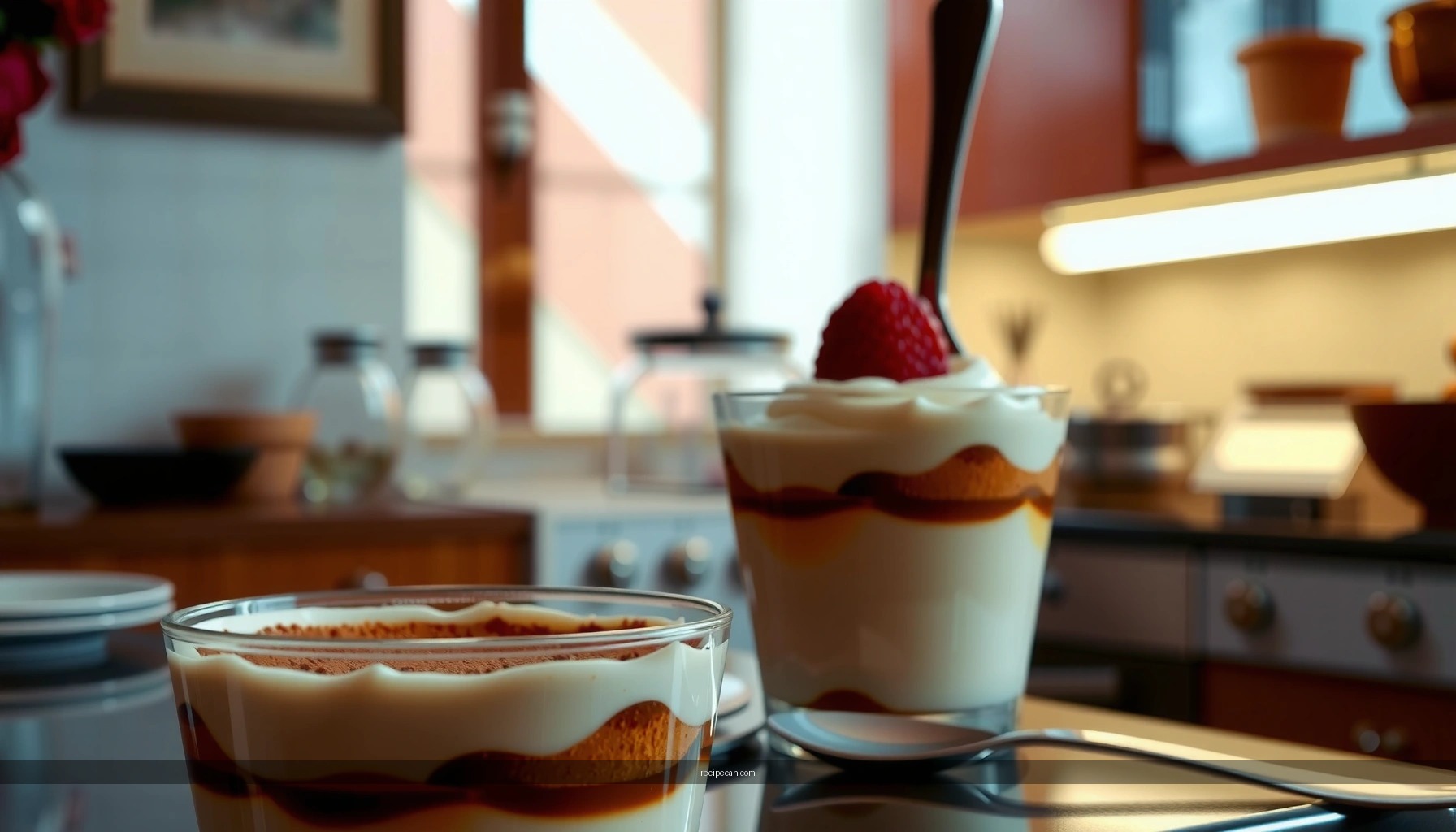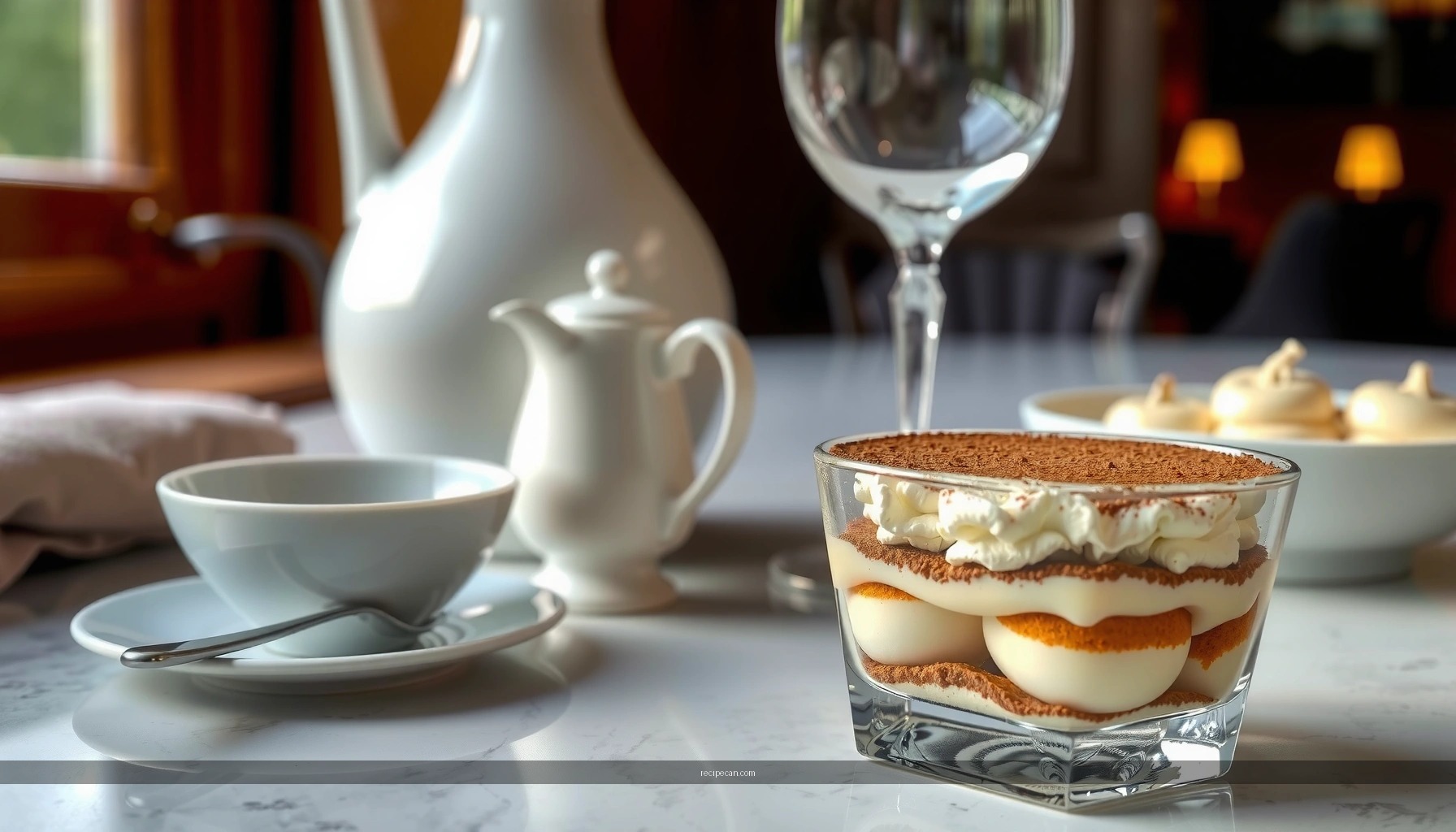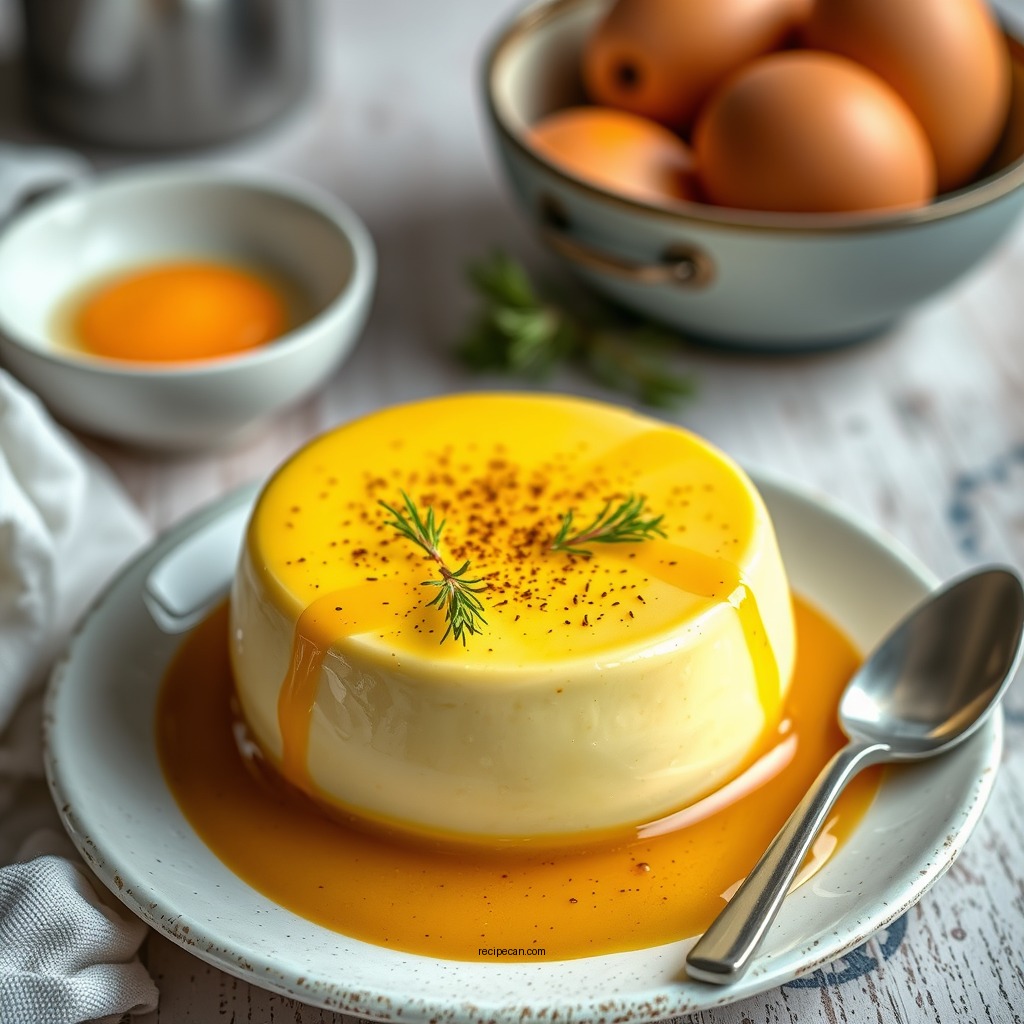
Egg custard is a classic dessert that combines simplicity with delightful flavor. With just a handful of ingredients, you can create a smooth and creamy custard that will impress your family and friends. In this article, we will walk you through an easy egg custard recipe that requires minimal effort, allowing you to enjoy this timeless treat without the hassle.
Ingredients You’ll Need
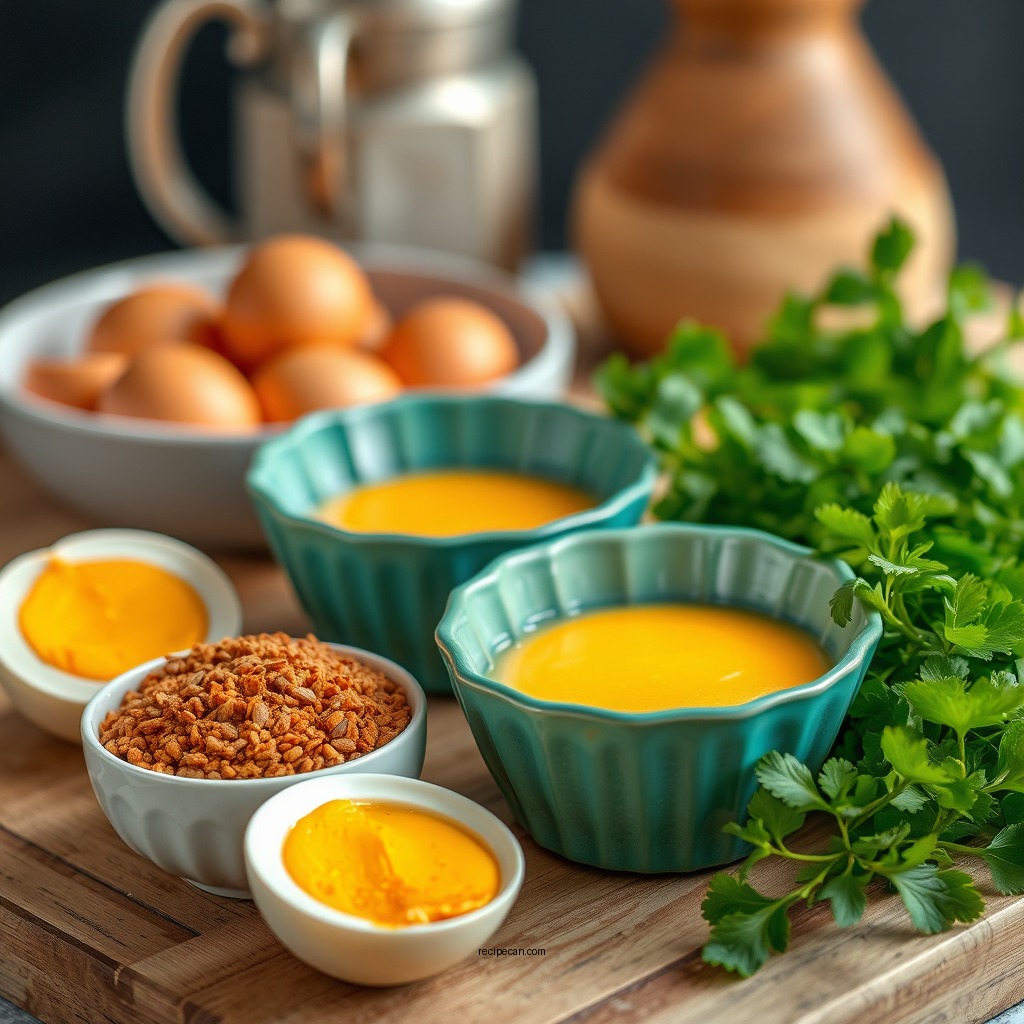
To prepare a delicious egg custard, you’ll need just three primary ingredients:
– Eggs: Typically, four large eggs provide the right texture and richness. The eggs are essential for binding the custard and creating that silky smooth consistency.
– Milk: Whole milk is preferred for creaminess, but alternatives like almond, oat, or coconut milk can also be used for a lighter version or for dietary restrictions. The milk contributes to the custard’s overall flavor and texture.
– Sugar: Granulated sugar sweetens the custard to your taste. You can adjust the amount depending on your preference, but a standard recipe typically calls for about half a cup.
Step-by-Step Preparation

Creating egg custard is straightforward, and following these steps will ensure success:
– Preheat the oven: Set your oven to 325°F (160°C). Preheating ensures even baking and helps the custard set properly.
– Whisk the ingredients: In a mixing bowl, combine the eggs, milk, and sugar. Whisk them together until the mixture is smooth and well blended. Be careful not to overmix, as this can introduce air bubbles that may cause the custard to crack during baking.
– Pour into ramekins: Carefully distribute the mixture evenly into individual ramekins or custard cups. This allows for individual servings and makes the custard easy to serve.
Baking the Custard
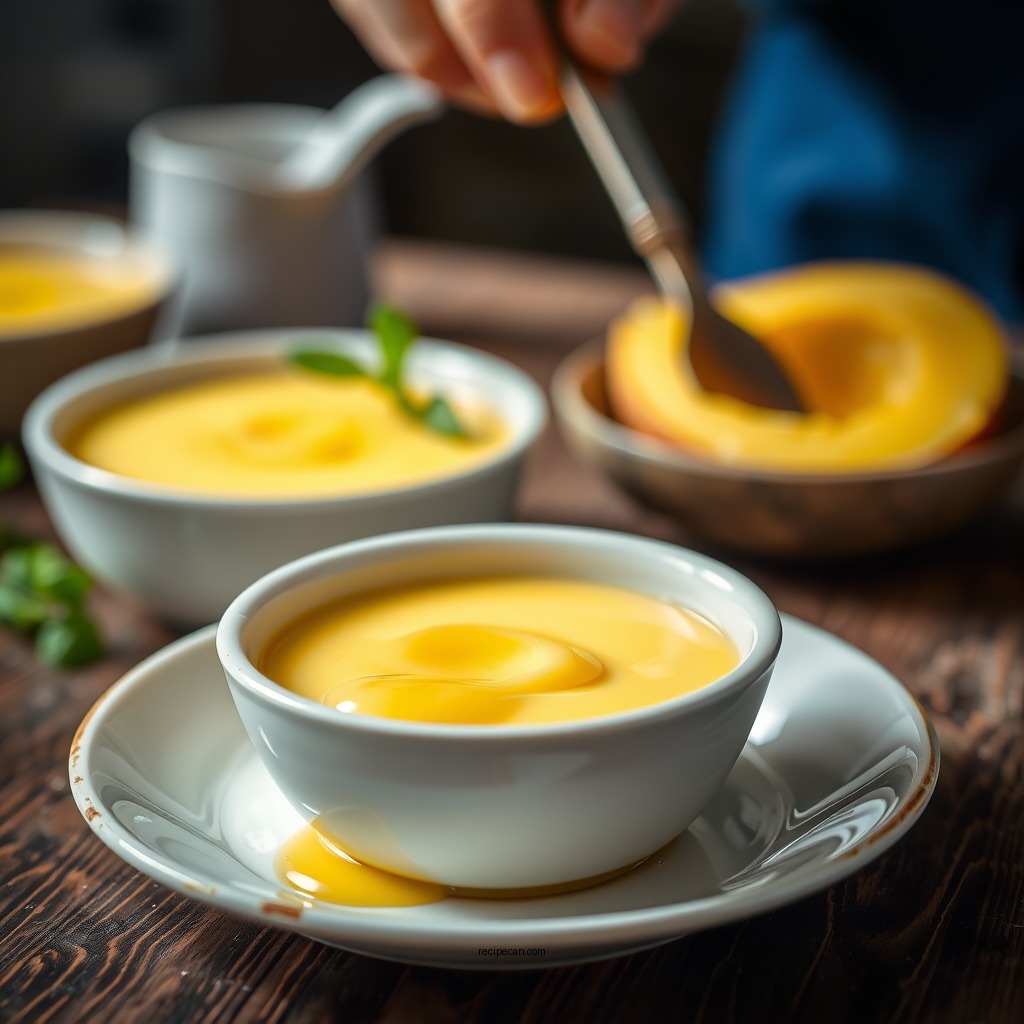
Baking is a crucial step in achieving the perfect texture:
– Prepare a water bath: To ensure even cooking, place the ramekins in a baking dish filled with hot water. The water bath helps regulate the temperature and prevents the custard from cooking too quickly, which can lead to a grainy texture.
– Bake until set: Place the baking dish in the preheated oven. Check for doneness at 30-40 minutes; the custard should be set but still jiggle slightly in the center when gently shaken. If it appears too wobbly, give it a few more minutes.
– Cool before serving: Once baked, remove the custard from the oven and allow it to cool to room temperature. Chilling the custard in the refrigerator for a couple of hours improves its texture and flavor.
Flavor Variations
While the basic egg custard is delicious on its own, you can enhance its flavor with various additions:
– Vanilla extract: Adding a teaspoon of vanilla extract enhances the flavor profile. This is a classic addition that complements the custard beautifully.
– Nutmeg or cinnamon: Sprinkling a dash of nutmeg or cinnamon adds warmth and spice, making the custard perfect for fall or winter gatherings.
– Fruit toppings: Consider serving the custard with fresh berries or a drizzle of caramel sauce for added sweetness and visual appeal. A layer of whipped cream on top can also elevate the dessert.
Storing Leftovers
If you have any leftovers, proper storage is key to maintaining freshness:
– Refrigeration: Store any uneaten custard in the refrigerator for up to three days. Ensure they are covered to avoid absorbing any odors from other foods.
– Reheating: Gently reheat the custard in the oven or microwave. Be cautious not to overcook it, as this can alter the texture. If reheating in the microwave, do so in short intervals to prevent curdling.
Tips for Perfect Custard
To ensure your egg custard is perfectly smooth and creamy, consider the following tips:
– Avoid overmixing: Stir just until combined to prevent air bubbles from forming. Air bubbles can lead to a custard that cracks or has an uneven texture.
– Use room temperature eggs: This helps achieve a smoother custard, as room temperature eggs incorporate more easily with the milk and sugar.
– Test with a knife: The custard is done when a knife inserted into the center comes out clean. This is a reliable method to check for doneness without disturbing the custard too much.
Popular Egg Custard Variations (2024)
| # | Variation | Popularity (%) | Preparation Time (min) | Sugar Content (grams) |
|---|---|---|---|---|
| 1 | Vanilla Custard | 45% | 40 | 25 |
| 2 | Nutmeg Custard | 30% | 45 | 20 |
| 3 | Chocolate Custard | 25% | 50 | 30 |
| 4 | Fruit Custard | 20% | 35 | 18 |
| 5 | Coconut Custard | 15% | 40 | 22 |
| 6 | Maple Custard | 10% | 45 | 15 |
Egg Custard Preparation Times (Minutes)
Making egg custard is a rewarding experience that combines simple ingredients with a straightforward method. This easy recipe allows you to create a delicious dessert that can be customized to suit your taste. Whether you prefer classic vanilla or a twist with spices and fruits, this custard is sure to please. We encourage you to try your hand at making this delightful dish at home and share your experiences or variations in the comments below. Enjoy this easy dessert with family and friends, and savor the creamy goodness of homemade egg custard!
Frequently Asked Questions
What are the basic ingredients for an easy egg custard recipe?
The basic ingredients for an easy egg custard recipe include eggs, milk, sugar, and vanilla extract. You can also add a pinch of salt to enhance the flavor. These simple ingredients come together to create a creamy and delicious custard that can be enjoyed on its own or as a dessert topping.
How do you make egg custard without a double boiler?
To make egg custard without a double boiler, you can simply mix your ingredients in a saucepan over low heat. Stir continuously to prevent the eggs from scrambling, and cook until the mixture thickens slightly. Once ready, pour it into ramekins and bake in a water bath for even cooking, ensuring your custard comes out smooth and creamy.
Why is my egg custard not setting properly?
If your egg custard is not setting properly, it could be due to undercooking or using the wrong egg-to-liquid ratio. Make sure to bake the custard until it reaches a temperature of about 170°F (77°C) and thickens enough to coat the back of a spoon. Additionally, using fresh eggs and ensuring they are well-mixed with the milk can help achieve the perfect consistency.
What is the best way to flavor egg custard?
The best way to flavor egg custard is by adding vanilla extract or other extracts like almond or lemon for a unique twist. You can also incorporate spices such as cinnamon or nutmeg, or infuse the milk with herbs or citrus zest before combining it with the eggs. Experimenting with these flavors can elevate your easy egg custard recipe to a new level.
Which type of milk is best for making egg custard?
Whole milk is generally considered the best option for making egg custard, as it provides a rich and creamy texture. However, you can also use half-and-half for an even creamier result or substitute with almond or coconut milk for a dairy-free version. Each type of milk will slightly change the flavor and texture, so choose based on your preference and dietary needs.
References
- Custard
https://en.wikipedia.org/wiki/Custard - https://www.bbc.co.uk/food/recipes/egg_custard_41834
https://www.bbc.co.uk/food/recipes/egg_custard_41834 - Quinoa Salad With Chicken, Almonds and Avocado Recipe
https://www.nytimes.com/recipes/1019495/egg-custard.html - https://www.sciencedirect.com/topics/food-science/custard
https://www.sciencedirect.com/topics/food-science/custard - Custard | Definition, Ingredients, & Preparation | Britannica
https://www.britannica.com/topic/custard - Google Scholar Google Scholar
https://scholar.google.com/scholar?q=egg+custard+recipe+easy - Google Scholar Google Scholar
https://scholar.google.com/scholar?q=custard+recipes+history - Google Scholar Google Scholar
https://scholar.google.com/scholar?q=dessert+custard+preparation - https://www.foodnetwork.com/recipes/food-network-kitchen/egg-custard-recipe-1949497
https://www.foodnetwork.com/recipes/food-network-kitchen/egg-custard-recipe-1949497 - egg custard recipe easy – Search results
https://en.wikipedia.org/wiki/Special:Search?search=egg+custard+recipe+easy