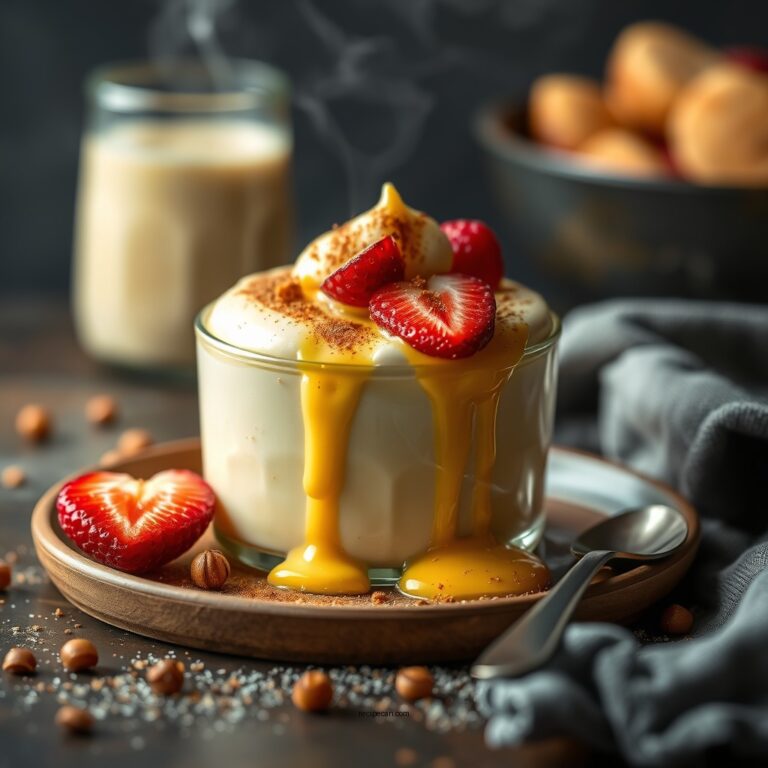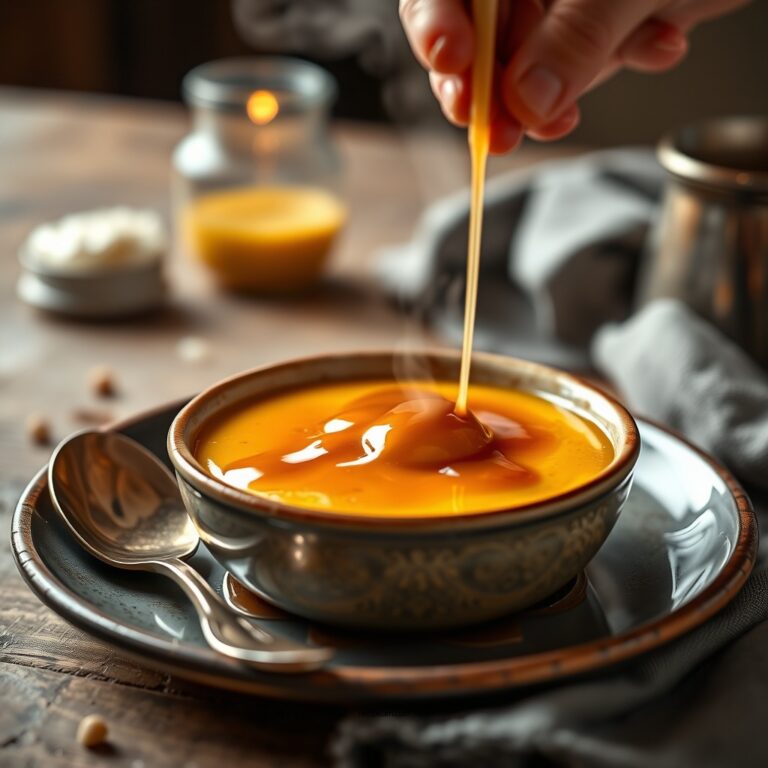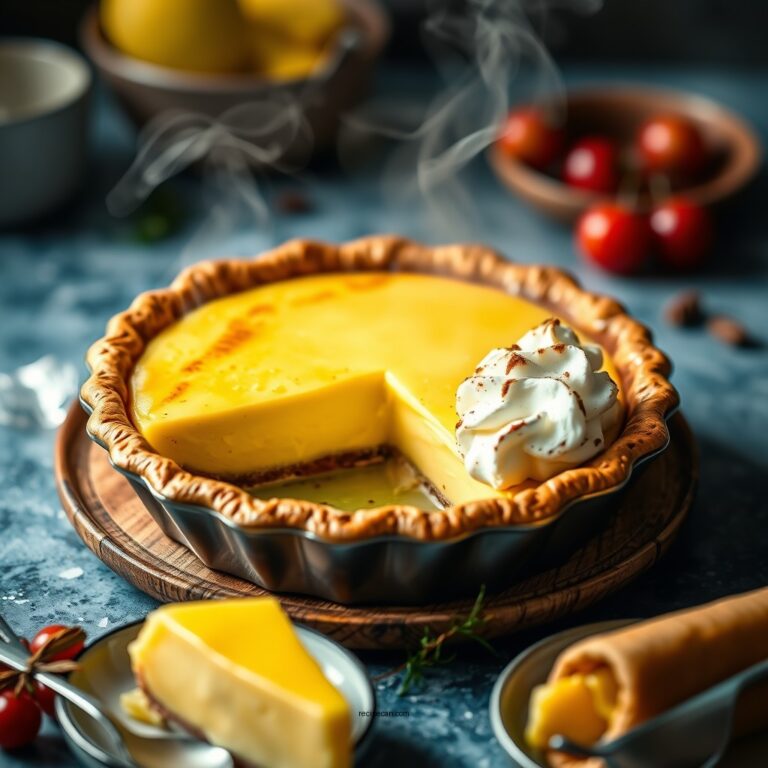
Making a delicious dairy-free custard is simple and satisfying, providing a creamy dessert option without the use of dairy. In this recipe, you’ll learn how to create a rich and velvety custard using alternative ingredients that everyone can enjoy, whether they have dietary restrictions or not. This guide will take you through the essential ingredients, preparation steps, and cooking instructions to help you master this delightful dessert.
Ingredients You’ll Need
To make a delightful dairy-free custard, you’ll need a few key ingredients that not only replicate the creaminess of traditional custard but also offer unique flavors and health benefits. Here’s a comprehensive list:
– Dairy-Free Milk Options: Choose from a variety of dairy-free milk such as almond milk, coconut milk, oat milk, soy milk, or cashew milk. Each option brings its own flavor and texture, allowing for customization based on personal preference.
– Thickening Agents: Cornstarch or arrowroot powder is essential for achieving the desired consistency. These ingredients act as thickening agents, ensuring your custard is smooth and creamy.
– Sweeteners: For a touch of sweetness, consider using natural sweeteners like maple syrup, agave nectar, or coconut sugar. These alternatives provide a healthier option compared to refined sugars.
Gathering these ingredients is the first step towards creating a delightful dairy-free custard that can be enjoyed by everyone.
Preparation Steps

The preparation of dairy-free custard is straightforward and can be accomplished in just a few simple steps:
1. Combine the Milk and Sweetener: In a saucepan, combine your chosen dairy-free milk with the sweetener of your choice. Heat the mixture gently over medium heat. Stir occasionally to prevent sticking and ensure an even mixture.
2. Create a Slurry: In a separate bowl, whisk together the cornstarch or arrowroot powder with a small amount of cold dairy-free milk. This mixture, known as a slurry, helps to prevent clumping when added to the heated milk.
Cooking Instructions
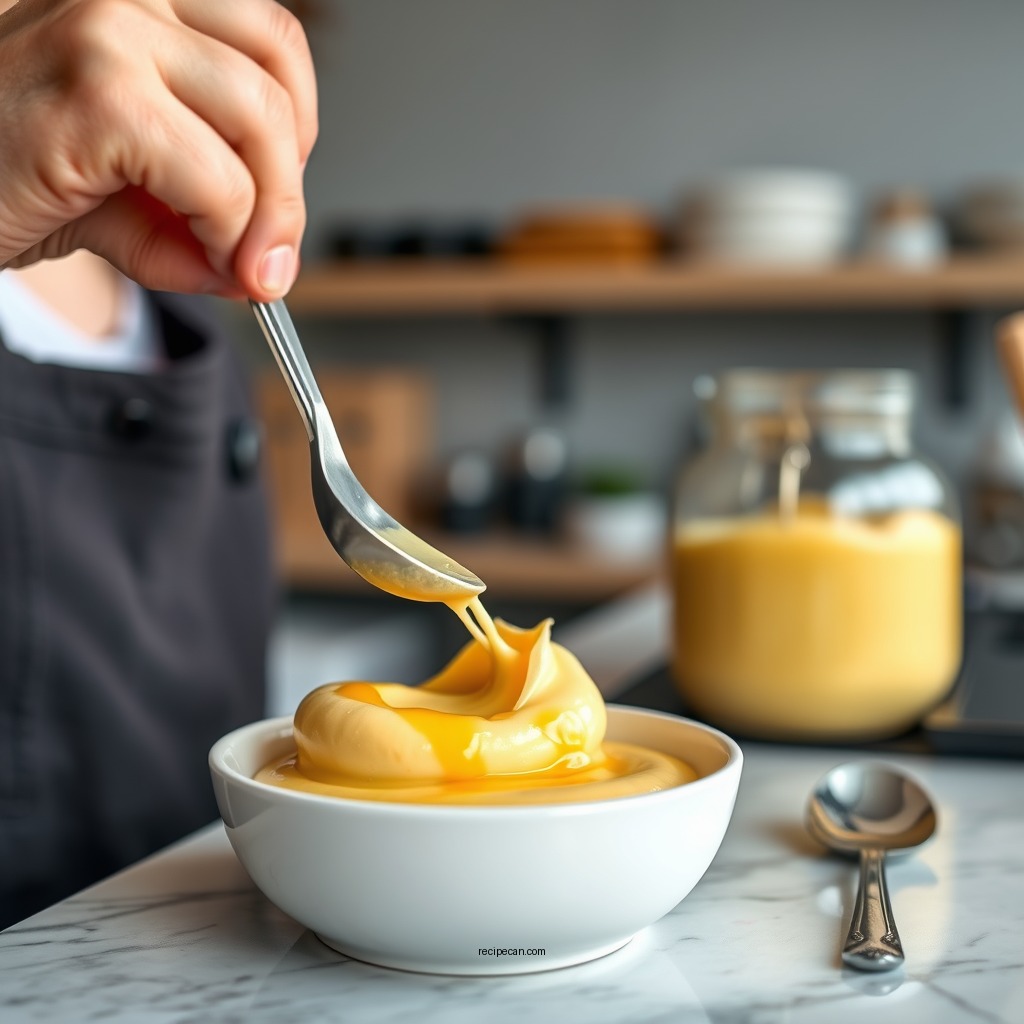
Once your preparation is complete, follow these cooking instructions to achieve the perfect custard:
1. Add the Slurry: Gradually pour the slurry into the warm milk mixture while whisking continuously. This step is crucial to ensure that the custard thickens evenly without lumps.
2. Cook Until Thickened: Continue to cook the mixture over medium heat, stirring constantly. Within a few minutes, you should notice the custard thickening. Cook until you reach your desired consistency. For a thicker custard, let it cook for a few additional minutes, but be careful not to let it boil, as this can affect the texture.
Flavoring Options
To elevate your dairy-free custard, consider incorporating various flavors. Here are some ideas:
– Vanilla Extract: A classic addition, vanilla extract enhances the overall flavor profile and pairs well with most sweeteners.
– Cocoa Powder: For chocolate lovers, adding cocoa powder will transform your custard into a rich chocolate delight.
– Fruit Purees: Incorporate fruit purees, such as mango, strawberry, or raspberry, for a fresh twist. This not only adds flavor but also introduces natural sweetness.
– Seasonal Variations: Don’t hesitate to experiment with seasonal flavors. For example, pumpkin spice can be an excellent addition during autumn, while citrus zest can brighten up your custard in the summer.
Serving Suggestions
Once your custard is ready, the serving options are abundant:
– Temperature: Serve your custard warm for a comforting dessert, or chill it in the refrigerator for a refreshing treat.
– Accompaniments: Pair the custard with fresh fruits like berries, banana slices, or citrus segments. It can also serve as a delightful filling for pastries or tarts.
– Presentation Tips: To make your custard visually appealing, consider serving it in elegant ramekins or glasses, topped with a dollop of dairy-free whipped cream and a sprinkle of nuts or chocolate shavings.
Storage Tips
Proper storage is essential for maintaining the quality of your custard:
– Refrigeration: Store any leftover custard in an airtight container in the refrigerator. It’s best consumed within 3-5 days for optimal freshness.
– Reheating: To reheat custard, gently warm it in a saucepan over low heat, stirring constantly. Avoid boiling, as high temperatures can alter the texture. Alternatively, you can microwave it in short intervals, stirring in between.
Dietary Considerations
This dairy-free custard recipe is versatile and accommodating to various dietary needs:
– Allergen Information: Ensure that the dairy-free milk you choose is free from allergens that may affect you or your guests. For example, if you are allergic to nuts, opt for oat or soy milk.
– Vegan Considerations: This recipe is inherently vegan as it uses plant-based ingredients. Always double-check the labels for any added ingredients in your dairy-free milk and sweeteners.
– Gluten-Free and Nut-Free Options: Cornstarch and arrowroot powder are gluten-free, making this custard suitable for those with gluten sensitivities. If you require nut-free alternatives, choose soy or oat milk as your base.
Top 7 Dairy-Free Milk Brands (2024)
| # | Brand | Type | Market Share (%) | Year Established |
|---|---|---|---|---|
| 1 | Almond Breeze | Almond Milk | 35% | 2000 |
| 2 | Silk | Soy Milk | 25% | 1996 |
| 3 | Oatly | Oat Milk | 20% | 1994 |
| 4 | So Delicious | Coconut Milk | 10% | 1987 |
| 5 | Ripple | Pea Milk | 5% | 2014 |
| 6 | Nutpods | Coconut & Almond | 3% | 2015 |
| 7 | Other Brands | Various | 2% | N/A |
Dairy-Free Milk Popularity (2024)
Summarizing the simple steps and key ingredients, this dairy-free custard recipe is not just easy to make but also versatile and enjoyable for everyone. Whether you are adhering to a dairy-free lifestyle or simply looking to try something new, this custard can be customized to fit your flavor preferences. Experiment with various dairy-free milk options and flavorings to discover your favorite combination today!
Frequently Asked Questions
What are the main ingredients needed for a dairy-free custard recipe?
To make a dairy-free custard, you’ll typically need plant-based milk (such as almond, coconut, or soy milk), a thickening agent like cornstarch or tapioca starch, sweetener (like maple syrup or agave), and flavorings such as vanilla extract. These ingredients come together to create a creamy and delicious custard without any dairy.
How can I thicken my dairy-free custard without using eggs?
You can thicken your dairy-free custard by using cornstarch or tapioca starch as a substitute for eggs. Simply mix the starch with a small amount of the plant-based milk to create a slurry before adding it to the rest of the mixture. Heat the custard mixture while stirring continuously until it reaches your desired thickness.
Why is my dairy-free custard not setting properly?
If your dairy-free custard isn’t setting, it may be due to insufficient thickening agent or not cooking it long enough. Make sure to use the right amount of cornstarch or tapioca starch and allow the mixture to simmer gently while stirring until it thickens. Additionally, ensure you’re cooling it in the refrigerator for adequate time to firm up.
What is the best plant-based milk for making dairy-free custard?
The best plant-based milk for making dairy-free custard largely depends on your flavor preferences. Coconut milk provides a rich and creamy texture, while almond milk is lighter and has a subtle nutty flavor. Soy milk is also a great option as it closely mimics the creaminess of dairy milk, giving you a well-balanced custard.
Which desserts can I make using dairy-free custard?
Dairy-free custard can be a versatile ingredient in various desserts. You can use it as a filling for tarts, as a topping for fruit salads, or even in trifles. Additionally, it works well as a base for dairy-free ice cream or as a creamy layer in parfaits, making it a great option for those seeking dairy-free alternatives.
References
- Custard
https://en.wikipedia.org/wiki/Custard - https://www.ncbi.nlm.nih.gov/pmc/articles/PMC7078935/
https://www.ncbi.nlm.nih.gov/pmc/articles/PMC7078935/ - https://www.mayoclinic.org/healthy-lifestyle/nutrition-and-healthy-eating/in-depth/dairy-free-diet/art-20046454
https://www.mayoclinic.org/healthy-lifestyle/nutrition-and-healthy-eating/in-depth/dairy-free-diet/art-20046454 - https://www.healthline.com/nutrition/dairy-free-diet
https://www.healthline.com/nutrition/dairy-free-diet - Google Scholar Google Scholar
https://scholar.google.com/scholar?q=dairy+free+custard+recipe - Google Scholar Google Scholar
https://scholar.google.com/scholar?q=dairy+free+desserts - Google Scholar Google Scholar
https://scholar.google.com/scholar?q=dairy+free+custard - https://www.sciencedirect.com/topics/food-science/custard
https://www.sciencedirect.com/topics/food-science/custard - Custard | Definition, Ingredients, & Preparation | Britannica
https://www.britannica.com/topic/custard - https://www.nutrition.gov/topics/nutrition-education/recipes/dairy-free-recipes
https://www.nutrition.gov/topics/nutrition-education/recipes/dairy-free-recipes