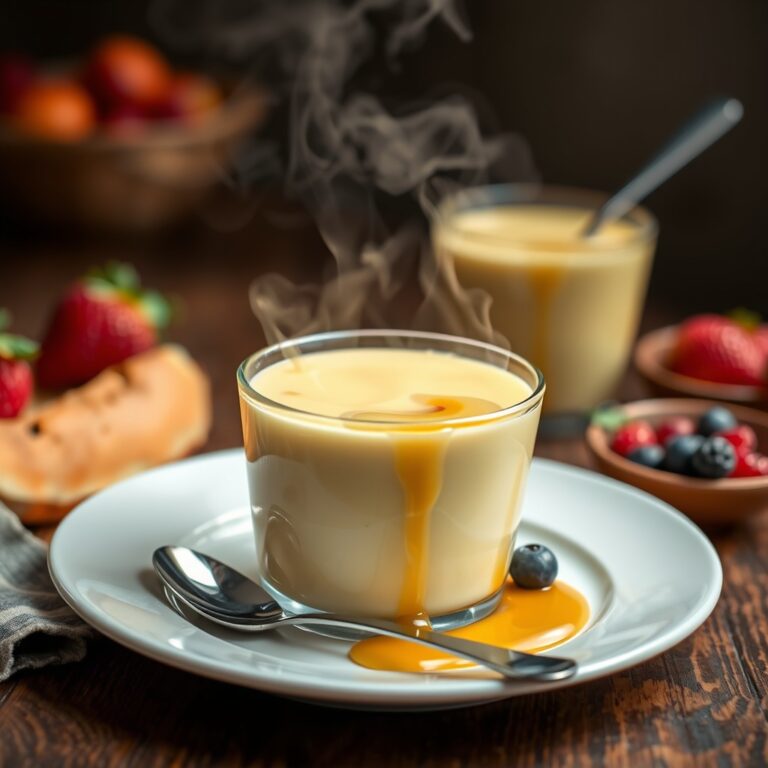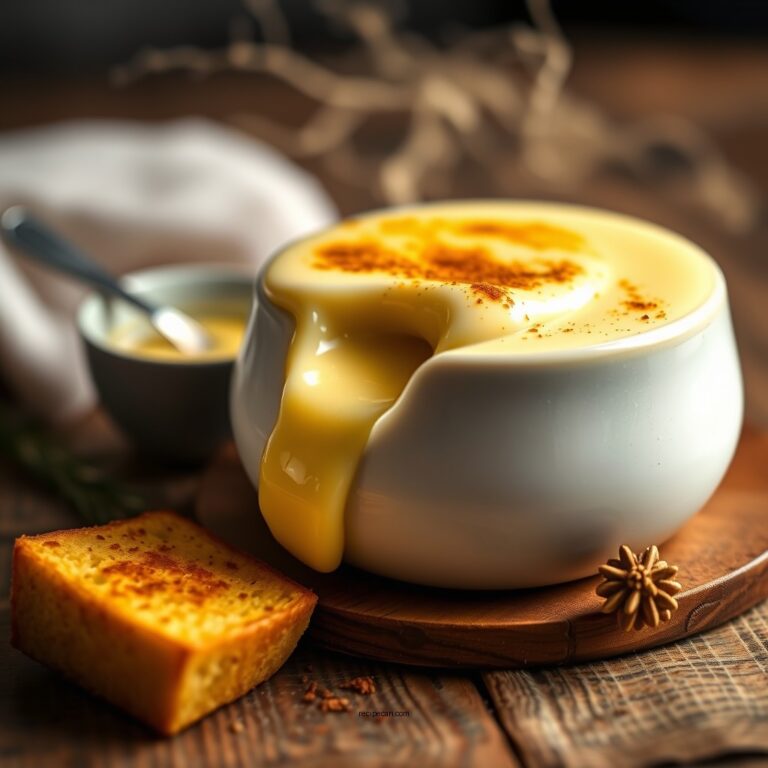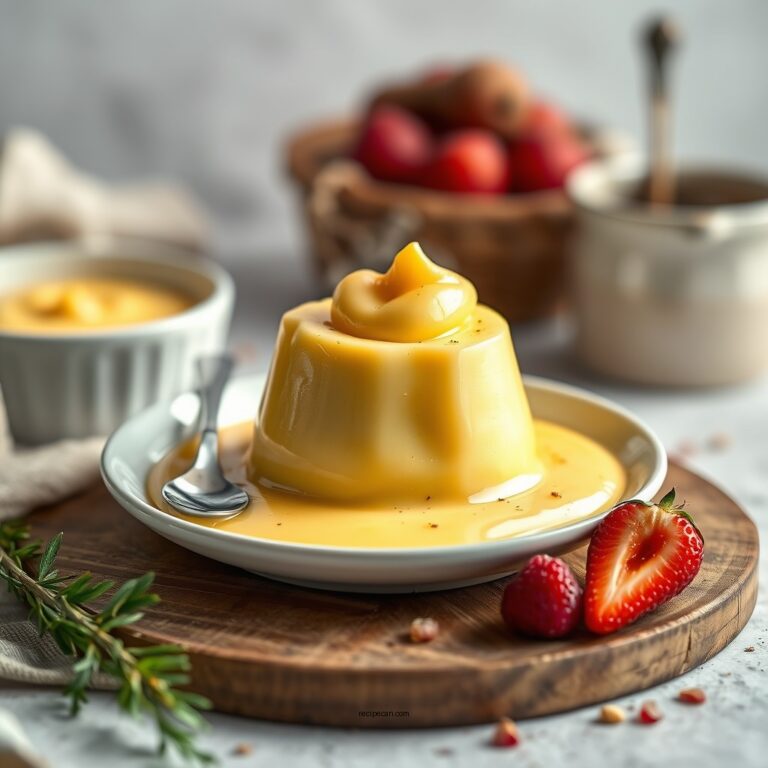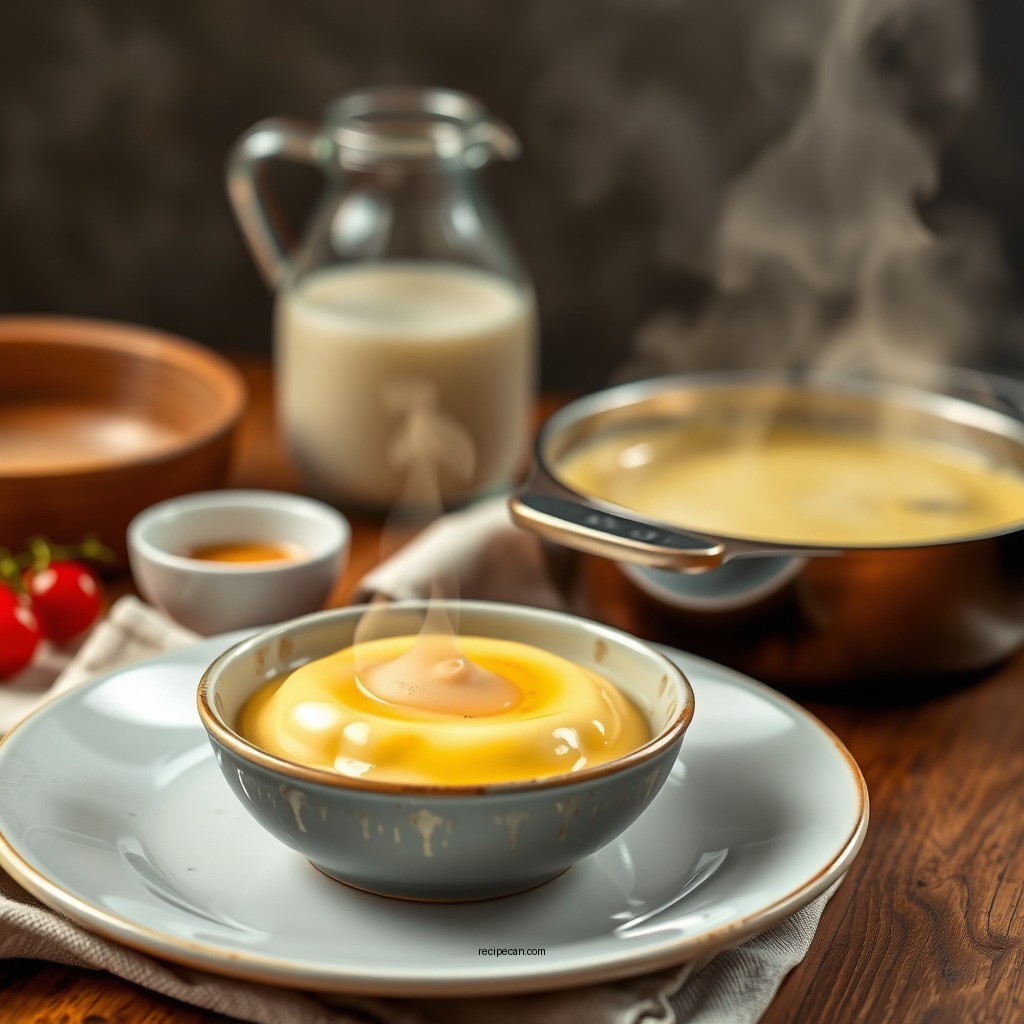
Making a delicious custard with heavy cream is simple and rewarding. This rich and creamy dessert can be prepared in just a few easy steps, yielding a velvety custard that can be enjoyed on its own or used in various desserts. You’ll learn the essential ingredients and method to create a perfect custard every time.
Ingredients You’ll Need
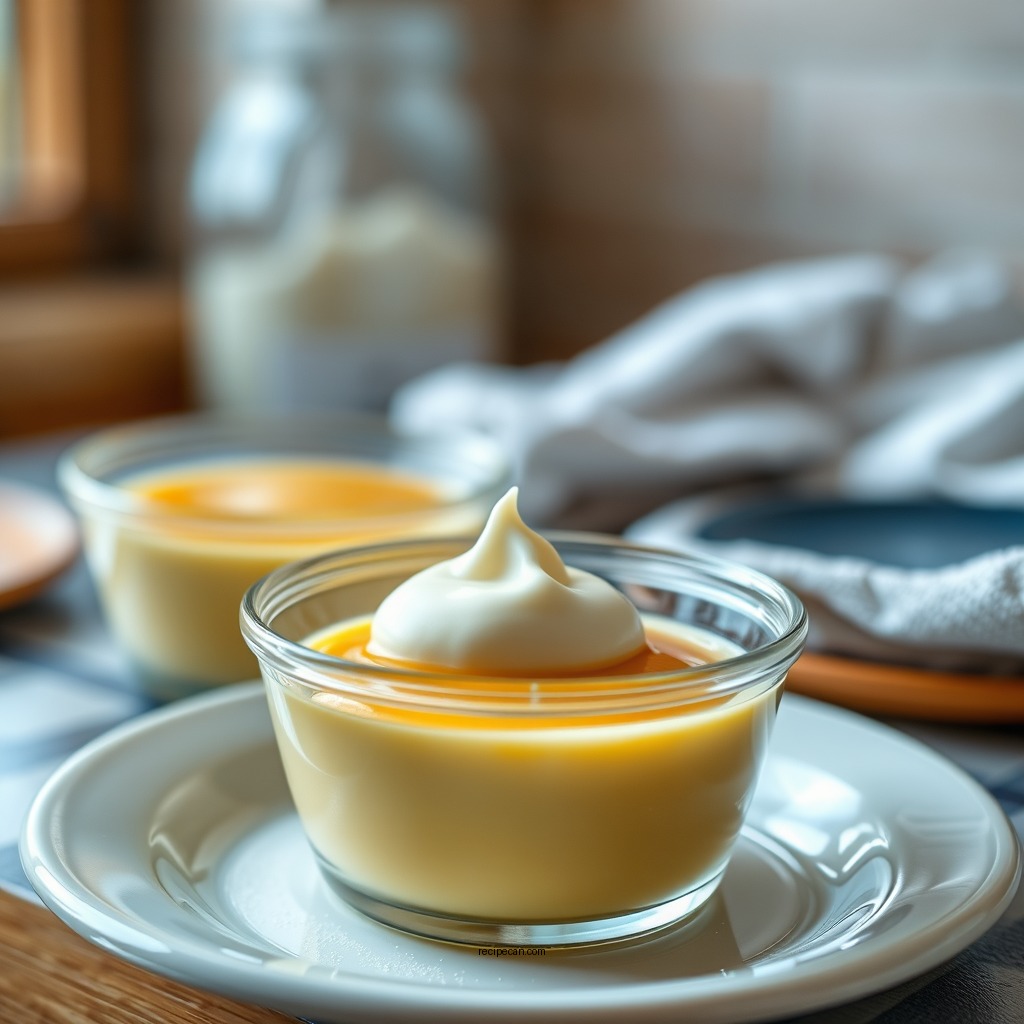
To create a delightful custard, the selection of ingredients is crucial. Here are the key components:
– Heavy Cream: The star of the dish, heavy cream provides a rich, luxurious base that makes the custard incredibly smooth and creamy. Its high fat content is essential for achieving that velvety texture.
– Sugar: A necessary ingredient for sweetness, sugar not only enhances the flavor of the custard but also balances the richness of the cream. You can adjust the amount to suit your taste preferences.
– Egg Yolks: These are essential for thickening the custard. Egg yolks contribute both flavor and a creamy consistency, making them integral to the custard-making process. Using fresh, high-quality eggs will yield the best results.
Preparation Steps

Preparing custard involves straightforward steps that can be easily followed:
1. Whisk together the egg yolks and sugar until smooth: In a mixing bowl, combine the egg yolks and sugar. Use a whisk to blend them until the mixture is pale and creamy. This step helps to dissolve the sugar and incorporates air, which aids in achieving a light texture in your custard.
2. Heat the heavy cream gently: Pour the heavy cream into a saucepan and heat it over low to medium heat. Be careful to avoid boiling, as this can affect the texture of the cream and lead to curdling. Stir the cream occasionally to ensure even heating, and watch for small bubbles around the edges, indicating that the cream is hot enough.
Cooking the Custard

The cooking process is where the magic happens, transforming your mixture into a luscious custard:
1. Slowly combine the warm cream with the egg mixture: To temper the eggs, gradually pour a small amount of the warm cream into the egg and sugar mixture while whisking continuously. This is crucial as it prevents the eggs from scrambling. Once tempered, you can slowly add the rest of the cream.
2. Cook the mixture over low heat: Transfer the combined mixture back into the saucepan and return it to the stove. Cook over low heat while stirring continuously with a wooden spoon or spatula. The goal is to thicken the custard until it coats the back of the spoon. This process usually takes about 10-15 minutes. Be vigilant, as overheating can lead to curdled custard.
Custard Cooking Times and Temperatures
| # | Process Step | Temperature (°C) | Time (Minutes) |
|---|---|---|---|
| 1 | Whisk Egg Yolks and Sugar | N/A | 5 |
| 2 | Heat Heavy Cream | 80-90 | 10 |
| 3 | Combine Cream and Egg Mixture | N/A | 5 |
| 4 | Cook Custard | 70-80 | 10-15 |
| 5 | Cool and Serve | N/A | 10 |
Flavor Variations
Custard is incredibly versatile, allowing for numerous flavor variations to suit your taste or occasion:
– Vanilla: For a classic custard, add vanilla extract or the seeds from a vanilla bean to the warm cream before combining it with the egg mixture. This imparts a rich, aromatic flavor that pairs beautifully with many desserts.
– Chocolate: If you’re in the mood for something richer, consider incorporating melted chocolate into your custard. Simply melt high-quality chocolate and whisk it into the custard after it has thickened, allowing it to cool before serving.
Serving Suggestions
Once your custard is prepared, consider these delightful serving suggestions:
– Serve warm or chilled: Custard can be enjoyed straight from the stove while it’s still warm or chilled in the refrigerator. Both options provide a unique experience, so it’s worth trying both to see which you prefer.
– Pair with fruits or pastries: Enhance your custard by serving it alongside fresh berries, poached pears, or even as a filling for pastries like éclairs or tarts. This not only adds flavor but also elevates the visual appeal of your dessert.
Flavor Variations for Custard
Common Mistakes to Avoid
To ensure your custard turns out perfectly every time, be mindful of these common pitfalls:
– Overheating the mixture: This is a critical mistake that can lead to curdled custard. Always cook over low heat and stir continuously to prevent overheating and ensure a smooth texture.
– Not stirring enough: Continuous stirring is essential during the cooking process. This not only helps to distribute heat evenly but also prevents the custard from sticking to the bottom of the pan, thereby avoiding burning.
Crafting a custard with heavy cream offers a delightful treat that is both versatile and indulgent. By following the steps outlined above, you can create a sumptuous dessert that’s perfect for any occasion. Enjoy experimenting with flavors and serving options to make it your own!
Frequently Asked Questions
What is the best custard recipe using heavy cream?
The best custard recipe with heavy cream typically includes a combination of heavy cream, sugar, egg yolks, and vanilla extract. Start by heating the heavy cream and sugar until the sugar dissolves, then gradually whisk in beaten egg yolks. Cook gently until the mixture thickens, ensuring it doesn’t boil, and then strain it for a smooth texture.
How can I make my custard thicker when using heavy cream?
To make your custard thicker with heavy cream, you can increase the number of egg yolks, as they act as a natural thickening agent. Additionally, cooking the custard mixture over low heat and stirring continuously will help it reach the desired consistency without curdling.
Why is my heavy cream custard grainy?
A grainy texture in heavy cream custard often occurs when the mixture is cooked too quickly or at too high a temperature, causing the eggs to scramble. To avoid this, cook the custard slowly over low heat, and continuously stir to maintain an even temperature, ensuring a smooth and creamy custard.
Which heavy cream is best for making custard?
The best heavy cream for making custard is one that contains at least 36% fat, as this provides a rich flavor and creamy texture. Look for heavy cream labeled as “heavy whipping cream” at the store, avoiding those with added stabilizers for the best results in your custard recipe.
How long can I store homemade custard made with heavy cream?
Homemade custard made with heavy cream can be stored in the refrigerator for up to 3 to 4 days. Make sure to cover the custard tightly with plastic wrap or transfer it to an airtight container to prevent it from absorbing odors and to maintain its creamy texture.
References
- Custard
https://en.wikipedia.org/wiki/Custard - Custard | Definition, Ingredients, & Preparation | Britannica
https://www.britannica.com/topic/custard - Google Scholar Google Scholar
https://scholar.google.com/scholar?q=custard+recipe+with+heavy+cream - Google Scholar Google Scholar
https://scholar.google.com/scholar?q=custard+recipes - https://www.sciencedirect.com/topics/food-science/custard
https://www.sciencedirect.com/topics/food-science/custard - https://www.ncbi.nlm.nih.gov/pmc/articles/PMC5070244/
https://www.ncbi.nlm.nih.gov/pmc/articles/PMC5070244/ - https://www.ncbi.nlm.nih.gov/pmc/articles/PMC6553385/
https://www.ncbi.nlm.nih.gov/pmc/articles/PMC6553385/ - https://www.ncbi.nlm.nih.gov/pmc/articles/PMC6311306/
https://www.ncbi.nlm.nih.gov/pmc/articles/PMC6311306/ - https://www.mayoclinic.org/healthy-lifestyle/nutrition-and-healthy-eating/expert-answers/whats-in-custard/faq-20058080
https://www.mayoclinic.org/healthy-lifestyle/nutrition-and-healthy-eating/expert-answers/whats-in-custard/faq-20058080 - https://www.nytimes.com/2021/06/23/dining/custard-recipe.html
https://www.nytimes.com/2021/06/23/dining/custard-recipe.html