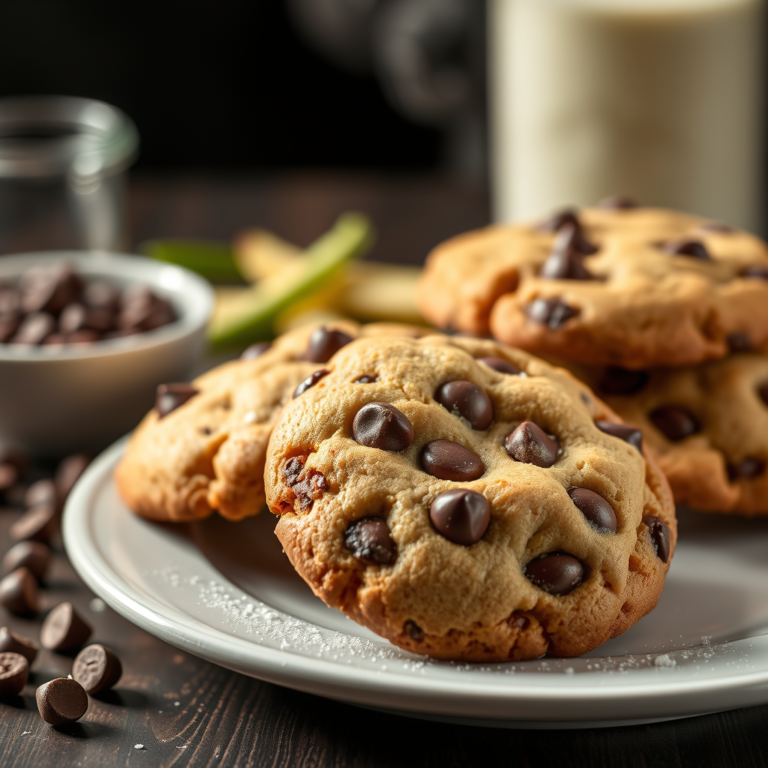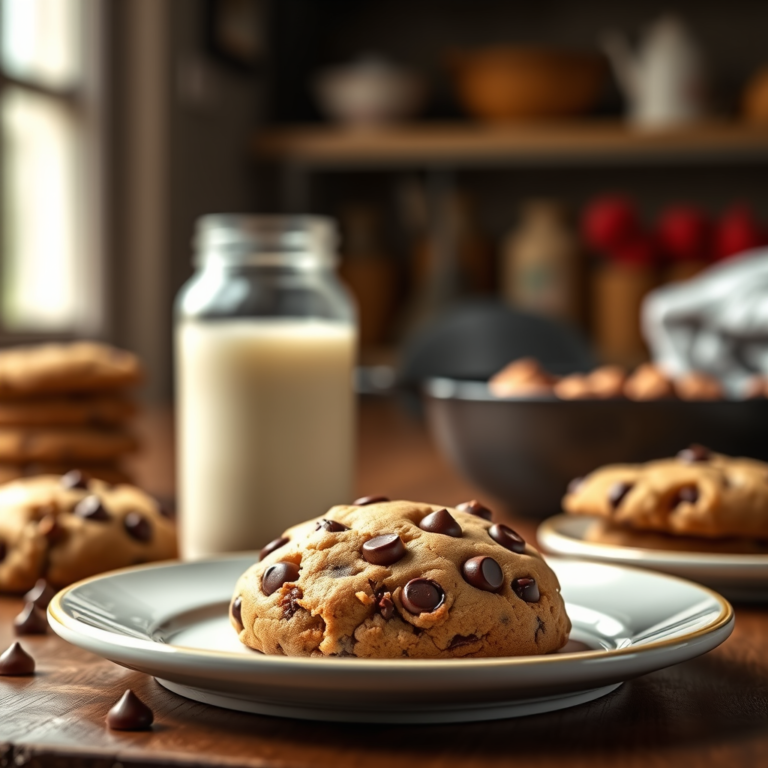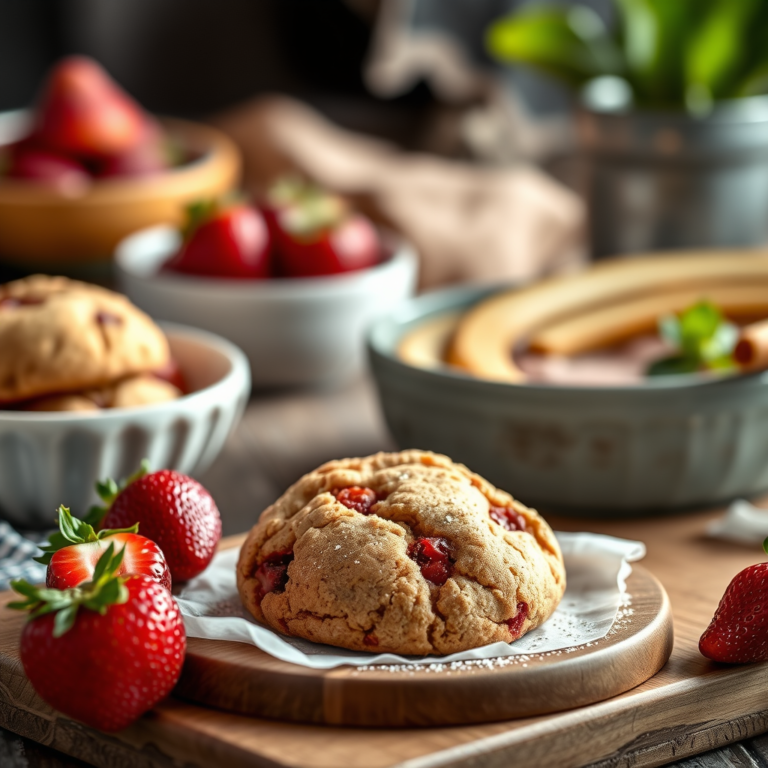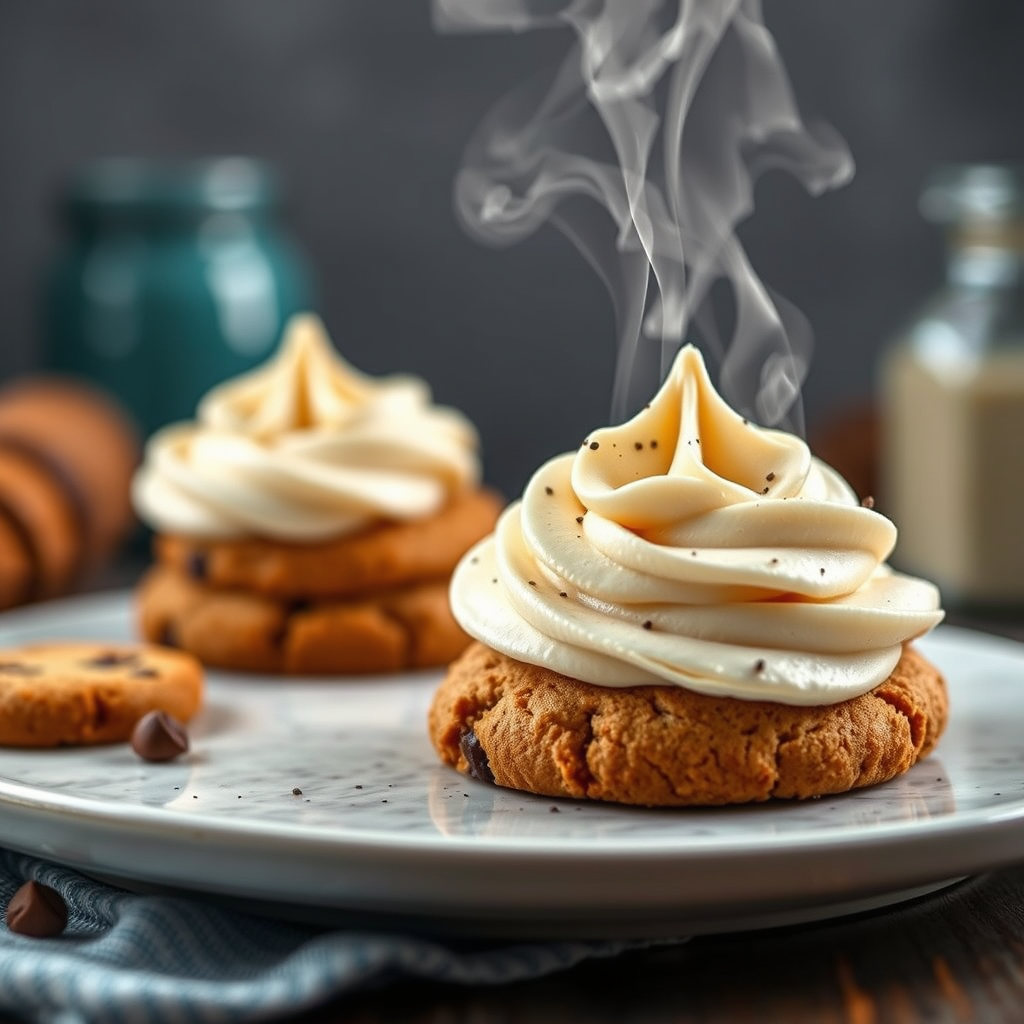
To create a delicious cookie frosting, start with a simple blend of powdered sugar, milk, and vanilla extract. This easy recipe will elevate your cookies, making them festive and irresistible. In this article, you’ll learn how to make the perfect frosting, variations to try, and tips for applying it seamlessly.
Essential Ingredients for Cookie Frosting
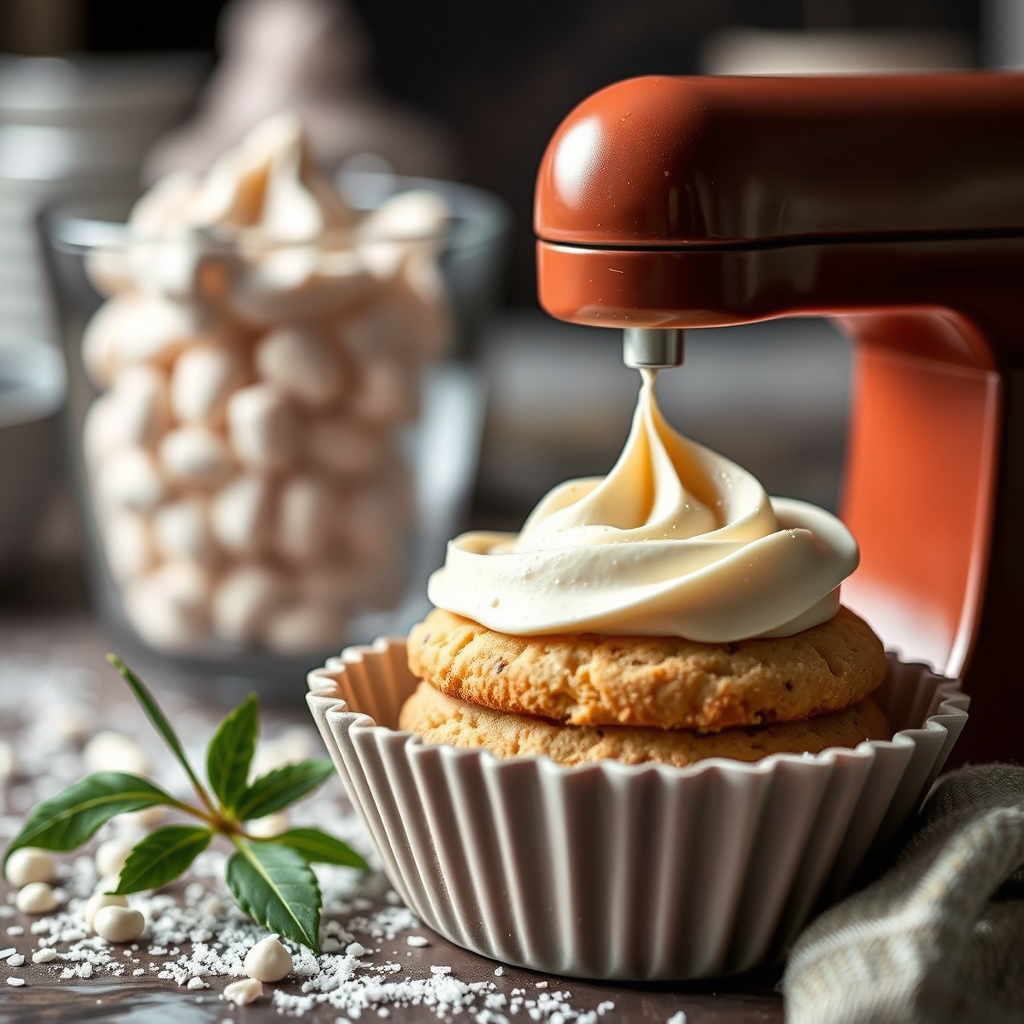
The foundation of any great cookie frosting lies in its core ingredients. For a simple yet effective frosting, you’ll need:
– Powdered Sugar: This ingredient is essential for achieving the right sweetness and texture. When sifted, it eliminates lumps and ensures a smooth consistency.
– Milk or Cream: This liquid component is crucial for adjusting the frosting’s thickness. Depending on your desired outcome—whether a thick frosting or a glaze—you can manipulate the amount of milk or cream you add.
These ingredients are readily available and can be easily adjusted to suit your taste, making this frosting a versatile choice for any cookie decorating project.
Common Ingredients for Cookie Frosting (2024)
| # | Ingredient | Purpose | Common Variations |
|---|---|---|---|
| 1 | Powdered Sugar | Sweetness & Texture | Brown Sugar, Coconut Sugar |
| 2 | Milk | Consistency | Almond Milk, Heavy Cream |
| 3 | Vanilla Extract | Flavor | Almond, Lemon |
| 4 | Food Coloring | Aesthetic Appeal | Gel, Liquid |
| 5 | Cocoa Powder | Chocolate Flavor | Dark, Dutch-Processed |
| 6 | Butter | Creaminess | Vegetable Shortening |
| 7 | Honey | Natural Sweetener | Agave Syrup, Maple Syrup |
Step-by-Step Instructions for Making Frosting
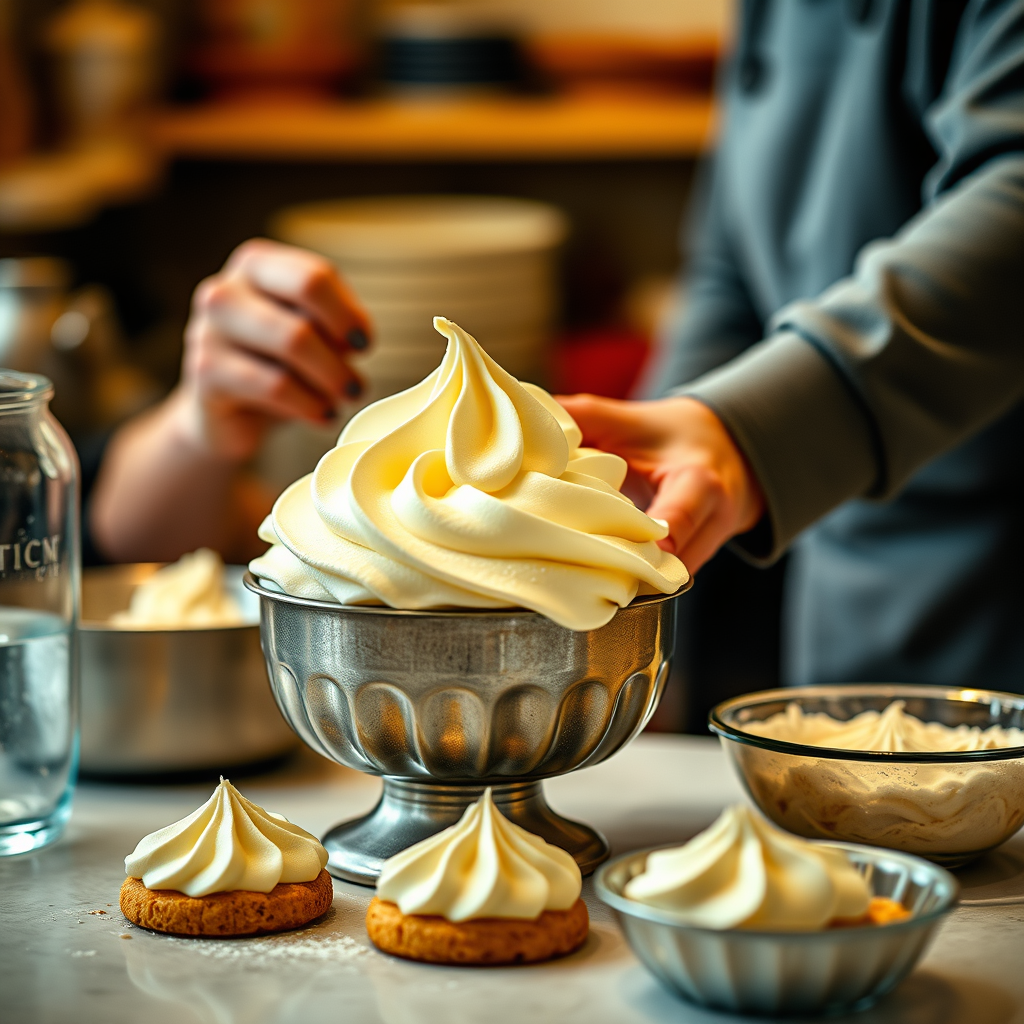
Creating your cookie frosting is a straightforward process that can be accomplished in just a few steps:
1. Sift the Powdered Sugar: Start by sifting the powdered sugar into a mixing bowl. This will help eliminate lumps and ensure a smooth frosting consistency.
2. Add Milk Gradually: Pour in milk slowly, mixing continuously until you reach your desired thickness. If you prefer a thicker frosting, use less milk, and for a glaze-like finish, add more.
3. Incorporate Vanilla Extract: Once the sugar and milk are well combined, add a splash of vanilla extract. This will enhance the flavor of your frosting and give it that delightful aroma.
4. Mix Until Smooth: Use a whisk or electric mixer to blend the ingredients until the mixture is smooth and glossy.
5. Adjust Consistency: If your frosting is too thick, add a little more milk; if it’s too thin, add more powdered sugar until you achieve the perfect consistency.
By following these steps, you’ll create a frosting that is not only delicious but also easy to work with, making your cookies a hit at any occasion.
Tips for Perfecting Your Frosting Consistency
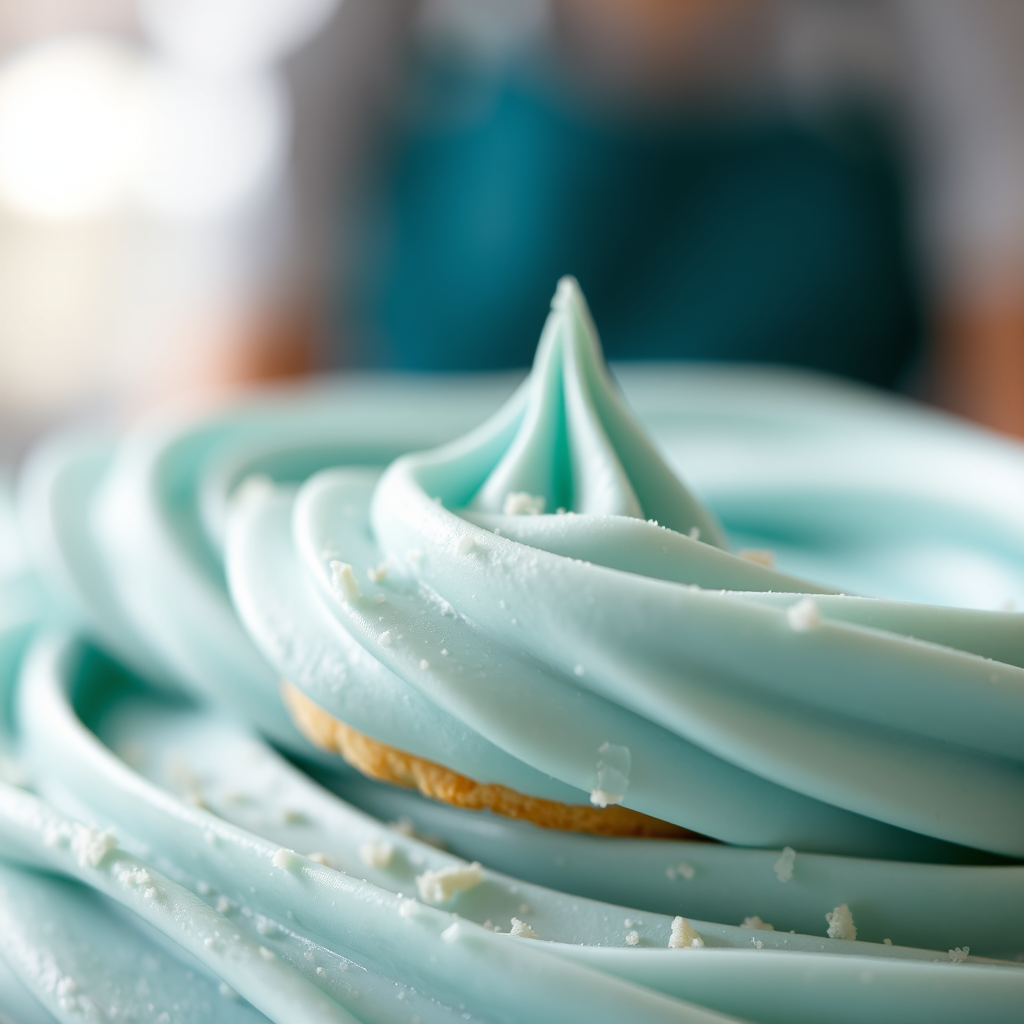
Achieving the perfect frosting consistency can be challenging but is crucial for both appearance and taste. Here are some tips to help you refine your frosting:
– Thicker Frosting: If you want a thicker frosting that holds its shape well, reduce the amount of milk you add. This is ideal for piping decorations or achieving a solid finish on your cookies.
– Glaze-Like Finish: For a more runny glaze that can be drizzled or poured over cookies, increase the milk gradually until you reach the desired consistency. This is perfect for creating a shiny, reflective finish that looks beautiful.
– Monitor Environmental Factors: Humidity and temperature can greatly impact the consistency of your frosting. In humid conditions, you may find that your frosting is too runny. If this happens, simply add a bit more powdered sugar to thicken it up.
– Test Consistency: Always test your frosting before applying it to cookies. Dip a spoon into the frosting; it should coat the back lightly without dripping off too quickly.
By mastering these techniques, you can ensure that your frosting consistently meets your expectations, making your cookie decorating process smoother and more enjoyable.
Fun Variations to Try
While the basic cookie frosting is delicious on its own, experimenting with variations can add a unique twist to your treats. Here are some ideas to inspire your creativity:
– Chocolate Frosting: For a rich chocolate flavor, simply add unsweetened cocoa powder to your frosting. Start with a few tablespoons and increase to taste.
– Colorful Designs: Use food coloring to create vibrant hues that match your cookie themes. Gel food coloring works best, as it doesn’t add much liquid to the frosting.
– Flavor Extracts: Beyond vanilla, try using different extracts such as almond, lemon, or peppermint. These can add a delightful surprise to your frosting and complement various cookie flavors.
– Seasonal Add-Ins: During the holidays, consider adding spices like cinnamon or nutmeg for a festive twist. Alternatively, add crushed peppermint candies for a refreshing minty flavor.
These variations not only enhance the taste of your cookies but also allow for personalized touches that can impress your guests.
Creative Decorating Techniques
Once your frosting is ready, the fun of decorating begins! Here are some creative techniques to elevate your cookie decorating game:
– Piping Bags: Using piping bags fitted with various tips allows for intricate designs, such as flowers, borders, and intricate patterns. This technique is perfect for special occasions or themed cookies.
– Spreading with a Knife: For a more rustic look, use a knife or spatula to spread frosting over the cookies. This method is quicker and gives a charming, homemade appearance.
– Sprinkles and Edible Glitter: Add an extra layer of fun by sprinkling edible glitter or colored sprinkles over your frosted cookies. This not only enhances the visual appeal but also adds texture.
– Layering Techniques: Consider layering different colors or types of frosting to create ombre effects or marbling techniques. This can make your cookies visually stunning and add complexity to the flavor.
By employing these decorating techniques, you can transform simple cookies into show-stopping desserts that are sure to delight everyone.
Common Mistakes to Avoid
While making cookie frosting can seem straightforward, there are common pitfalls that can lead to disappointing results. Here are mistakes to watch out for:
– Overmixing: Avoid overmixing your frosting, as this can introduce too much air and make it fluffy rather than smooth. Mix just until combined to maintain a silky texture.
– Adding Too Much Liquid: Always add liquid slowly to avoid making your frosting too runny. It’s easier to add more milk than to fix a frosting that is too thin.
– Sifting Issues: Failing to sift powdered sugar can result in lumps in your frosting, which can be unsightly and unpleasant. Always sift before mixing to ensure a smooth final product.
– Ignoring Taste: Remember to taste your frosting before applying it to your cookies. Adjust the sweetness or flavor as needed to ensure it complements your cookie base perfectly.
By avoiding these common mistakes, you can ensure that your cookie frosting is consistently delightful, enhancing both the look and taste of your baked goods.
To wrap it all up, making cookie frosting is both simple and fun, allowing for creativity in your baking. Use this guide to create delightful, personalized treats that will impress friends and family. Don’t forget to share your cookie creations on social media and inspire others to try their hand at frosting!
Frequently Asked Questions
What ingredients do I need for a basic cookie frosting recipe?
A basic cookie frosting recipe typically requires powdered sugar, milk, and vanilla extract. For added flavor and texture, you can also include butter or cream cheese, depending on whether you want a simple glaze or a thicker, more spreadable frosting.
How do I achieve the perfect consistency for cookie frosting?
To achieve the perfect consistency for cookie frosting, start by mixing powdered sugar with a small amount of milk. Gradually add more milk until you reach your desired thickness; for a thicker frosting, use less milk, and for a thinner glaze, add more. Whipping the mixture will also help to create a smooth and airy texture.
Why is my cookie frosting not setting properly?
If your cookie frosting is not setting properly, it may be due to too much liquid in the recipe or insufficient powdered sugar. Make sure to balance the ingredients and allow the frosting to rest at room temperature for a while to firm up. Additionally, humidity can affect frosting consistency, so consider adjusting the liquid accordingly on humid days.
What is the best way to decorate cookies with frosting?
The best way to decorate cookies with frosting is to use a piping bag fitted with a small round tip for detailed designs or to spread it with a spatula for a smoother finish. You can also use various techniques such as flooding or outlining, depending on the look you want to achieve. Experimenting with different colors and sprinkles can enhance the visual appeal of your cookies.
Which types of cookie frosting are best for different occasions?
For everyday cookies, a simple royal icing or buttercream frosting works well, as they are easy to make and decorate with. For special occasions like birthdays or holidays, consider using fondant or thicker buttercream for a more polished look. Royal icing is ideal for intricate designs and detailed work, while glaze is perfect for a quick and easy finish.
References
- Frosting
https://en.wikipedia.org/wiki/Frosting - https://www.sciencedirect.com/topics/food-science/frosting
https://www.sciencedirect.com/topics/food-science/frosting - https://www.ncbi.nlm.nih.gov/pmc/articles/PMC7765866/
https://www.ncbi.nlm.nih.gov/pmc/articles/PMC7765866/ - https://www.seriouseats.com/frosting-guide-5119821
https://www.seriouseats.com/frosting-guide-5119821 - https://www.britannica.com/topic/frosting
https://www.britannica.com/topic/frosting - Google Scholar Google Scholar
https://scholar.google.com/scholar?q=cookie+frosting+recipe - Google Scholar Google Scholar
https://scholar.google.com/scholar?q=frosting+food+science - Google Scholar Google Scholar
https://scholar.google.com/scholar?q=baking+frosting+techniques - cookie frosting recipe – Search results
https://en.wikipedia.org/wiki/Special:Search?search=cookie+frosting+recipe - https://www.ncbi.nlm.nih.gov/search/research-articles/?term=cookie+frosting+recipe
https://www.ncbi.nlm.nih.gov/search/research-articles/?term=cookie+frosting+recipe