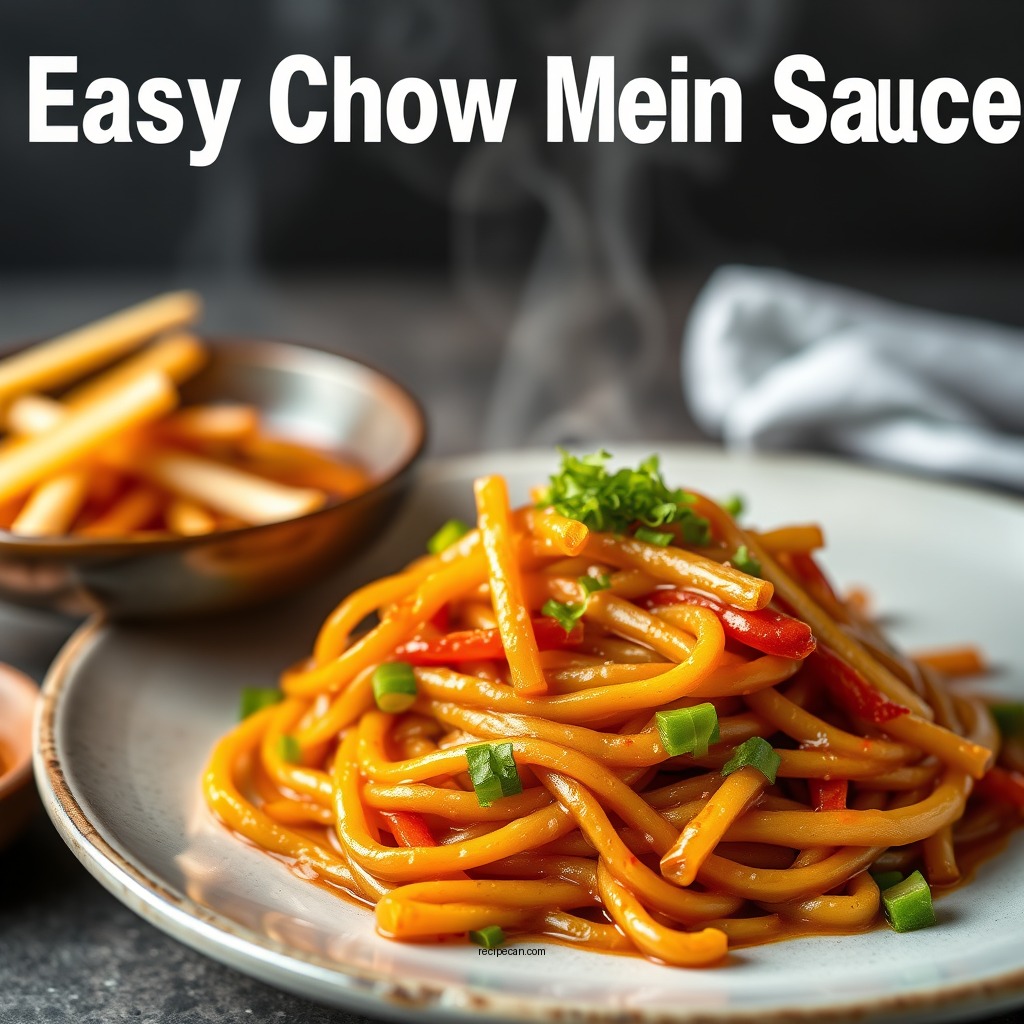
Chow mein sauce is crucial for achieving that authentic flavor in your stir-fried noodles. This easy recipe will help you create a savory, umami-packed sauce that enhances any chow mein dish. With just a few simple ingredients and a couple of minutes, you can whip up a sauce that will elevate your home-cooked meals to restaurant-quality standards.
In many Asian cuisines, especially Chinese, chow mein is a beloved dish that features stir-fried noodles, vegetables, and often a protein. The key to a delicious chow mein lies not only in the noodles and vegetables but significantly in the sauce that ties all the components together. This blog post will guide you through the process of making your very own chow mein sauce, alongside variations, usage tips, and common mistakes to avoid.
Ingredients You’ll Need
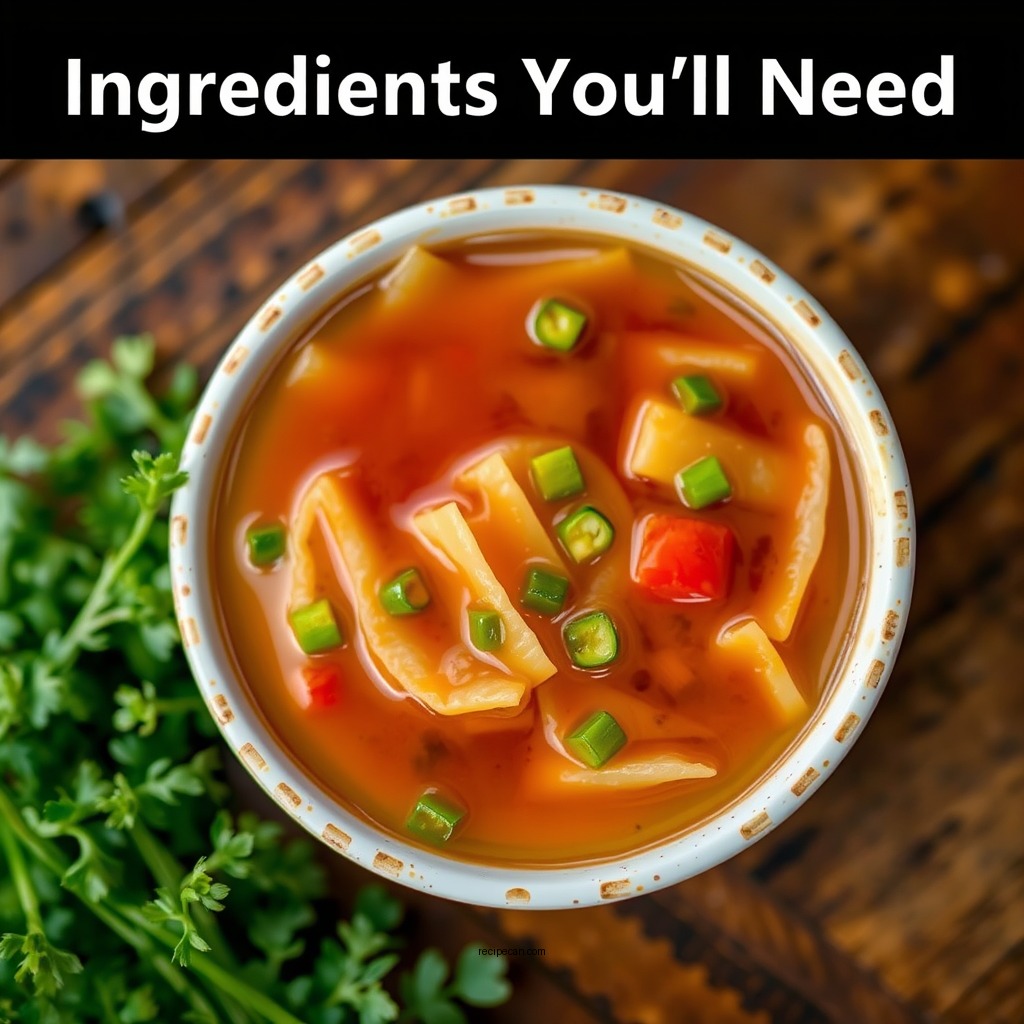
To make a delicious chow mein sauce, you will need the following ingredients:
– Soy sauce: This is the foundation of your chow mein sauce, providing essential saltiness and depth of flavor. Opt for low-sodium soy sauce if you’re looking to control salt intake.
– Oyster sauce: This ingredient adds a hint of sweetness and rich, savory notes that enhance the umami profile of the sauce. For a vegetarian option, consider using mushroom sauce as a substitute.
– Cornstarch: This is used as a thickening agent to achieve the perfect sauce consistency. It helps bind the sauce to the noodles and vegetables, ensuring that every bite is flavorful.
Step-by-Step Preparation
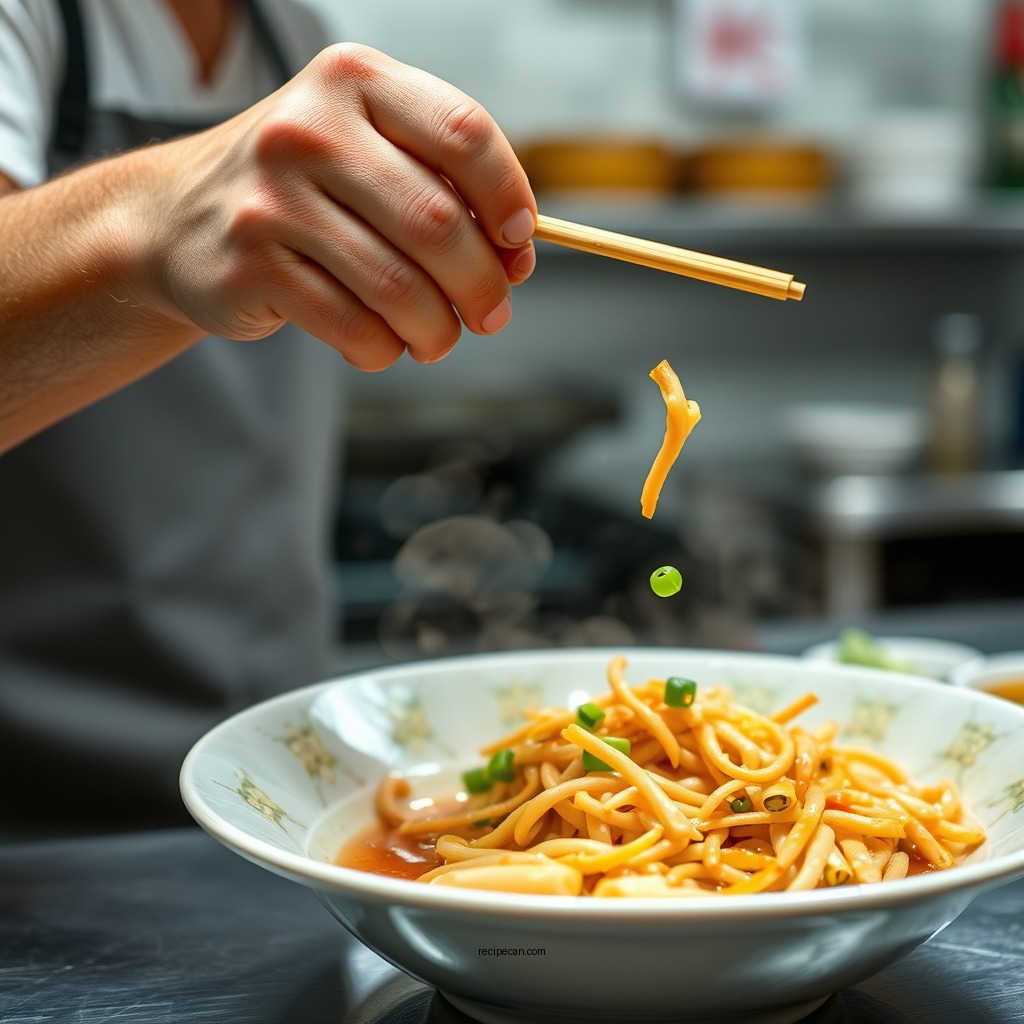
Creating your chow mein sauce is straightforward. Follow these steps:
1. Mix the sauces: In a mixing bowl, combine equal parts of soy sauce and oyster sauce. You can adjust the ratio based on your taste preferences; more soy sauce will provide a saltier flavor, while more oyster sauce will lend sweetness.
2. Thicken the sauce: In a separate small bowl, dissolve 1 tablespoon of cornstarch in a couple of tablespoons of water. This slurry will be added later to give your sauce the right thickness.
3. Heat on the stove: Transfer the combined sauces into a saucepan over medium heat. Gradually add the cornstarch slurry while stirring constantly. Keep cooking until the sauce thickens, which should take about 2-3 minutes. Make sure to stir continuously to prevent clumping.
The result should be a glossy, thick sauce that can coat your chow mein noodles beautifully.
Variations of Chow Mein Sauce
While the basic chow mein sauce is delicious on its own, consider these variations to tailor it to your taste:
– Vegetarian option: If you prefer a plant-based sauce, substitute the oyster sauce with a mushroom sauce. It provides similar umami flavors without any animal products.
– Spicy twist: For those who enjoy a kick, incorporate chili garlic sauce or crushed red pepper flakes into your sauce. Start with a small amount and adjust based on your heat tolerance.
– Sweet addition: If you have a sweet tooth, consider adding a touch of sugar or honey to the sauce. This can balance out the saltiness and enhance the overall flavor profile.
Chow Mein Sauce Ingredients Comparison
| # | Ingredient | Flavor Profile | Uses |
|---|---|---|---|
| 1 | Soy Sauce | Salty, Umami | Base for sauces, marinades |
| 2 | Oyster Sauce | Sweet, Savory | Enhances umami flavor |
| 3 | Cornstarch | Neutral | Thickening agent |
| 4 | Sugar | Sweet | Balances flavors |
| 5 | Chili Sauce | Spicy | Adds heat |
| 6 | Mushroom Sauce | Earthy, Umami | Vegetarian alternative |
| 7 | Sesame Oil | Nutty | Adds flavor |
How to Use Chow Mein Sauce
Now that you have your chow mein sauce ready, here are some ways to incorporate it into your meals:
– Toss with noodles: The most straightforward way to use the sauce is to mix it with your favorite chow mein recipe. After cooking your noodles and vegetables, simply pour the sauce over them and toss until everything is well-coated.
– Marinate proteins: The chow mein sauce also makes an excellent marinade for proteins like chicken, beef, or tofu. Marinate your protein of choice for at least 30 minutes before cooking to infuse it with flavor.
– Drizzle over stir-fried dishes: Beyond chow mein, you can enhance the flavor of any stir-fried vegetables or rice dishes by drizzling the sauce over them just before serving.
Tips for the Best Chow Mein Sauce
To ensure that your chow mein sauce turns out perfectly every time, consider the following tips:
– Fresh ingredients: Always opt for fresh ingredients to maximize the flavor of your sauce. This is particularly important for sauces that rely heavily on umami.
– Adjust to taste: Everyone has different taste preferences. Feel free to modify the amounts of soy and oyster sauce in your recipe to suit your palate.
– Store leftovers: If you happen to have extra sauce, store it in an airtight container in the refrigerator for up to a week. This allows you to have a ready-made sauce for your next cooking adventure.
Common Mistakes to Avoid
While making chow mein sauce is relatively simple, there are a few common pitfalls to avoid:
– Over-thickening: Be cautious not to add too much cornstarch to your sauce. This can lead to an overly thick consistency that doesn’t coat the noodles properly.
– Skipping the heat: Always cook the sauce after mixing it. This step is crucial as it helps meld the flavors together and activate the cornstarch thickener.
– Not tasting: Before serving, always taste your sauce and adjust the seasonings as needed. A well-balanced sauce can make all the difference in your dish.
Chow Mein Sauce Flavor Ratings
Creating your own chow mein sauce is simple and rewarding. With this recipe, you will have the perfect blend of flavors to elevate your stir-fried dishes. Don’t hesitate to experiment with variations to find your perfect mix. Enjoy your cooking adventure and impress your friends and family with delicious homemade chow mein!
Frequently Asked Questions
What are the key ingredients for a homemade chow mein sauce?
A classic chow mein sauce typically includes soy sauce, oyster sauce, sesame oil, and a touch of sugar for sweetness. You can also add garlic, ginger, and cornstarch for thickening. These ingredients combine to create a rich, savory flavor that enhances the overall dish.
How do I make a vegetarian chow mein sauce?
To create a vegetarian chow mein sauce, substitute oyster sauce with mushroom sauce or soy sauce for a rich umami flavor. Combine soy sauce, vegetable broth, a bit of sugar, and sesame oil, and you can add cornstarch mixed with water for thickness. This ensures your sauce is flavorful while adhering to a vegetarian diet.
Why is my chow mein sauce too salty, and how can I fix it?
If your chow mein sauce is too salty, it’s likely due to the soy sauce or oyster sauce being used in excess. To balance the saltiness, try adding a bit of sugar or honey, which can help to mask the salt flavor. Additionally, you can dilute the sauce with vegetable broth or water to reduce its intensity.
What is the best type of soy sauce for chow mein sauce?
The best type of soy sauce for chow mein sauce is typically a light soy sauce, as it adds flavor without overpowering the dish. Dark soy sauce can also be used for a richer color and deeper flavor, but should be used sparingly. Combining both can give you a well-rounded taste and color.
Which variations of chow mein sauce can I try for different flavors?
You can experiment with your chow mein sauce by adding ingredients like hoisin sauce, chili paste for heat, or vinegar for a tangy kick. For a sweeter taste, consider adding pineapple juice or brown sugar. Each variation allows you to customize the sauce to match your personal preference or dietary needs.
References
- Chow mein
https://en.wikipedia.org/wiki/Chow_mein - Chow mein recipe | Good Food
https://www.bbcgoodfood.com/recipes/chow-mein - https://www.theguardian.com/food/2020/jan/02/how-to-make-chow-mein
https://www.theguardian.com/food/2020/jan/02/how-to-make-chow-mein - Google Scholar Google Scholar
https://scholar.google.com/scholar?q=chow+mein+sauce+recipe - Google Scholar Google Scholar
https://scholar.google.com/scholar?q=chinese+cuisine+recipes - https://www.sciencedirect.com/topics/food-science/chinese-cuisine
https://www.sciencedirect.com/topics/food-science/chinese-cuisine - Chocolate Caramel Pretzel Bars Recipe
https://www.nytimes.com/recipes/1019477/chicken-chow-mein.html - https://www.verywellfit.com/what-is-chow-mein-4162677
https://www.verywellfit.com/what-is-chow-mein-4162677 - Google Scholar Google Scholar
https://scholar.google.com/scholar?q=chow+mein - https://www.britannica.com/topic/chow-mein
https://www.britannica.com/topic/chow-mein